




Popular
US intelligence believes that recent strikes on Iran have not affected the timeline Tehran would need to develop nuclear weapons.
According to Reuters, citing sources familiar with the assessments, even before the 12-day war in June 2025, US intelligence estimated that Iran could likely produce enough enriched uranium for a nuclear weapon within about 3–6 months.
After US strikes on Iranian nuclear facilities in Natanz, Fordow, and Isfahan, this timeline was previously estimated to be roughly 9–12 months.
However, after two months of new strikes on Iran, launched by the United States and Israel at the end of February 2026, this timeline has remained unchanged.
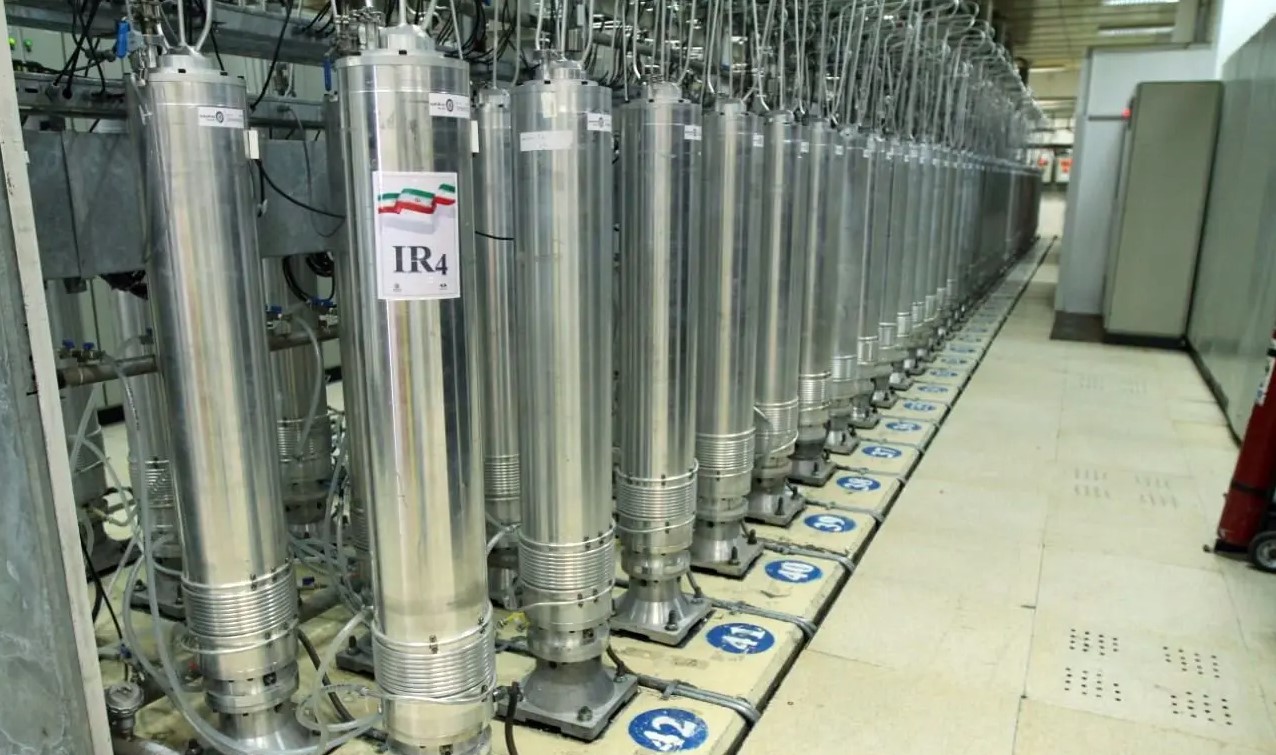
During this military operation, US strikes mainly targeted military sites, while Israel separately attacked Iran’s nuclear infrastructure.
However, according to sources cited by the publication, these efforts did not achieve the intended results. Donald Trump partly launched the war to prevent the Islamic Republic from developing nuclear weapons.
The unchanged timeline suggests that significantly slowing Tehran’s nuclear program may require destroying or removing Iran’s existing stockpiles of highly enriched uranium.
In recent weeks, US officials have been considering options for risky operations that could substantially halt Iran’s nuclear program. These options include ground raids.
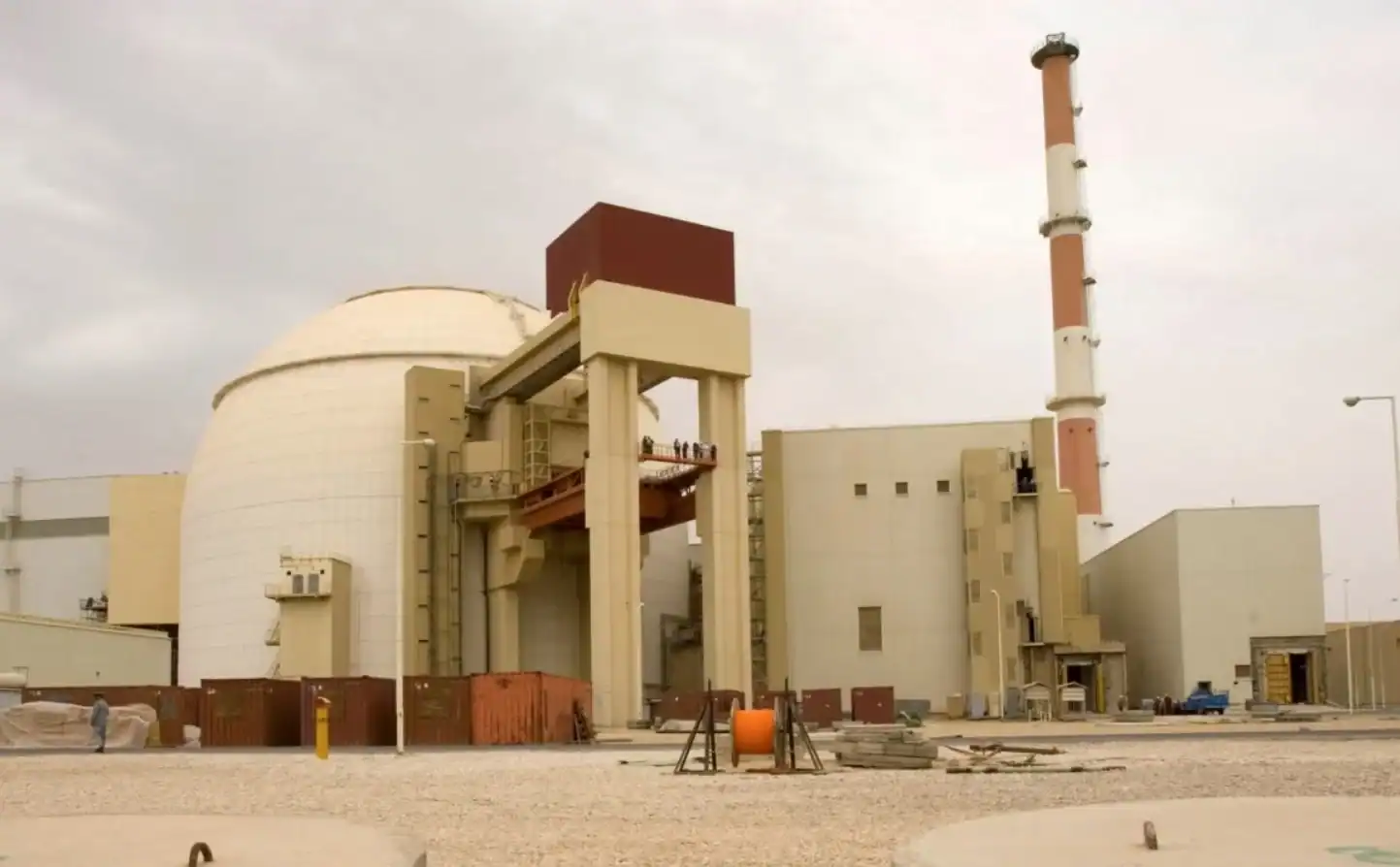
Notably, cyber-activists from CyberLegion hacked into the Russian corporation Rosatom’s systems and obtained a number of secret documents about its cooperation with Iran.
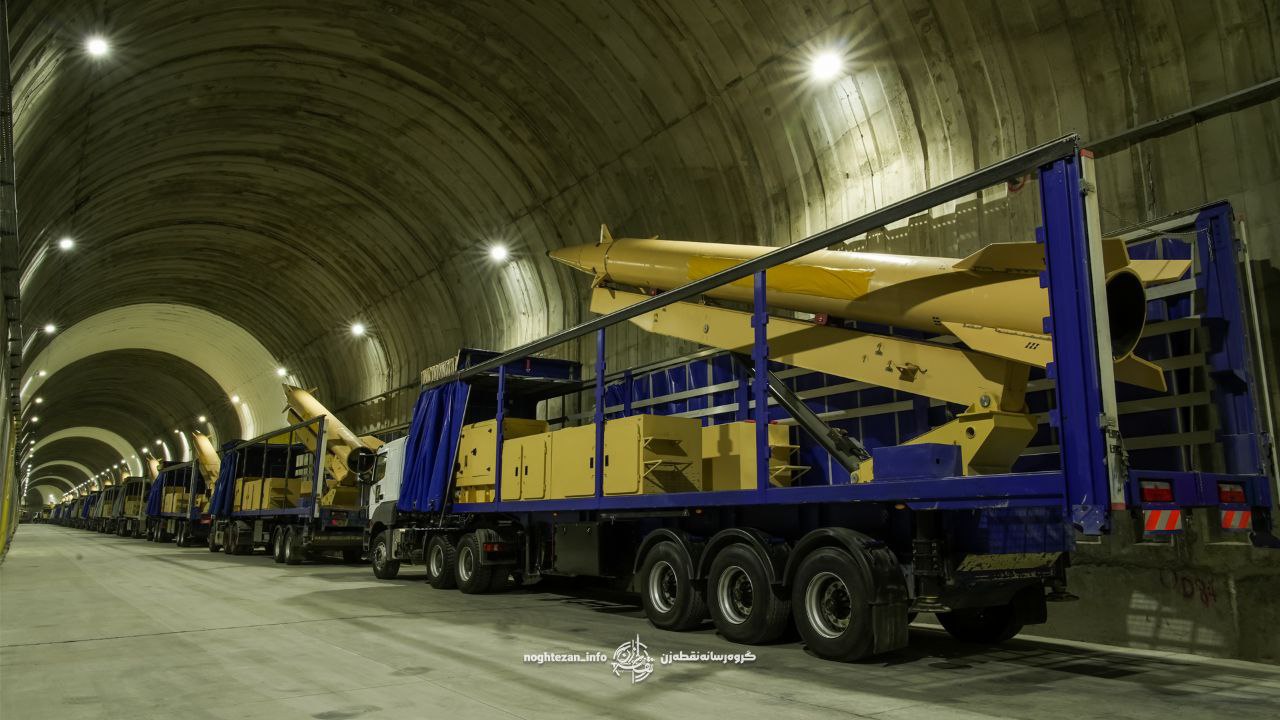
According to sources who spoke to US intelligence and shared with the New York Times, Iran has managed to retain most of its ballistic missile arsenal and 40% of its attack drones despite US and Israeli strikes.
While estimates of Iran’s weapons stockpiles are not completely precise, intelligence agrees that its current arsenal is enough to block shipping in the Strait of Hormuz.
Підтримати нас можна через:
Приват: 5169 3351 0164 7408 PayPal - [email protected] Стати нашим патроном за лінком ⬇
Subscribe to our newsletter
or on ours Telegram
Thank you!!
You are subscribed to our newsletter