



Popular
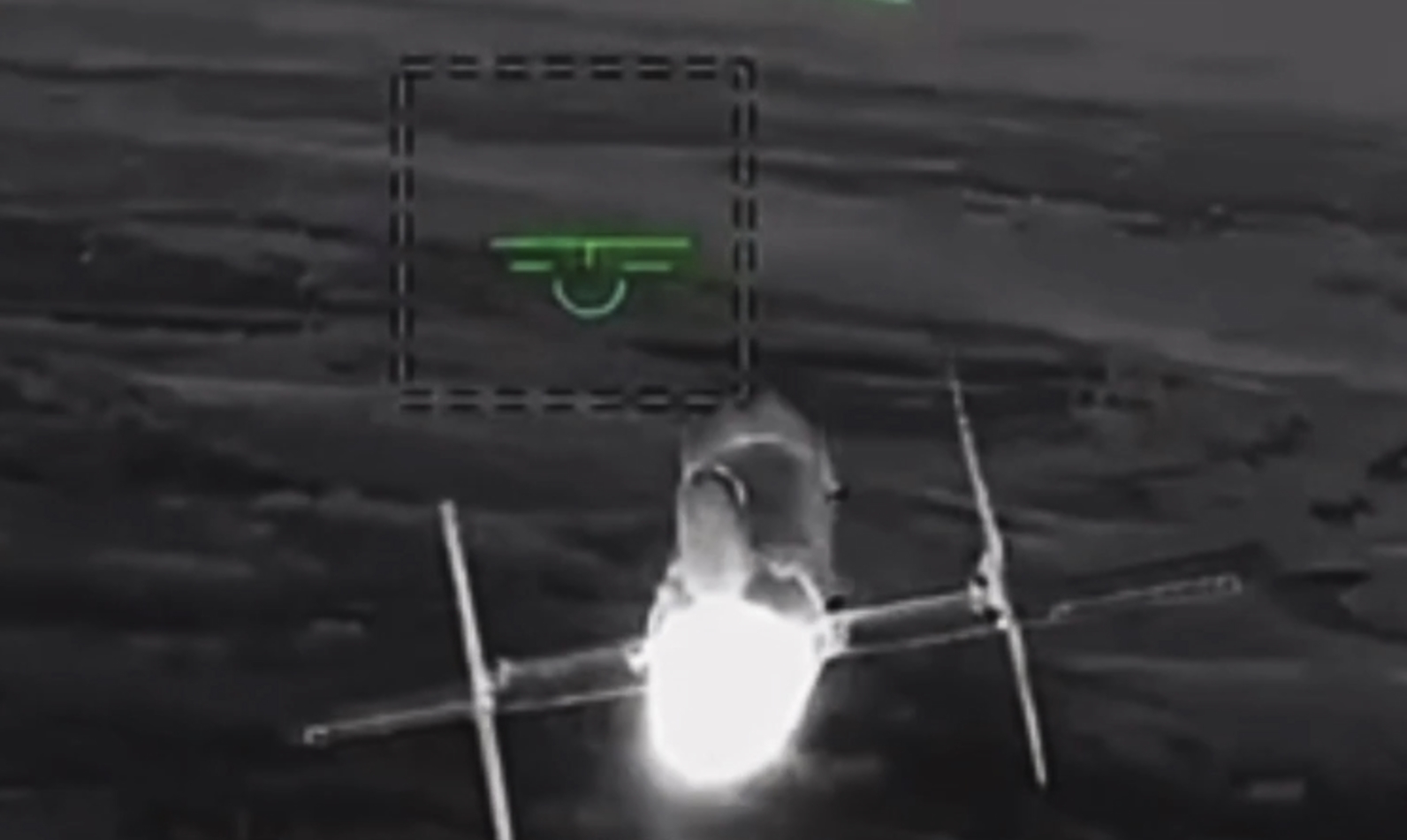
Speed restrictions on Starlink operations within Ukraine remain in place—this hinders the use of satellite terminals in jet-powered interceptor drones targeting Shaheds.
Ukrainian President Volodymyr Zelensky announced this in an audio message to journalists.
According to the president, Ukraine is engaged in dialogue regarding the operation of Starlink and Starshield at the levels of the military, the Ukrainian Defense Ministry, and diplomats. The Ukrainian side is attempting to contact all parties involved, including SpaceX. However, the company is currently not responding to the Ukrainian military or the Defense Ministry, while U.S. officials at various levels attribute the situation to “technical difficulties.”
The president emphasized that the problems occur only within Ukraine: once speeds exceed 161 km/h, communication is completely lost after about two minutes, resulting in the loss of drones. At the same time, these problems do not occur in European Union countries, as the Ukrainian side has already verified.
“We sent a couple of vehicles equipped with Starlink into European Union countries, and they drove—where permitted—at speeds of 180 km/h or higher, and Starlink worked. We have the relevant records and evidence. The conclusion is this: the restrictions apply within Ukraine, but they do not apply within European Union countries. In other words, this is a planned operation,” he emphasized.
Such restrictions make it impossible to use Starlink-equipped interceptor drones against Shahed jet drones and other high-speed unmanned aerial vehicles. Therefore, to counter these threats, the Ukrainian Defense Forces are forced to continue using aircraft, missiles, and other air defense systems.
Overall, according to the president, Ukrainian aviation shoots down about 55–60% of the jet-powered Shaheds. At the same time, this places a significant strain on Ukrainian fighter jets, which have reached the end of their service life, and on the limited number of pilots.
In particular, about half of the F-16 fighter jets have been in Europe for an extended period for repairs and maintenance. Problems with servicing these aircraft stem, in part, from the fact that certain components for early F-16 models are no longer manufactured, and procuring them is becoming increasingly difficult.
To address this issue, Ukraine’s partner countries are working to accelerate the repair of Ukrainian F-16s. For example, the Belgian company Sabena Engineering, which is responsible for the maintenance of Ukrainian fighter jets, repairs four F-16s per month and plans to soon increase its maintenance capacity to six aircraft per month.
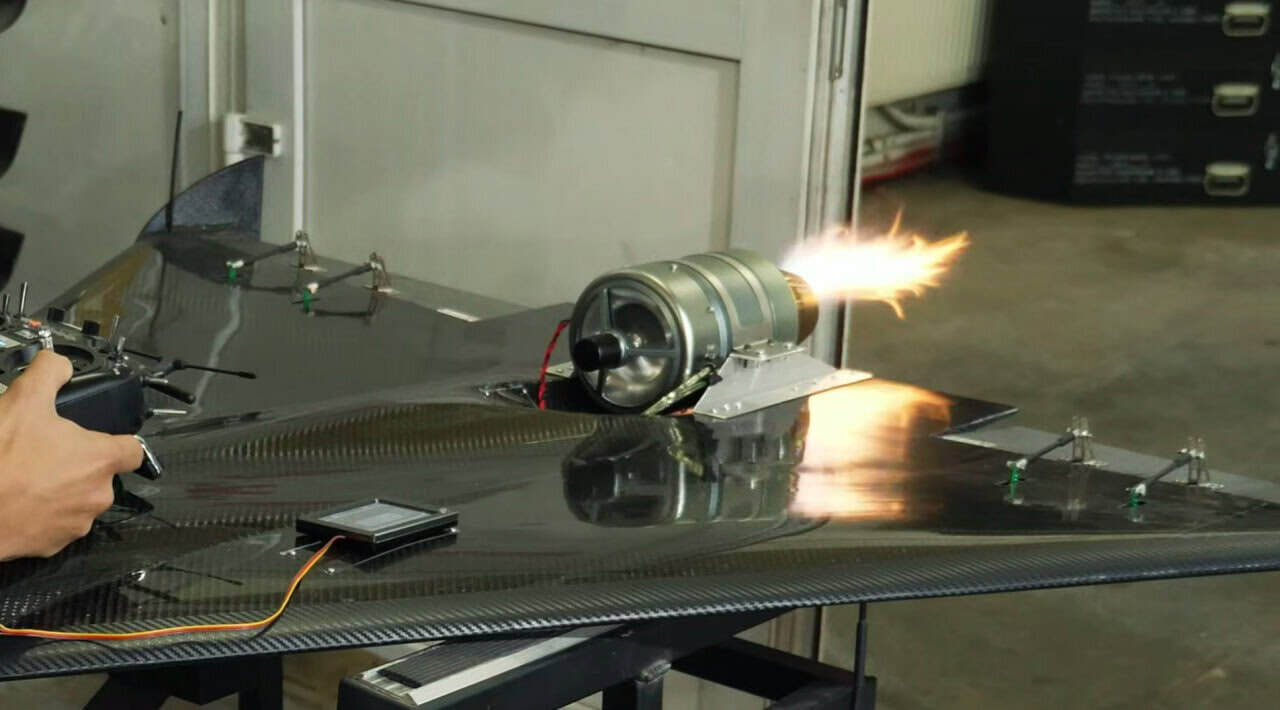
Several drone models have been publicly reported to be used for intercepting jet-powered Shahed drones: the P1-SUN JetKiller, the SPYS, the Sting S, and an interceptor likely based on the Bars drone missile. The first three are further developments of electric quadcopters, while the Bars interceptor drone is likely equipped with a jet engine.

As Ukrainian Defence Minister Yevhen Khmara explained during a meeting with journalists—which was attended by a correspondent from Militarnyi—Ukraine has already achieved successful results in using interceptor drones against jet-powered unmanned aerial vehicles. During combat operations, one of the units destroyed five aerial targets using five Bars interceptors. In other words, the success rate in this case was 100%.
“This experience is currently being studied and scaled up, with additional specialists and units being brought into the effort. The goal is to increase the overall destruction rate of jet-powered drones and to rapidly scale up solutions that have proven effective in combat conditions,” he emphasized.
Підтримати нас можна через:
Приват: 5169 3351 0164 7408 PayPal - [email protected] Стати нашим патроном за лінком ⬇
Subscribe to our newsletter
or on ours Telegram
Thank you!!
You are subscribed to our newsletter