






Popular
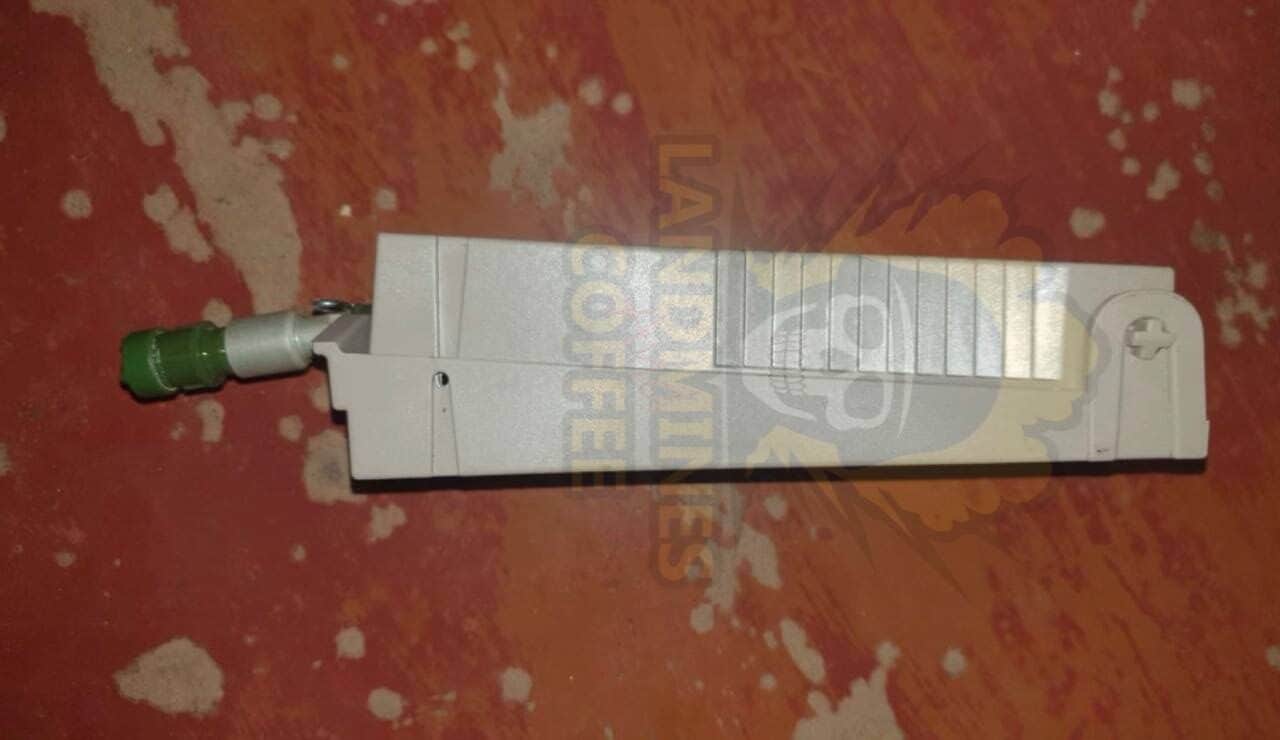
The Russians have returned to the PMD-6 pressure-activated anti-personnel mine, which was decommissioned in 1949.
The specialized project Landmines, Coffee and Sandwiches published a photo of the mine’s modernized version.
It is reported that mass production of these mines began a year ago, but until now little was known about their design—other than that it replicates the Soviet model from the 1930s.
Recently, a number of these mines were discovered in the Sumy region, allowing for their analysis. The mine’s casing is made of molded plastic and is of fairly high quality, allowing it to withstand up to 2 kilograms of camouflage material without detonating.
For reference: the Soviet version was made of wood and, to increase its durability, was impregnated with special oils or linseed oil.
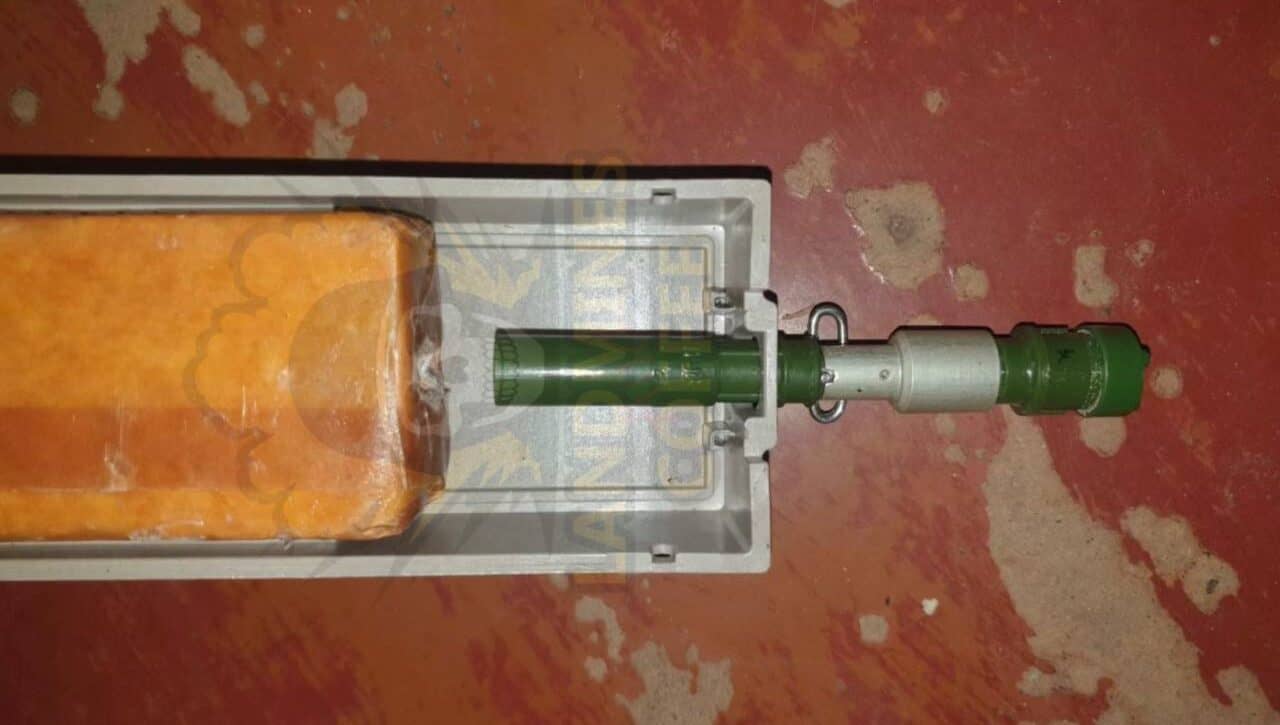
In general, the operating principle is the same as that of the PMD-6. The new mine uses a remote-detonation mechanism based on the standard Soviet MUV (Modernized Simplified Fuse), while self-destruction or non-retrieval mechanisms are absent.
A standard TNT block weighing 200 or 75 grams is used as the explosive. The mine’s cover is hinged to the casing.
To detonate the Soviet PMD-6, a force of approximately 6–28 kg was required, which made it relatively safe during installation. The exact force required by the modern plastic version is currently unknown.
Skylab recently conducted tests of the Ukrainian SHTORM-UA anti-personnel mine.
Підтримати нас можна через:
Приват: 5169 3351 0164 7408 PayPal - [email protected] Стати нашим патроном за лінком ⬇
Subscribe to our newsletter
or on ours Telegram
Thank you!!
You are subscribed to our newsletter