





Popular
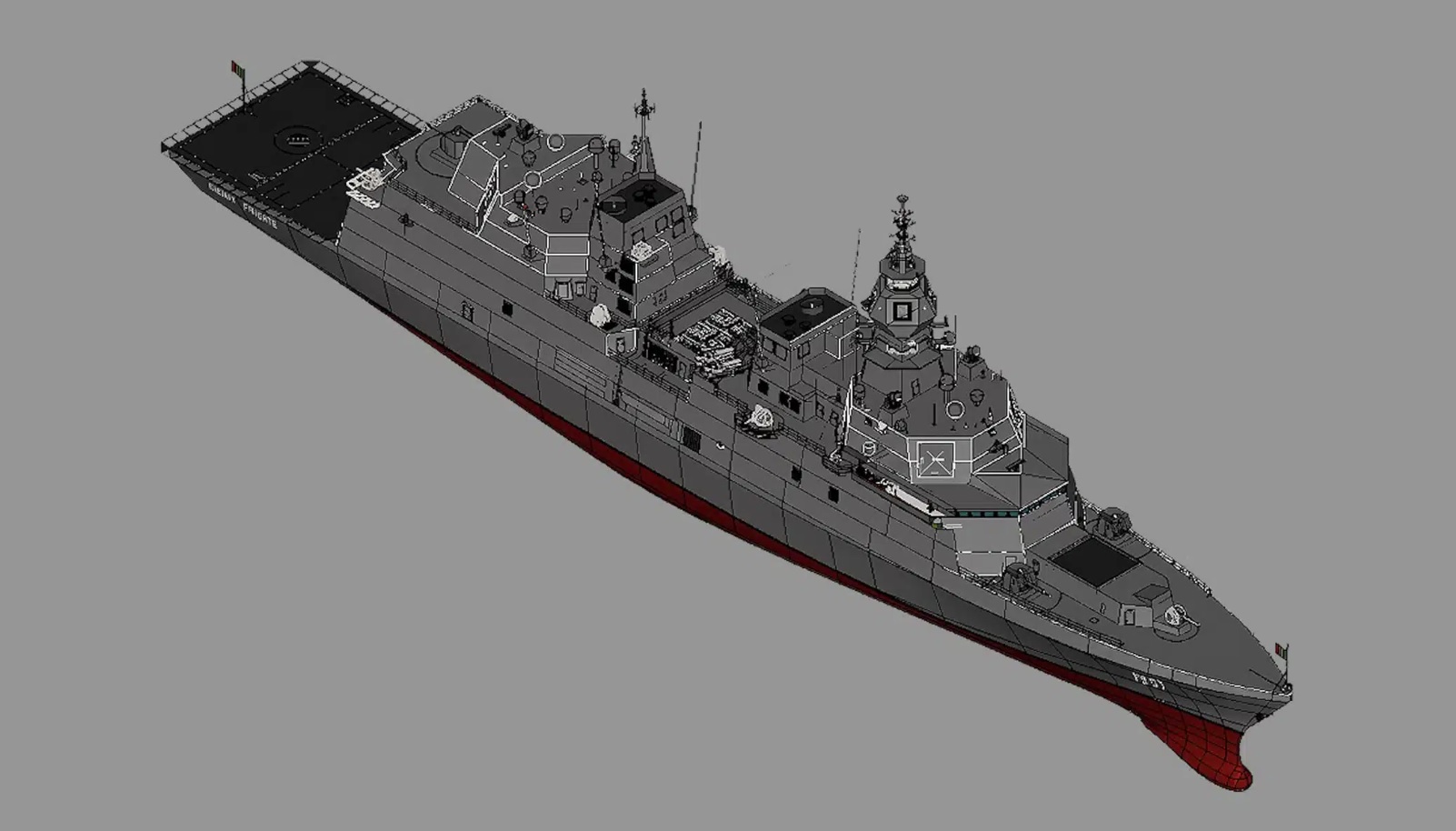
Italy has revealed the first details about the new-generation NG DDG (formerly DDX) destroyer, which is being developed for the country’s Navy.
The ship, with a displacement of 13,500 metric tons, will be equipped with 80 vertical launch systems, a new radar with an active phased array antenna, anti-missile systems, and advanced laser weapons, according to Naval News.
A contract worth approximately €3.7 billion was signed on September 24, 2026, between the joint venture Orizzonte Sistemi Navali (OSN) and OCCAR-EA.
It covers the design, construction, and initial technical support for the first destroyer, as well as an option to order a second ship.
OSN is owned by Fincantieri (51%) and Leonardo (49%). Fincantieri is responsible for the ship’s design and the integration of its systems, while Leonardo is responsible for developing the combat system.

The cost of the optional second ship is approximately €1.3 billion. Meanwhile, the procurement of weapons and ten years of technical support for each destroyer will be financed separately.
Delivery of the first ship is scheduled for 2033, and the second for 2035. The new destroyers are intended to replace two Durand de la Penne-class ships. According to Naval News, the Italian Navy is considering ordering two more such destroyers in the future. They are intended to replace two Horizon-class ships.
The primary missions of the NG DDG will include air and missile defense, anti-submarine warfare, long-range strikes against land targets, and command and control of naval task forces.
During development, special attention is being paid to countering modern threats, particularly ballistic and hypersonic missiles, as well as unmanned aerial vehicles.
NG DDG Destroyer Specifications:
Displacement: 13,500 metric tons;
Length: 180 m;
Width: 25 m;
Maximum speed: 30 knots;
Crew: 250 personnel.
NG DDG propulsion system: 2 gas turbines, 32 MW each; 2 diesel engines, 8 MW each; 2 electric motors, 3 MW each; 4 diesel generators, 3.8 MW each.
NG DDG armament: 80 vertical launch systems: 32 in the bow and 48 in the midship section; 4 four-cell launchers for Teseo Mk2/E missiles; 3 Leonardo 76/62 mm Super Rapido artillery systems; 4 Leonardo Lionfish combat modules with 30-mm cannons; 2 triple-tube torpedo launchers for MU90 torpedoes.
Air group on the NG DDG: 2 AW101 or NH90 helicopters; unmanned aerial vehicles; 2 hangars and a stern flight deck.

The combat system will be based on the fifth-generation SADOC 5 C5I complex. It will feature an open, cyber-resilient architecture and support the integration of artificial intelligence and cooperative weapon employment.
The primary means of target detection will be a new digital Leonardo radar with an S-band AESA and gallium nitride (GaN) technology. It will have four fixed antenna arrays, each with an area of approximately 10 m². Additionally, the ship will be equipped with a four-panel X-band radar.
The sensor suite will also include the Leonardo DDS-IRST infrared target detection and tracking system, four NA-30S Mk2 fire control systems, and an ELT Group electronic warfare suite.

To counter missiles and torpedoes, two Leonardo ODLS-20 decoy launchers are planned. The electronic warfare system will also include countermeasures against unmanned aerial vehicles and satellite radar systems.
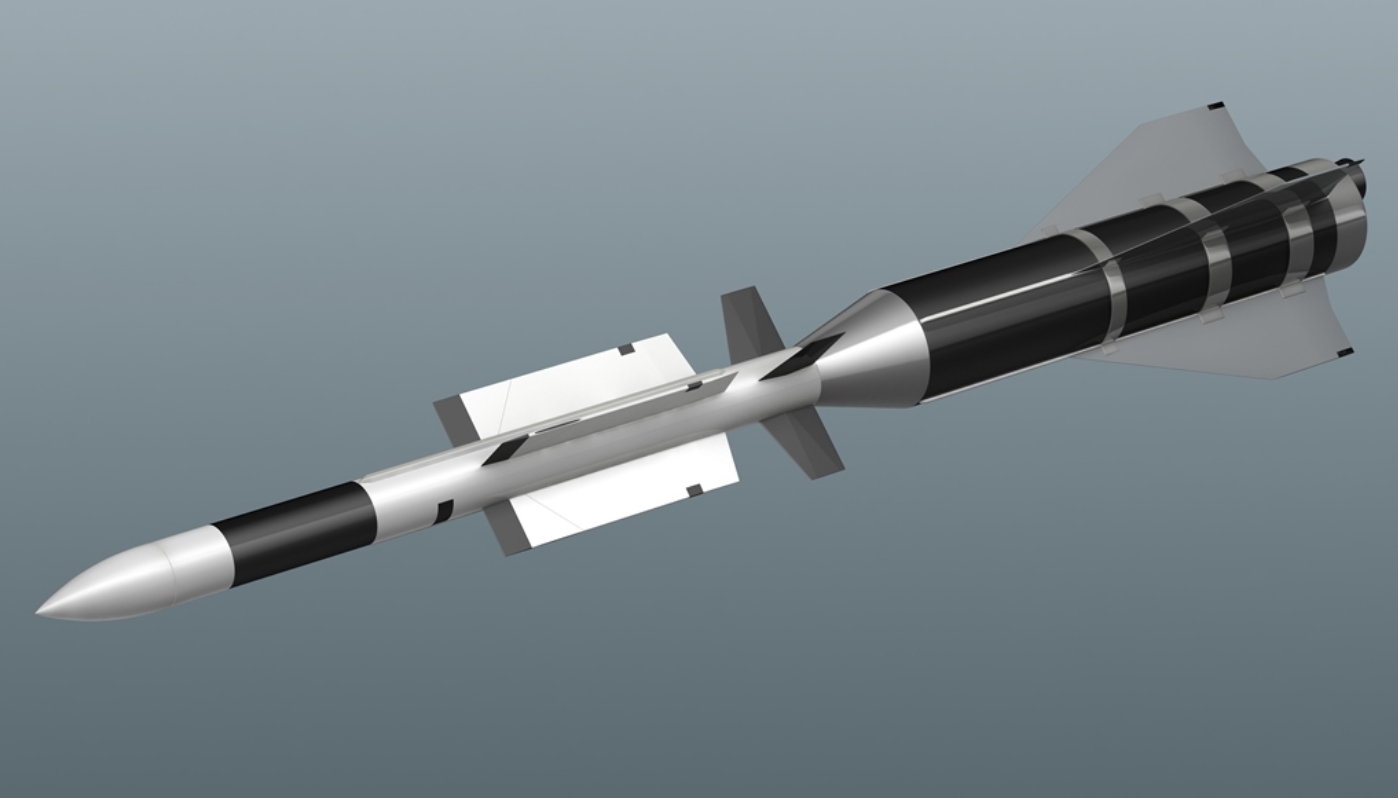
The destroyer’s missile armament will include the SAAM-ESD air defense system, Teseo Mk2/E anti-ship missiles, and next-generation missiles from the Aster family.
The new national vertical launch system (VLS) will be capable of firing both surface-to-surface and surface-to-air missiles.
In particular, it will be designed to launch the advanced long-range MBDA Stratus LO cruise missile, Aster Block 1NT missiles, and the future Aquila interceptor, which is being developed as part of the European HYDIS²dp program to counter ballistic and hypersonic threats.
To counter surface and air targets, the ship will be equipped with three 76-mm Leonardo Super Rapido artillery mounts armed with DART and Vulcano ammunition.
Close-in defense will be provided by four 30-mm Lionfish combat modules. In the future, two of them are planned to be replaced with directed-energy laser systems. Initially, these systems will be used to counter drones and asymmetric threats, and later, more powerful systems for intercepting missiles are planned to be developed.
To counter submarines, the NG DDG will be equipped with a bow-mounted medium-frequency hydroacoustic station, a towed passive hydroacoustic antenna, and two triple-tube torpedo launchers for MU90 light torpedoes.
AW101 or NH90 helicopters will also be capable of launching MU90 torpedoes and Marte ER anti-ship missiles.

The ship will have two side stations for launching and recovering watercraft. They will be adapted to operate with RHIBs used by special operations forces and unmanned surface vehicles (USVs).
In addition, the destroyers will be prepared for the installation of 9-meter unmanned surface vehicles, which Fincantieri is developing for the FREMM EVO frigates and other ships of the Italian Navy.
Підтримати нас можна через:
Приват: 5169 3351 0164 7408 PayPal - [email protected] Стати нашим патроном за лінком ⬇
Subscribe to our newsletter
or on ours Telegram
Thank you!!
You are subscribed to our newsletter