





Popular

Russia is working on deploying a constellation of low-Earth orbit satellites to control “heavy drones.” This likely refers to the Rassvet communication system from the Bureau 1440.
This was stated by Russian President Vladimir Putin.
“Perhaps such work is ongoing. By 2023, the first satellites capable of performing the tasks you mentioned will already be in space. In 2024-2025, this work will continue,” he said.
According to him, the system is comparable to Starlink and “may even surpass it in some respects.” The current focus is on expanding the satellite constellation and increasing production capacity.
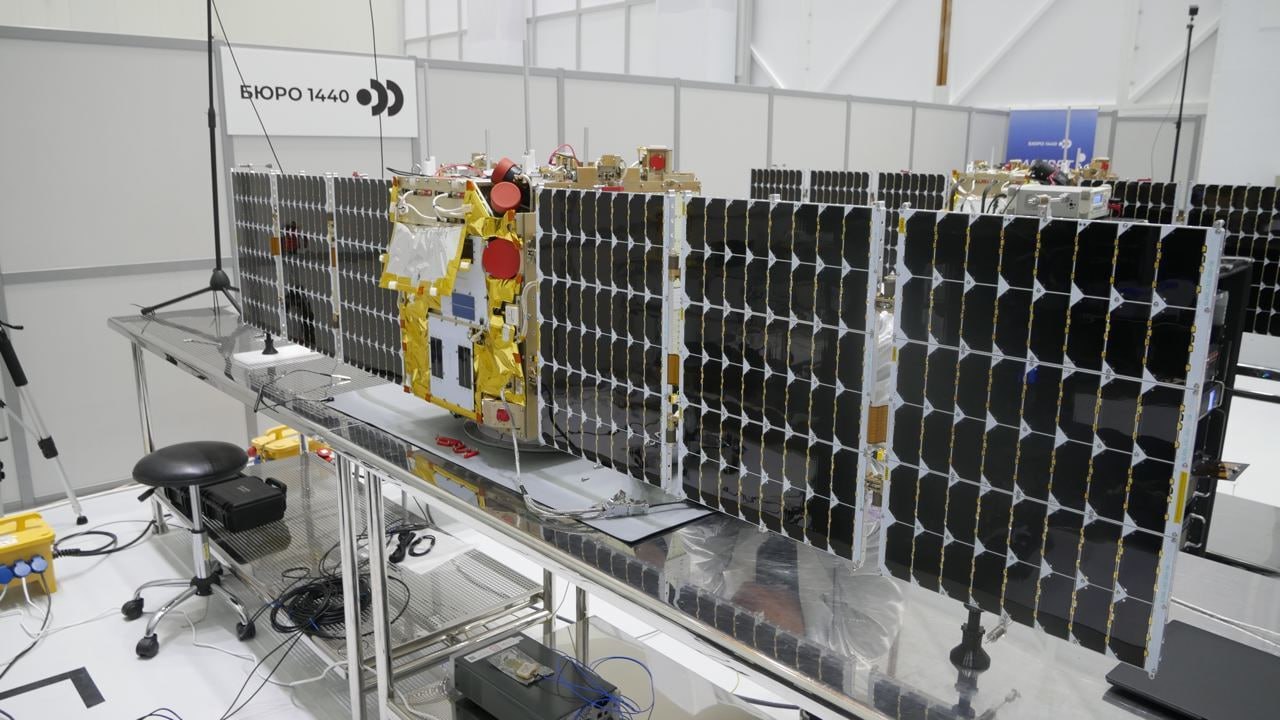
Launch dates point to the Rassvet communications system: the first three satellites in the constellation were launched from the Vostochny Cosmodrome in 2023. They became part of the Rassvet-1 mission and were launched into space alongside other Roscosmos spacecraft.
They were intended not for full-scale network operation, but for testing: to verify data transmission, communication stability, and the behavior of the spacecraft in orbit.
In May 2024, as part of the Rassvet-2 mission, three more satellites were launched from the Plesetsk Cosmodrome. These satellites were larger than the previous ones and were already fully-fledged prototypes of production models. In particular, they tested satellite communication equipment supporting the 5G NTN (non-terrestrial network) standard, as well as laser communication links between satellites. On March 23, 2026, with a delay of approximately three months from the original schedule due to production issues, Bureau 1440 announced the launch of 16 satellites into orbit, which will form the basis of the future Rassvet communications system.
The Russian federal project “Internet Access Infrastructure” calls for the phased deployment of the Rassvet system: 156 satellites in 2026; 292, which will allow for the full launch of commercial service, in 2027; and 318 in 2028. It has been stated that by 2035, the company could launch over 900 satellites into low Earth orbit if necessary.
Given the delay in launching the first batch, the deployment schedule is likely to be pushed back slightly. However, even the initial implementation of the plans for 2026-2027 will allow the Russian military to once again have reliable “Starlink-like” communications at its disposal.
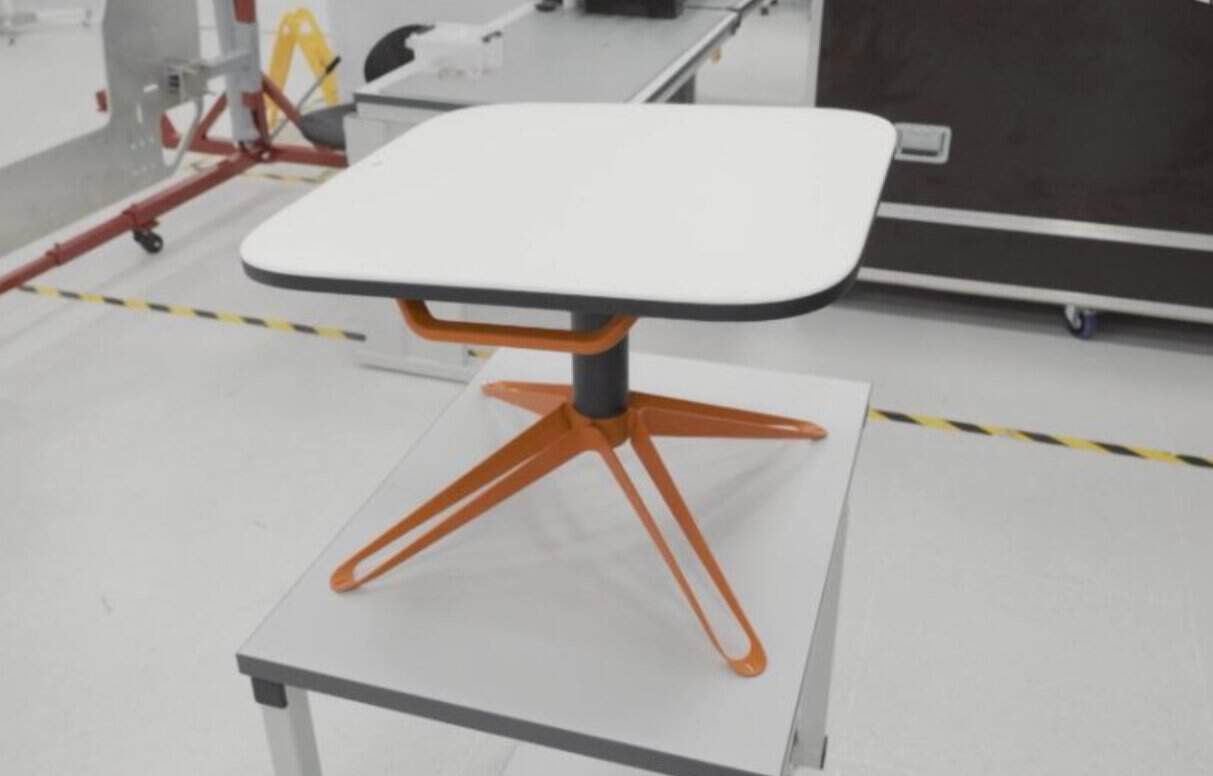
Like Starlink terminals, Russian ones are based on active phased array (APAR) technology, which allows the terminal to automatically establish and maintain a connection. According to publicly available data, the company has already completed development of the basic version of the terminal and is preparing to launch mass production.
It is also known that Bureau 1440 is developing an aviation-grade subscriber terminal to provide internet access on board aircraft and has already unveiled a prototype terminal for trains capable of operating at speeds up to 400 km/h.
For more details on this communication system, read our special report “Russian Rassvet Satellite System: Strategic Threat to Ukraine and the Democratic World”.
Підтримати нас можна через:
Приват: 5169 3351 0164 7408 PayPal - [email protected] Стати нашим патроном за лінком ⬇
Subscribe to our newsletter
or on ours Telegram
Thank you!!
You are subscribed to our newsletter