



Popular
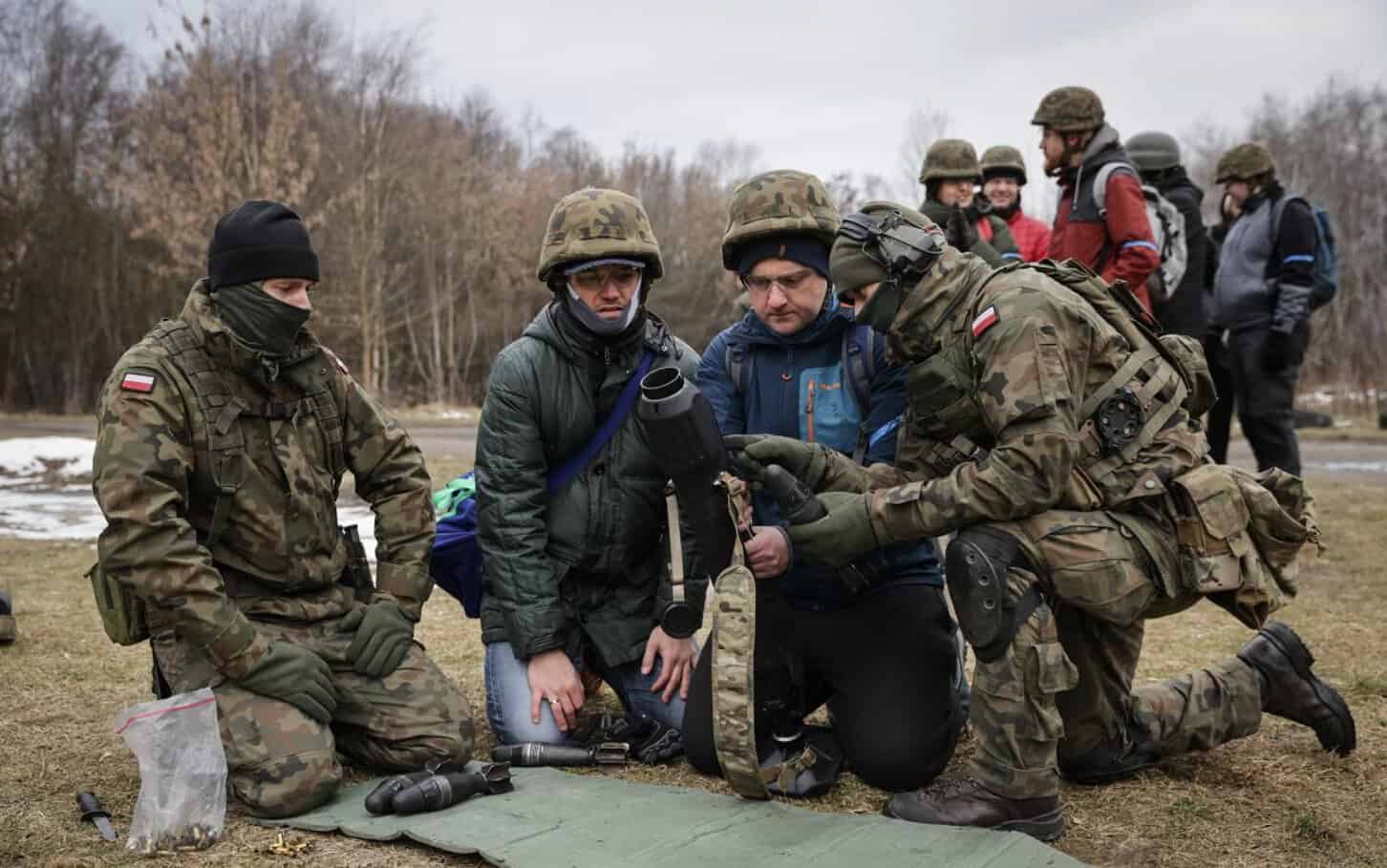
The IBRiS think tank has published a social survey comparing Poles’ attitudes toward war from 2023 to 2026.
This was reported by InfoSecurity24.
The report points to a systematic “cooling off” of patriotic sentiments on a personal level and demonstrates a sharp decline in willingness to make the ultimate sacrifice. The percentage of people willing to give their lives for their country has fallen from 27% in 2023 to just 15% today.
Faced with the potential threat of war, Polish society is almost evenly divided on the issue of direct participation in armed conflict: 47% of respondents refused to defend the country, while 44% stated they were prepared to do so.
Changes are also evident in the stated reactions to a potential armed attack. The authors of the report note that since Russia’s invasion of Ukraine, there has been a clear shift from declared combat readiness to actions aimed at protecting family, property, and evacuation. Combat readiness has declined during this time from 30% to 15%.

At the same time, it is worth noting a clear generational divide. The youngest people, aged 18 to 29, show the lowest readiness to fight, with a rate of only 18%. The highest readiness is found among the 40–49 and 50–59 age groups, where the rate stands at about 56%.
Willingness to bear the financial costs associated with national security has also decreased. Acceptance of material sacrifices has fallen from 46% to 36%. At the same time, the number of respondents who say they are not willing to make any sacrifices has more than doubled—from 14% to 30%.
The IBRiS report also highlights the low level of practical preparedness among Polish citizens to act in crisis situations: 81.8% of respondents do not know where the nearest shelter is located.
The report’s authors note that this is the greatest vulnerability of the system identified in the study, as well as evidence of a critical lack of awareness regarding local security infrastructure.
The report also highlights a discrepancy among Poles between their stated willingness to help and their willingness to acquire the necessary skills. Up to 67% of respondents say they are willing to support civil defense during a war. On the other hand, only 36% of respondents intend to undergo specialized training in civil protection and civil defense.
The authors of the study assess that high morale and a stated willingness to act are not linked to active preparation for carrying out specific tasks. This means that society is ready to help, but far less so to acquire the knowledge and skills necessary to function effectively during a crisis.
It is also worth considering the dynamics of the formation of the Polish Armed Forces’ reserve, since, according to Deputy Minister of Defense Cezary Tomczyk, the plan is to train approximately 40,000 reservists by 2026.
At the same time, taking into account educational programs for young people, the total number of people covered by defense training could exceed 300,000.
By 2039, the number of professional soldiers in the Polish Armed Forces will grow to 300,000, and together with reservists—to half a million; these estimates were expressed by Deputy Minister of National Defense Stanisław Wziętek during a meeting of the Sejm Committee on National Defense on June 9, 2026.
Підтримати нас можна через:
Приват: 5169 3351 0164 7408 PayPal - [email protected] Стати нашим патроном за лінком ⬇
Subscribe to our newsletter
or on ours Telegram
Thank you!!
You are subscribed to our newsletter