





Popular
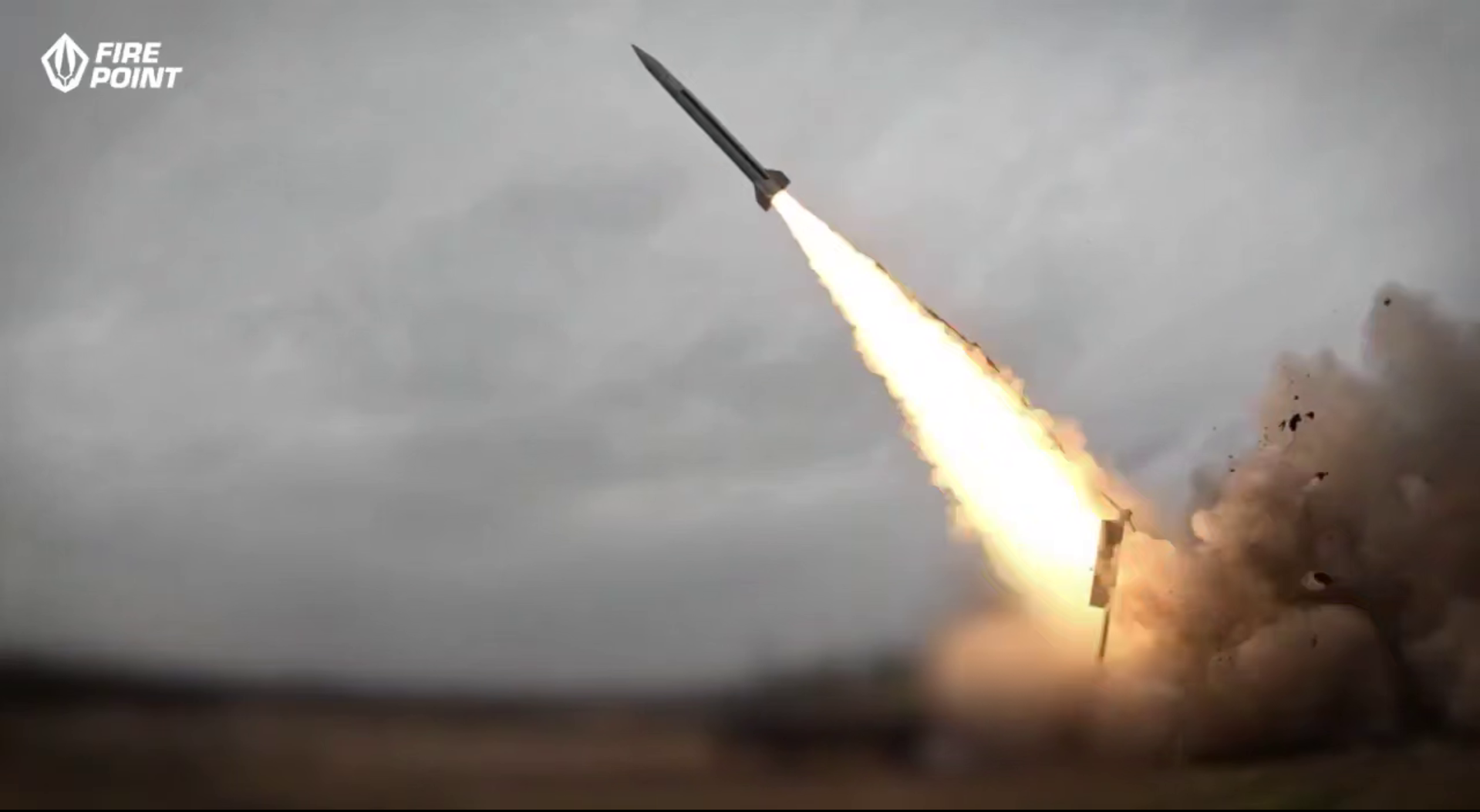
The European Union is considering funding the Ukrainian-European missile defense project Freyja.
Andrius Kubilius, the EU Commissioner for Defence and Space, stated this on September 11, according to the Kyiv Post.
The funding could be provided as part of a €90 billion loan to support Ukraine or through other EU financial instruments.
Among them, Kubilius mentioned the European Defence Industry Programme (EDIP), which provides €1.5 billion in funding.
Ukraine initiated the Freyja project, and it was elevated to the European level in July during a meeting of the Coalition of the Willing in Paris. Ten countries are currently involved in the project.
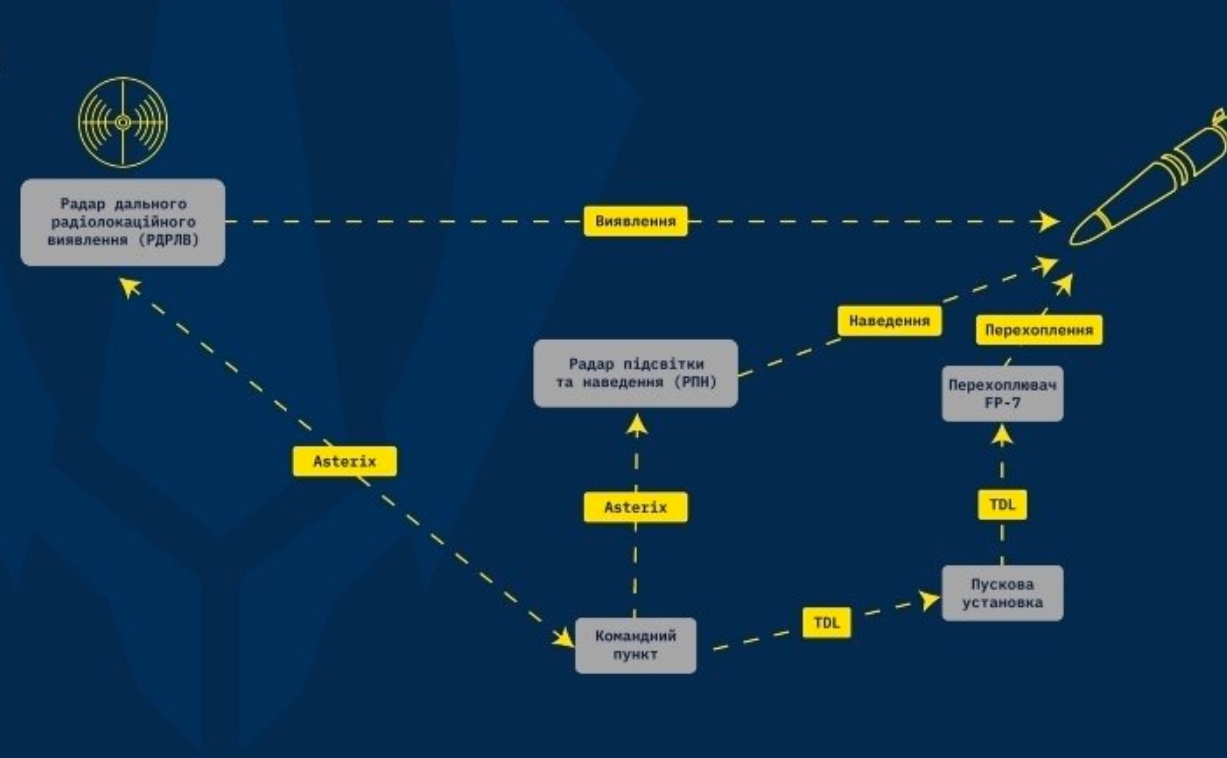
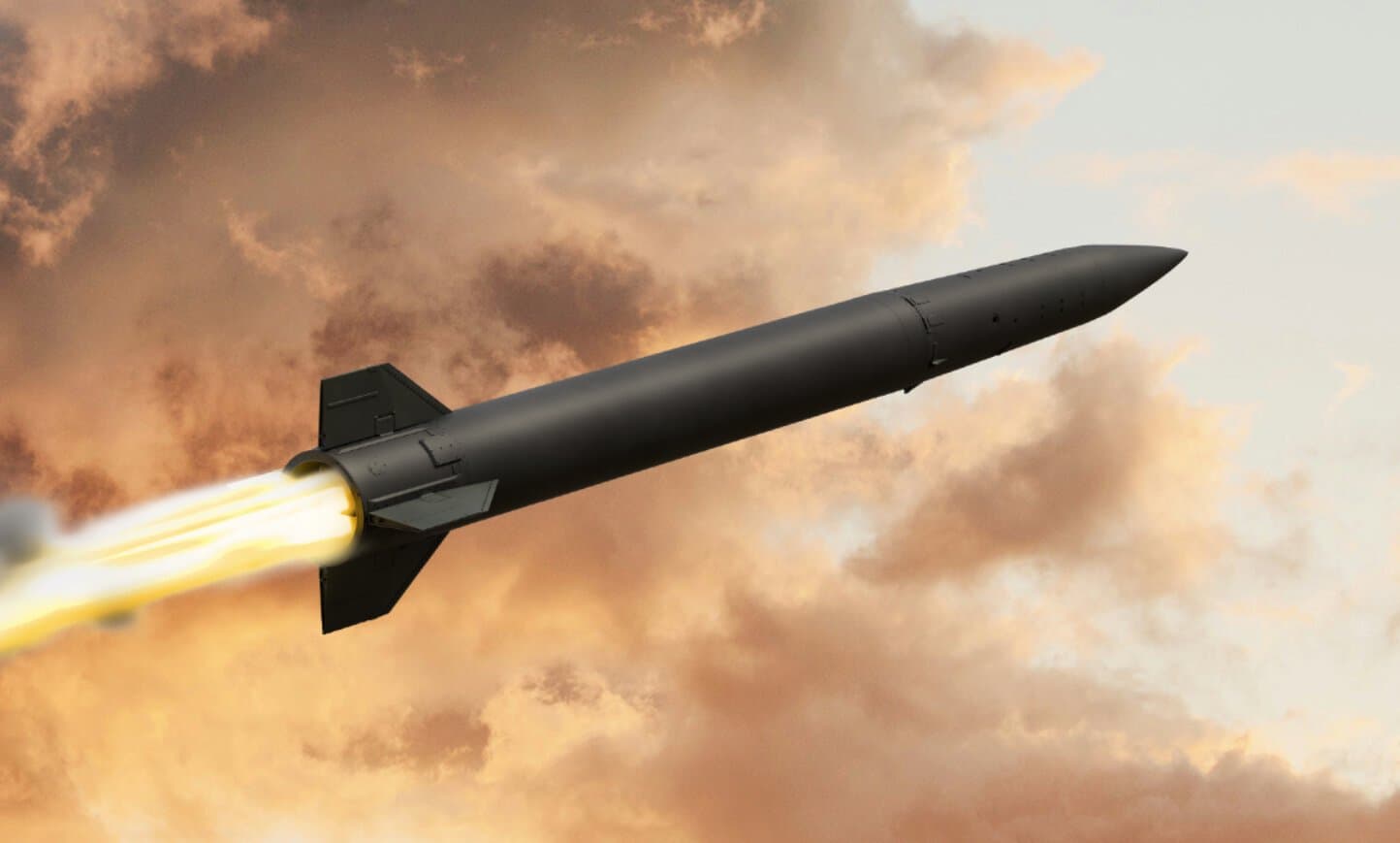
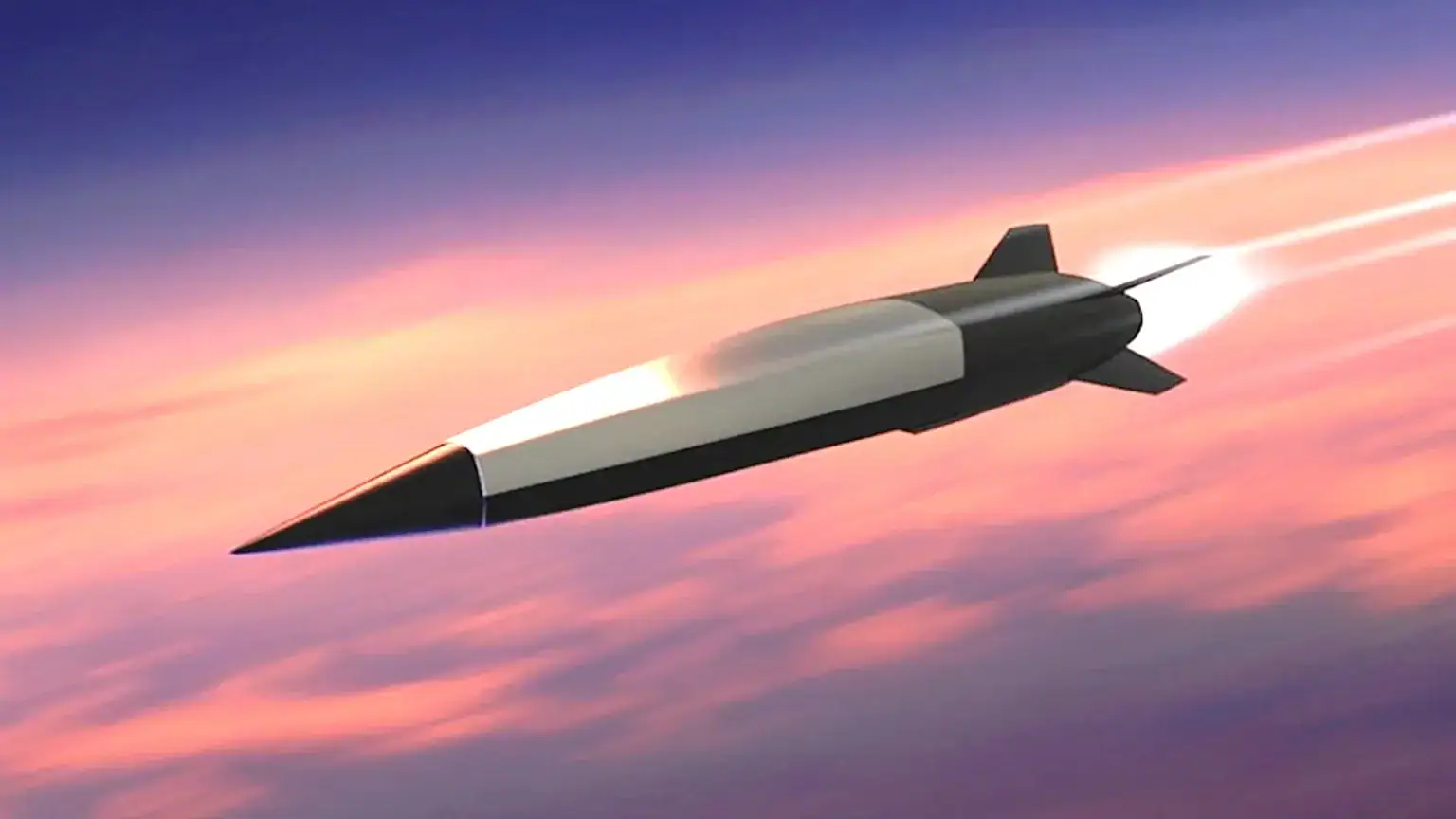
FREYJA is intended to combine existing European missile defense components with a new, low-cost interceptor missile currently being developed in Ukraine.
The companies involved in the project include Ukraine’s Fire Point, Norway’s Kongsberg, Switzerland’s Weibel, Sweden’s Saab, Germany’s Diehl Defense and Hensoldt, France’s Thales and Safran, Spain’s Sener, and Italy’s Leonardo.
Project participants expect to achieve the first results in 2027.
In addition, Ukraine manufactures almost all components of the FP-7 interceptor missile. The only exception is one missile component that is currently sourced from abroad. This approach is intended to simplify production scaling and reduce the project’s dependence on foreign suppliers.
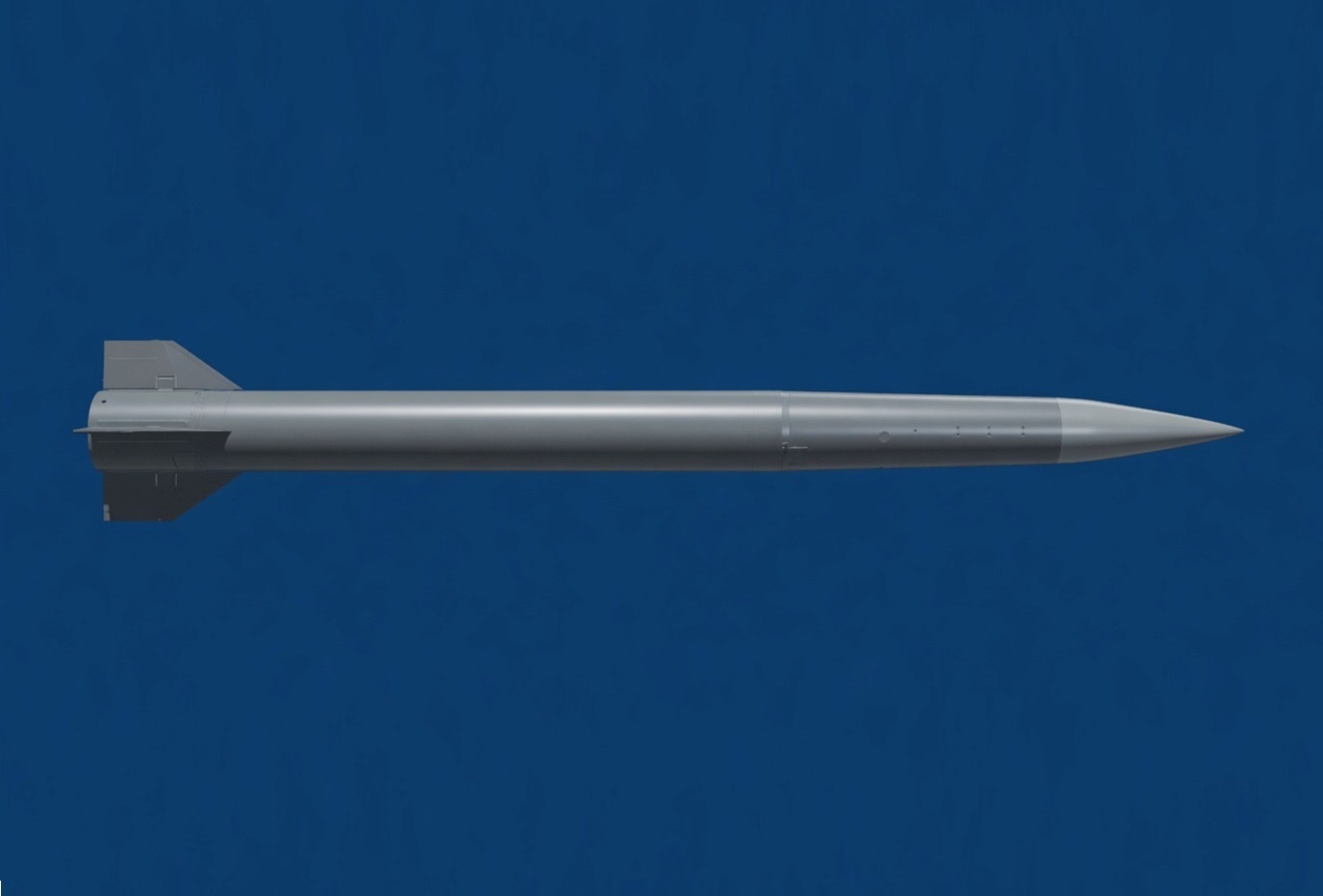
The FP-7 is being developed as a low-cost way to intercept ballistic targets. The missile’s relatively low cost is expected to be one of FREYJA’s advantages compared with expensive U.S.-made interceptor missiles.
The need to develop FREYJA is driven, among other factors, by Europe’s shortage of missile defense capabilities.
European countries have limited stocks of U.S.-made interceptor missiles, and replenishing them takes considerable time. The only European air defense system currently stated to have a ballistic missile interception capability is SAMP/T.
France and Italy currently operate these systems. Meanwhile, Germany, the Netherlands, Sweden, and several other European countries operate U.S.-made Patriot systems.
Despite this distribution, European countries are facing a shortage of interceptor missiles. MBDA currently cannot produce them at the required rate. Meanwhile, the U.S.-made Patriot system, which remains one of the most widely deployed air defense systems in the world, also lacks sufficient production capacity to replenish stocks quickly.
The situation is further exacerbated by the need to prioritize replenishment of U.S. stocks. This is particularly relevant amid the United States’ military operation against Iran, which is increasing demand for interceptor missiles.
Підтримати нас можна через:
Приват: 5169 3351 0164 7408 PayPal - [email protected] Стати нашим патроном за лінком ⬇
Subscribe to our newsletter
or on ours Telegram
Thank you!!
You are subscribed to our newsletter