Popular
Ukraine brought a proposed ‘drone agreement’ to Tallinn, but Estonia did not sign it.
Possible reasons include legal concerns, budget priorities, and Estonia’s focus on developing its own anti-drone technology sector, according to The Baltic Sentinel.
Meanwhile, Latvia signed the agreement. According to the Ministry of Defense of Latvia, the agreement is planned to last for ten years.
Latvia plans to spend about €110 million in the first two years of the agreement. However, all spending will still need further approval from both the government and parliament.
Some of this money may be used to buy Ukrainian systems for countering drones, surveillance equipment, and related command-and-control systems.
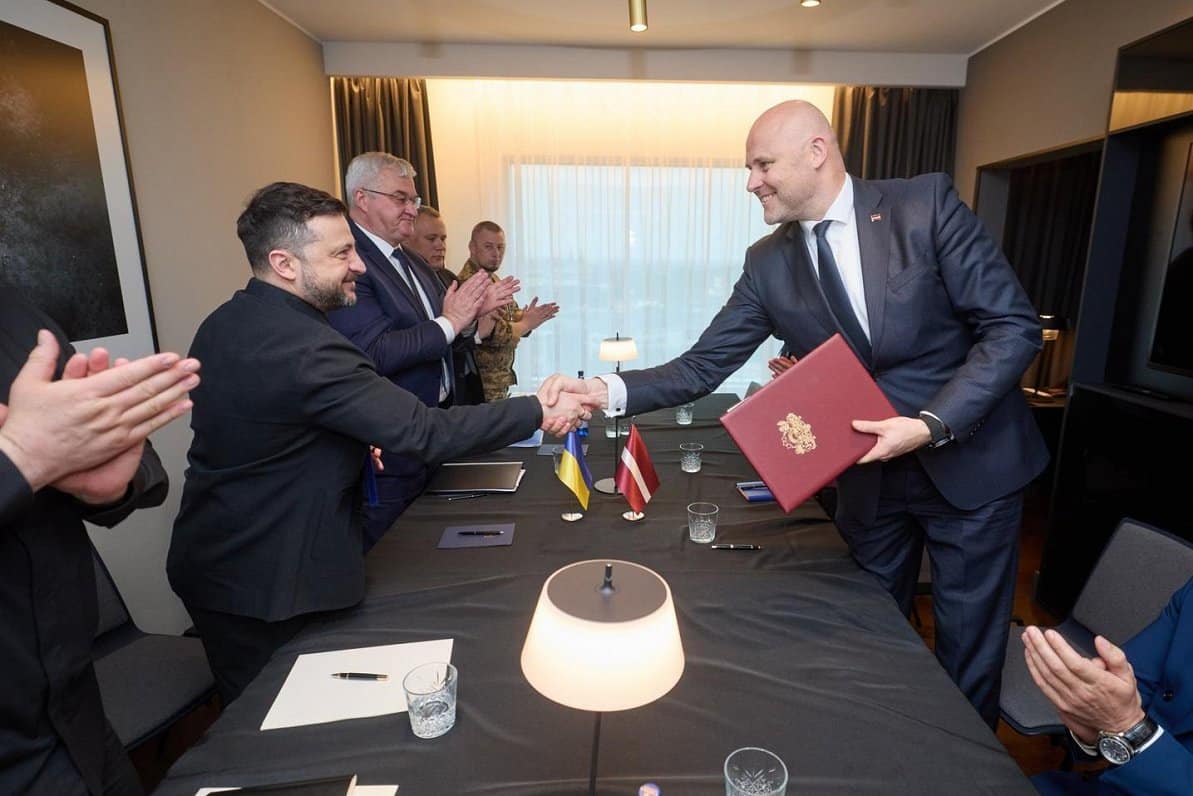
Despite its common name, the so-called ‘drone agreement’ is actually a broader defense cooperation document. Unmanned systems are defined only as one of the short-term priorities.
Previously, Estonia and other Baltic states had already shown interest in Ukrainian technologies for countering drones. Official explanations from the Ministry of Defense of Latvia also indicate that Ukraine has allowed the export of military products.
According to public explanations, Estonia was not ready to sign the document in Tallinn due to a lack of sufficiently prepared preliminary information.
In addition, the agreement includes provisions on long-term financial commitments that could require ratification by the country’s parliament – the Riigikogu.
An additional factor may be Tallinn’s desire to support its own defense industry.
Meanwhile, this does not necessarily contradict deeper cooperation with Ukraine, as the agreement could potentially encourage the creation of joint ventures.
Estonia already has its own ecosystem of counter-drone technologies, which is gradually developing. Several local companies have already supplied their products to Ukraine, tested them in real conditions, or provided them as military aid.
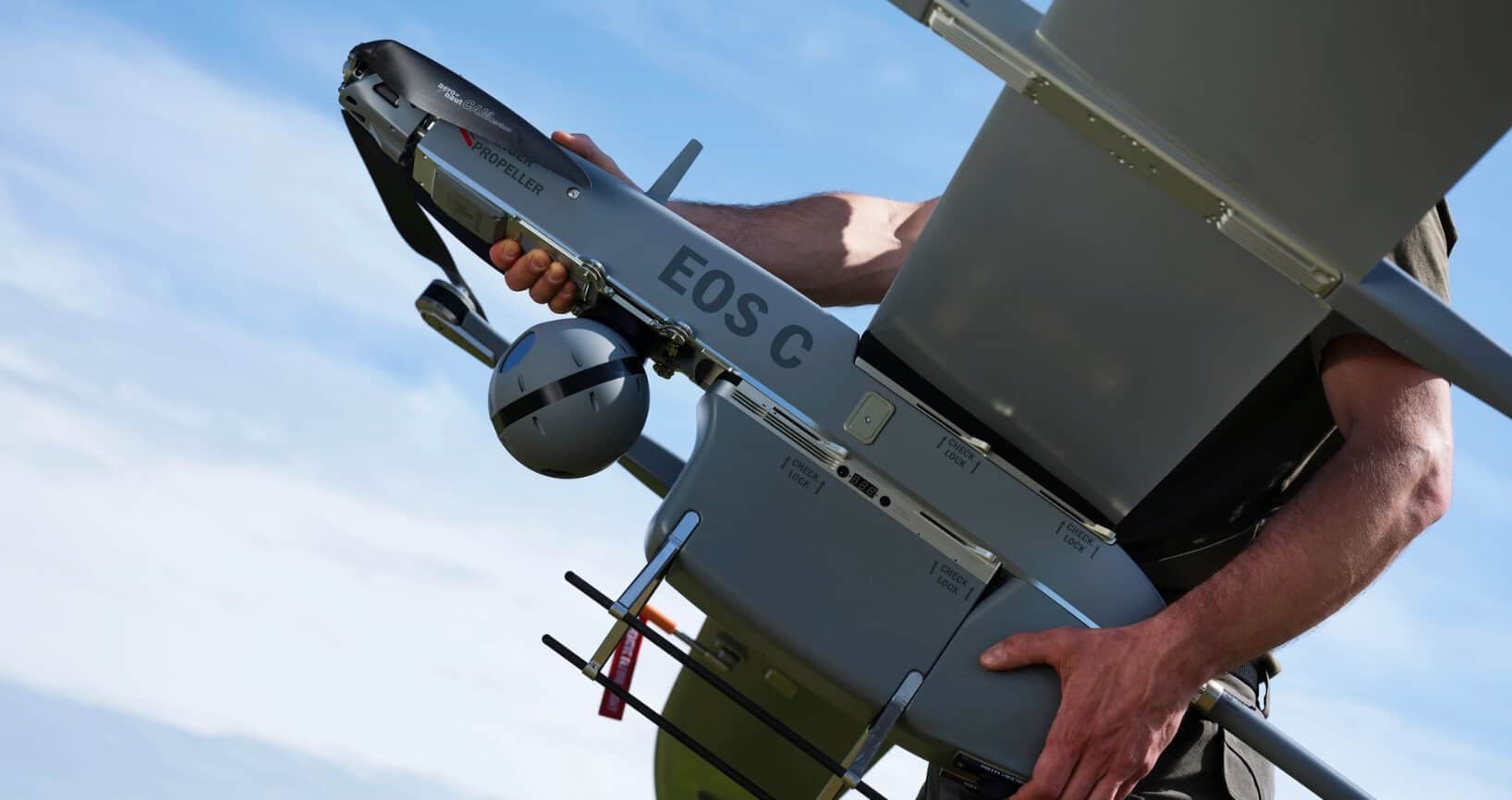
In particular, Threod Systems has provided drones and drone launch systems. KrattWorks has improved its technology based on feedback and experience from Ukrainian military forces. Skyfortress is developing mobile anti-drone systems mounted on pickup trucks equipped with heavy weapons.

The company DefSecIntel is also developing integrated mobile solutions for countering long-range drones, while Frankenburg Technologies is preparing to test a low-cost interceptor missile in Ukraine. In addition, cooperation between Ukrainian and Estonian companies is already underway in the production of strike drones, interceptor drones, and electronic warfare systems.
Against this background, Estonia’s cautious approach may be explained not only by legal considerations, but also by a strategic approach to allocating defense resources.
Підтримати нас можна через:
Приват: 5169 3351 0164 7408 PayPal - [email protected] Стати нашим патроном за лінком ⬇
Subscribe to our newsletter
or on ours Telegram
Thank you!!
You are subscribed to our newsletter