





Popular

Ukrainian intelligence has uncovered information about most Russian naval drones.
The unmanned surface vessel (USV) systems highlighted by the Defense Intelligence of Ukraine (DIU) cover a wide range of missions – from reconnaissance, patrolling, and mine detection to strikes against ships and coastal targets, as well as carrying FPV drones.
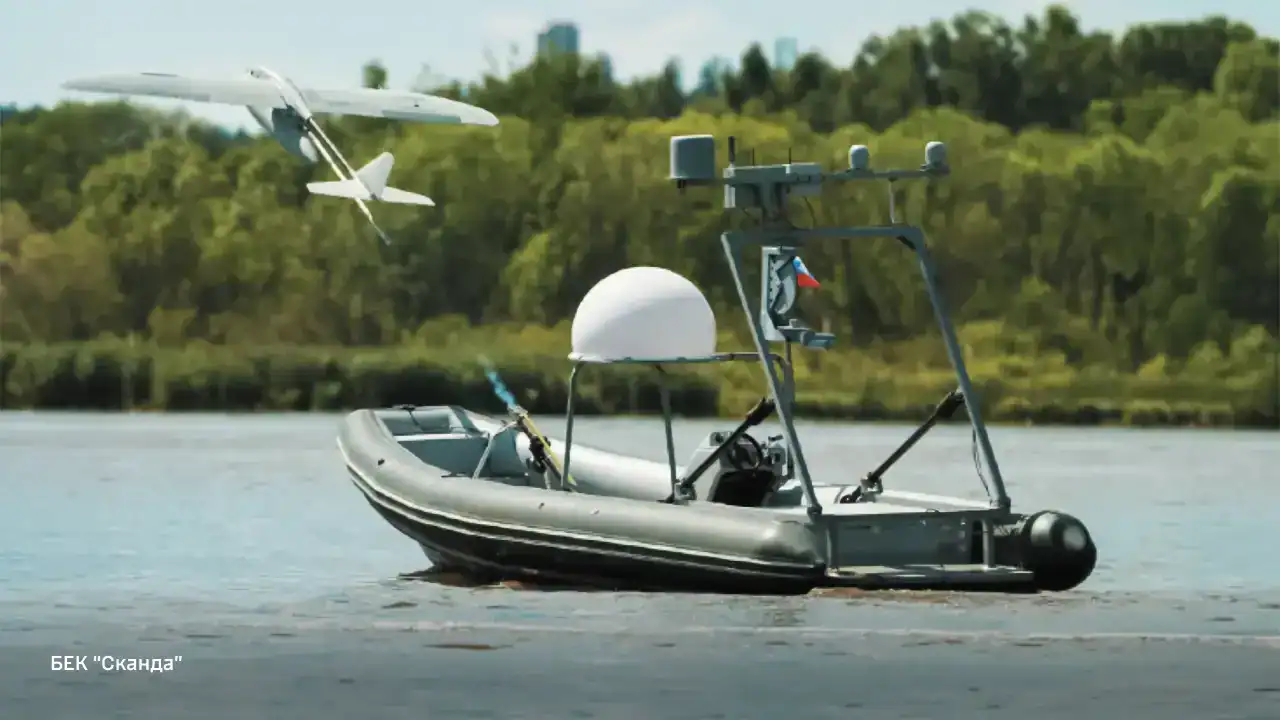
One of the first Russian projects was the Skanda – a USV based on the BL-680 speedboat. Its trials were conducted in Lake Ladoga in 2014 and in occupied Sevastopol in October 2019.
The boat is designed to protect waterways and ships, search for mine-like objects, survey the seabed, and transport cargo. It can cover up to 150 km at a speed of at least 20 knots.
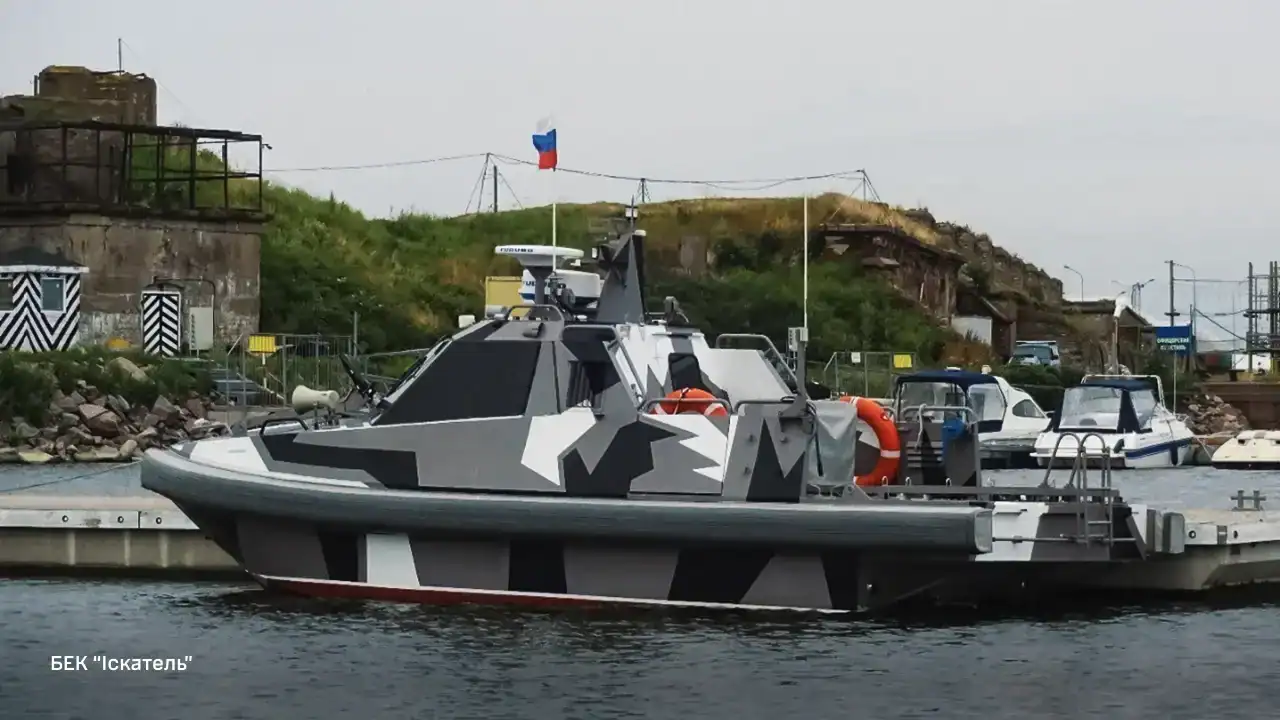
Another Russian system is the Iskatel, first unveiled in 2017. It is designed to monitor the marine environment, survey underwater pipelines, conduct evacuation missions, and perform other operations. The USV has a payload capacity of up to 600 kg, can reach 25 knots, and can operate autonomously for up to seven days.
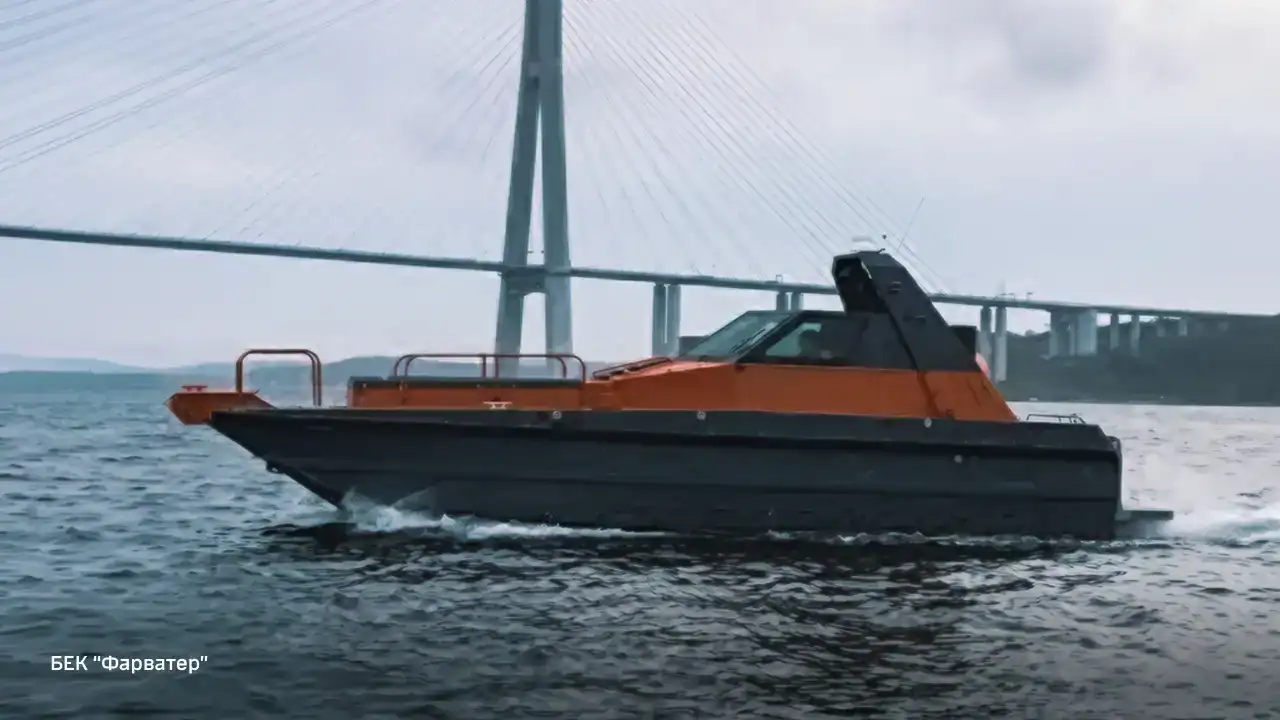
In 2019, the Russians launched the Farvater project. It is a planing catamaran capable of operating both with and without a crew. It is used for search operations, seabed and fairway surveys, cargo transportation, and platform towing. Its stated range is at least 250 km, with a top speed of up to 32 knots.
The Trezubets was developed for maritime surveillance, mine countermeasures, evacuation missions, and patrolling. The 8.6-meter boat is equipped with two 320-hp engines and can reach speeds of up to 30 knots.
At the same time, some Russian developments are already specifically geared toward combat use.

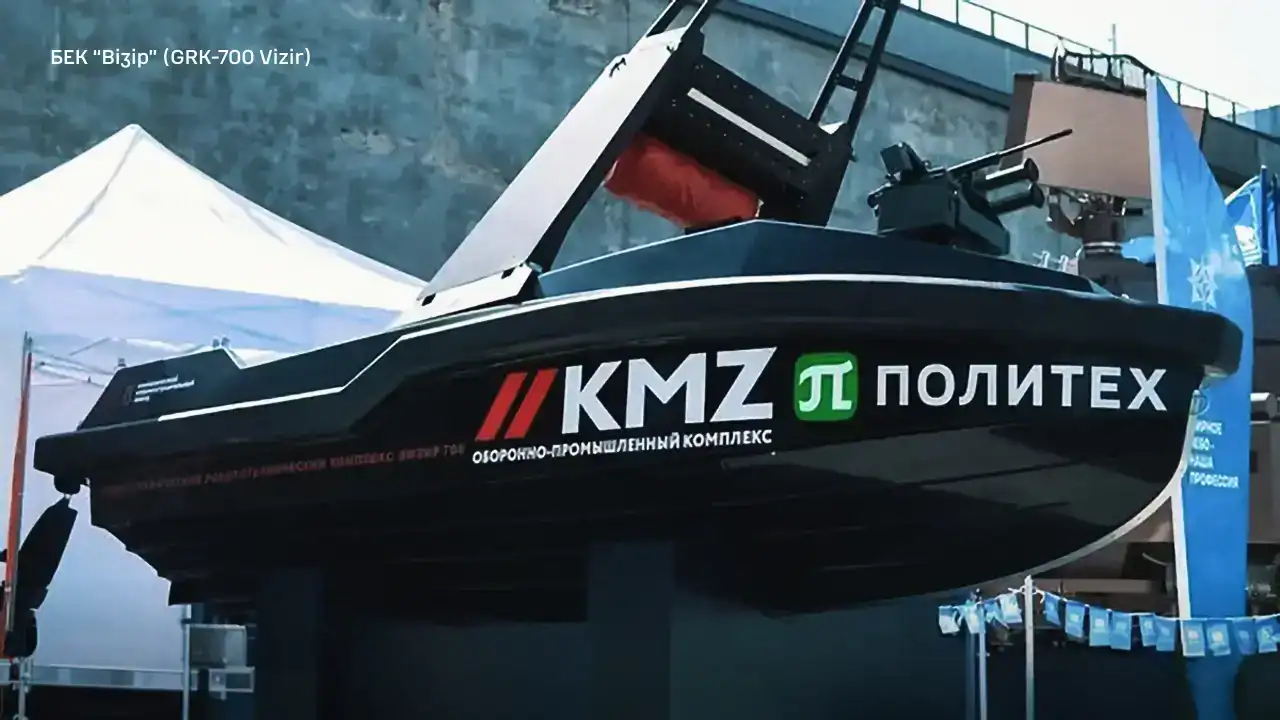
In particular, the Vizir-700 was initially presented as a hydrographic system, but was later positioned as a kamikaze attack boat and a “hunter” of naval drones. It is also suggested to be used for transporting troops and cargo. The USV can carry up to 600 kg of payload and reach speeds of up to 80 km/h. The bow is designed to accommodate a remotely controlled combat module equipped with a machine gun and rocket-propelled grenade launchers. In 2024, the Russians also presented the hydrographic Vizir-2M version.
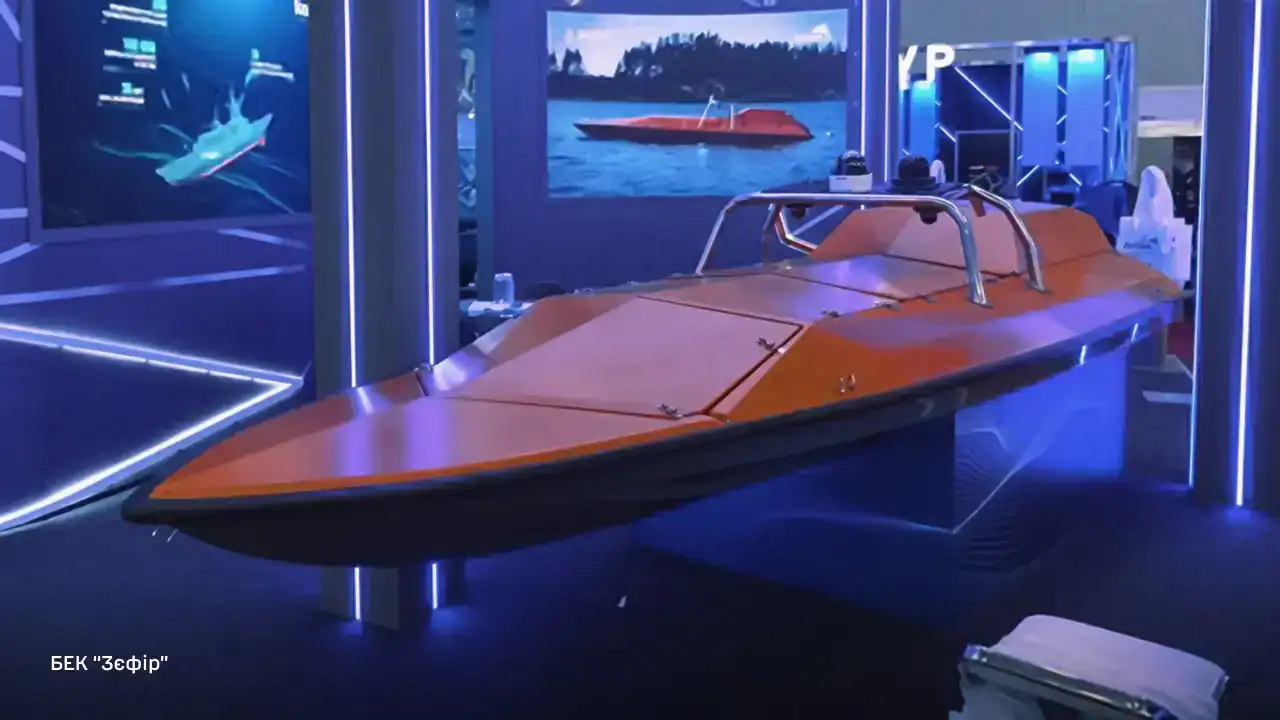
Another multipurpose system is the Zefir/Orkan, developed by Sea Project. While Zefir was unveiled in 2023, it was presented as Orkan in 2024. The system includes a shore-based control station and two boats that can operate as kamikaze vessels, conduct radar missions, or transport cargo. The Orkan has a claimed range of up to 400 km, a top speed of 35 knots, and a payload capacity of up to 400 kg.
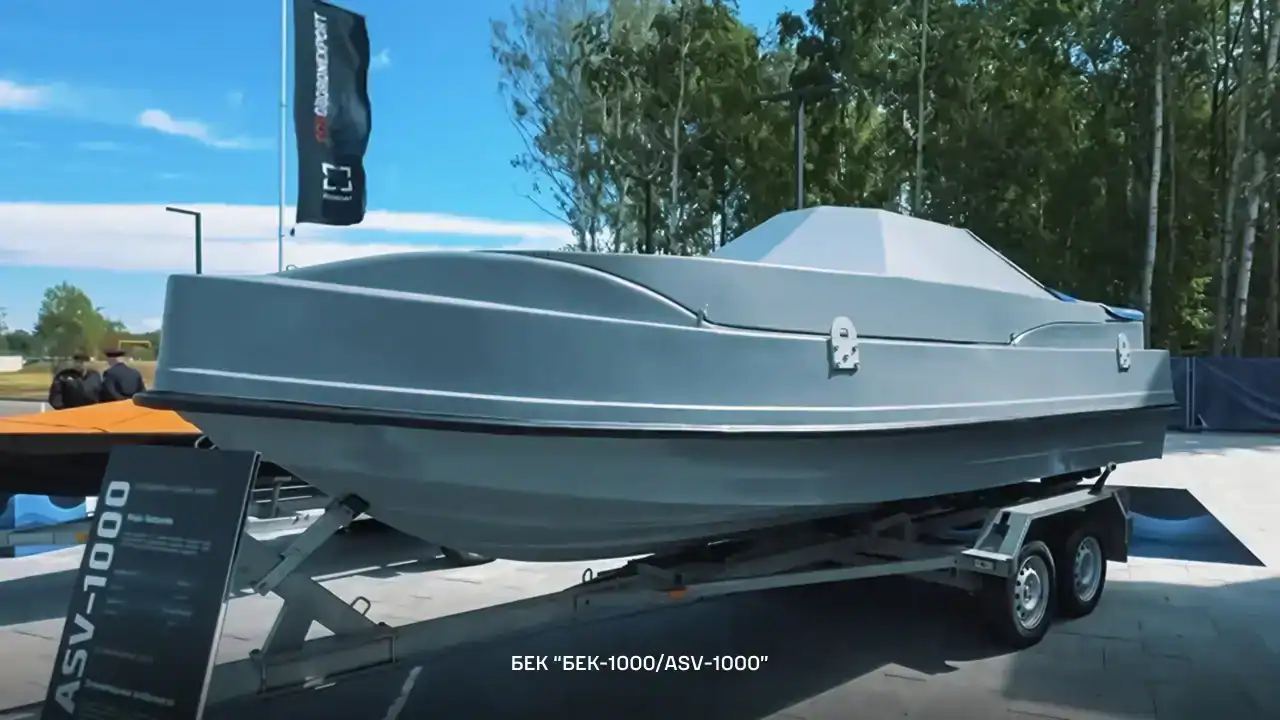
At Fleet-2024, Pella-Fiord also showcased the BEK-1000 (ASV-1000). Russia claims it can carry up to one tonne of payload, travel more than 500 km, and reach speeds of up to 40 knots.
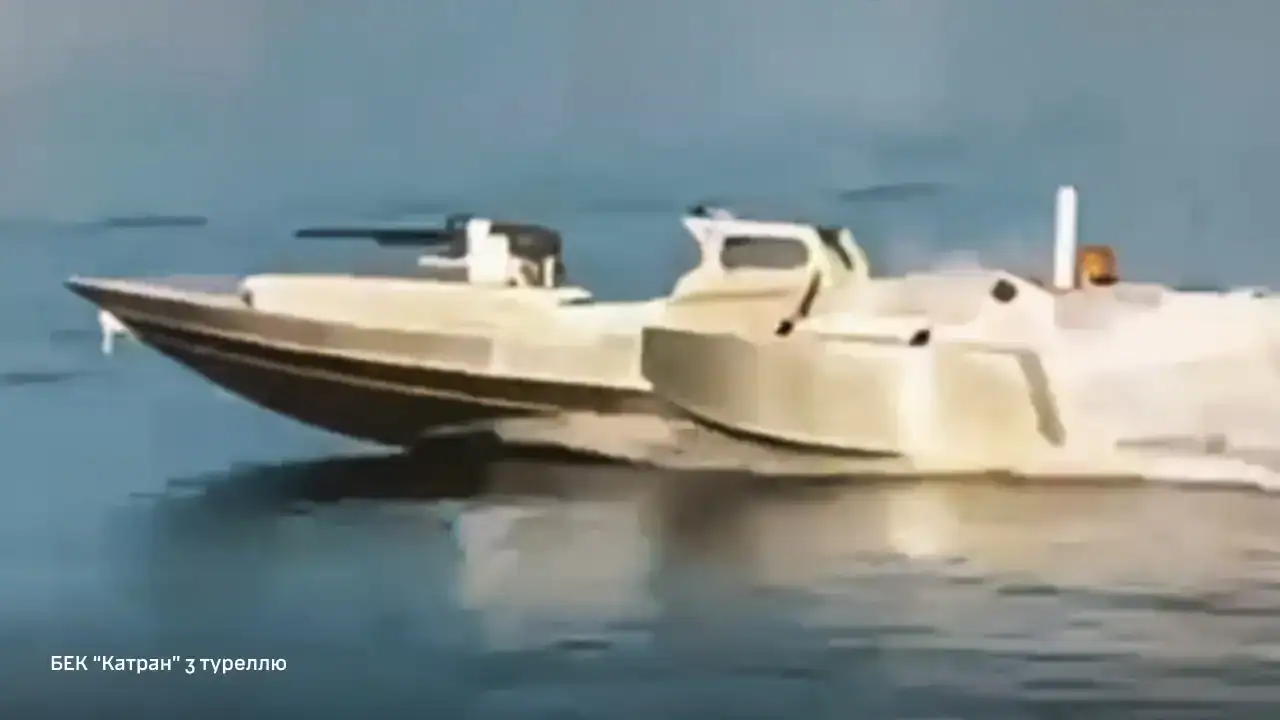
In March 2025, two experimental Katran USVs were delivered to a unit of Russia’s Black Sea Fleet. The Center for Unmanned Systems and Technologies developed them. The boats can be used for patrolling, reconnaissance, radar surveillance, logistics, and striking targets with FPV drones. The Russians also claim they could build a drone-carrier version based on the USVs, capable of delivering dozens of FPV drones over 100–200 km. The DIU has not yet disclosed the full specifications of the Katran.
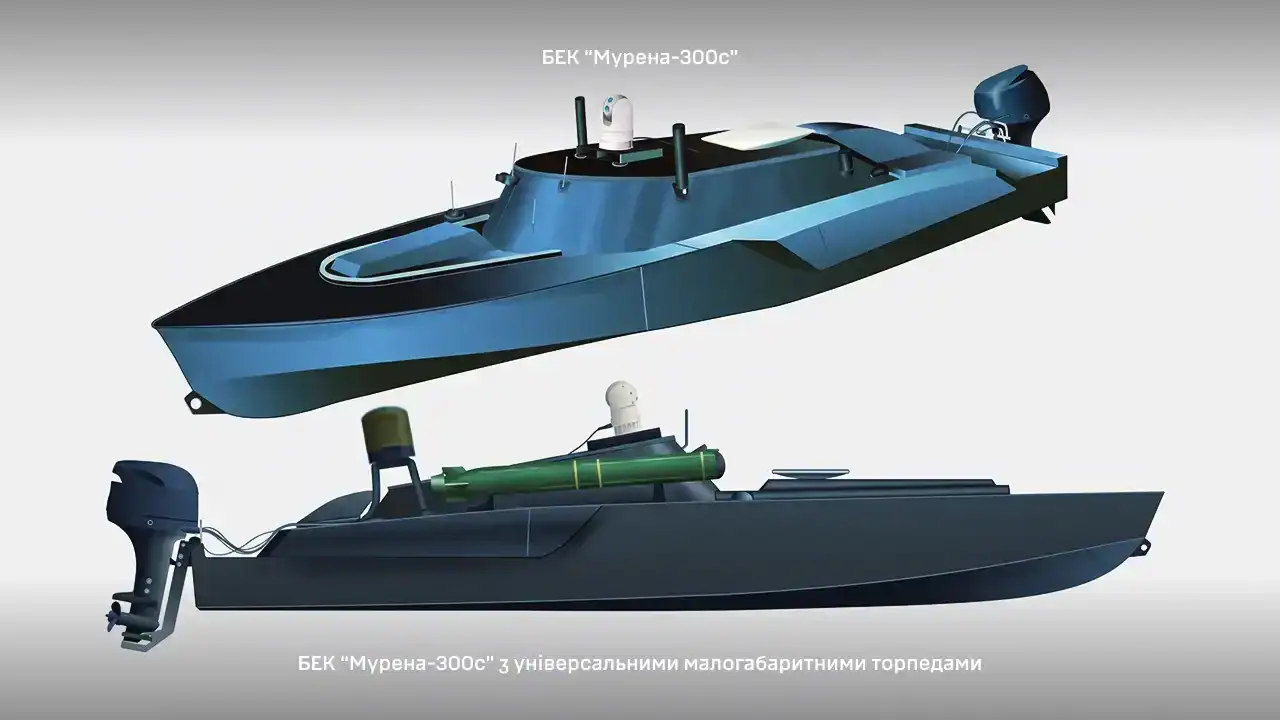
The Russians developed the Murena-300s for reconnaissance, patrolling, electronic intelligence, mining, and demining operations. It can also serve as a kamikaze boat or an FPV drone carrier. The system includes a tethered UAV developed specifically for it. It can rise to an altitude of up to 100m and is powered by the boat. A Starlink antenna was spotted on a demonstration model. Another version features two small torpedoes. The USV’s stated range is up to 500 km.
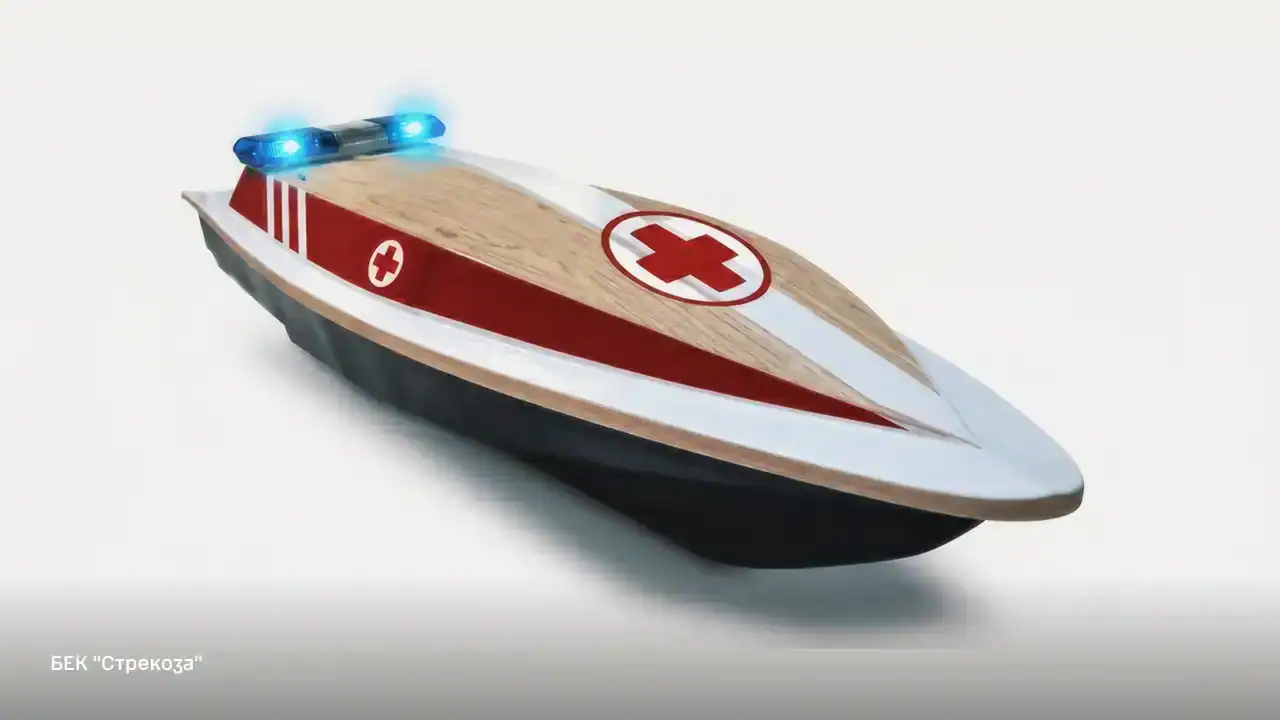
Among Russia’s less specialized developments, the DIU names the Strekoza, intended for search-and-rescue operations and cargo delivery. The boat can carry up to 650 kg and reach speeds of up to 80 km/h.
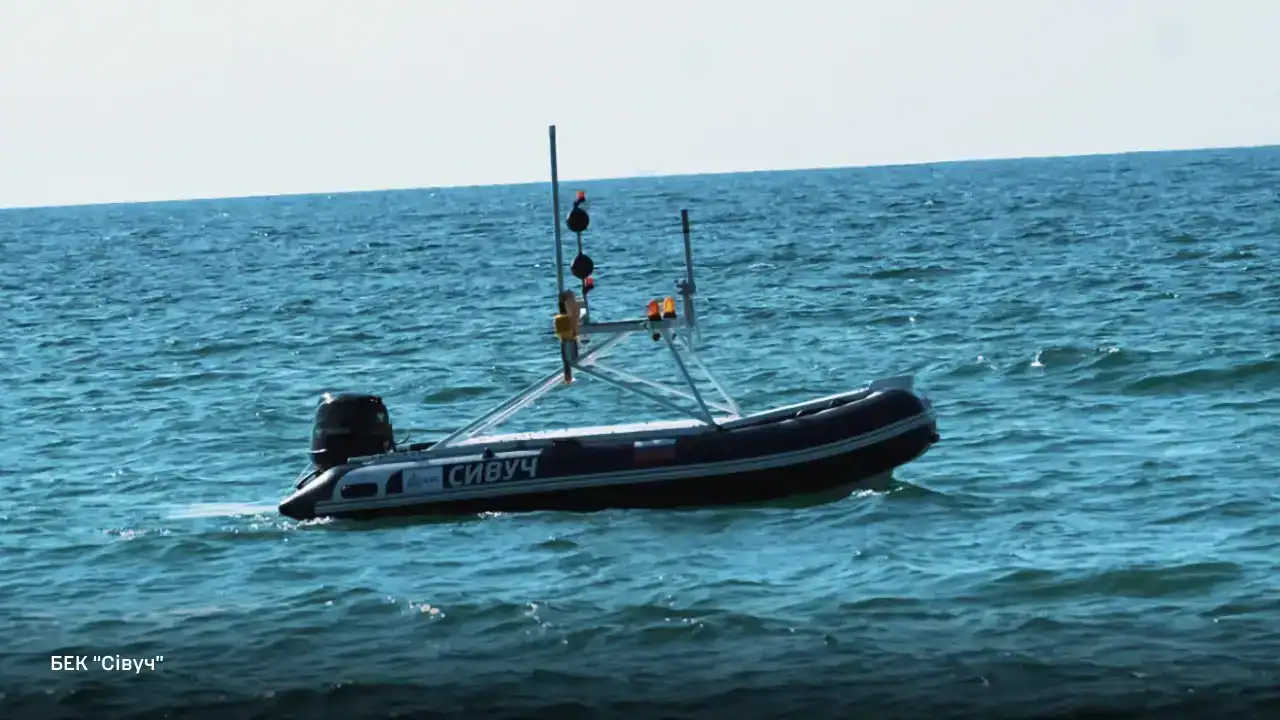
The Sivuch USV, developed by the Tekhnosfera Center in Sakhalin, is designed for hydrographic surveys. Its operating range in remote-controlled mode is 5–15 km.
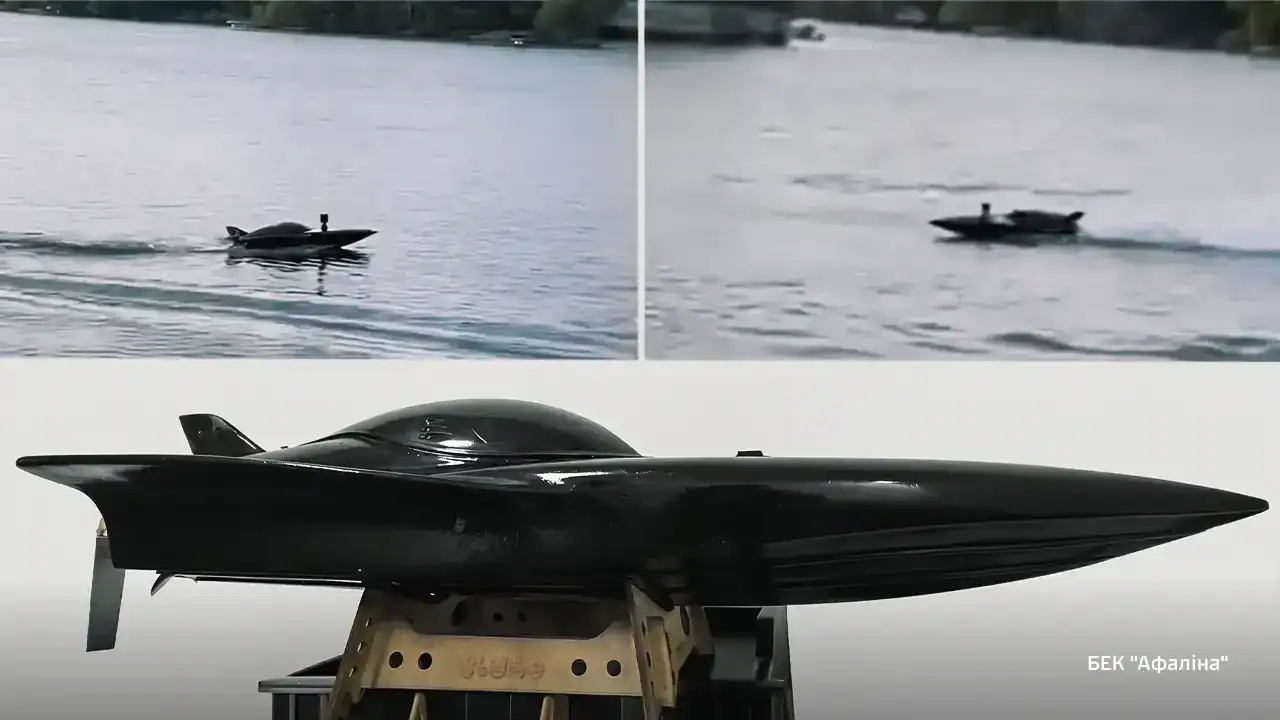
The Afalina was developed for patrolling, search operations, and one-off strike missions. This small USV can carry up to 200 kg and travel up to 500 km.
NAVIS and Kompan Marine are developing the Sardina hydrographic USV. It is designed for seabed surveys and has a payload capacity of up to 750 kg.
Another small craft, the Sargan, was developed by researchers at Sevastopol State University. It is equipped with machine vision and long-range control systems, weighs 20 kg, and can reach speeds of up to 33 knots.

Belarus, Russia, and China are carrying out a separate project. Their “multipurpose unmanned maritime system” consists of one or several high-speed boats and a command post.
It is intended for use in search and rescue operations, fisheries protection, environmental monitoring, and real-time video transmission. Its stated cruising range is up to 500 km, with speeds up to 55 knots.

The DIU also released information about less-known or experimental Russian naval drones. Among them is a wooden kamikaze USV, made of wood and coated with epoxy resin and fiberglass. It can carry a warhead of up to 200 kg.
According to Ukrainian intelligence, a boat of this type might have been used to destroy the drawbridge in Zatoka, Odesa region.
The Marlin, developed at the Baltic Higher Naval School, comes in maritime and river versions with warheads weighing 2 and 1.5 kg, respectively. The maritime version is intended to counter kamikaze boats, while the river variant is designed to engage boats and small craft.

The same naval school is developing the modular Vodyanoy USV. It can be equipped with a hydroacoustic antenna, mine-clearing systems, or a cargo compartment. Versions include a 2.5m model with a payload capacity of up to 40 kg and a 1.4m model capable of carrying up to 6.5 kg.
In temporarily occupied Sevastopol, the Barabulka was developed – a compact USV for search and research operations in port waters. Its body consists of three sections that can be transported by a passenger car and assembled without special equipment.
In addition, at the Army-2024 forum, the Russians presented an unnamed USV designed to carry UAVs, developed by the Nakhimov Naval School and the Shipbuilding Research Institute. The platform is intended to patrol coastal waters and carry out special missions.
Thus, the list published by the DIU shows that Russia is simultaneously developing various classes of naval drones – from small hydrographic platforms to long-range USVs capable of carrying up to a tonne of cargo, FPV drones, or a warhead. In 2025, Russia planned to establish specialized naval UAV regiments within all of its fleets.
The DIU reiterated that companies producing Russian USVs are legitimate military targets for Ukraine’s Security and Defense Forces.
Підтримати нас можна через:
Приват: 5169 3351 0164 7408 PayPal - [email protected] Стати нашим патроном за лінком ⬇
Subscribe to our newsletter
or on ours Telegram
Thank you!!
You are subscribed to our newsletter