






Popular
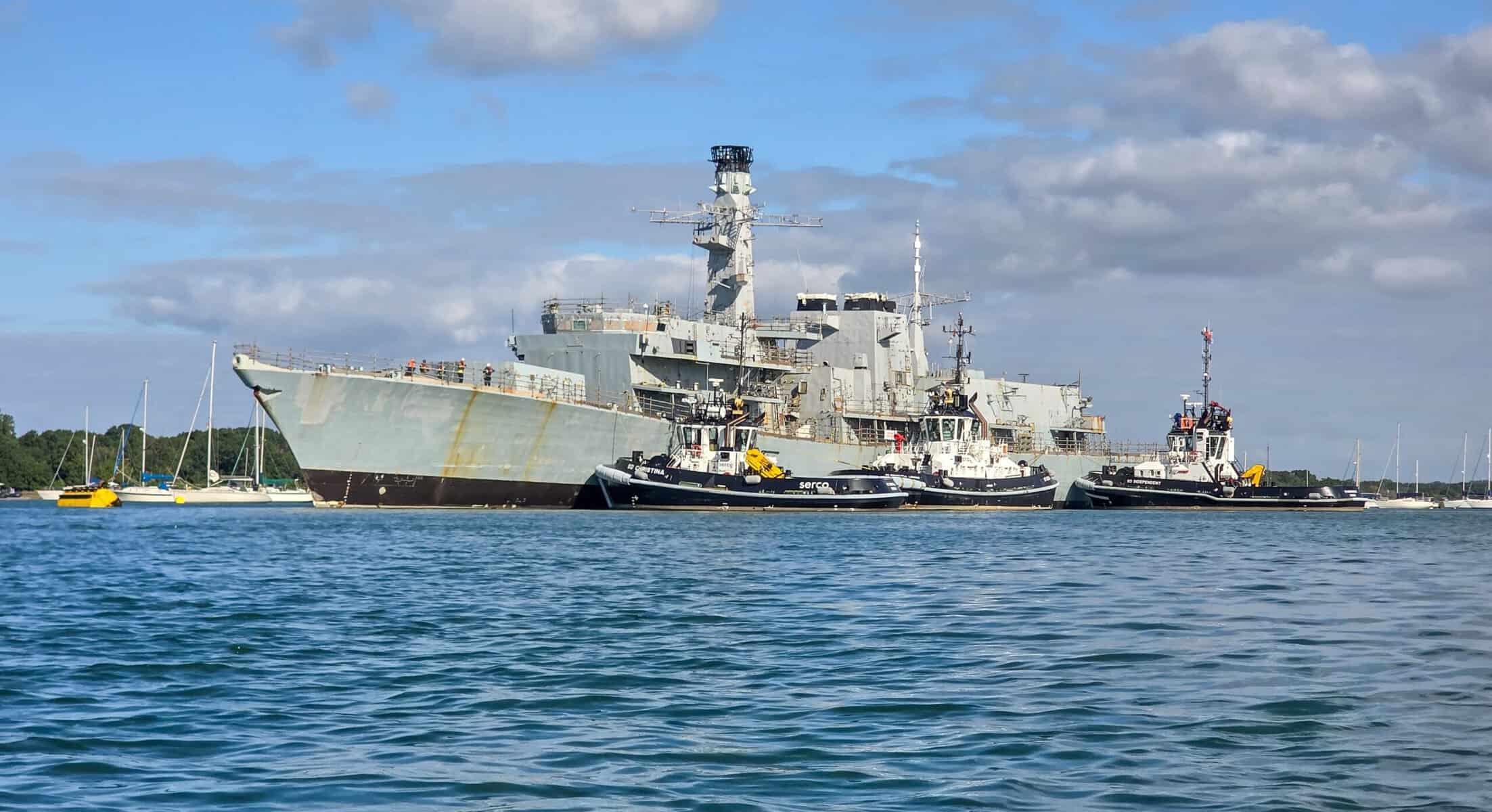
In two years, the Royal Navy has decommissioned nine ships without ready replacements, which has undermined its combat capability.
This was reported by The Sun.
In total, three frigates, one nuclear submarine, two amphibious assault ships, two support ships, and one minesweeper have been decommissioned during this period. Despite the decommissioning, there are currently no ready replacements for these ships, and they are not expected to be available until the 2030s or 2040s.
This leaves the Royal Navy with limited combat capabilities, unable to fulfill its missions to defend the country and participate in joint NATO operations. Former First Sea Lord Admiral Alan West stated that the Royal Navy’s current state is the worst it has been in the last 350 years.
“The number of ships we have is simply pitiful for the tasks facing the fleet,” he said.

Despite the reduced number of ships, the situation is exacerbated by the fact that the vessels are not receiving proper maintenance and remain in dry dock for years at a time. The Astute-class submarine fleet has been hit hardest by the crisis.
Of the five submarines in service, four have been in dry dock for years. The submarines HMS Ambush, HMS Artful, and HMS Audacious have not been at sea for three to nearly four years each, either with inactive status or undergoing extensive maintenance.
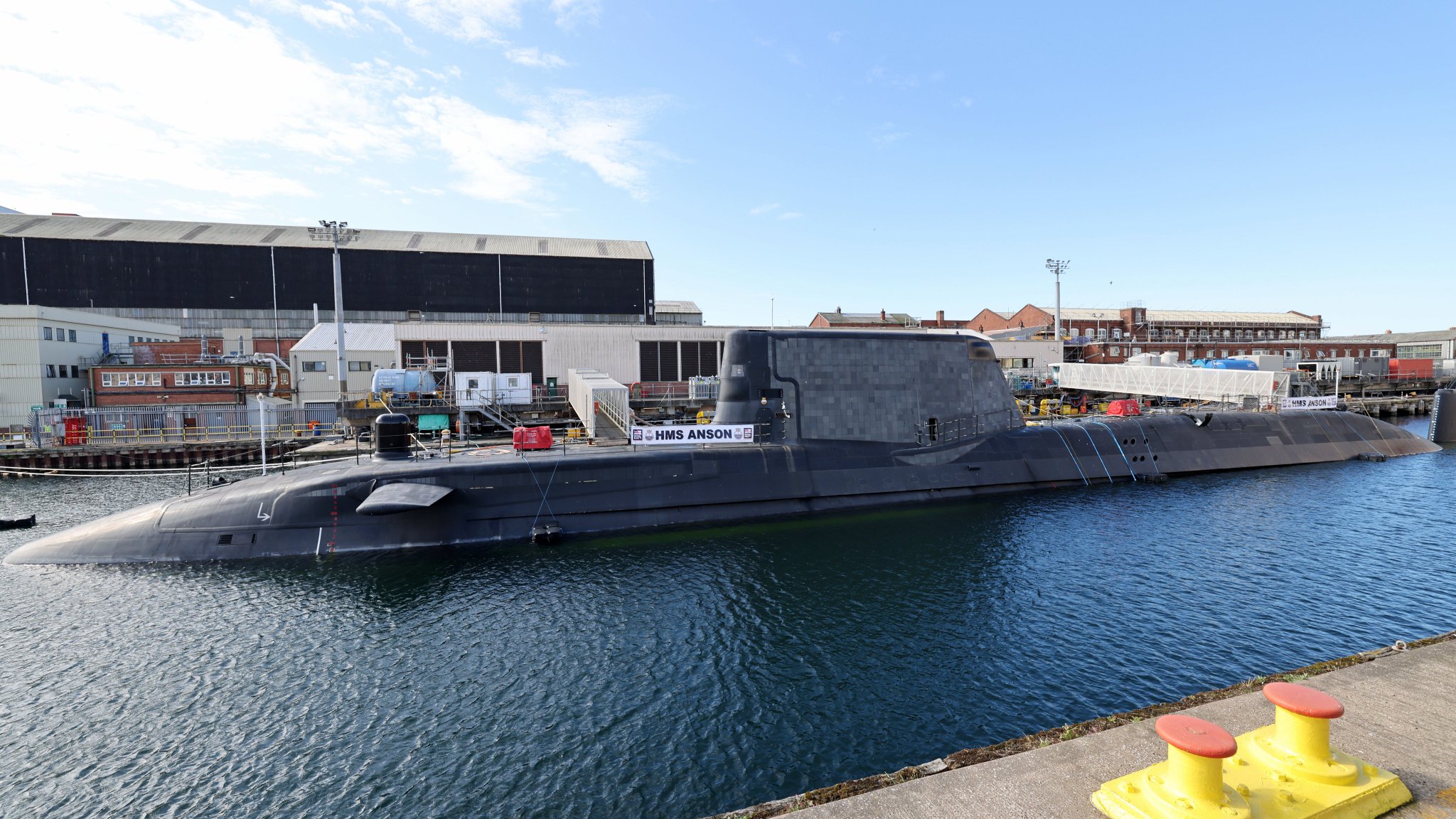
Only the crew of HMS Anson remains operational at the moment; the submarine has just returned from deployment and is once again preparing for maintenance and repairs due to a lack of available dock space.
The Type 45 air defense destroyers face a slightly better, but still difficult, situation. Of the six ships, half are undergoing multi-year modernization. The record holder is HMS Daring, which has been idle in Portsmouth for over nine years.
The British command has deployed only two destroyers of this class: HMS Dragon is patrolling the Arabian Sea, and HMS Duncan is operating near Dundee.
Type 23 frigates also require significant attention. The military is preparing HMS Richmond for final decommissioning, and the leadership has placed HMS Iron Duke on long-term reserve for nearly a year. Meanwhile, the crew of HMS Somerset continues to serve as part of an active deployment.
Two more ships are currently in the English Channel and undergoing intensive training for upcoming missions. The crew of HMS Sutherland is practicing maneuvers, while the crew of HMS St Albans is conducting drills. These ships will soon be able to bolster the fleet’s operational capabilities.
In contrast to the active forces, a significant portion of the frigates require technical repairs or lengthy refits at their home port of Devonport. The most challenging situation has befallen HMS Kent, which is undergoing a major modernization and has not been at sea for over two years. Another frigate, HMS Portland, has encountered technical problems and has been idle in dry dock for more than four months.
Against this backdrop, the fleet’s strike force is operating as planned. The aircraft carrier HMS Queen Elizabeth has successfully completed repairs and is regaining strength at its home port of Portsmouth, while HMS Prince of Wales is carrying out tasks as part of Operation Firecrest in the waters of the North Sea.
This deployment of forces forces the fleet to rely on a minimal number of active combat units to defend national interests. Moreover, forming its own independent aircraft carrier strike group is impossible, which is why British aircraft carriers operate alongside ships from other NATO countries.
In addition to the navy’s immediate challenges, shipbuilding in the United Kingdom remains the most pressing issue. Currently, the country lags significantly behind other European nations in the pace of new warship construction.
A prime example is the Type 26 frigates, which are intended to replace the Type 23 frigates. Their construction is significantly behind the original schedule. The keel-laying ceremony for the lead ship of the series—HMS Glasgow—took place in 2017, yet it is still undergoing final construction. If the fleet receives the ship in 2028–2029, the total construction cycle will be approximately 11–12 years.
HMS Glasgow was launched in 2024, but this did not lead to a noticeable acceleration of work. The ship is currently in a dry dock at the Scotstoun shipyard, where equipment installation, interior work, and preparations for handover to the Royal Navy are underway. At the same time, the timeline may be pushed back again due to regular worker strikes and production difficulties.

A similar situation has arisen with the promising multi-purpose SSN-AUKUS-class nuclear submarines, which are intended to replace the Astute-class submarines. At the same time, the United Kingdom is building Dreadnought-class strategic nuclear submarines to replace the Vanguard-class submarines.
The Vanguard-class submarines have been in service since the 1990s and are increasingly in need of extensive maintenance and repairs. At the same time, the UK’s ship repair infrastructure lacks sufficient dry docks and production capacity to service them in a timely manner.
As a result, some submarines remain in repair for years or are awaiting the start of repairs, which negatively affects the submarine fleet’s combat readiness.
The situation with the Type 31 frigates is even more telling: it took five years to build the lead ship, yet HMS Venturer is still in the final stages of construction.
Підтримати нас можна через:
Приват: 5169 3351 0164 7408 PayPal - [email protected] Стати нашим патроном за лінком ⬇
Subscribe to our newsletter
or on ours Telegram
Thank you!!
You are subscribed to our newsletter