







Popular
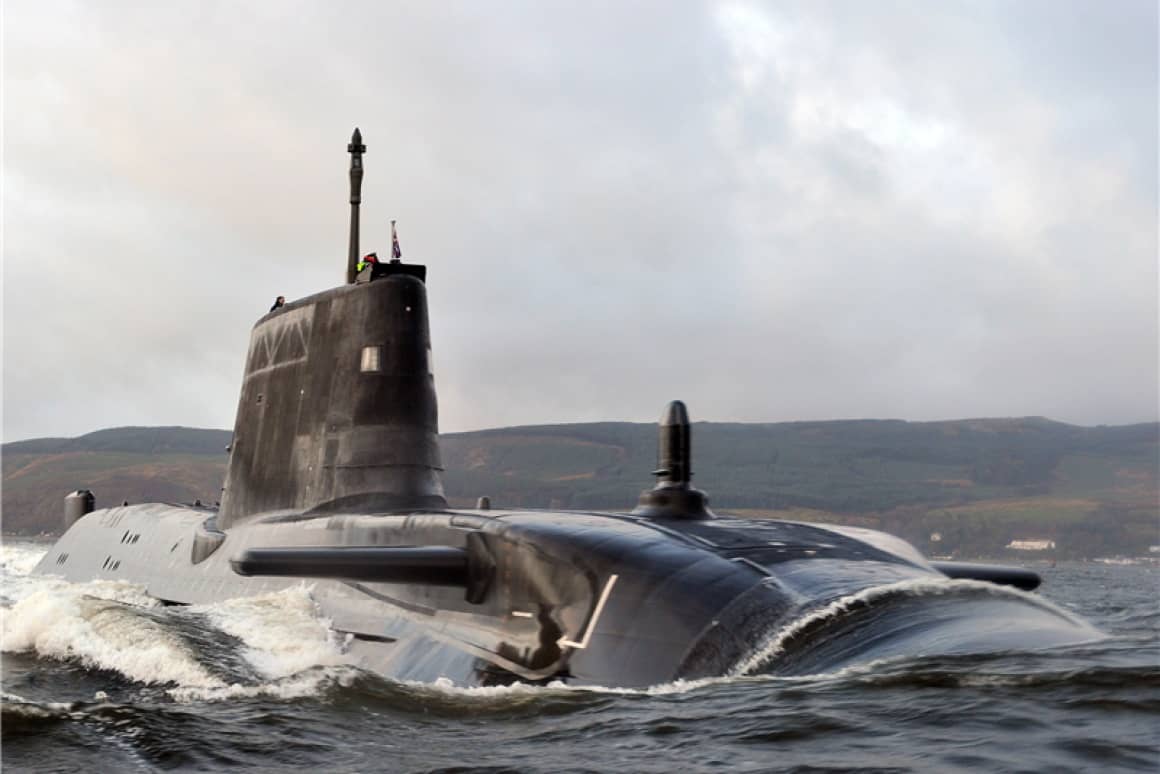
The Royal Navy of the United Kingdom is once again without a single submarine at sea. Due to ongoing operational readiness issues, all available multi-purpose nuclear submarines are currently at their home ports.
This information came to light following monitoring of fleet movements based on open-source intelligence (OSINT), as reported by the publication UK Defence Journal.
A similar situation has already occurred in the British Navy’s recent past. Although individual submarines periodically return to active duty, the overall trend remains unchanged: submarines spend most of their time at their berths rather than on combat patrol.
Currently, the situation is particularly challenging for the newest Astute-class nuclear submarines. Two submarines of this type are effectively out of commission and are stationed at HMNB Clyde (also known as Faslane) on the River Clyde following a prolonged period out of the water.
Two more submarines of the same class are undergoing extensive deep maintenance at HMNB Devonport. This base remains the only facility in the country capable of performing such complex work on ships with nuclear power plants.

The only submarine that recently returned from a deployment is currently awaiting scheduled maintenance at HMNB Devonport and is not on standby for immediate deployment. Another submarine of the class is still undergoing trials, and the last planned Astute-class submarine is still under construction.
The problem lies not in the reliability of the submarines themselves during deployments, but in the complexity of maintaining a nuclear fleet. Since the sole shipyard in Devonport is fully occupied with ensuring continuous strategic nuclear deterrence, there is insufficient capacity to service the multi-purpose submarines.
The situation is compounded by a shortage of dry docks, a lack of spare parts, and a shortage of specialized engineers and submariners. According to available information, at least one submarine had to be partially dismantled for spare parts to maintain the operational readiness of other vessels.
The absence of submarines at sea poses serious risks amid the growing activity of the Russian submarine fleet in the North Atlantic. It is precisely these British submarines that are tasked with monitoring Russian vessels and defending their own strategic missile carriers armed with nuclear weapons.
In addition, multi-purpose submarines are the only platform in the British Armed Forces capable of launching Tomahawk cruise missiles. They are also an integral part of the anti-submarine defense of aircraft carrier strike groups, which currently remains weakened.

There is also a problem with personnel training, as crews cannot hone their skills while the ships are docked in port. The British Navy has already been forced to enlist submarines from allied nations to conduct training courses for its future officers.
Naval command acknowledges the seriousness of the problem and has developed a plan to restore combat readiness, which includes expanding the shipyards in Devonport and creating new docking facilities on the River Clyde. At the same time, the UK Ministry of Defence has assured that the United Kingdom’s territorial waters remain under reliable protection from other available assets in any case.
Підтримати нас можна через:
Приват: 5169 3351 0164 7408 PayPal - [email protected] Стати нашим патроном за лінком ⬇
Subscribe to our newsletter
or on ours Telegram
Thank you!!
You are subscribed to our newsletter