
The Bundeswehr Grows Despite Record Numbers of Service Refusals. Why Is This Happening?
Andrii Sukharov



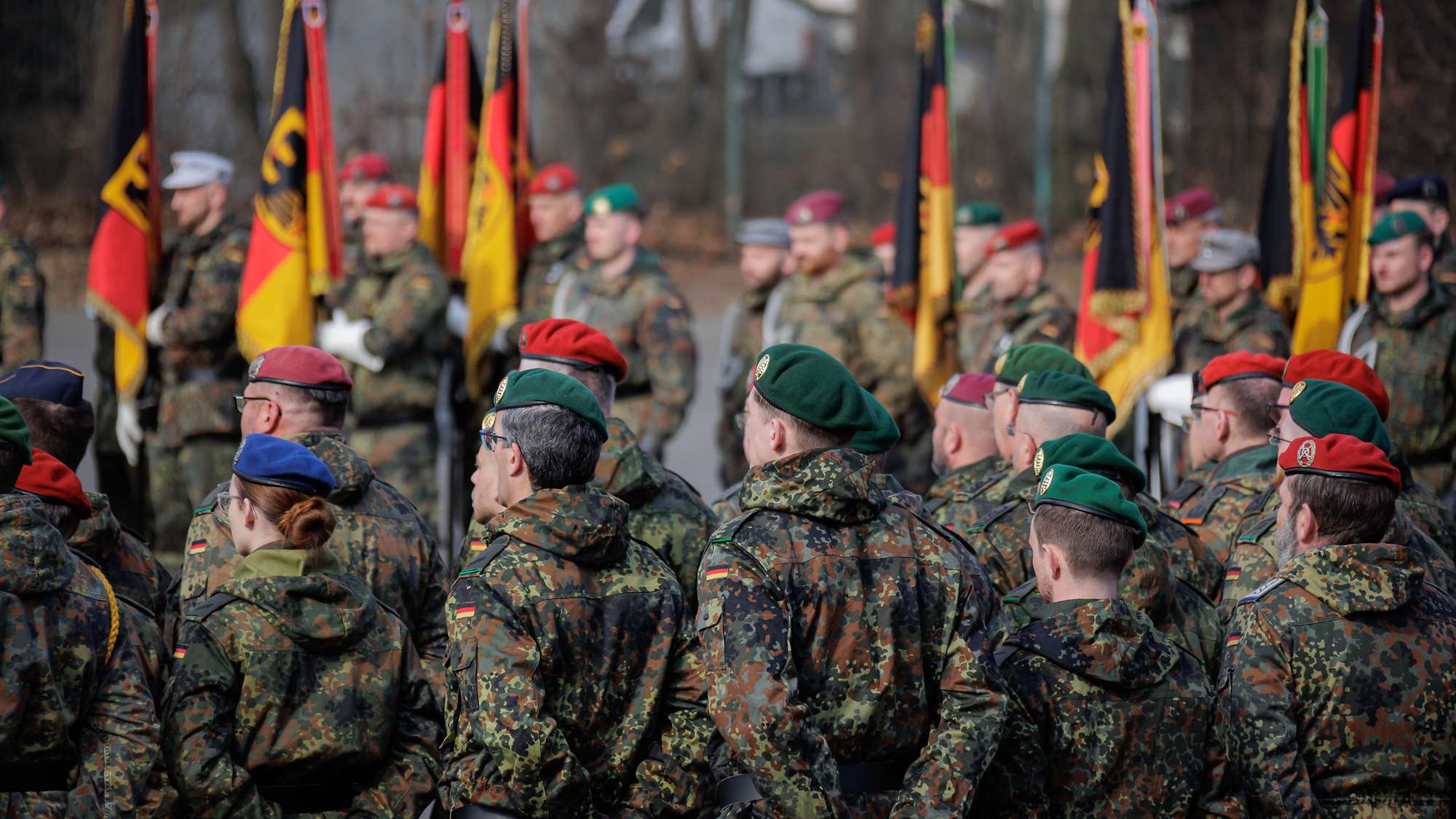
As of the end of July 2026, the Bundeswehr’s strength had grown to approximately 186,700 service members. This is the highest figure in roughly the last 13 years.
Compared to July 2025, the number of service members increased by more than 2%, or approximately 3,700 people. Thus, the Bundeswehr has already reached its target range for 2026 — between 186,000 and 190,000 service members.
At the same time, the number of those willing to serve in the military is growing. In the first seven months of 2026, the Bundeswehr received about 47,300 applications, which is 26% more than during the same period last year.
During the same period, approximately 15,400 new service members were enlisted — 12% more than a year earlier.
The Ministry of Defense noted that the increase in personnel in July is partly due to seasonal factors. In particular, July 1 is one of the main start dates for officers in all branches of the German Armed Forces.
At the same time, the ministry expects the Bundeswehr’s strength to continue growing through the end of the year, despite possible seasonal fluctuations.
The increase in the number of candidates also follows the introduction of a new system for tracking potential service members.
New military service system
Starting in 2026, a new military service model has been in effect in Germany, designed primarily to increase the size of the Bundeswehr.
The law provides for a gradual increase in the size of the German armed forces to 255,000-270,000 service members by 2035.

One of the key elements of the reform was the reinstatement of the registration system for potential service members.
Young Germans born in 2008 or later receive a special questionnaire asking about their health, education, skills, and willingness to perform military service.
For men, completing the questionnaire is mandatory, while women may do so voluntarily.
The next stage of the reform is expected to be the reinstatement of mandatory medical examinations and fitness assessments for military service, known as the Musterung. Starting in 2027, men in the relevant age groups will be required to undergo the procedure.
In effect, Berlin is reinstating a system that allows the state to determine its available human resources and gather information about potential candidates for service in the Bundeswehr.
At the same time, military service in Germany remains voluntary for now. Compulsory conscription was suspended in the country back in 2011; the new law merely establishes a mechanism through which Germany can implement conscription as needed if voluntary recruitment fails to reach the required strength of the Bundeswehr.
The Bundeswehr is getting more recruits
The reinstatement of military registration is already yielding results — the number of candidates increases.
In the first seven months of 2026, the Bundeswehr received 47,300 applications for military service, which is 26% more than during the same period the previous year.
At the same time, the rise in the number of applications should not be attributed solely to the new application system.
The increase in the Bundeswehr’s strength and the number of applicants is part of a broader campaign to strengthen the German armed forces. The new mechanism allows the military to directly engage with a large number of young people and gather information about potential candidates.

Thus, even those who do not decide to voluntarily join the military are included in the military registration system.
This gives the state an opportunity to assess available human resources, and the Bundeswehr the chance to work with potential candidates for service.
The increase in the Bundeswehr’s strength is not only linked to the overall strengthening of the German armed forces. Germany is also assuming obligations as part of the defense of NATO’s eastern flank.
One such example is the deployment of a German armored brigade in Lithuania. This is the first permanent deployment of a large Bundeswehr combat unit outside Germany, which requires not only equipment and infrastructure but also a significant number of personnel.
Germany also expands its reserve forces
While increasing the size of the Bundeswehr, Germany plans to expand its military reserve.
According to the German government’s plans, by 2035 the Bundeswehr is expected to have between 255,000 and 270,000 active-duty personnel, as well as approximately 200,000 reservists.

To this end, the Bundeswehr is already reaching out to former service members who previously served. They are being offered information about the possibility of returning to the reserve system and participating in military training.
The reserve is viewed as an important source of trained personnel amid the Bundeswehr’s growing needs. It can include not only military personnel who have completed active duty, but also former conscripts and other citizens who have undergone the necessary military training.
According to German media reports, Germany is also considering raising the age limit for reservists to 70, which would allow for the recruitment of additional trained personnel.
In this way, Germany aims not only to increase the number of active-duty service members but also to create a substantial reserve that could supplement the Armed Forces in the event of a large-scale conflict.
That is precisely why the new military service system is intended to provide the Bundeswehr with more than just new recruits. After completing active duty, some service members will be able to join the reserve, gradually increasing the number of trained personnel.
Pacifism as a response to rearmament
The return of military issues to everyday life in Germany has also revitalized the pacifist movement, whose representatives openly oppose the country’s rearmament, the expansion of the Bundeswehr, and the possible reinstatement of mandatory military service.
One of the most prominent advocates of these views is the 27-year-old German author Ole Nymoen. In 2025, he published the book “Why I Would Never Fight for My Country”, in which he explains his refusal to participate in war.

Nymoen states that even in the event of an attack, he would prefer to surrender and live under occupation rather than participate in armed resistance. According to him, if he had been in Ukraine on February 24, 2022, he would have tried to leave the country or go into hiding, but he would not have gone to fight.
Other representatives of the German anti-war movement share similar views.
Michael Schulze von Glaser, political director of the German Peace Society—Association of Conscientious Objectors, opposes the militarization of Germany and preparations for a potential conflict with Russia. He argues that a war between NATO and Russia could escalate into a nuclear conflict.
German political influencer Simon David Dressler also opposes the reinstatement of mandatory military service. He has stated that if Russia were to attack Germany, he would try to leave the country with his loved ones rather than take part in combat operations.
Such sentiments explain one of the reasons for the sharp increase in the number of conscientious objectors. After Germany began reinstating its military registration system and preparing to reintroduce mandatory fitness-for-service evaluations, the prospect of war ceased to be an abstract concept for some young people.
In response, some Germans are joining the Bundeswehr, while others are publicly declaring their refusal to perform military service and to engage in armed resistance in general.
Thus, the reform has effectively laid bare two opposing trends in German society: the country is simultaneously expanding its military while facing a significant segment of society that is fundamentally unwilling to take up arms, even in the face of a direct threat.
One process — two outcomes
Thus, the growth of the Bundeswehr and the record number of applications for conscientious-objector status are not mutually exclusive phenomena.
Germany is simultaneously gaining more candidates for service and more people who categorically refuse to serve.
For Berlin, the key task at this stage is not only the immediate recruitment of volunteers but also the restoration of the military registration system.
The more extensively Germany covers young people with this system, the more it gains both potential recruits and those who categorically refuse to serve.
However, the main goal of the reform — increasing the size of the Bundeswehr and creating a reserve of potential military personnel — is already beginning to be achieved.
Therefore, the record increase in the number of draft evaders can be viewed as one of the side effects of the return to mass military registration: the state has once again begun to actively engage with a pool of human resources that, since 2011, had largely remained outside direct contact with the military service system.

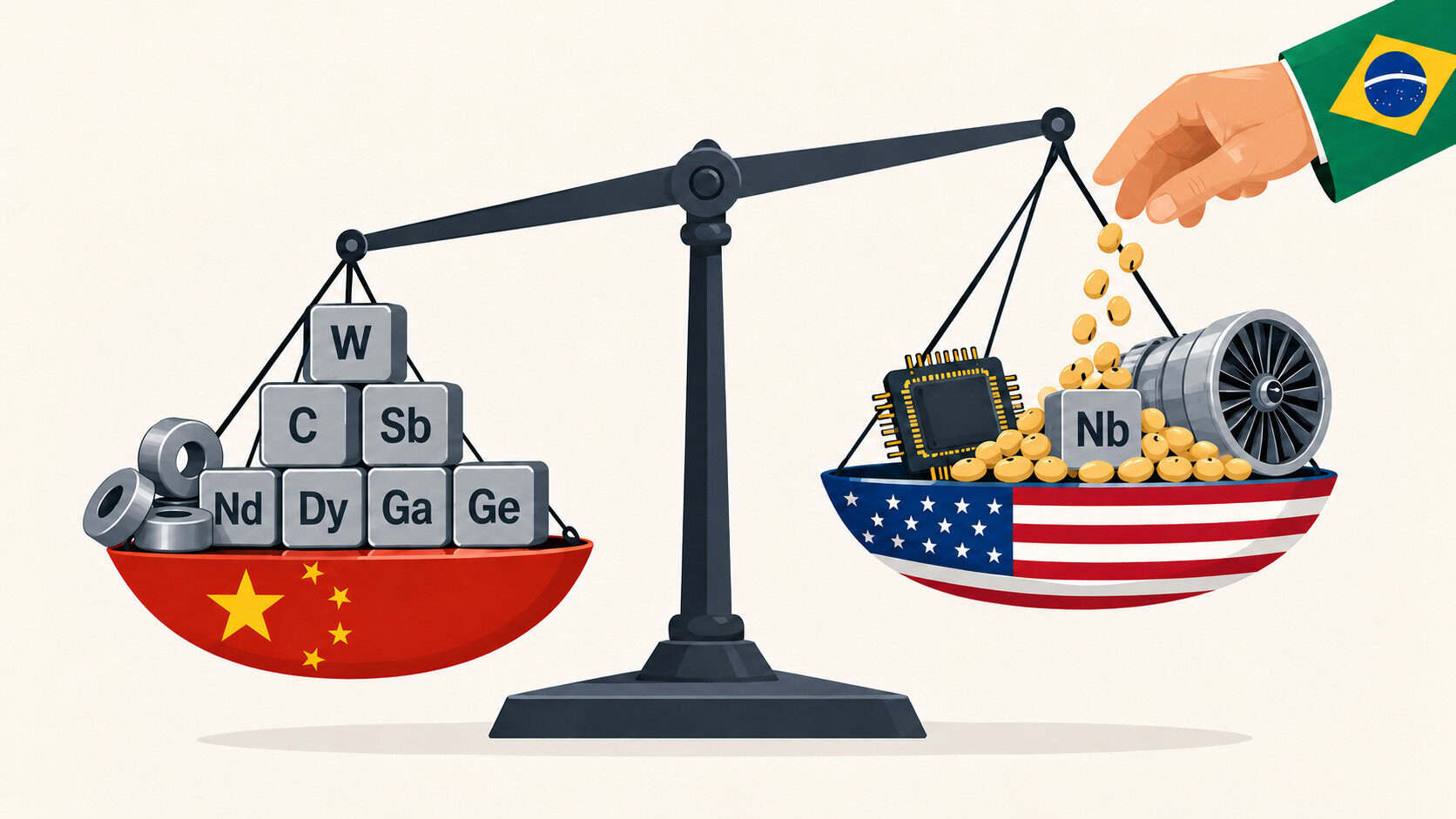

Xi Jinping’s Washington Visit Outlines the Timeframe for the Active Phase of the Confrontation: Beijing Openly Demands Taiwan’s Return
On September 23–25, 2026, Chinese President Xi Jinping held talks with President Trump at the White House during the first Chinese state visit to t...

A Sharp Shift in the Dynamics of Global Confrontation Forces Washington to Rethink How It Builds Its Key Partnerships
On September 12–13, 2026, the 18th BRICS Summit was held in New Delhi. Xi Jinping traveled to India to lead the Chinese delegation, marking his fir...

Netanyahu’s Visit to Abu Dhabi: Israel Builds Partnerships from a Position of Strength, but the Middle East Conflict Is Eroding the Edge of Its Weapons
On September 27, 2026, Israeli Prime Minister Benjamin Netanyahu traveled to Abu Dhabi with the head of Mossad and the head of the National Securit...
