






Popular
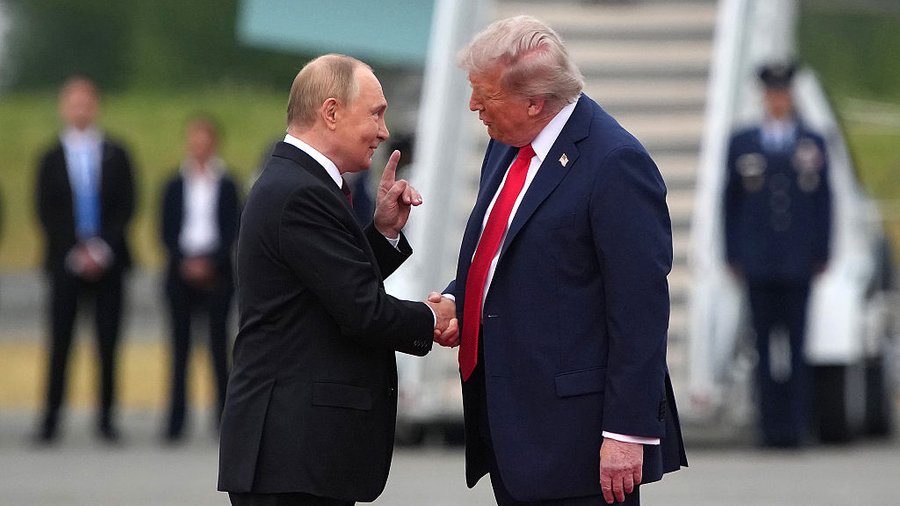
The U.S. has lifted sanctions on diesel fuel exports from Russia following a statement by U.S. President Donald Trump announcing an agreement to export 4.8 million metric tons of fuel ‘on a short-term basis.’
This was revealed in an announcement by the Office of Foreign Assets Control (OFAC) of the U.S. Department of the Treasury.
The document permits transactions related to the sale, delivery, unloading, and import of diesel fuel of Russian origin, which are otherwise prohibited under U.S. sanctions regimes. The authorization is valid until 12:01 a.m. Eastern Daylight Time on April 7, 2027.
Donald Trump stated that he had reached an agreement with Russian dictator Vladimir Putin on the supply of diesel fuel to the U.S. and global markets. According to him, Russia will immediately supply more than 300,000 metric tons, another 500,000 metric tons in November, and 1 million metric tons immediately thereafter.

Russia is subsequently expected to supply another 3 million metric tons of diesel fuel on a tight schedule, subject to the capacity of its oil refineries.
“Thanks to our complete control over the Strait of Hormuz and this wonderful news regarding Russian energy resources, diesel fuel prices for Americans—and indeed for the whole world—will drop rapidly and significantly,” said U.S. President Donald Trump.
Russian Deputy Prime Minister Alexander Novak has already stated in a comment to TASS that Russia is immediately beginning to lift restrictions on diesel fuel exports ahead of schedule.
According to a September report by the International Energy Agency (IEA), the global diesel market suffered significant supply losses due to the war with Iran, shipping restrictions through the Strait of Hormuz, and, to a lesser extent, strikes on Russian refineries.
In August, total net exports of diesel and gasoil from the Persian Gulf countries and Russia were approximately 215,000 metric tons per day lower than in February. This amounts to 6.7 million metric tons for a 31-day month. Other suppliers only partially offset these losses.
According to IEA data, the Persian Gulf countries accounted for a reduction of 156,000 metric tons per day in exports, while Russia accounted for 59,000 metric tons per day—representing approximately 73% and 27% of total losses, respectively. On a monthly basis, this amounts to 4.8 million and 1.8 million metric tons.
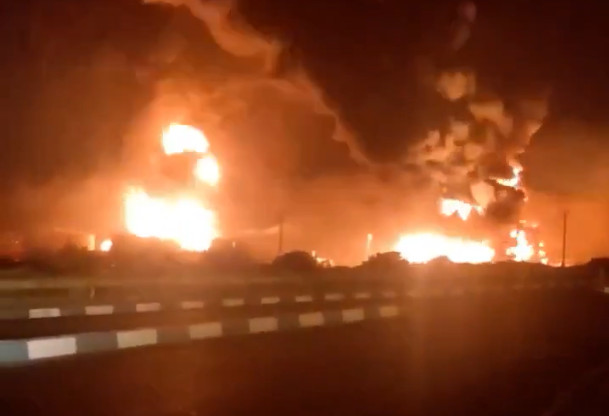
The shipments announced by Trump—300,000 metric tons, another 500,000 metric tons in November, 1 million metric tons thereafter, and subsequently another 3 million metric tons—represent only a small fraction of the losses caused by the U.S. and Israel’s war with Iran.
For example, 4.8 million metric tons is roughly equivalent to a one-month reduction in supplies from the Persian Gulf countries. The first 300,000 metric tons represents only 1.81 days’ worth of supply.
Підтримати нас можна через:
Приват: 5169 3351 0164 7408 PayPal - [email protected] Стати нашим патроном за лінком ⬇
Subscribe to our newsletter
or on ours Telegram
Thank you!!
You are subscribed to our newsletter