




Popular

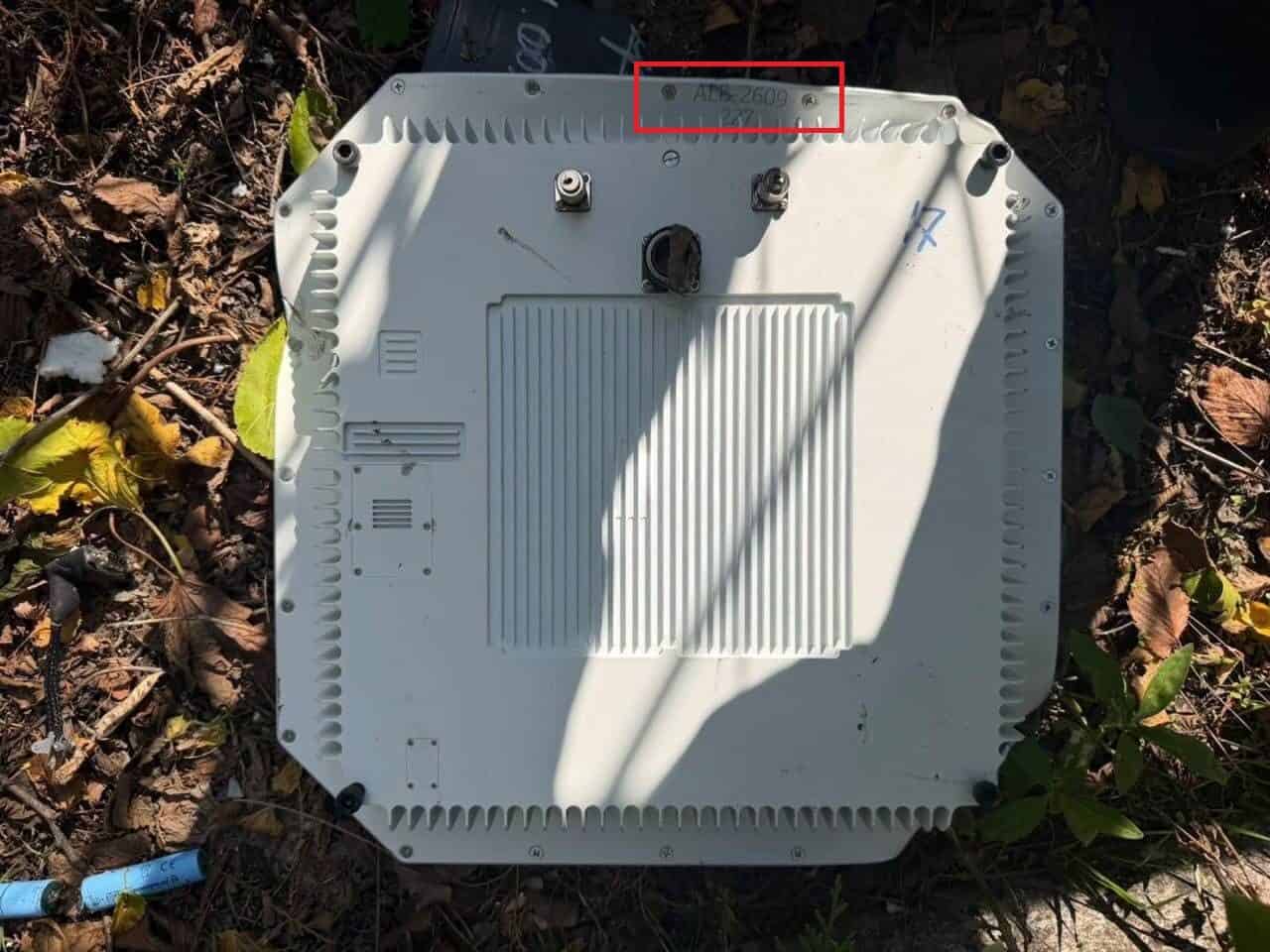
A 32-element CRPA antenna, likely manufactured at a plant in Alabuzha, Russia, was found in a Russian Geran-4 strike drone shot down in Ukraine.
This was reported by The Insider, citing an analysis of photos and videos of the downed drones.
The new antenna looks very similar to products made by the Chinese company Harxon, but shows signs of local production.
The rough finish of the metal casing and the factory marking ALB stamped directly onto it point to the possibility that production was localized in Russia.
The Russians are likely gradually transitioning to at least screwdriver-style assembly of such circuit boards in Tatarstan.

They first purchase test batches on marketplaces, and then order large production runs or license their manufacture.
Last year, it was revealed that the main supplier of multi-element antennas to Alabuga was the Chinese company Harxon. After this information was made public, the company fell under international sanctions, and its representatives announced the dismissal of employees who had been in contact with Russia.
As a reminder, it first came to light in July that Ukraine had seized a 32-element CRPA antenna that was mounted on a Russian weapon system.
This is effectively two antennas, each with 16 elements, assembled into a single unit. The first 16 elements operate in the L1 band, like the Kometa, while the other 16 operate in the L2 band. The L1 band operates at a base frequency of approximately 1,575 MHz and is the primary channel for civilian and military satellite navigation.
CRPA antennas, which support only the L1 band, are the most compact and inexpensive, which is why they are widely installed on drones and missiles. The L2 band operates at a lower frequency of approximately 1,227 MHz and is designed for transmitting secure and encrypted signals.
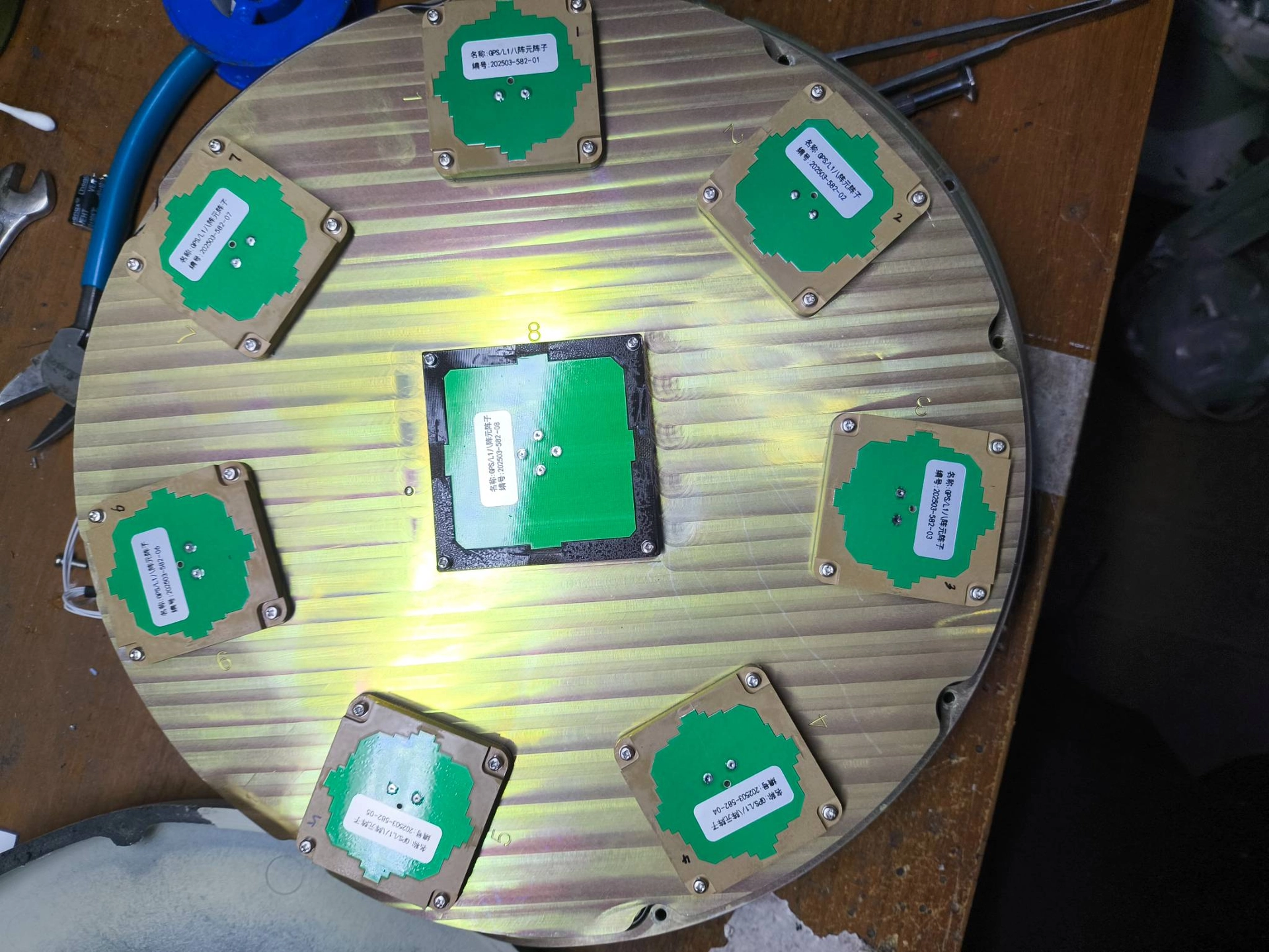
A CRPA antenna (Controlled Radiation Pattern Antenna) is a specialized navigation module designed to protect GPS/GLONASS satellite signals from electronic jamming. It consists of several separate antenna elements and a digital processor that analyze the surrounding space.
The number of elements in the antenna directly determines its resistance to interference. Each additional element allows the system to block yet another separate source of jamming.
Підтримати нас можна через:
Приват: 5169 3351 0164 7408 PayPal - [email protected] Стати нашим патроном за лінком ⬇
Subscribe to our newsletter
or on ours Telegram
Thank you!!
You are subscribed to our newsletter