








Popular
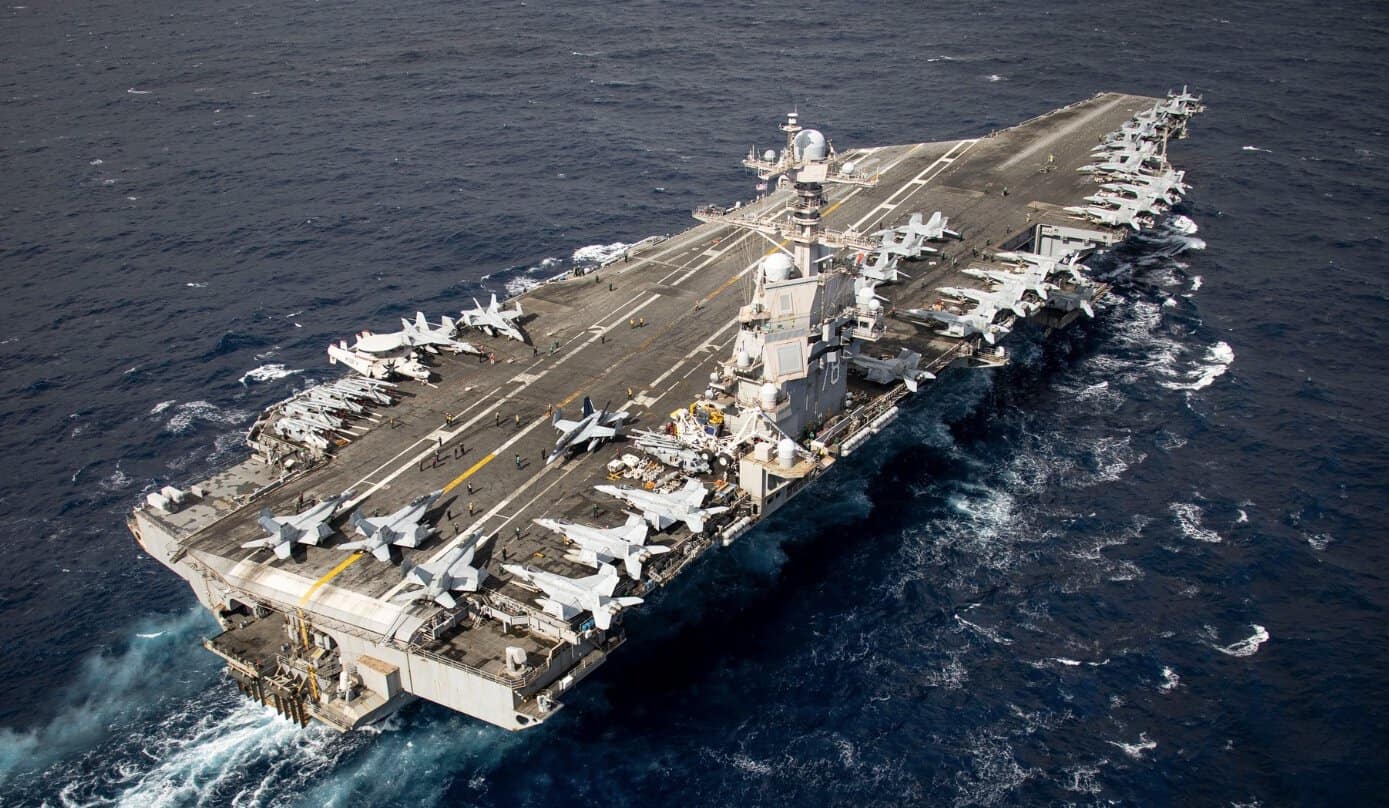
The U.S. Navy is considering major changes to the design of its new Ford-class nuclear-powered aircraft carriers to better match President Donald Trump’s aesthetic preferences.
The Washington Post reported this, citing seven current and former U.S. officials familiar with the matter.
According to the officials, Trump wants the new carriers to look more like the warships that were in service during World War II.
The U.S. Navy is assessing whether it would make sense to move the carrier’s multi-level island, which serves as the ship’s command center, forward toward the middle of the ship. On the new Ford-class carriers, the island is located closer to the stern.
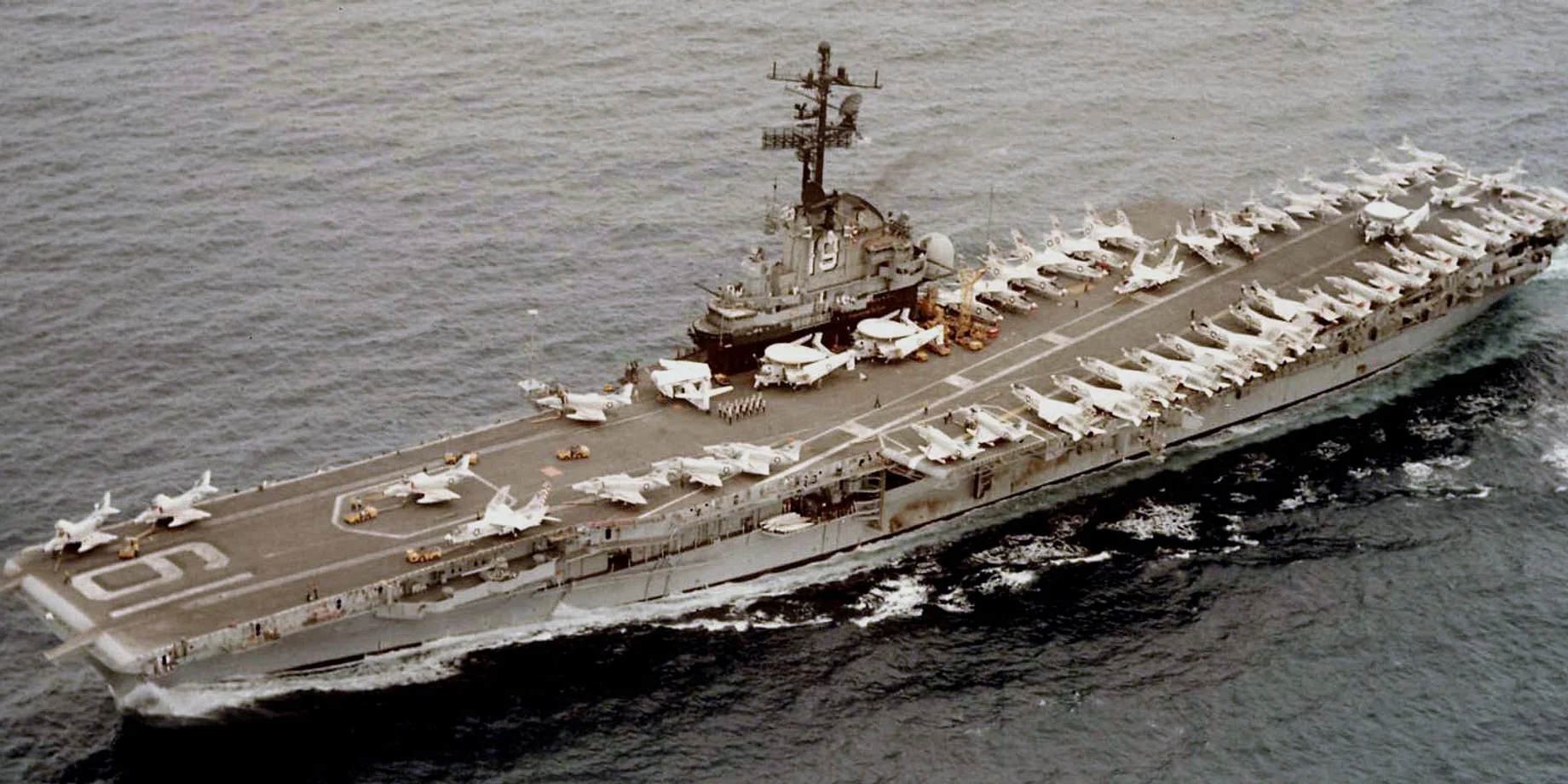
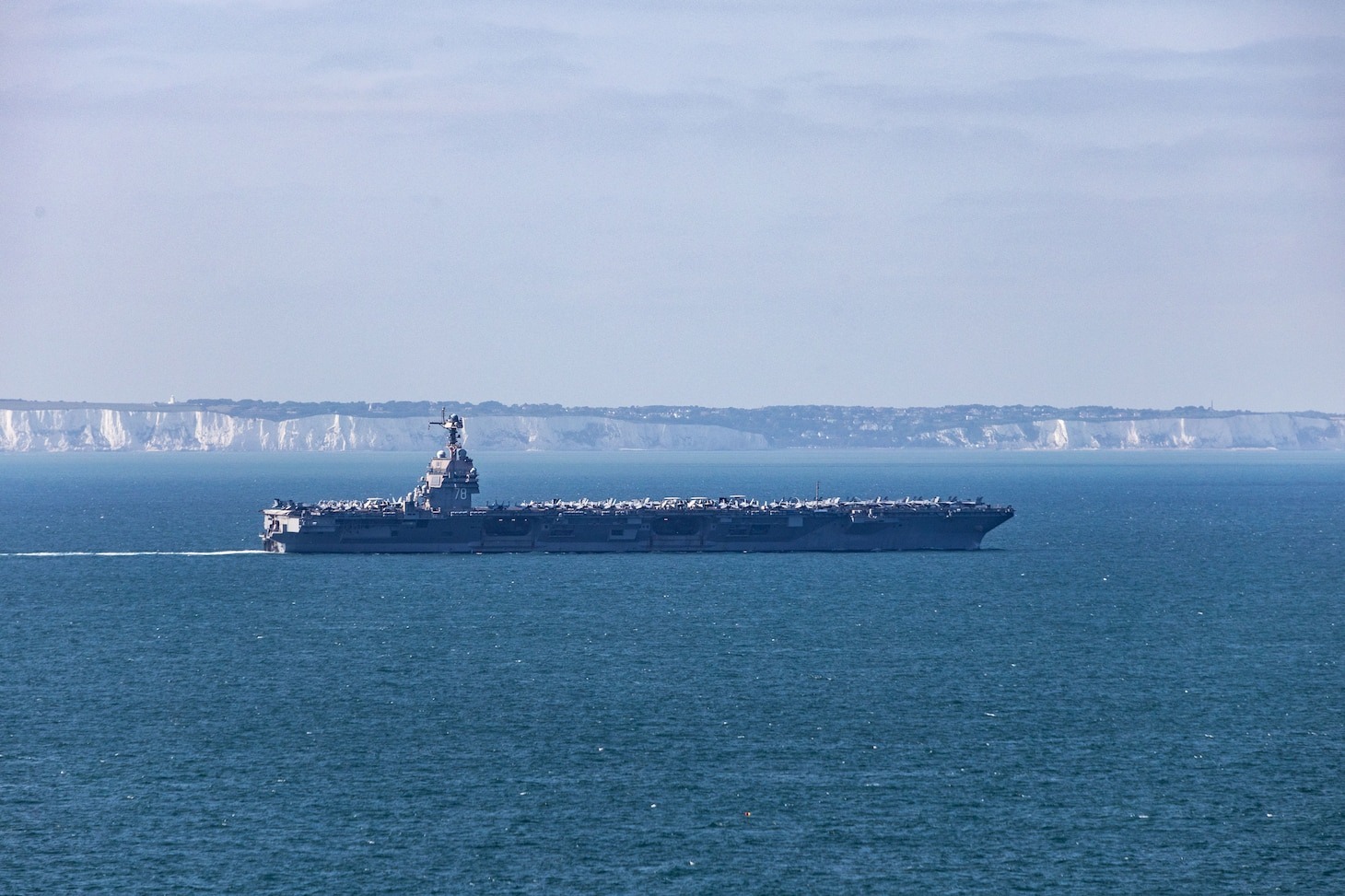
On carriers of this class, the island was moved aft to improve operational efficiency and safety. This configuration not only freed up additional deck space for aircraft operations around the catapults and reduced the time required to position aircraft for launch, but also improved landing safety by reducing turbulence in the landing area as aircraft approached the carrier.
The issue was already studied during Trump’s first term. A study conducted at the time concluded that relocating the island could cost billions of dollars and result in significant delays to the carrier program.
In addition, on August 13, Trump issued a national security memorandum directing the Navy to develop a plan to replace the highly efficient electromagnetic aircraft launch system with conventional steam catapults on future aircraft carriers. The document states that the administration favors “proven, reliable, and affordable technologies and ship designs.” Such a change could also cost billions of dollars and further exacerbate the chronic delays affecting the U.S. shipbuilding industry.
Construction of the lead Ford-class aircraft carrier, USS Gerald R. Ford, took 17 years. Three more ships of the class are currently at various stages of construction. USS John F. Kennedy is undergoing sea trials and nearing commissioning, while USS Enterprise and USS Doris Miller are under construction.
According to estimates by the U.S. Congressional Budget Office and the Navy’s latest shipbuilding plan, each future Ford-class aircraft carrier could cost approximately $22 billion.
As the publication notes, Trump has repeatedly expressed an interest in the design of U.S. Navy warships. Last year, he unveiled plans for a new class of Trump-class battleships that would lead his proposed “Golden Fleet.”

If the planned design is built, the nuclear-powered battleship, with a full-load displacement of 35,000 tons, would become the most heavily armed surface combatant ever built for the U.S. Navy.
It is planned to be equipped with surface-to-air and anti-ship missiles, land-attack missiles, hypersonic weapons, nuclear-armed cruise missiles, high-powered laser systems, and a railgun – an electromagnetic weapon.
The Congressional Budget Office estimates that building the 15 planned Trump-class battleships between 2028 and 2056 would cost approximately $275 billion. After completion of the lead ship, estimated at $23.4 billion, each subsequent ship is projected to cost about $18 billion.
Підтримати нас можна через:
Приват: 5169 3351 0164 7408 PayPal - [email protected] Стати нашим патроном за лінком ⬇
Subscribe to our newsletter
or on ours Telegram
Thank you!!
You are subscribed to our newsletter