




Popular
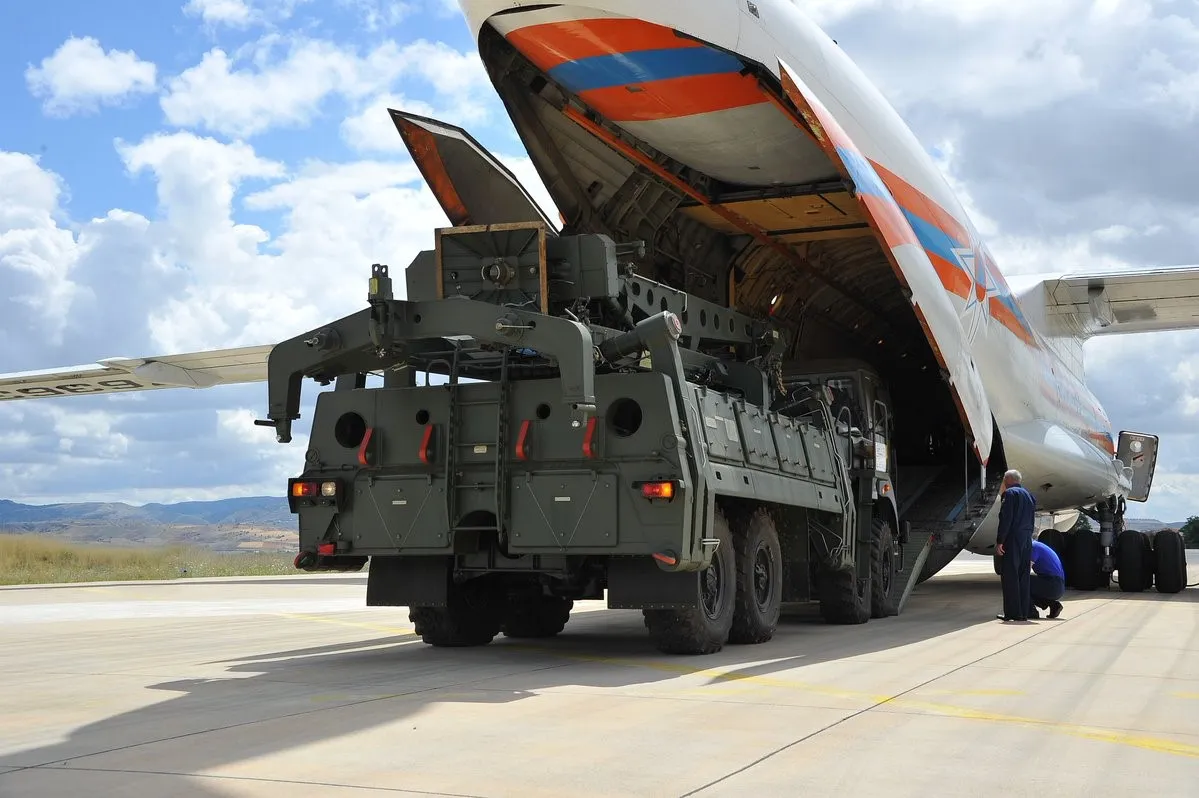
U.S. plans to sell F-35 fighter jets to Turkey have remained in limbo for more than a month since they were announced, due to the country’s inability to divest itself of the S-400 systems, Senator Rick Scott told Semafor.
Trump announced the F-35 deal last month at the NATO summit alongside Turkish President Recep Tayyip Erdoğan. A few hours later, Israeli Prime Minister Benjamin Netanyahu raised the stakes over the F-35 deal, warning that selling the aircraft to Turkey could “upset the balance of power in the Middle East.”
The issue stems from a requirement under U.S. sanctions law that Turkey must get rid of Russian air defense systems in order to gain access to the F-35s, six of which it has already paid for but which remain in the United States for now.
Disabling the S-400 is one possible solution that could facilitate the Trump-backed sale, but it risks further stoking tensions with lawmakers who believe the law requires the complete disposal of the system.

Another option is to sell the Russian system to the UAE. Turkey reportedly began negotiations on the matter last month.
It is likely that Ankara wants to retain the air defense systems in its arsenal as a reserve in case of exceptional threats to the country’s national security.
The F-35 deal could face serious difficulties if Congress votes against it, putting Israel’s interests at odds with those of a fellow NATO member – in part because many of Trump’s allies belong to the camp calling for Turkey to fully divest itself of the Russian system.
“I don’t think they should have F-35s unless they’re going to be a true partner… so if they have the S-400, they cannot have the F-35,” Senator Rick Scott, Republican from Florida, told Semafor.
As of July 22, in a response to an inquiry from Democratic Congressman Wesley Bell, the State Department’s Bureau of Legislative Affairs stressed that no F-35 fighter jet can be transferred to Turkey until it fully complies with the legislative requirements established by U.S. law.
In February 2017, the Turkish Ministry of National Defense officially announced its decision to select the S-400, while also stating that the system would operate as a separate component and would not be integrated into NATO’s air defense network. On April 11 of the same year, a $2.5 billion contract was signed.
Підтримати нас можна через:
Приват: 5169 3351 0164 7408 PayPal - [email protected] Стати нашим патроном за лінком ⬇
Subscribe to our newsletter
or on ours Telegram
Thank you!!
You are subscribed to our newsletter