








Popular
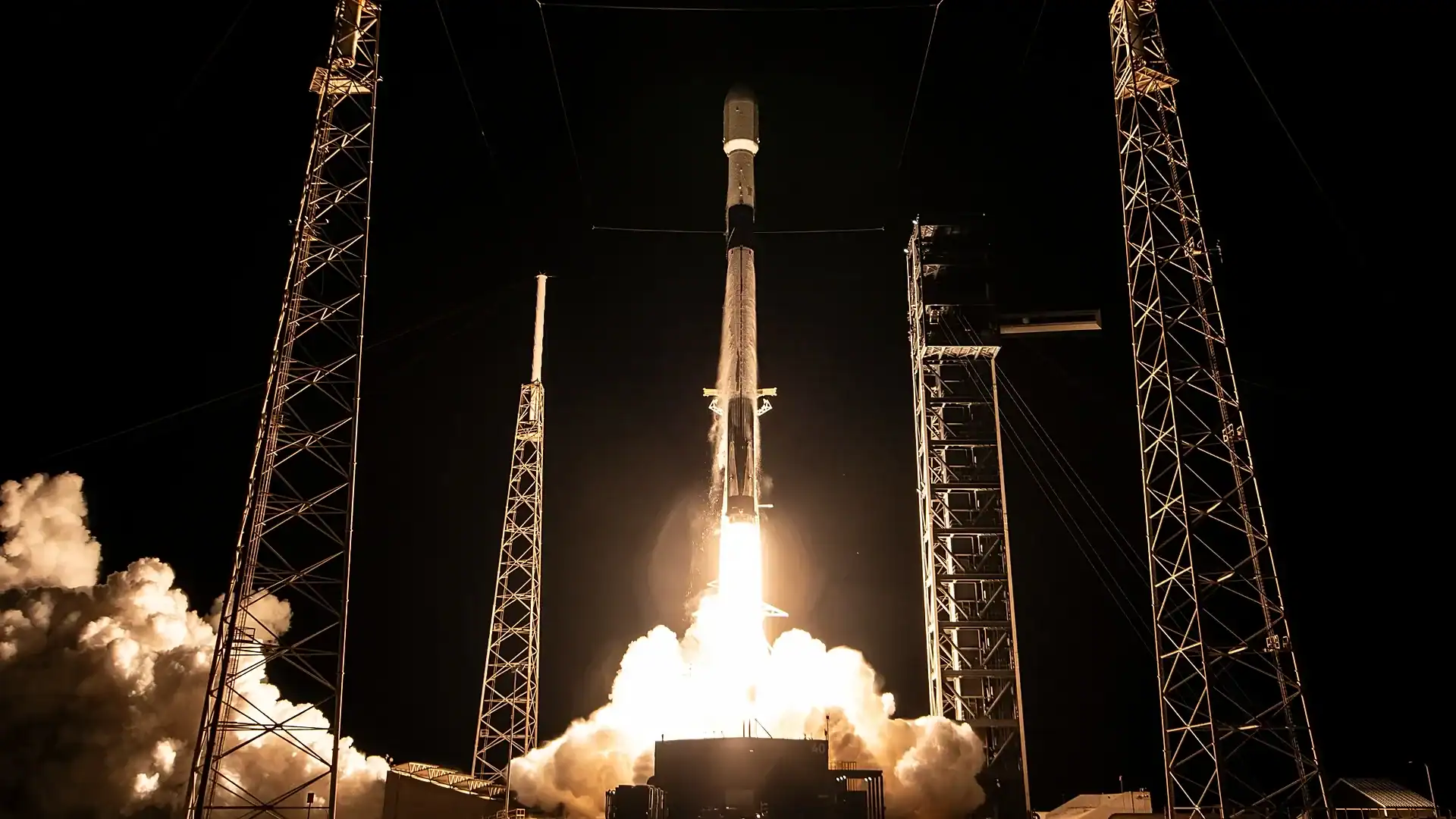
SpaceX has been awarded a $4.16 billion contract by the US Space Force to accelerate the deployment of a satellite network for tracking aircraft, cruise missiles, and drones as part of the Golden Dome system.
This was reported by Reuters.
The Space-Based Advanced Moving Target Indicator (SB-AMTI) is a space-based system for detecting and tracking moving targets, designed as an interconnected “system of systems” that combines space-based sensors, secure communication channels, and ground-based data processing.
The satellite network could provide unprecedented capabilities for global sky surveillance and render long-range early warning and control aircraft redundant.
The US Space Force reported that the SB-AMTI supplier pool includes several companies, notably SpaceX, and that the service will sign several contracts over the next year.
“This initial agreement is expected to enable the deployment of a satellite constellation by 2028, providing the Joint Forces with an early capability to eliminate operational blind spots,” the agency stated.
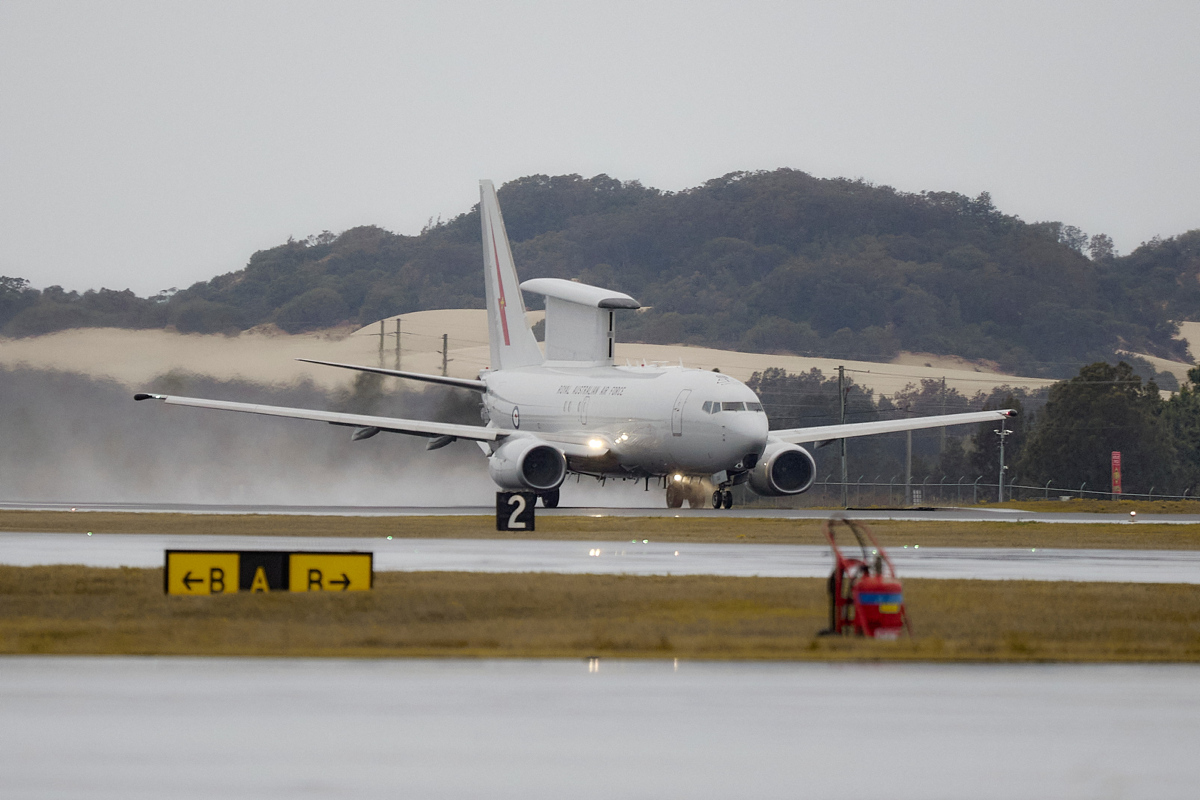
As noted by The War Zone, plans for the AMTI satellite constellation were directly linked to an attempt to cancel the procurement of E-7 Wedgetail long-range early warning and control aircraft, which the Pentagon has now completely abandoned following pressure from Congress and casualties during the war with Iran.
Although the Air Force has resumed negotiations on the procurement of the E-7, which is intended to replace the aging E-3 Sentry aircraft, the ultimate goal remains unchanged: to eventually move most, if not all, long-range reconnaissance and target-acquisition functions into space.
According to the publication, certain tests of AMTI sensor prototypes in orbit have been ongoing for at least a year, if not significantly longer, though this work is highly classified.
“The capabilities emerging in space far exceed our expectations,” said Air Force Major General Christopher Niemi, responding to a question about plans for the E-7.

In late April 2026, the US Space Force signed contracts worth $3.2 billion to develop the Golden Dome system.
The main idea is to deploy an orbital constellation to intercept ballistic, cruise, and hypersonic missiles while they are still in the acceleration phase. According to expert estimates, approximately 950 interceptors need to be deployed in orbit to ensure the reliable destruction of a single intercontinental ballistic missile at any given moment.
Підтримати нас можна через:
Приват: 5169 3351 0164 7408 PayPal - [email protected] Стати нашим патроном за лінком ⬇
Subscribe to our newsletter
or on ours Telegram
Thank you!!
You are subscribed to our newsletter