







Popular
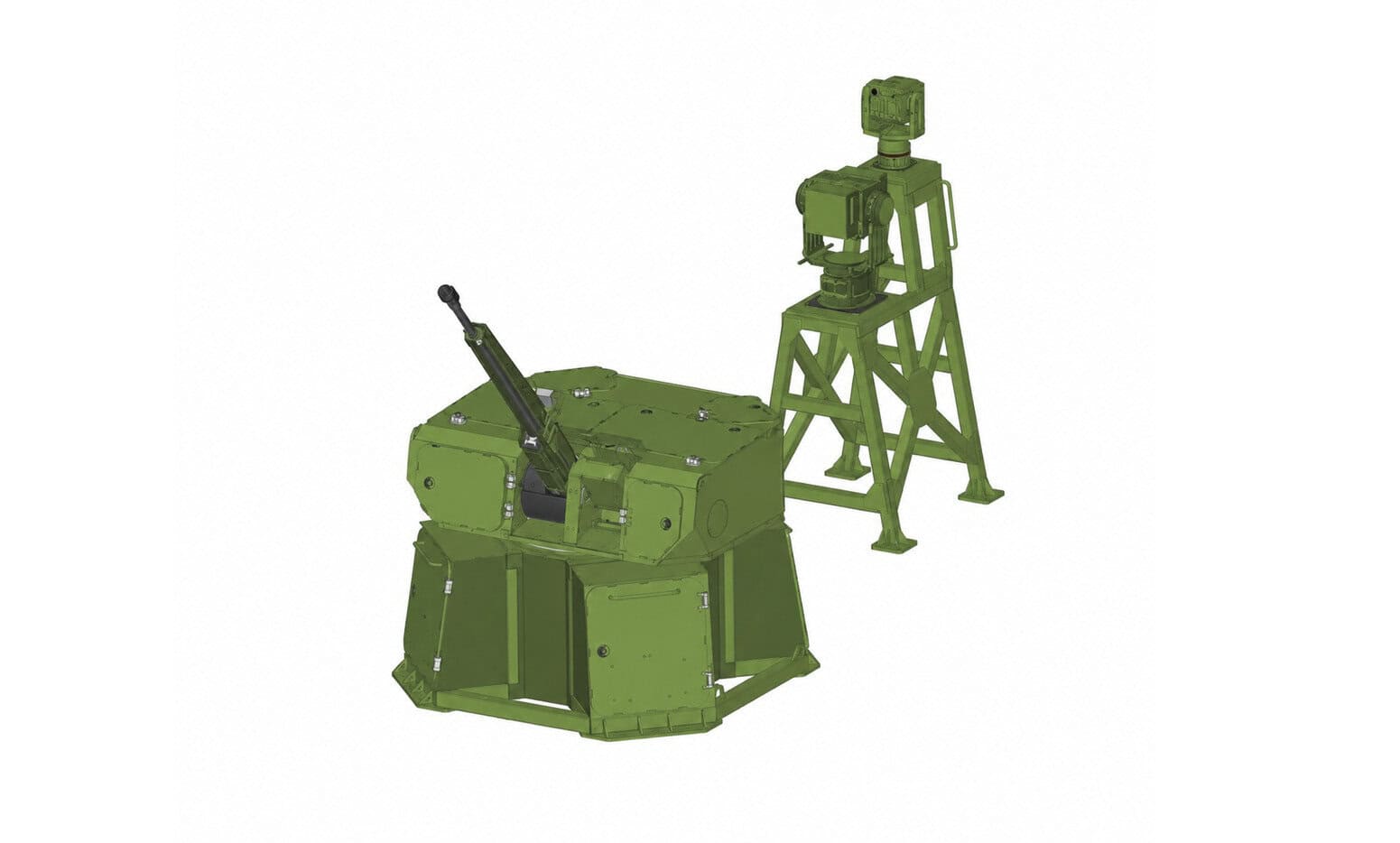
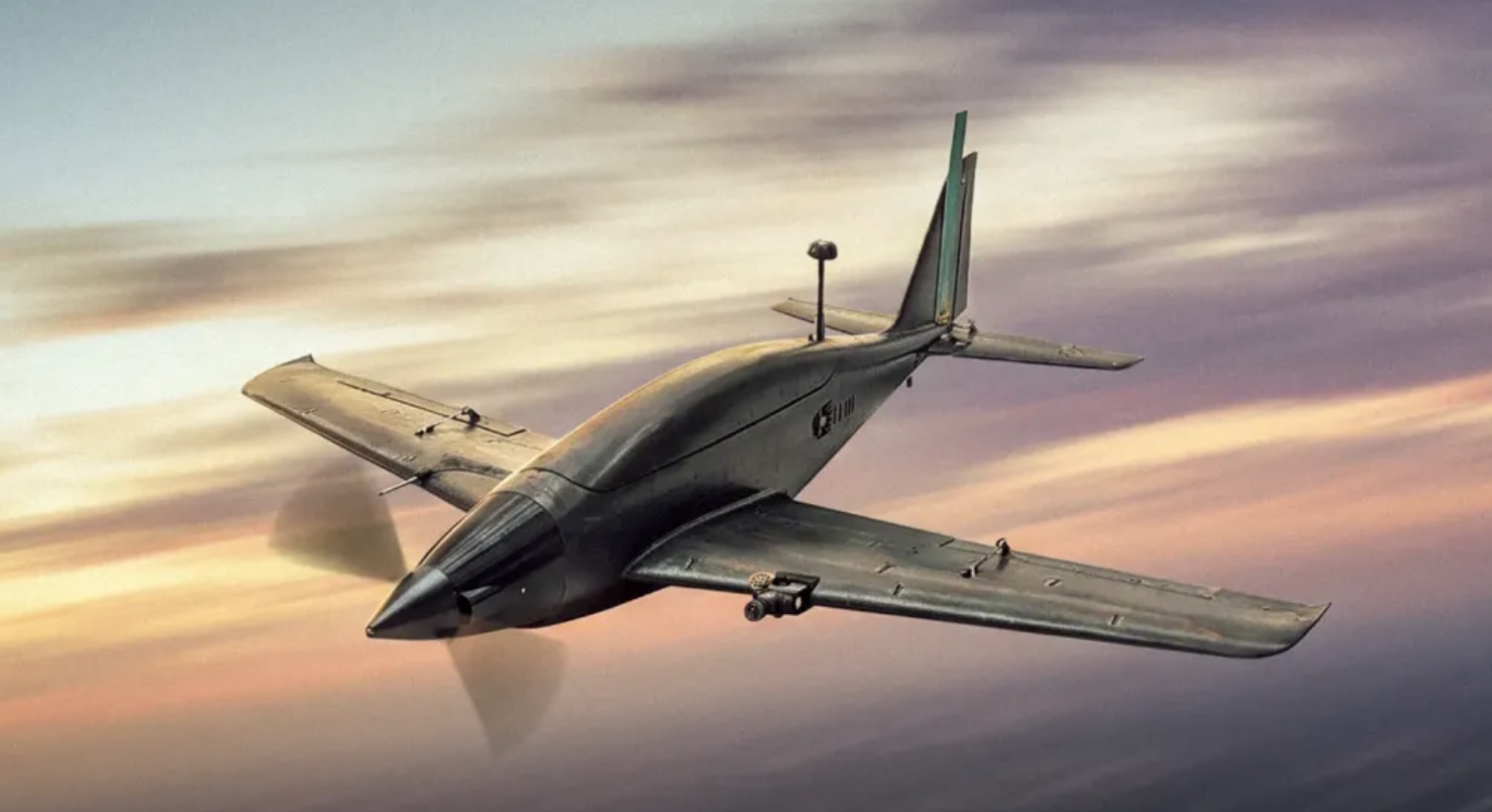
The Russians have filed a patent revealing new details about the ZAK-30 Citadel anti-drone system.
The patent was published by the Federal Service for Intellectual Property of the Russian Federation.
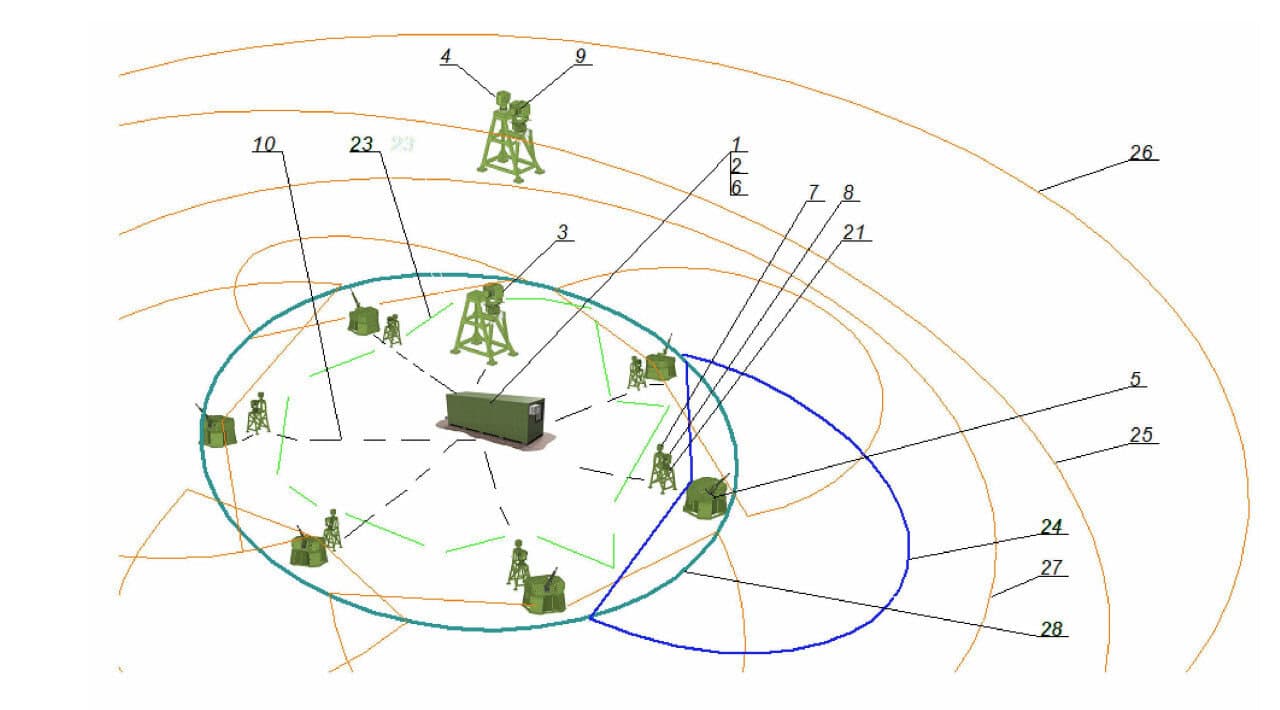
The system includes launchers with missiles and/or an artillery system, a command post (CP), an observation radar station (RLS-O), a fire control system (FCS), and an electrically driven tracking radar station (RLS-N).
The armament varies and may consist of 7.62-mm and 12.7-mm machine guns, a 30-mm cannon with programmable ammunition, and vertically launched missiles.
Each aerial target is engaged autonomously, according to an algorithm embedded in the system’s fire control system.
In the event of a miss, the fire control system’s algorithms adjust the firing parameters based on the projectile’s initial velocity and the magnitude of the miss; the remote modules then continue tracking and, if the target enters the acceptable zone, fire the next shot.
Threat detection using multiple radars with range-selective capabilities can provide effective round-the-clock protection against numerous small UAVs.
The container-based command post will house the commander’s automated workstation and fire control systems.
The RLs-O will establish the detection zone, the RLs-N will initiate tracking and determine the target’s flight path within its close-range tracking zone, and the command post will process data from remote modules and select the sequence for engaging targets.

The technical outcome is the creation of several detection and engagement zones with the capability for simultaneous remote fire control of anti-aircraft weapon systems.
It has been stated that the system’s command and control unit is capable of receiving target designations from other command and control assets of the regional air defense system, thereby enabling coordination among various anti-aircraft systems.

All components of the system for protecting stationary facilities are connected via a cable communication line for information exchange and power supply cables from a stationary power source at the protected facilities or from a mobile power supply center.
News of the development of the anti-drone system broke on May 25, when it was presented by the Russian state-owned conglomerate Rostec.
Підтримати нас можна через:
Приват: 5169 3351 0164 7408 PayPal - [email protected] Стати нашим патроном за лінком ⬇
Subscribe to our newsletter
or on ours Telegram
Thank you!!
You are subscribed to our newsletter