



Popular
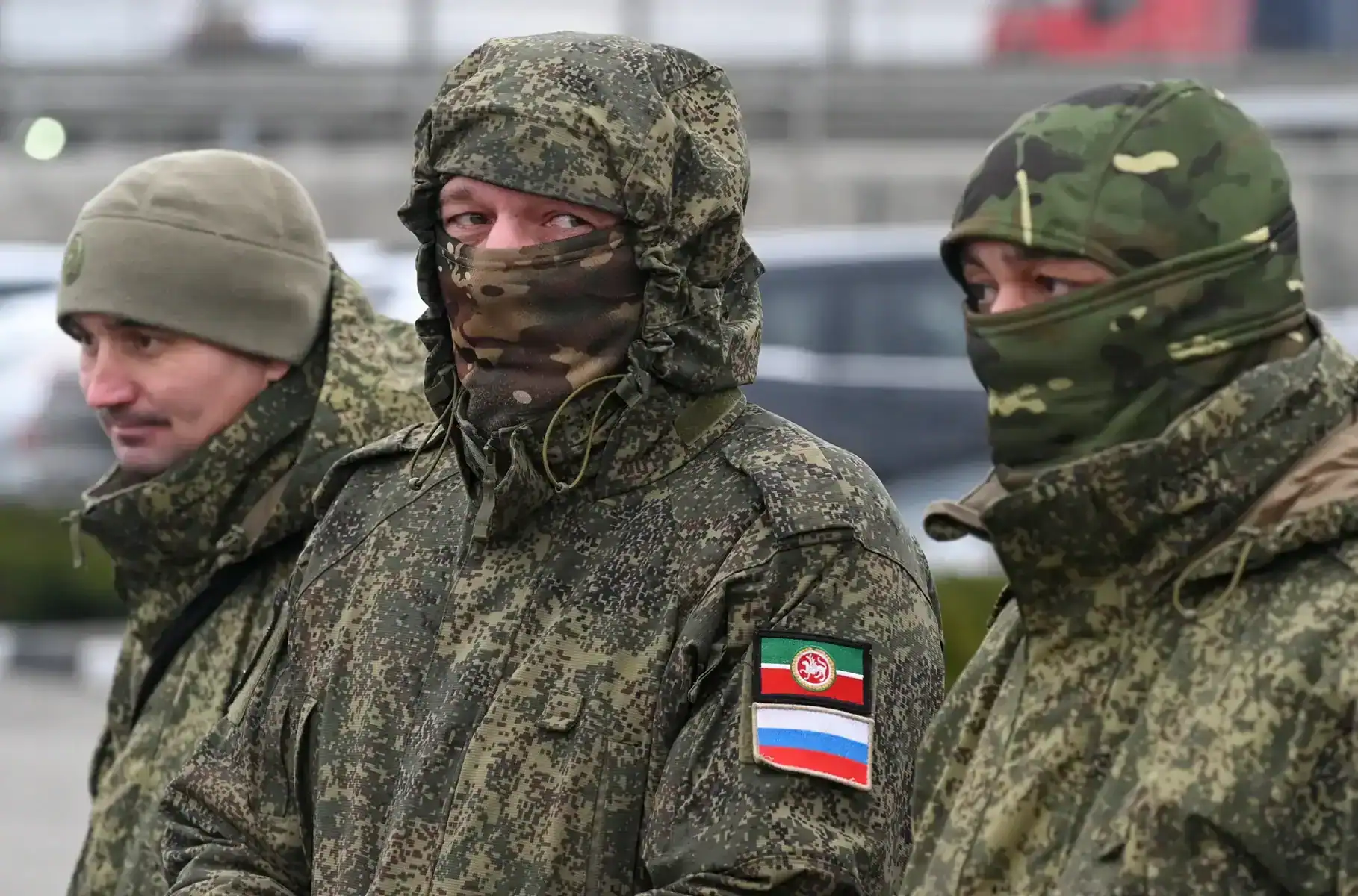
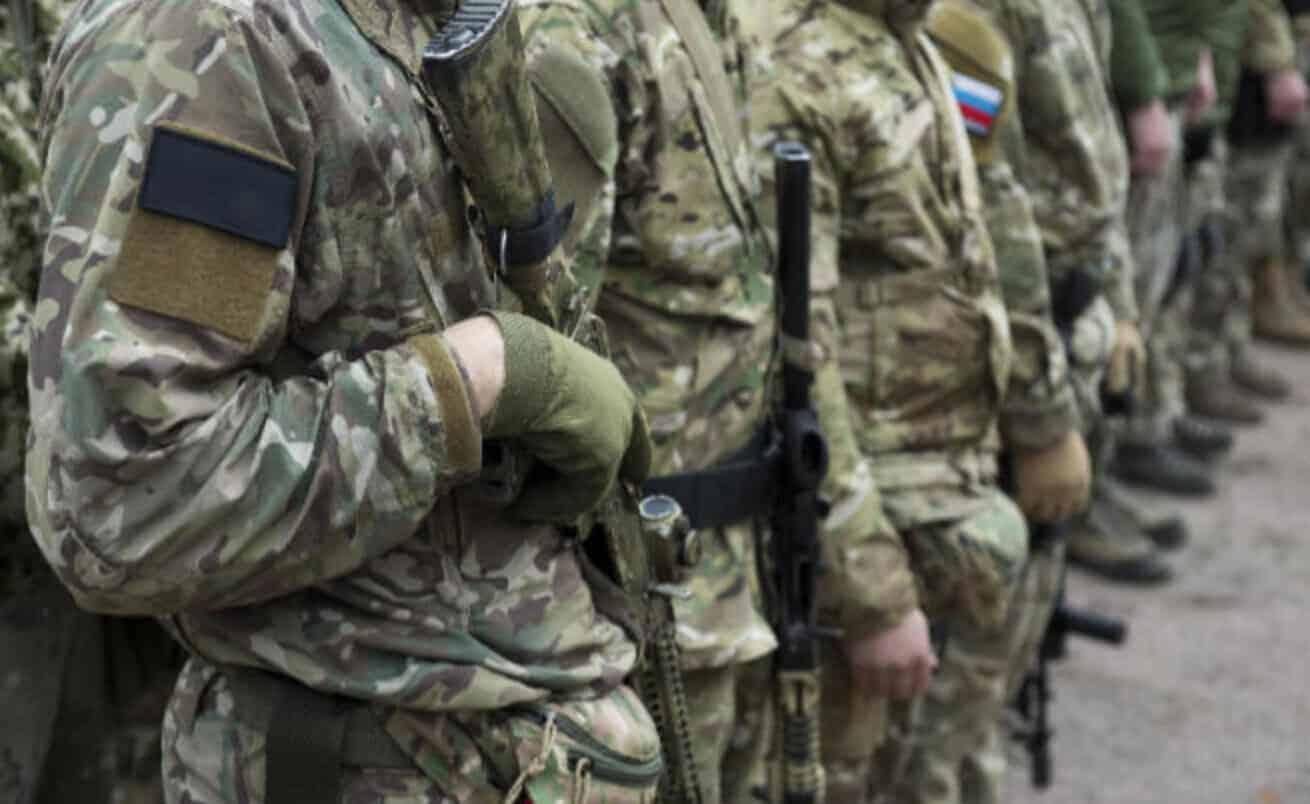
In Russia, the rate of recruiting new contract soldiers to participate in the war against Ukraine has dropped significantly. In the spring of 2026, the influx of new recruits in Moscow and the regions plummeted by an average of one-third compared to the same period last year.
The Verstka reported on the crisis in Russian troop recruitment, citing its own sources from Moscow City Hall, military commissariats, and the combat zone. The decline was observed even despite a significant increase in monetary payments for signing contracts.
A brief surge in the number of people willing to fight was observed at the beginning of the year, driven by expectations of a quick ceasefire and a desire to earn money before hostilities were suspended. However, by the end of February, Russians had realized that the war would not end anytime soon.
A similar recruitment crisis is also being observed in regions across Russia. It is particularly difficult to recruit specialists for specialized units, notably the Rubicon Center, where—due to strict selection criteria and a shortage of qualified personnel—only one-third of the required personnel can be recruited.
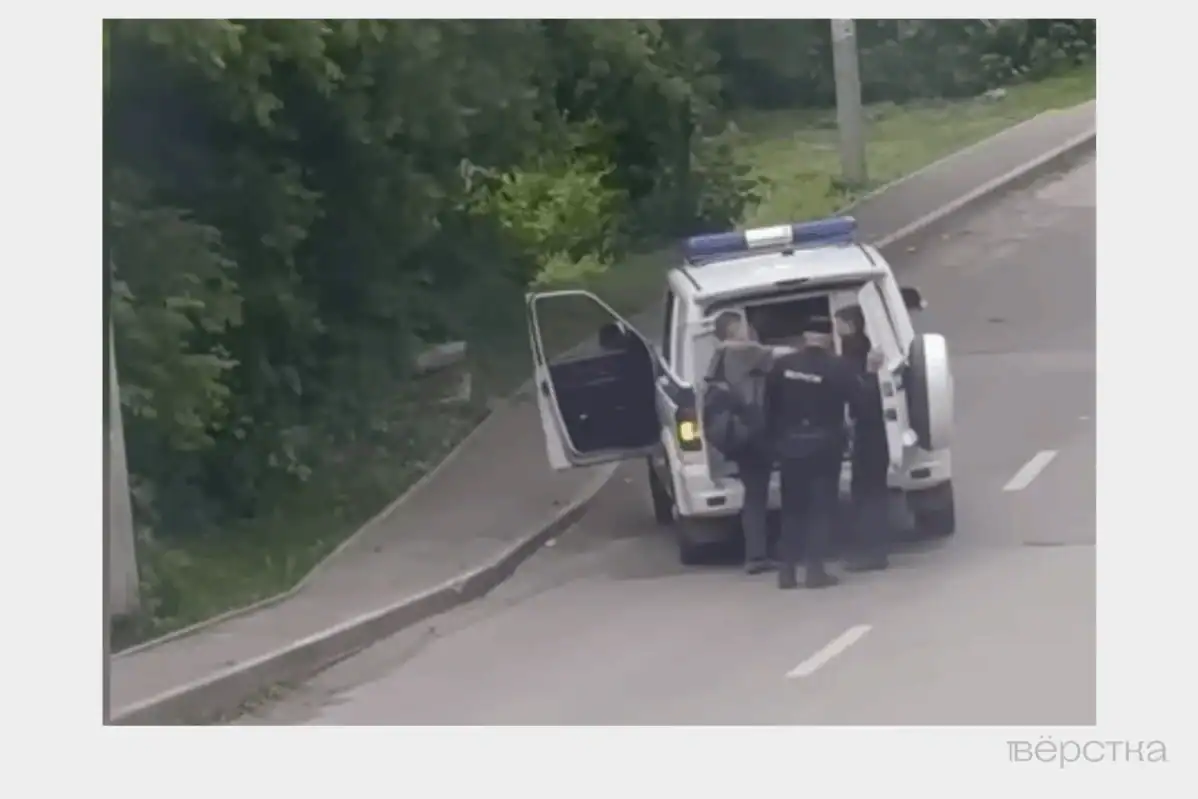
Faced with a shortage of volunteers, Russian authorities have begun actively recruiting individuals under investigation or in custody in exchange for the dismissal of criminal cases, and have also launched a covert recruitment campaign under the guise of “civilian jobs” in the rear. Similar job postings offering large sums of money have even begun to appear in Belarus and China.
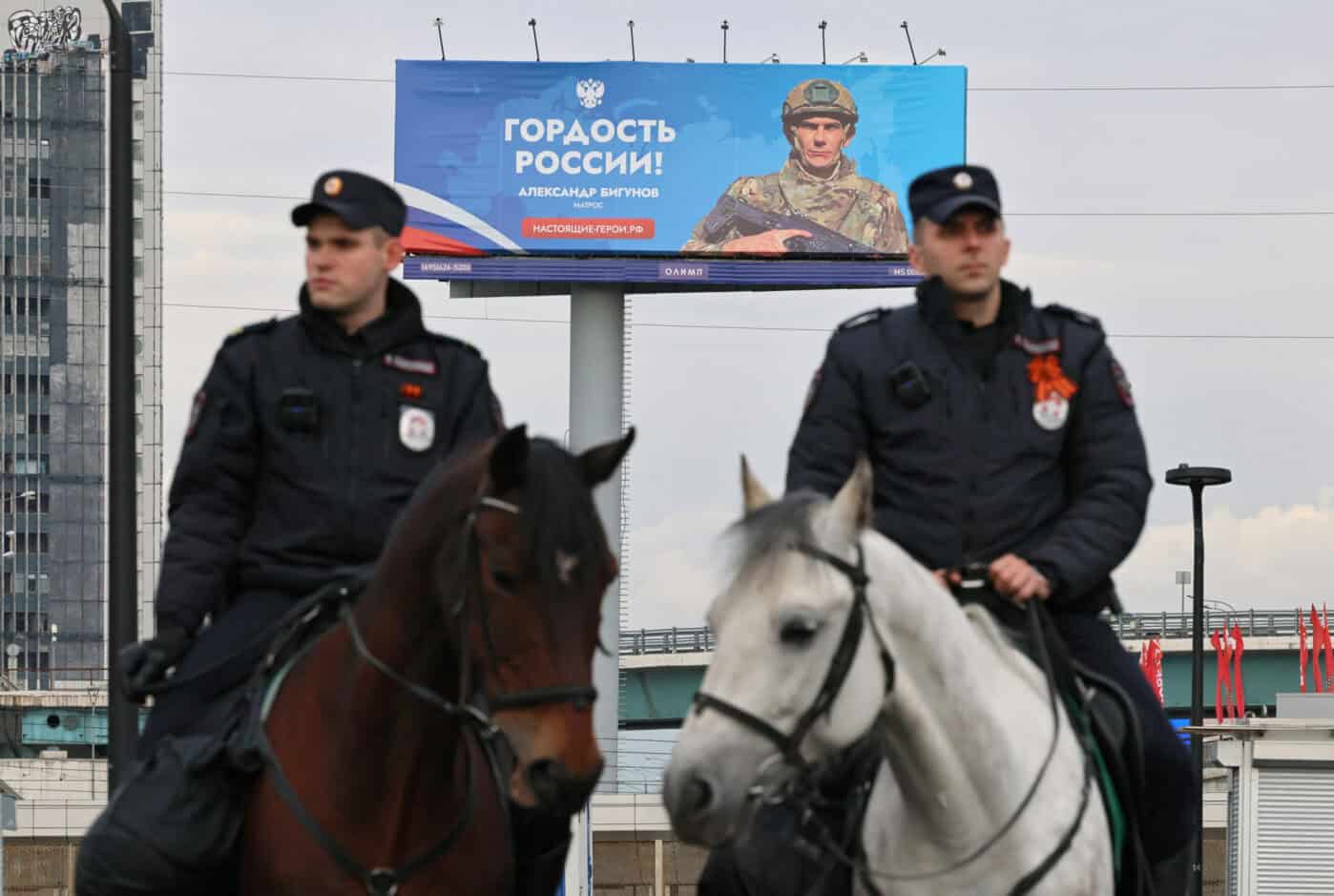
Indirect financial indicators also confirm the decline in recruitment. According to an analysis of the Russian Federation’s federal budget, recruitment rates have been falling since the end of last year, and in the first quarter of 2026, the daily number of new contract soldiers dropped by 20% compared to last year, amounting to about 800–1,000 people.
Sources among Russian troops on the front lines report that the quality of the new contingent has deteriorated significantly. Increasingly, the army is being filled with older people with chronic illnesses, former prisoners, homeless people, and foreign mercenaries who lack basic training and motivation.
Due to their low combat effectiveness, the new contract soldiers are suffering massive losses on the front lines, and a significant portion of the surviving recruits are deserting. According to Russian military officials, units on the front lines are currently manned at only 30–40% of their authorized strength.
The acute manpower shortage has led to a significant slowdown in the advance of Russian troops. By spring, the front line had effectively stabilized, and Russia’s territorial gains had fallen to their lowest levels in recent years.
Russian units lack the resources to hold their positions, and in some areas, Ukrainian forces are recapturing previously lost territory.
The Kremlin, the Russian Ministry of Defense, and the Russian security services are currently actively discussing various roadmaps to reinforce the occupation forces. The scenarios being considered include internal rotations and the deployment of reservists to the front lines who are currently supporting rear-area operations.
Sources also report possible preparations for a new wave of mobilization, which could be announced in October of this year, following the elections. At the same time, the Russian leadership has not yet made a final decision due to fears of economic collapse and rising social discontent.
Підтримати нас можна через:
Приват: 5169 3351 0164 7408 PayPal - [email protected] Стати нашим патроном за лінком ⬇
Subscribe to our newsletter
or on ours Telegram
Thank you!!
You are subscribed to our newsletter