



Popular
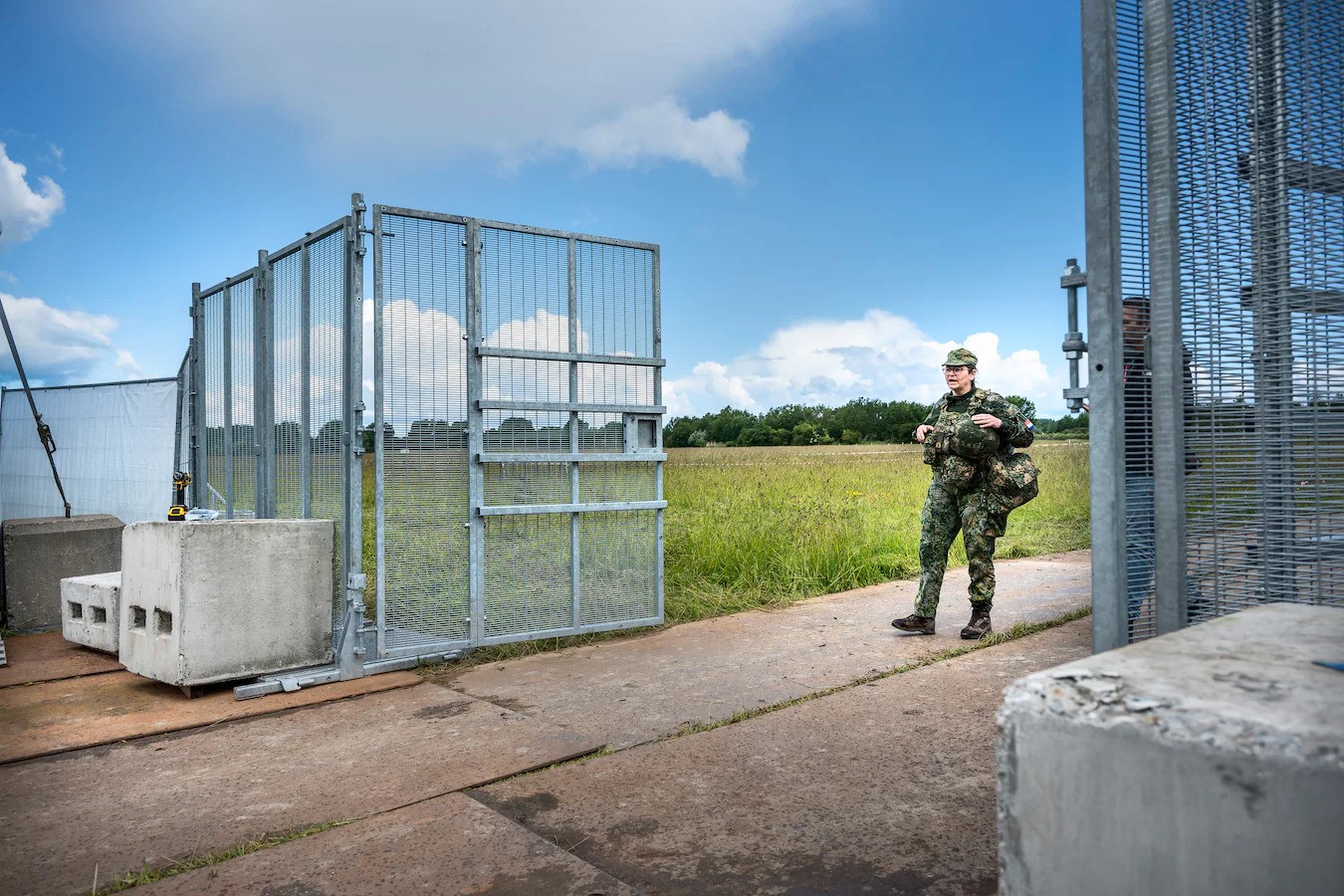
For the first time in over 30 years, the Dutch Armed Forces are practicing the deployment of a prisoner-of-war camp in preparation for a war with Russia.
AD reported on this.
At the Marneheuzen training ground in the province of Groningen, a camp design capable of holding up to 2,000 military personnel is being tested. According to the plan, it can be deployed within one week.
The plan is to involve not only military personnel but also civilian contractors with experience in building facilities for large-scale events, such as music festivals.
The project calls for modern security and surveillance measures. The security system will be based on video surveillance, audio monitoring, and drone surveillance of the territory. There are plans to do away with traditional watchtowers and floodlights.

Prisoners will be housed in white barracks with bunk beds, designed to accommodate up to 20 people. The camp grounds will include exercise areas, showers, a dining hall, and a medical station. Cell phones will be confiscated, but prisoners will be able to correspond with their families.
According to General Nicole de Wolf, commander of the Land Forces Operational Support Command, the conditions of detention will not be worse than those for Dutch military personnel.
In the event of a large-scale conflict, captured soldiers are to be transported deep into the rear, hundreds of kilometers from the front lines, for registration, interrogation, and subsequent detention until a possible exchange.

The Dutch military emphasizes that the humane treatment of prisoners of war is not only a requirement of international law but also a matter of reciprocity.
According to de Wolf, the command expects a similar attitude toward its own soldiers should they be captured by the Russians.
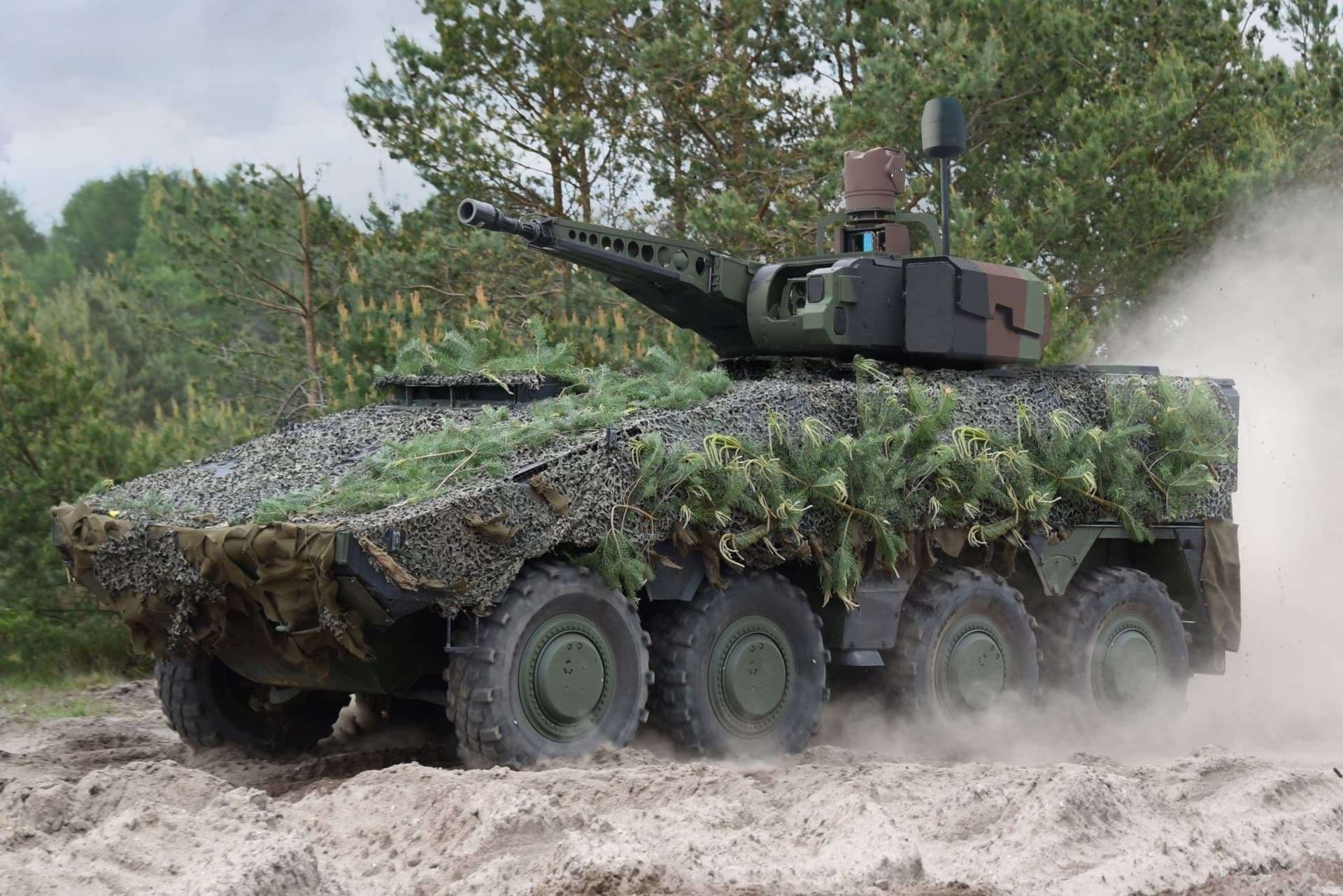
In addition to domestic training, it was reported in late May that a German-Dutch corps will strengthen the defenses of the Baltic states as part of the creation of a new NATO structure designed to facilitate the rapid deployment of forces in the event of a war with Russia.
In this way, the North Atlantic Alliance aims to strengthen the defense of its eastern flank, particularly Latvia and Estonia.
Підтримати нас можна через:
Приват: 5169 3351 0164 7408 PayPal - [email protected] Стати нашим патроном за лінком ⬇
Subscribe to our newsletter
or on ours Telegram
Thank you!!
You are subscribed to our newsletter