


Popular
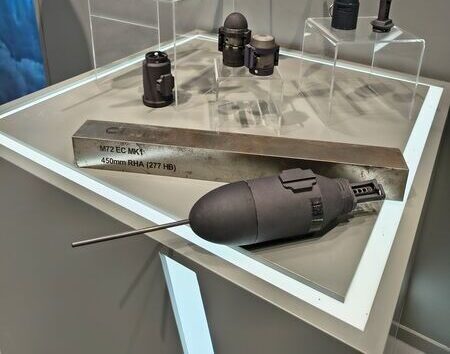
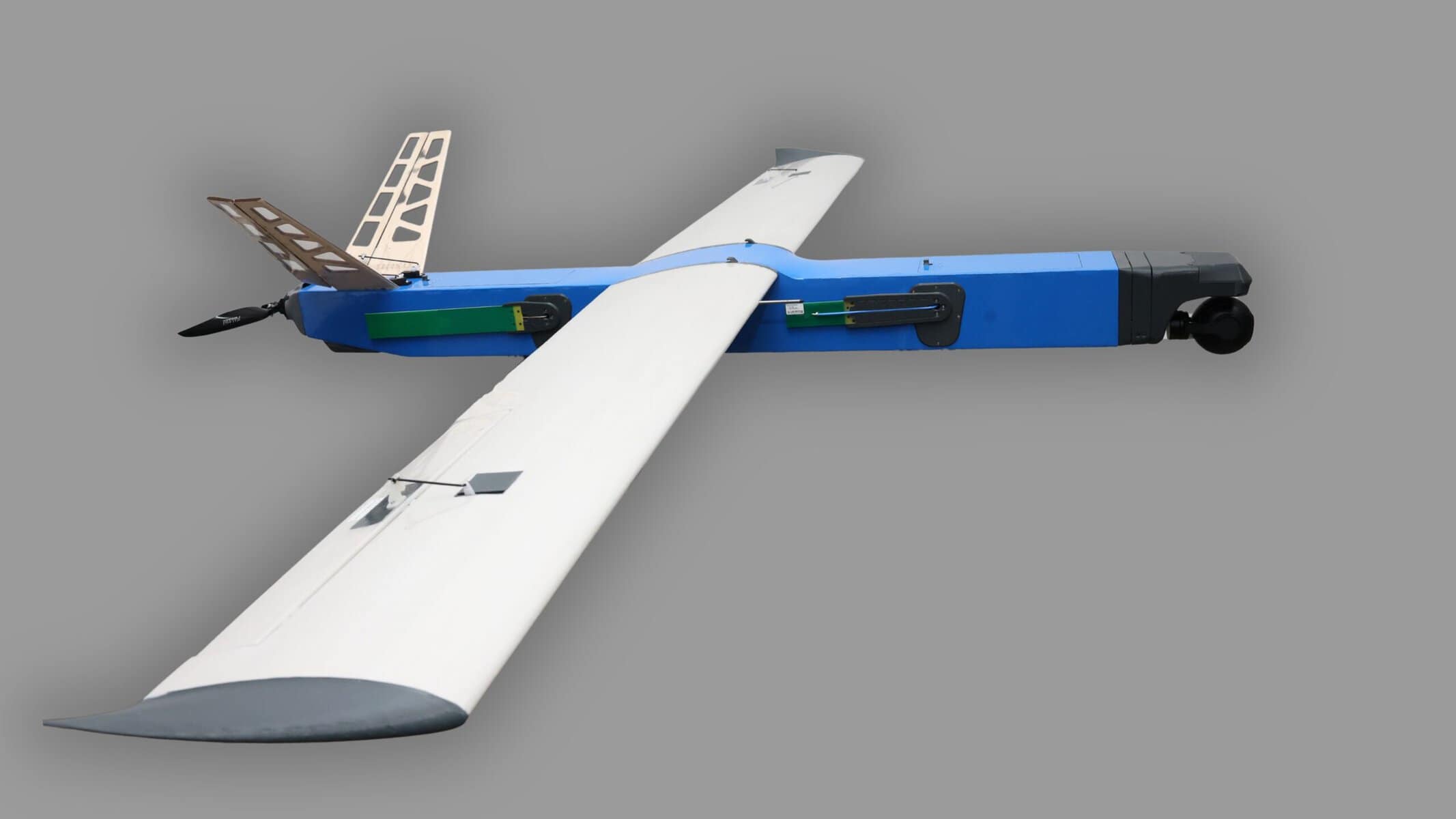
Norwegian defense company Nammo has supplied the Ukrainian Defense Forces with hundreds of thousands of N7 shaped-charge warheads for use with munition-dropping drones and FPV drones.
Torstein Korsvold, Nammo’s Director of Communications, disclosed the deliveries to Janes during the Eurosatory 2026 defense exhibition.
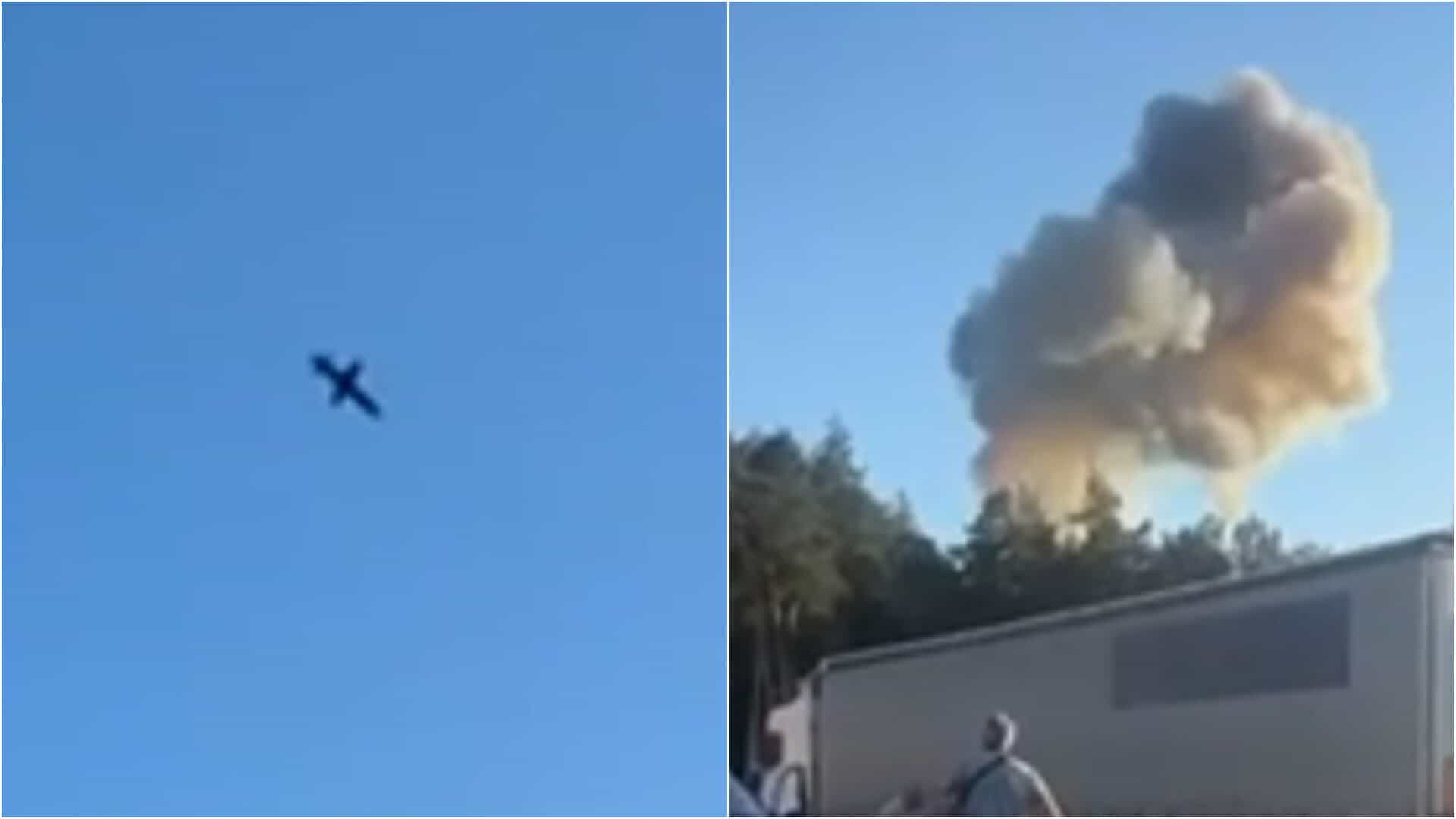
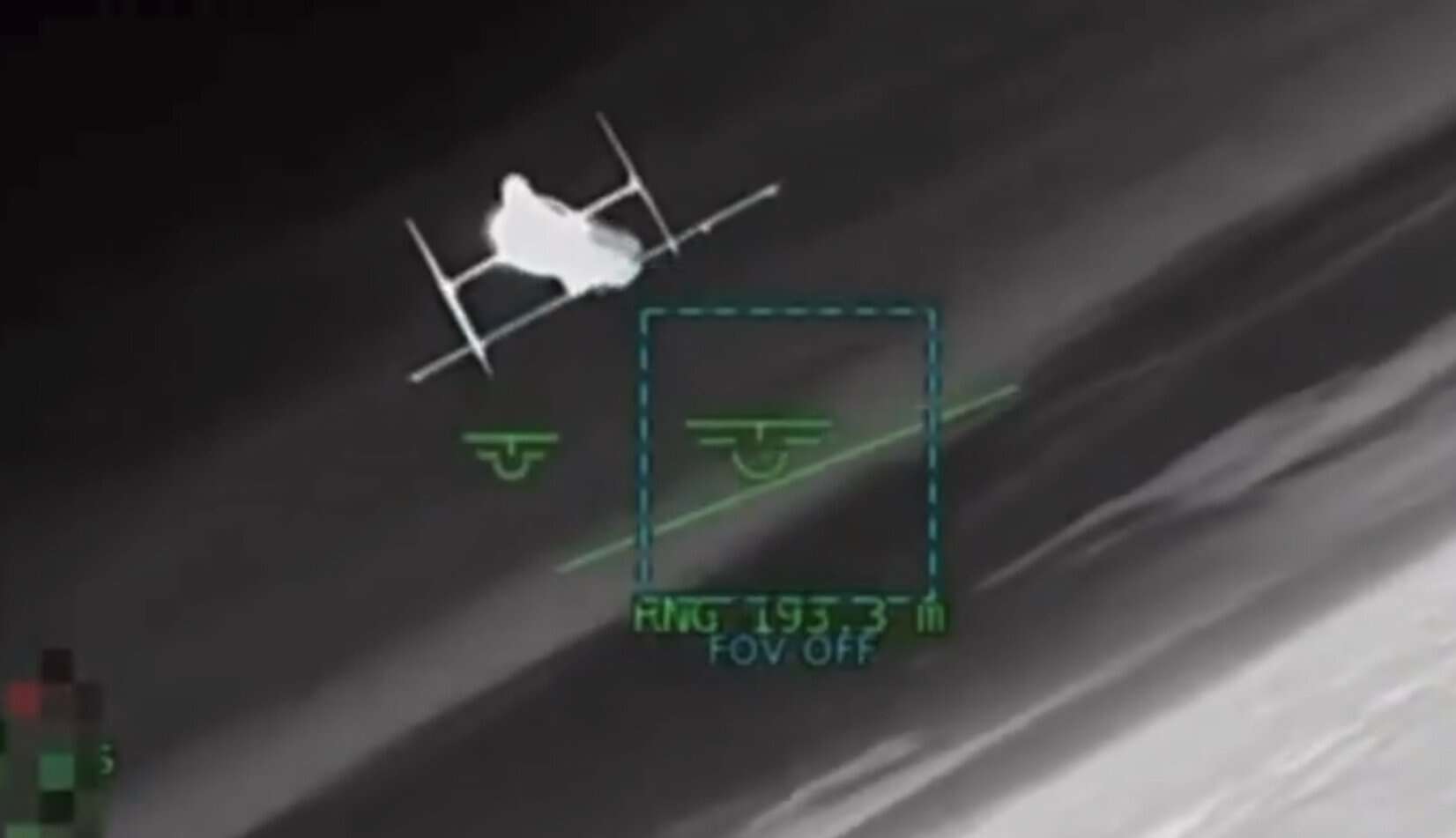
Nammo representatives showed Janes journalists a video demonstrating a typical employment scenario for the system, in which the munition was dropped onto a Russian multiple launch rocket system (MLRS).
“The shaped-charge warhead struck the rocket pod at the rear of the MLRS and ignited the propellant. As a result, one of the rockets traveled straight through the driver’s cab, set the truck on fire, and triggered an explosion,” Sigurd Harshaim, a representative responsible for project management, sales, and marketing at Nammo, shared.

According to company representatives, N7 munitions have already been sold to Ukraine in six-figure quantities. Some units of the Ukrainian Armed Forces have been equipping various UAVs with warheads for “quite some time.”
The N7 is a 66 mm shaped-charge munition weighing 1.5 kg, capable of penetrating up to 450 mm of medium-hardness rolled homogeneous armor (RHA).
For drone applications, Nammo developed a new electronic fuze that can be quickly armed with a built-in safety delay, allowing the operator time to move to a safe distance.
Once armed, the fuze cannot be reset to the safe state. The device is equipped with an internal battery and is designed to detonate either upon release from a bomber drone or upon impact when used with an FPV drone.

The fuze can also be electronically controlled via the host aircraft’s power supply. In this configuration, the munition detonates on impact, while the operator can switch it between safe and armed modes as required, allowing the drone to return safely if no target is identified.
In April 2026, Norwegian defense company Nammo delivered its latest Scalable Offensive Hand Grenade (SOHG) systems to the Ukrainian Armed Forces.
The SOHG is based on the design of the HGO 115-3.5 offensive hand grenade. It features a cylindrical polymer body with attachment points for the fuze and additional modules, enabling a modular configuration.
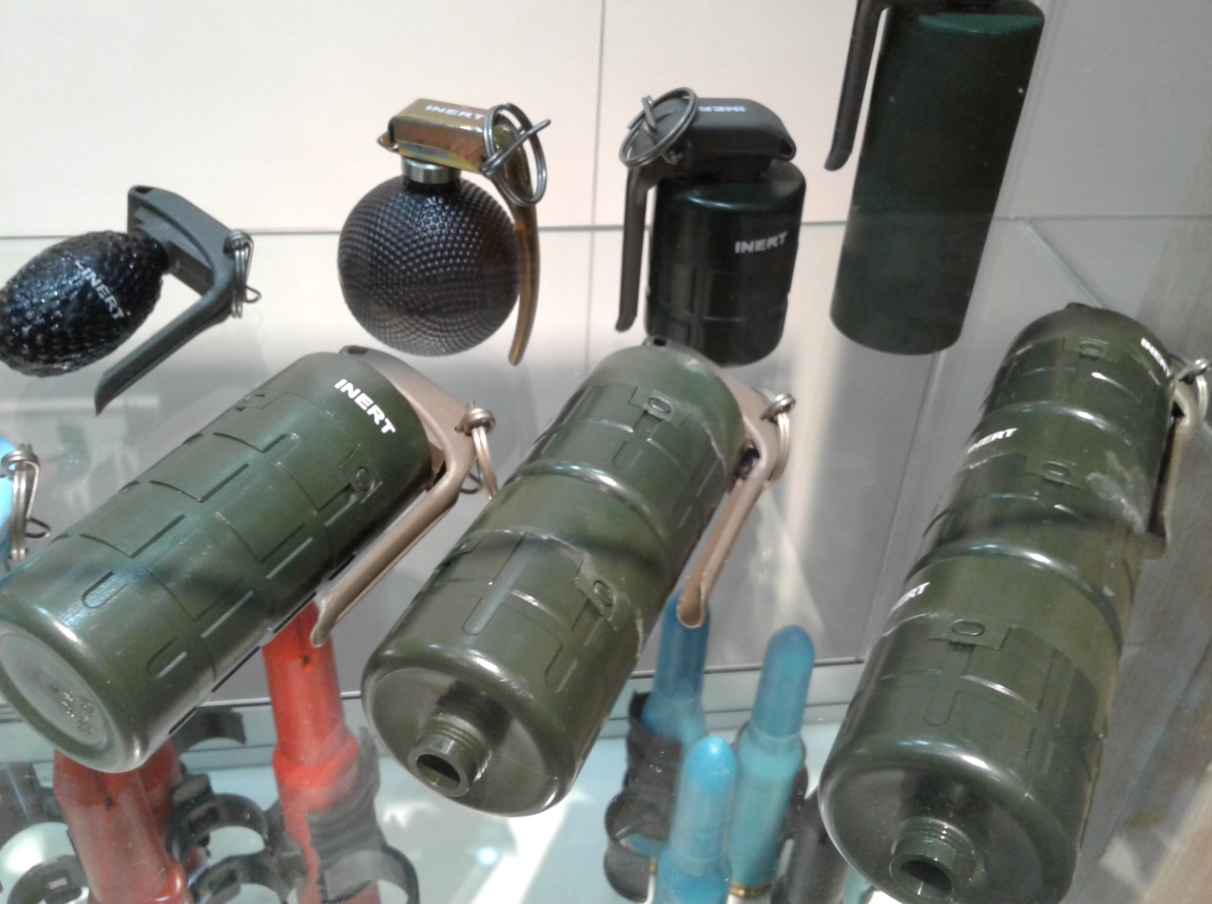
Multiple SOHG grenades can be connected together to form a single elongated charge. While the design does not inherently prevent additional modules from being linked, the manufacturer recommends combining no more than three modules into a single charge.
Each SOHG grenade module has an overall height of approximately 90 mm and a diameter of 53 mm. The module weighs 140 g.
Підтримати нас можна через:
Приват: 5169 3351 0164 7408 PayPal - [email protected] Стати нашим патроном за лінком ⬇
Subscribe to our newsletter
or on ours Telegram
Thank you!!
You are subscribed to our newsletter