






Popular
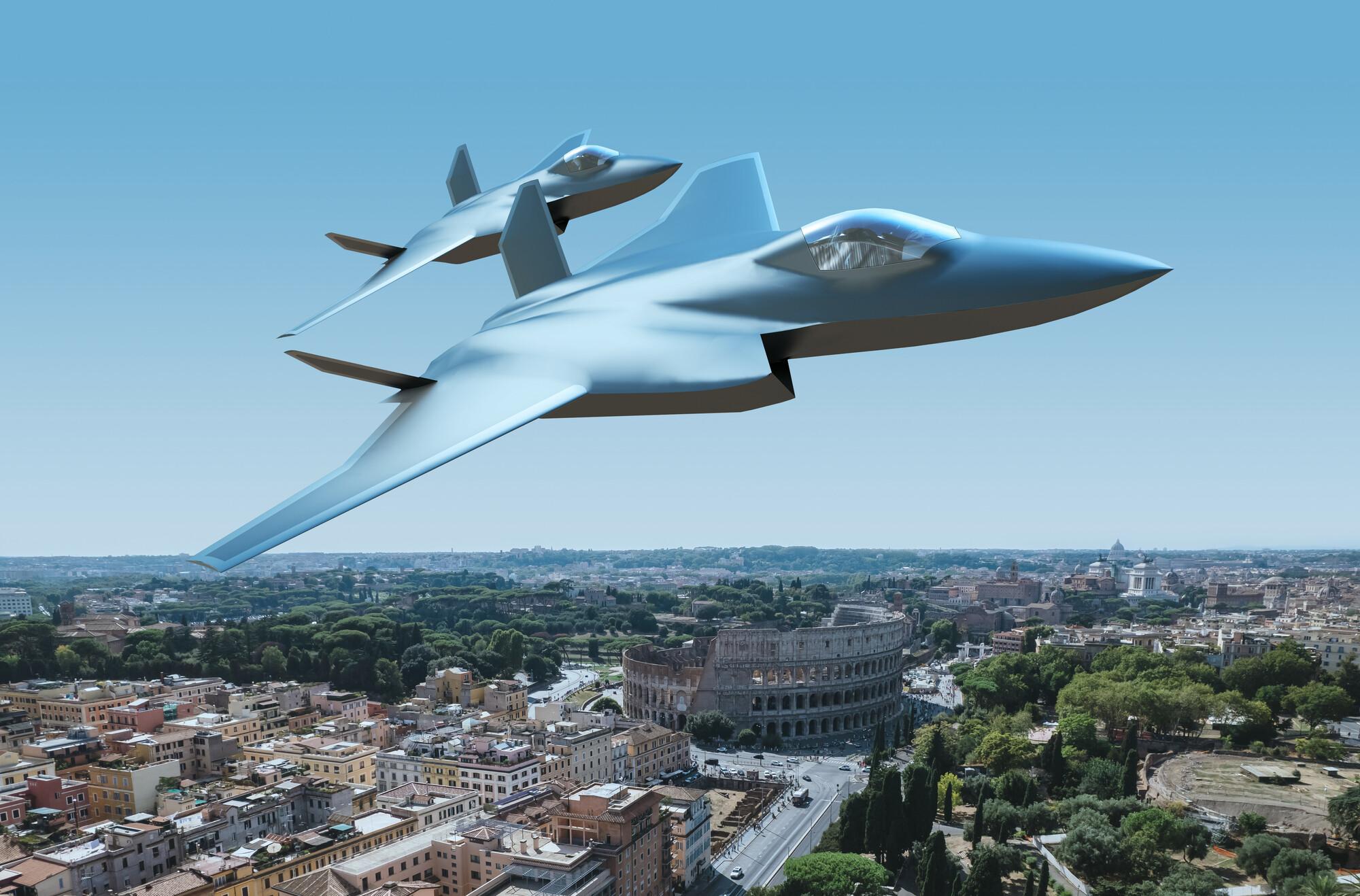
BAE Systems is completing the manufacture of key components for the Future Combat Air Demonstrator (FCAD).
This aircraft is intended to pave the way for the development of a 6th-generation fighter jet as part of the trilateral Global Combat Air Program (GCAP), which the United Kingdom is implementing jointly with Italy and Japan, according to Aviation Week.
Currently, approximately 75% of the demonstrator has been manufactured, and its large structural sections have been in production for the past 12–18 months.
Tony Godbold, FCAS Program Supply Chain Director at BAE Systems, stated that the company aims to present the completed aircraft by the end of 2027.
The new aircraft will be the largest aircraft assembled in the United Kingdom since the Nimrod MRA4 patrol aircraft. According to available data, the demonstrator is at least one-third longer than the Eurofighter Typhoon fighter jet, and the production-model GCAP combat aircraft is planned to be even larger.
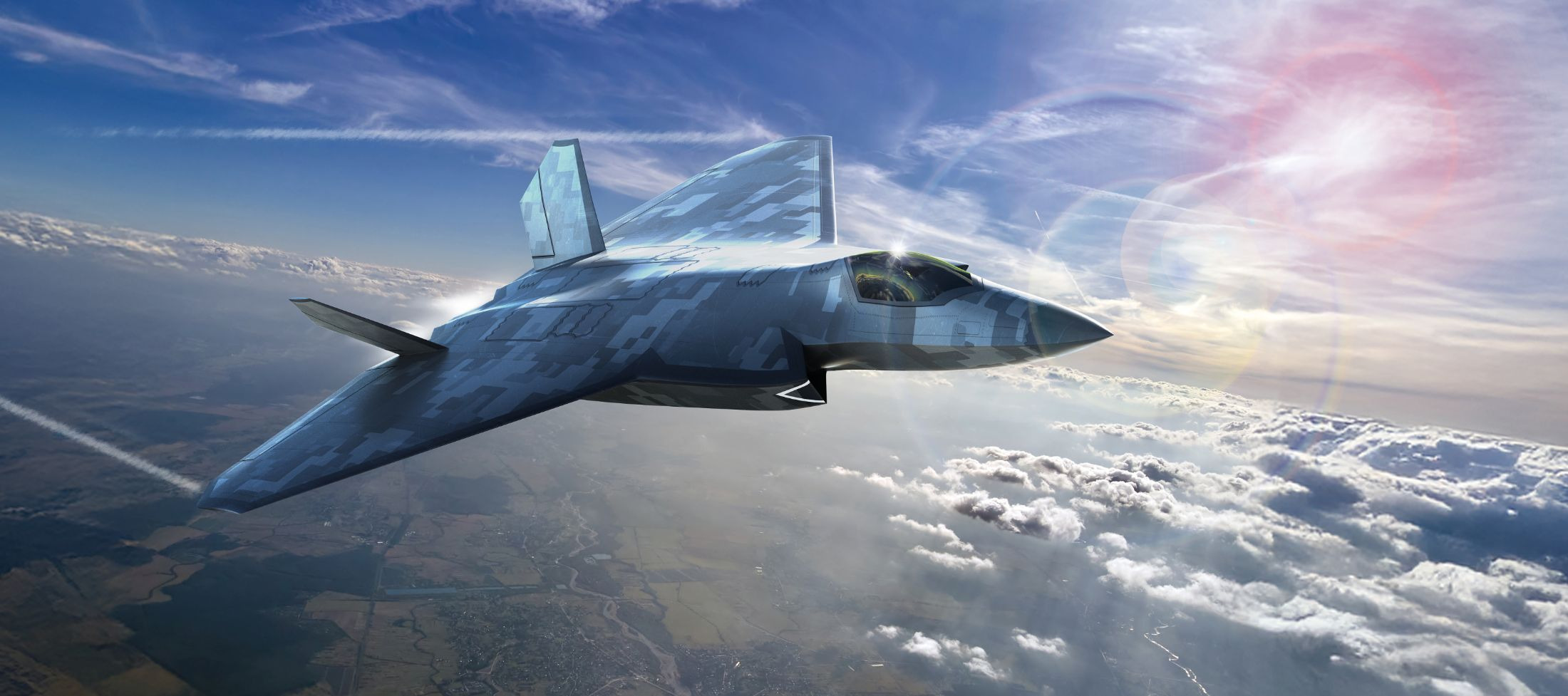
The main design feature of the central fuselage section is two deep internal weapon bays located in front of the main landing gear struts.
Their size will allow the demonstrator to carry approximately twice as much weaponry as the American F-35’s internal compartments and potentially accommodate missiles with a larger diameter.
To reduce the aircraft’s radar cross-section, engineers added chamfered edges to the frames at the landing gear door mounting points, and the air intake-fuselage junction was manufactured as a single component using 3D printing.
The demonstrator will be equipped with two Eurojet EJ200 engines featuring modified nozzles, and its large vertical stabilizers will be comparable in size to the tail of a Tornado bomber.
Next year, the aircraft’s fuselage will be transported to a facility in Warton to be joined with the wings. Ahead of the first flight, test pilots have already logged over 300 hours on the simulator.
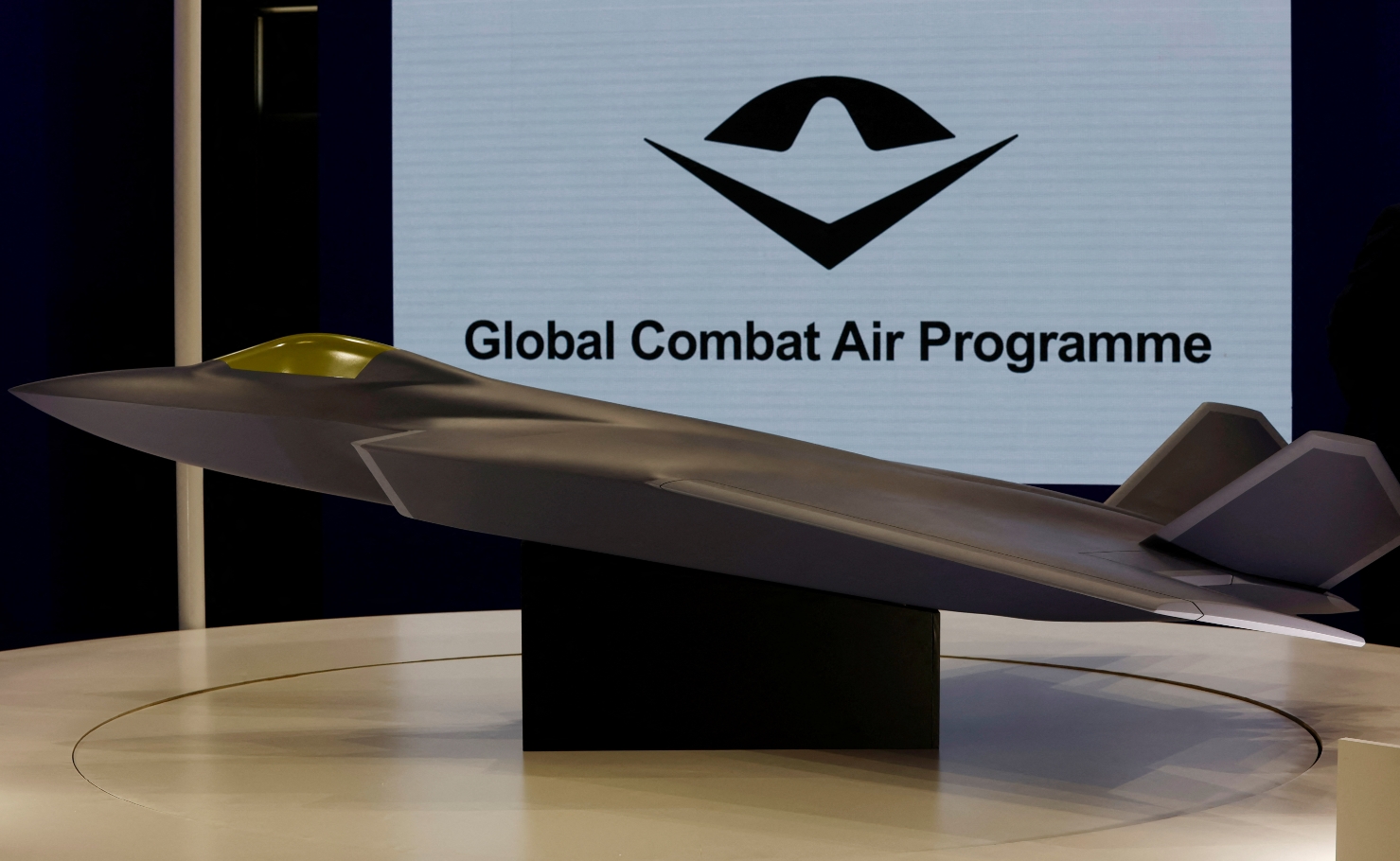
The main goal of the FCAD program is to mitigate technical risks early, before serial production begins.
The real-world data obtained will help the partners accelerate the development of a new-generation fighter jet, which Japan plans to adopt as early as 2035 to replace the F-2, and which Britain and Italy plan to use to replace their Eurofighter Typhoon fleets.
Підтримати нас можна через:
Приват: 5169 3351 0164 7408 PayPal - [email protected] Стати нашим патроном за лінком ⬇
Subscribe to our newsletter
or on ours Telegram
Thank you!!
You are subscribed to our newsletter