



Popular
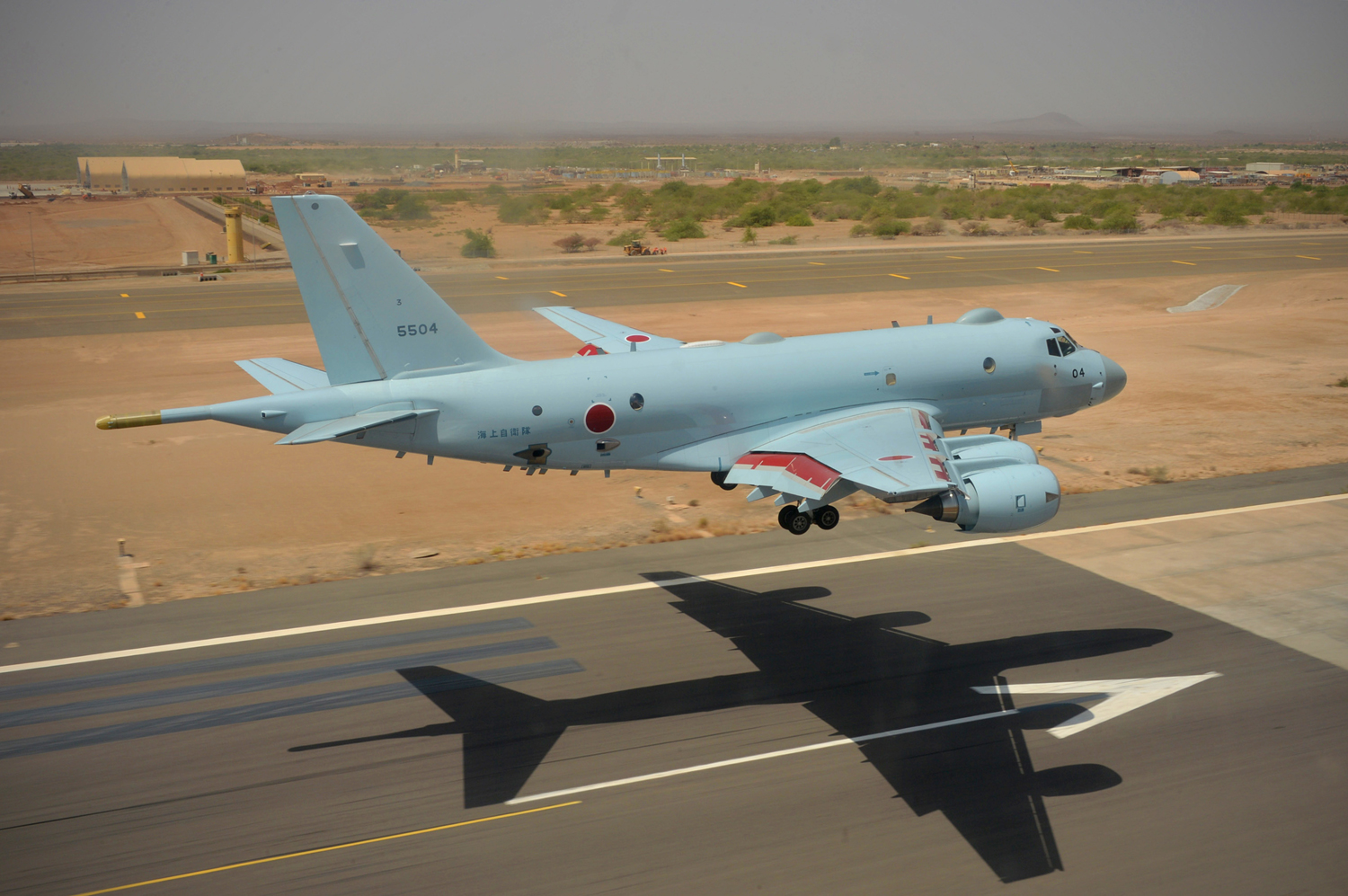
Japan has deployed a Kawasaki P-1 patrol aircraft to Djibouti to participate in an anti-piracy operation off the coast of Somalia.
According to the Japanese Ministry of Defense, the Japan Maritime Self-Defense Force aircraft departed Atsugi Air Base in Kanagawa Prefecture on August 9.
From Djibouti, Japanese forces conduct operations to protect shipping along the important route in the Gulf of Aden and off the coast of Somalia.
This marks the first deployment of a P-1 to Djibouti as part of Japan’s anti-piracy operation.

Previously, Kawasaki P-3C patrol aircraft based at Japan’s facility in Djibouti were used to carry out such missions.
The new aircraft has been integrated into the 60th Deployment Air Detachment for Counter-Piracy Enforcement. Meanwhile, the 59th Air Squadron for Counter-Piracy Operations, from the 2nd Fleet Air Wing in Hachinohe, is completing its mission.
The pilots are ferrying the P-3C patrol aircraft back to Japan. On August 22, the crews will land at Naha Air Base, and on August 23, they will arrive at Hachinohe Air Base.
Japan has participated in the anti-piracy operation off the coast of Somalia since 2009. Djibouti serves as the main base of operations for Japanese forces carrying out this mission.
In March 2026, Militarnyi reported that the leaders of the United Kingdom, France, Germany, Italy, the Netherlands, and Japan were prepared to help ensure the passage of vessels through the Strait of Hormuz.
Japan’s military base in Djibouti is the first and, so far, the only overseas military facility operated by the Japan Self-Defense Forces. The base was opened in July 2011 near Djibouti–Ambouli International Airport, directly adjacent to the U.S. Camp Lemonnier.
The base was established as a result of Japan’s participation in the international operation against Somali pirates in the Gulf of Aden and the Red Sea – waters of critical importance to Japanese commercial shipping, as they serve as a route for oil supplies to Japan.
Initially, the facility covered approximately 12 hectares, where P-3C Orion maritime patrol aircraft were stationed, and the total size of the contingent was approximately 180 personnel.

Two units are stationed at the base: the Deployment Air Force for Counter Piracy Enforcement, which is responsible for the air component, and the Deployment Support Group for Counter Piracy Enforcement, which provides logistics and support.
In 2017, Japan agreed to expand the leased site by an additional 3 hectares to the east, bringing the total area to approximately 15 hectares.
The expansion took place in the same year that China’s first overseas military base became operational nearby – a facility that Beijing officially describes as a logistics hub for peacekeeping and humanitarian missions.
In addition to the air component, Japanese naval vessels also make port calls in Djibouti for refueling, replenishing supplies, and allowing crews to rest.
Підтримати нас можна через:
Приват: 5169 3351 0164 7408 PayPal - [email protected] Стати нашим патроном за лінком ⬇
Subscribe to our newsletter
or on ours Telegram
Thank you!!
You are subscribed to our newsletter