





Popular
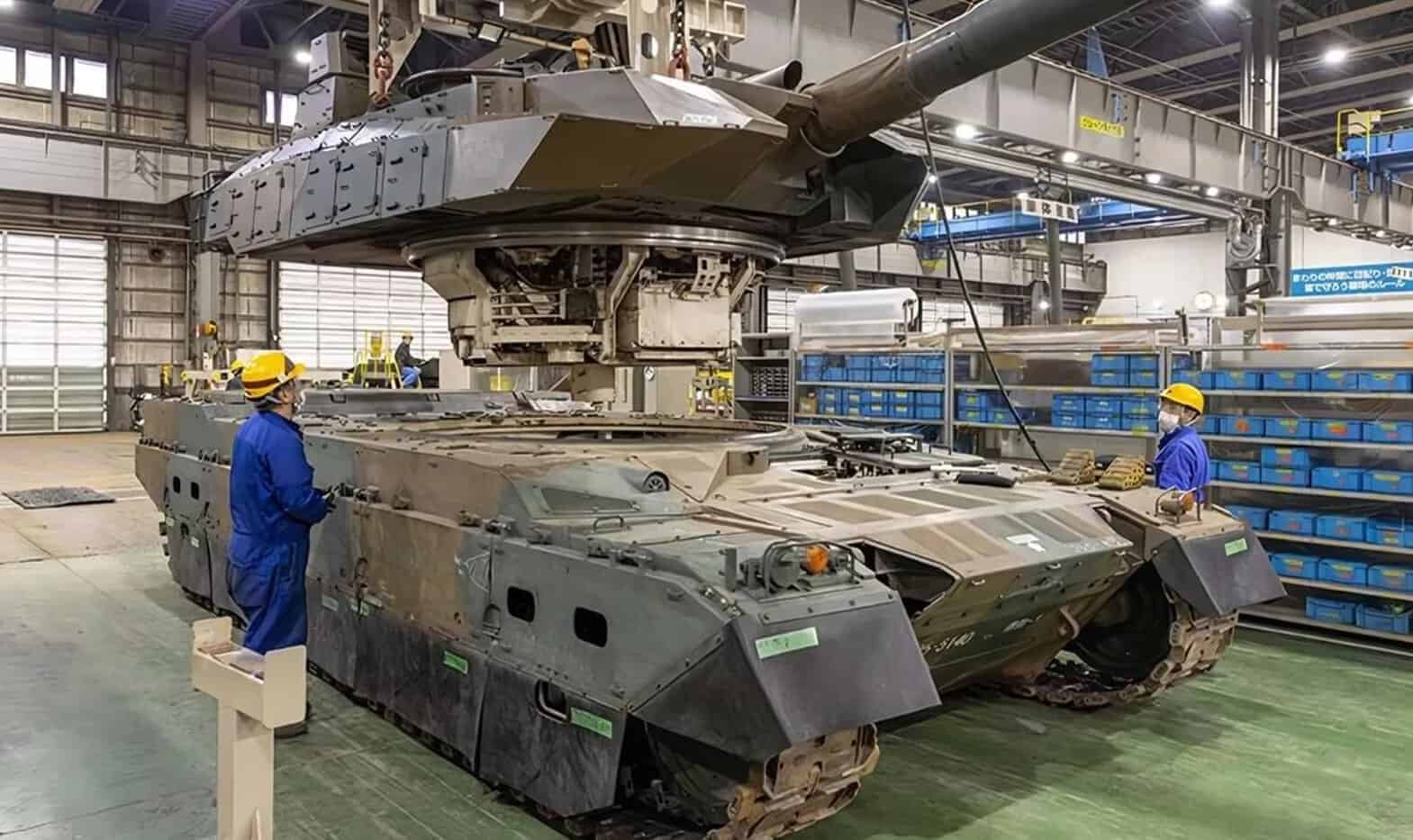
Japan is considering creating its own version of the U.S. Foreign Military Sales (FMS) program as part of efforts to expand exports of its defense products.
This was reported by the Australian Defence media outlet, citing Japanese Defense Minister Shinjirō Koizumi.
According to the report, the proposal calls for establishing an independent administrative agency to coordinate public-private and interagency efforts to support defense exporters.
The proposed agency would act as a single point of contact for foreign buyers, provide post-export support and personnel training, help fund new entrants to the domestic defense industry, and nationalize production lines if needed to increase manufacturing capacity during periods of sharply increased demand.
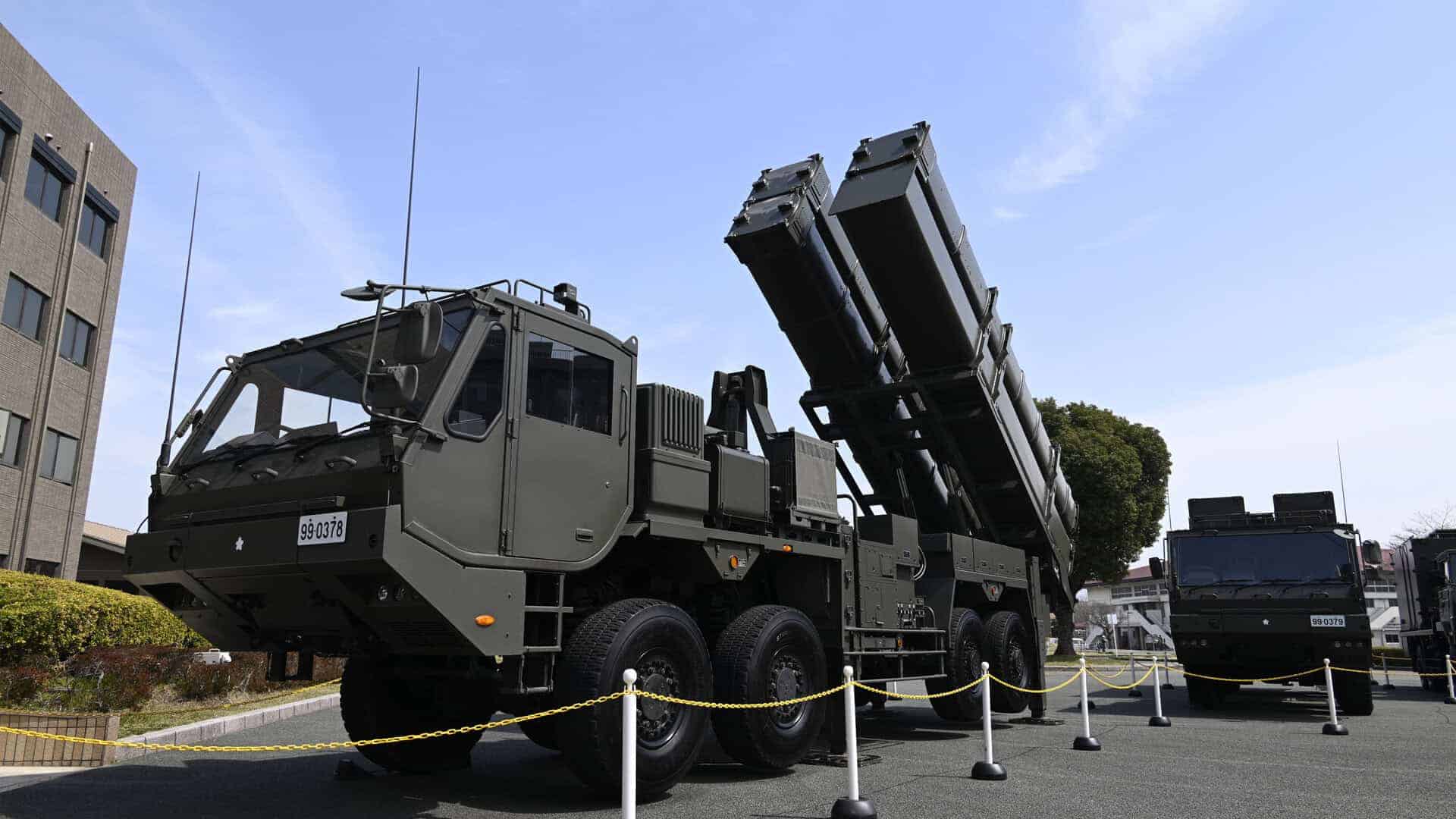
The publication noted that many of these proposals are consistent with recommendations issued by the government’s Defense Industry Working Group in April.
However, at a June 12 press conference, Japanese Defense Minister Shinjirō Koizumi, who co-chaired the working group, said that nothing has been decided yet. He added that the government is working with relevant agencies to examine specific mechanisms and measures to promote defense equipment exports.
In April 2026, the Japanese government abolished the five categories of restrictions on arms exports, allowing exports of lethal weapons for the first time since World War II.
Previously, exports were limited to five non-combat categories: rescue, transportation, warning, surveillance, and mine-clearing equipment.
Under the approved changes, all defense equipment will be classified as either “weapons” or “non-weapons” based on its lethal capabilities. Exports of non-lethal equipment, such as radar warning and control systems, will not be restricted.
Exports of lethal weapons are now permitted, but only to countries that have signed agreements with Japan on the protection of classified defense equipment and technology.

Japan currently has such agreements with 17 countries: the United States, India, Germany, Indonesia, Sweden, Mongolia, the United Kingdom, the Philippines, Malaysia, Vietnam, Singapore, Bangladesh, Australia, France, Italy, Thailand, and the UAE.
Exports to countries engaged in active hostilities remain prohibited, although exceptions may be made under “special circumstances.” This theoretically leaves open the possibility of supplying Japanese weapons to Ukraine, as such decisions are made on political grounds.
For more details, see the special report, “Japan as a New Actor in the Global Arms Market,” prepared as part of the cooperation between Militarnyi and the International Analytical and Information Community Resurgam.
Підтримати нас можна через:
Приват: 5169 3351 0164 7408 PayPal - [email protected] Стати нашим патроном за лінком ⬇
Subscribe to our newsletter
or on ours Telegram
Thank you!!
You are subscribed to our newsletter