





Popular
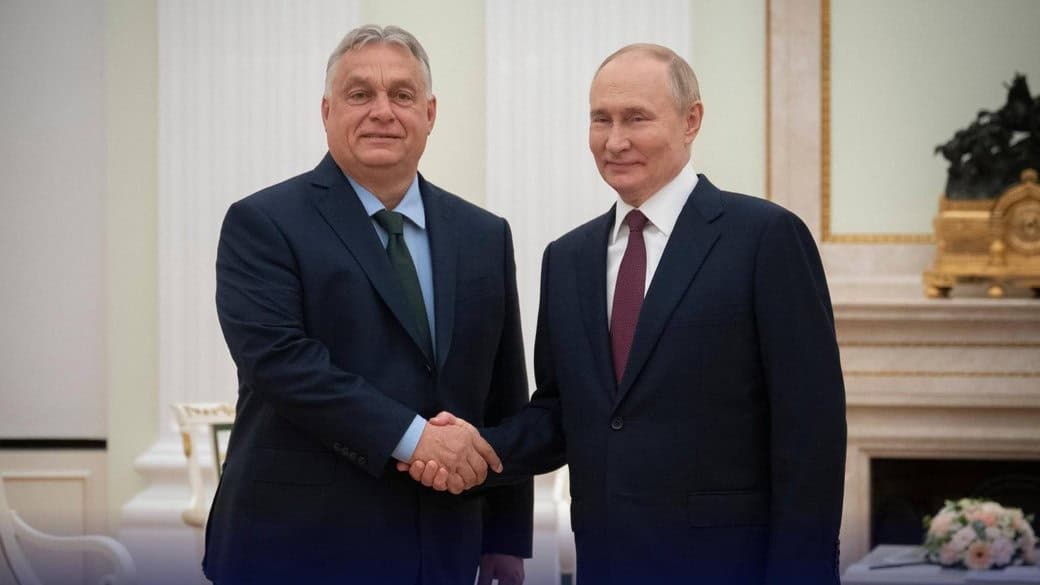
Hungarian Defense Minister Romulus Rusin-Szendy stated that the country must restore the trust of its allies following the policies of the previous government.
This was reported by Telex.
“Hungary must rebuild trust with its allies, and as for the Russians, we are shutting the door on them,” the minister said.
Responding to a question about the top priority in the defense sector, Rusin-Szendy noted that, first and foremost, the new government must formulate a long-term vision for development and devise a strategy that takes into account the interests of both the country and its allies.
According to him, the interests of Hungary and its partners align, so one of the key tasks is to restore trust.
One of the new government’s first steps was to apologize to certain allies, notably Finland, whose accession to NATO had been delayed by the previous administration. The minister noted that as a military officer, he considered the previous administration’s attitude unacceptable.
Rusin-Szendy also recalled the agreement among NATO member states to increase defense spending to 5% of GDP. According to him, Hungary will definitely fulfill this commitment by 2035, but currently has other priorities.
Militarnyi recently has reported that Hungarian intelligence services used the country’s diplomatic mission in Brussels to gather confidential information and recruit European Union officials.
According to the documents released, the Hungarian spy network operated from 2013 to 2016, with its highest level of activity occurring in 2015. Several Hungarian intelligence officers were sent to Brussels to work at the diplomatic mission.
Using their diplomatic status, they established contacts with European Commission officials of Hungarian origin and attempted to obtain information on issues of interest to the Hungarian government.
In March, a NATO representative stated that the Alliance was not surprised by reports of Hungary’s possible transfer of confidential information to Russia. This refers, in particular, to information from closed-door meetings of the Council of the European Union.
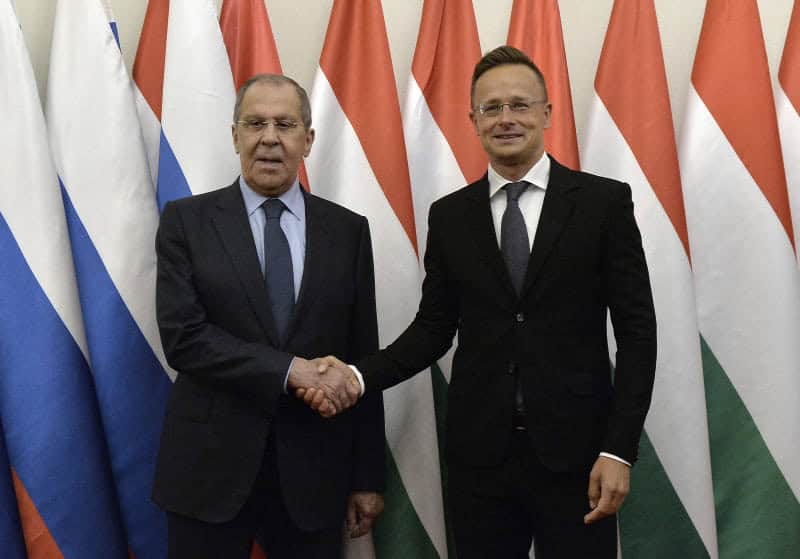
Prior to this, The Washington Post reported that Péter Szijjártó, Hungary’s foreign minister at the time, regularly provided Russian Foreign Minister Sergey Lavrov with “operational reports on discussions” from European Union meetings.
Підтримати нас можна через:
Приват: 5169 3351 0164 7408 PayPal - [email protected] Стати нашим патроном за лінком ⬇
Subscribe to our newsletter
or on ours Telegram
Thank you!!
You are subscribed to our newsletter