


Popular
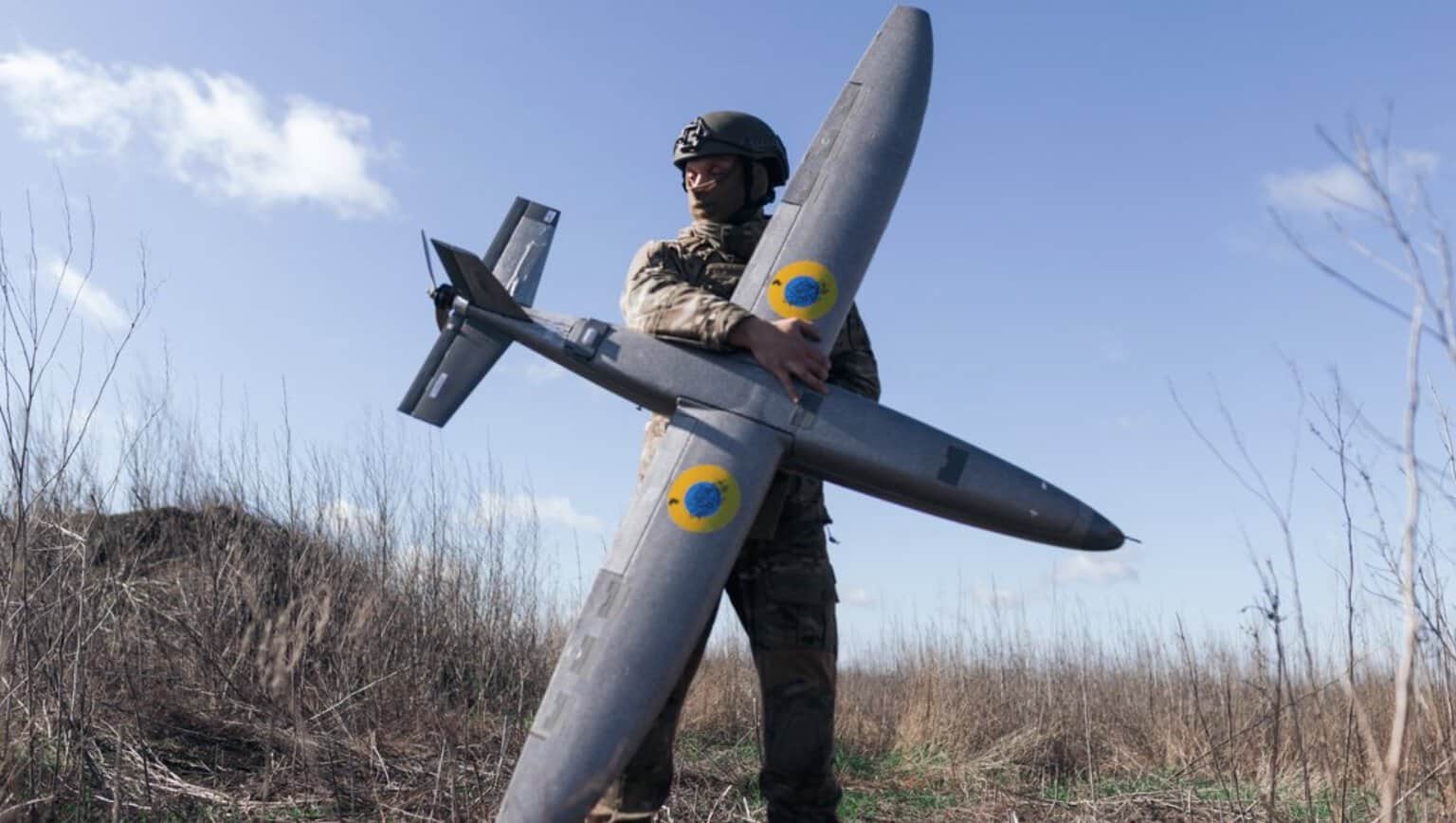
Russian forces have established a multi-layered system to counter Ukraine’s Hornet strike drones.
The system combines radio reconnaissance assets, electronic warfare (EW) systems, mobile fire teams, and specialized interceptor drones.
Russian propagandist Aleksey Smirnov described the methods. According to him, there is currently no universal, ready-made system capable of countering the Hornet.
Instead, Russian forces employ several successive layers of defense: long-range, mid-range, and close-range.
At the long-range layer, the primary focus is not on the drone itself, but on locating and targeting its operator.
To counter Hornet variants (also referred to as the Martian-2) that use Starlink satellite communications, Russian forces employ radio reconnaissance (signals intelligence) systems.
In particular, the Russian Kalina system uses directional detectors capable of identifying the characteristic emissions of Starlink terminals from several kilometers away and determining the direction of the signal source.
In the frontline zone, efforts are focused on standard Hornet versions that rely on a conventional radio-frequency control link.
One challenge for Russian electronic warfare (EW) systems is that the Hornet operates in frequency bands atypical for most strike drones – approximately 160–450 MHz – and also uses horizontal signal polarization.
To detect these UAVs, Russian forces are adapting detectors from the Ten family.
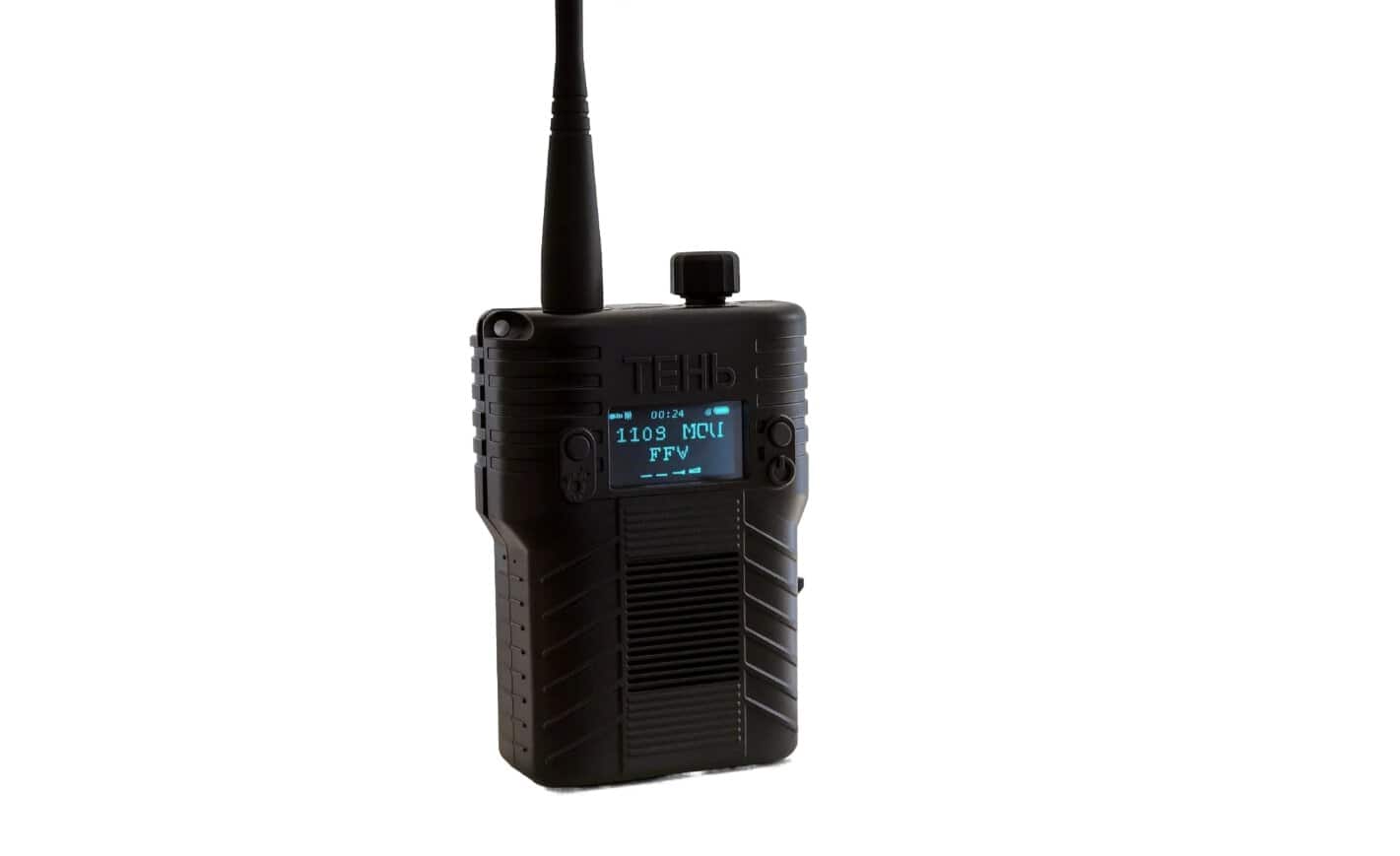
These systems operate by analyzing the signatures of communication links. For a long time, however, they were unable to detect the Hornet because its signal parameters were not included in their signature database. These libraries are now being updated to enable automatic identification of the Ukrainian UAV.
Once the target is detected, the Groza-07K and Groza-03 electronic warfare (EW) systems are employed.
These systems are being retuned to match the Hornet’s operating frequencies, while their antennas are configured for horizontal polarization or operated simultaneously in both polarization planes to increase the effectiveness of signal jamming.
In the immediate vicinity of protected facilities, mobile fire teams are deployed.
These typically consist of pickup trucks or off-road vehicles equipped with Kord, DShKM, or Utyos heavy machine guns, or ZU-23-2 twin 23 mm anti-aircraft gun systems.
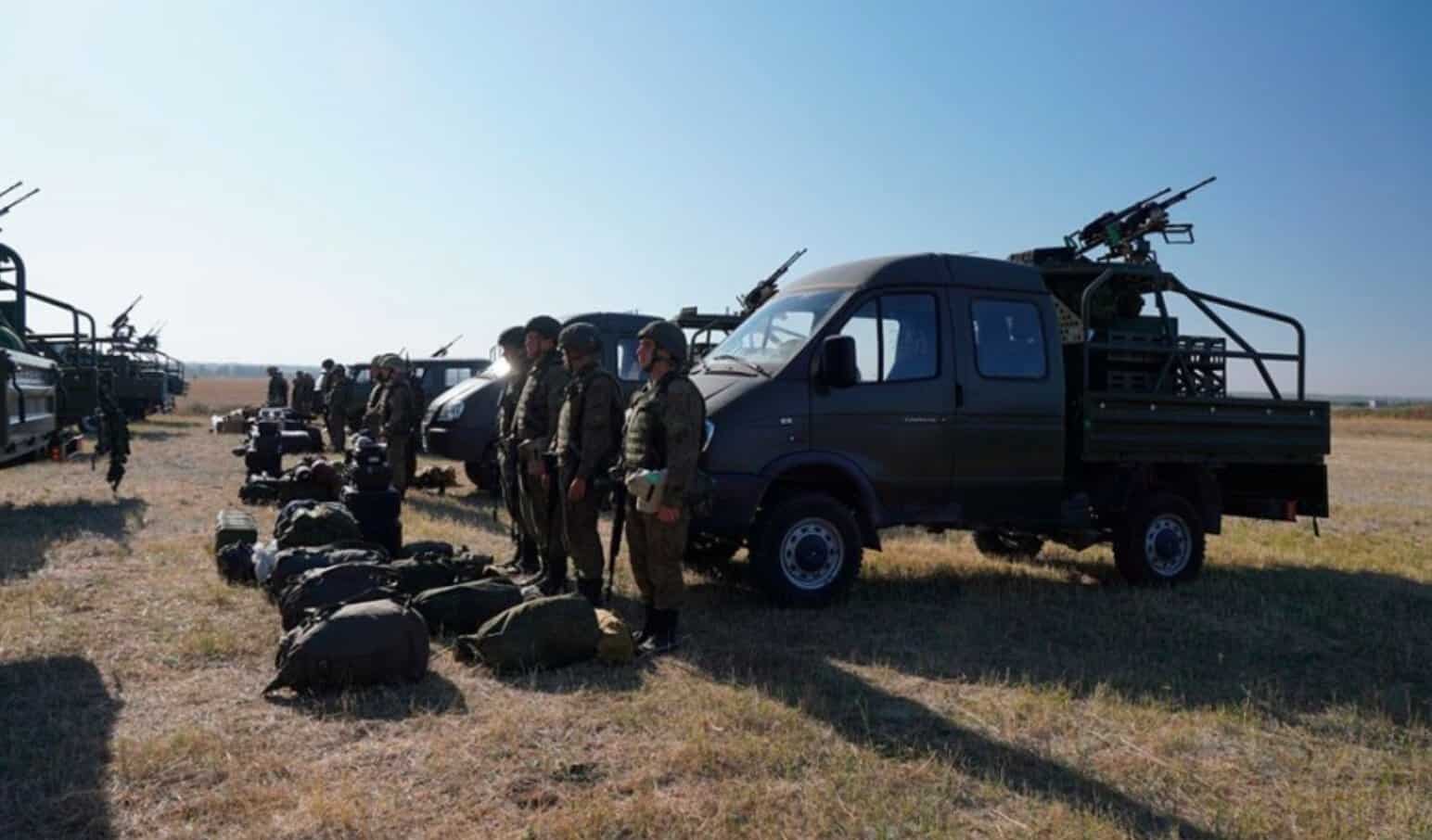
Such teams coordinate with observation posts and rapidly deploy to the area where the target has been detected.
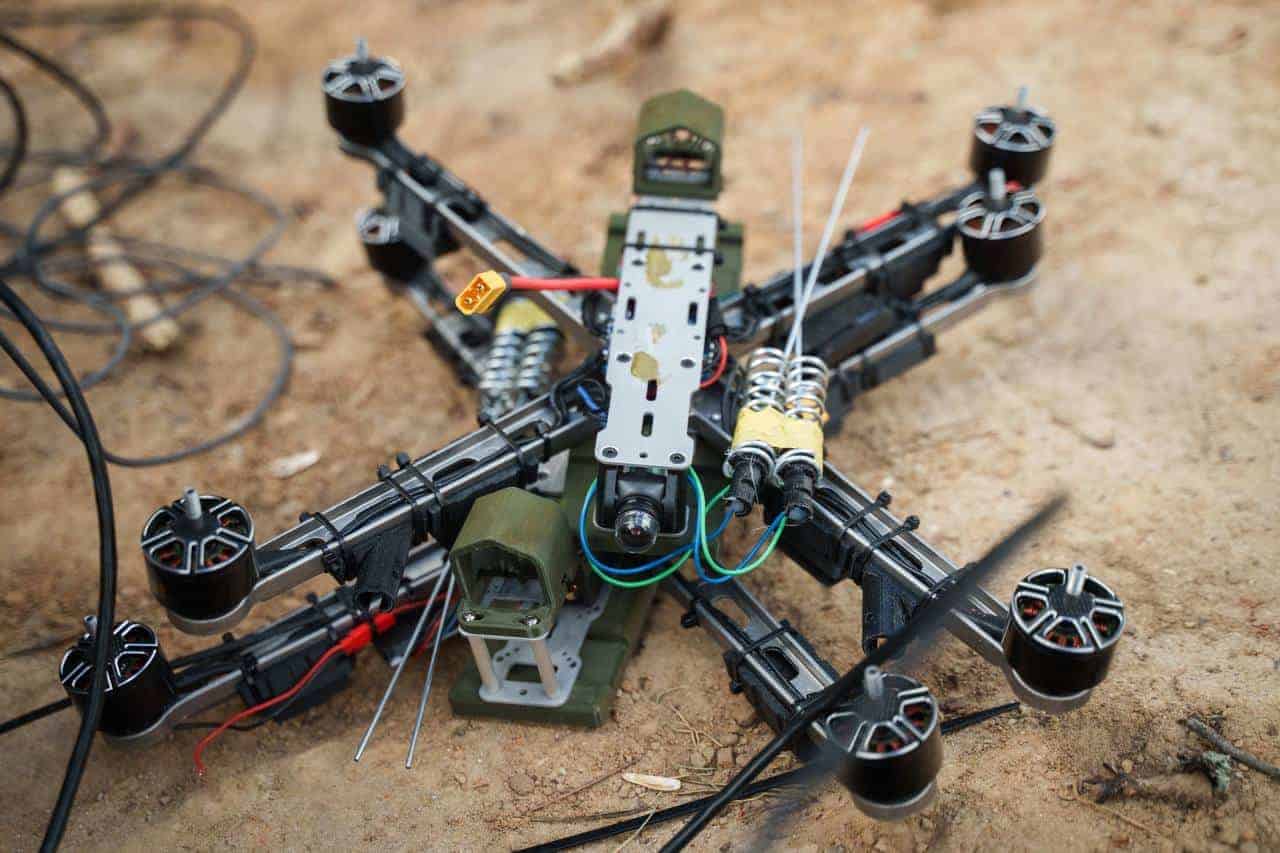
In the close-defense zone, FPV interceptor drones are also being employed with increasing frequency. These physically destroy the target either by ramming it or by detonating a small explosive charge.
The report also mentions the specialized Russian interceptor Yolka – a high-speed VTOL (vertical takeoff and landing) quadcopter that can be hand-launched or deployed from a compact launch platform.
According to its stated specifications, it is capable of reaching speeds of up to 200 km/h and employs neural network-based automatic target acquisition.
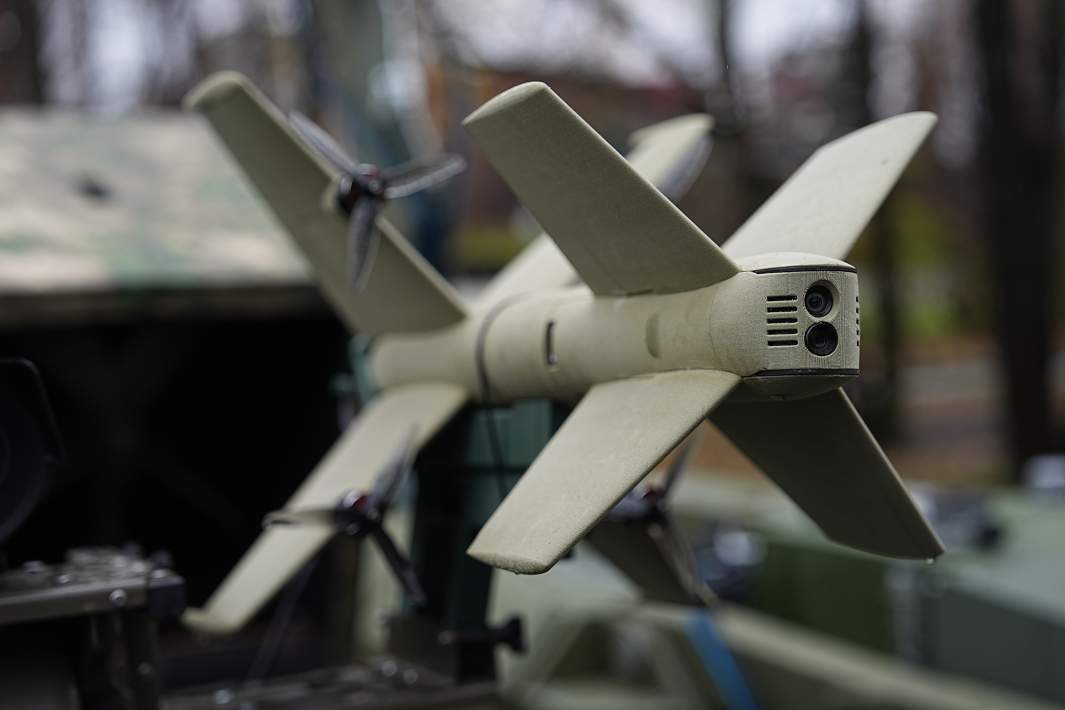
Overall, the Russian concept for countering the Hornet is built around multiple successive layers of defense, as the effectiveness of any individual countermeasure remains limited.
Підтримати нас можна через:
Приват: 5169 3351 0164 7408 PayPal - [email protected] Стати нашим патроном за лінком ⬇
Subscribe to our newsletter
or on ours Telegram
Thank you!!
You are subscribed to our newsletter