







Popular
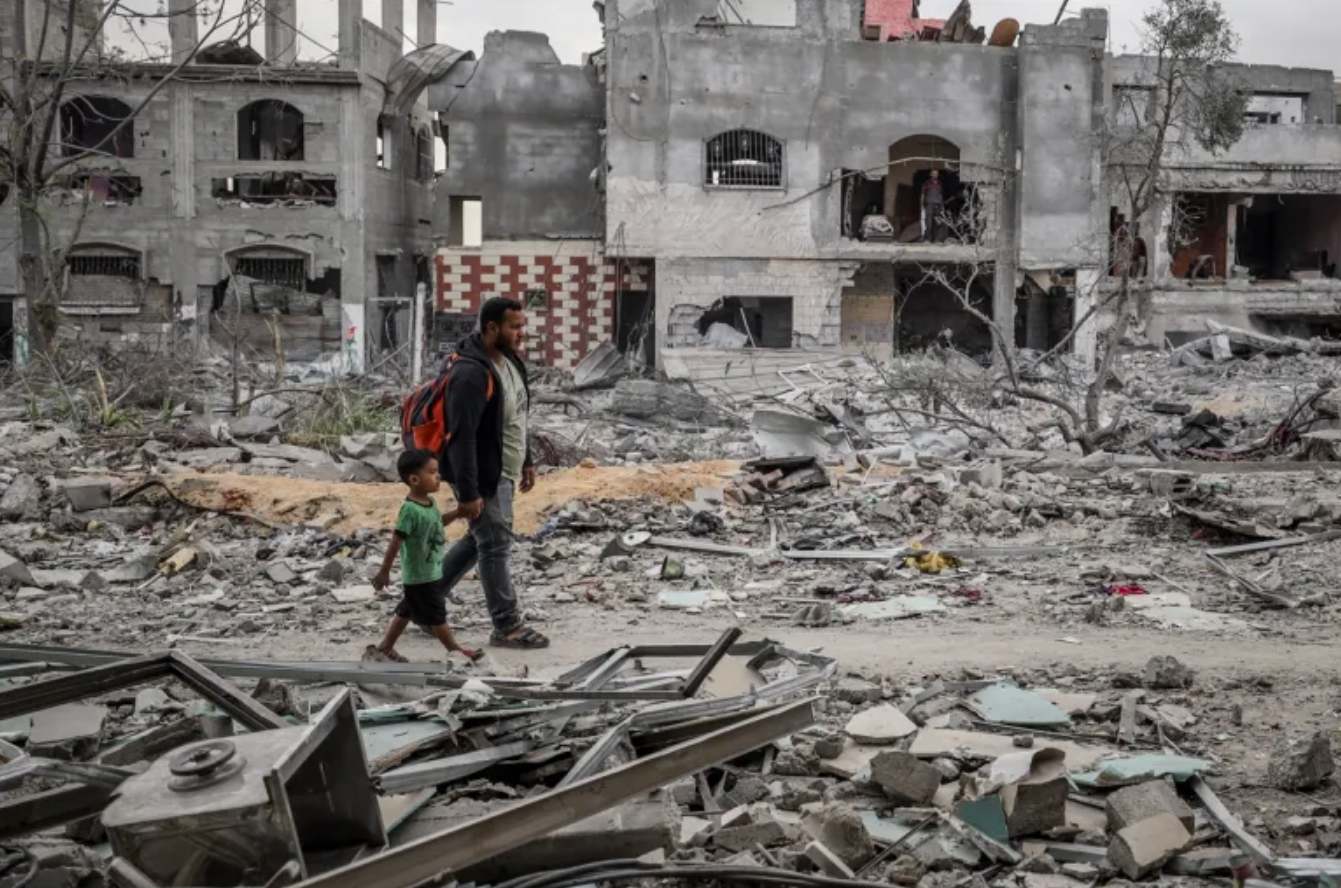
The ceasefire in the Gaza Strip has entered an active phase, with the return of civilians, hostage exchanges, and increased humanitarian aid.
The Israeli authority responsible for humanitarian aid said that the number of aid trucks would increase to 600 per day, according to the media outlet Arab.
Egypt has already sent 400 trucks carrying medicines, tents, food and fuel. At the same time, 170,000 tons of aid have been sent to the area.
Meanwhile, thousands of Palestinians have begun to return to their homes that they were forced to leave. However, many of them find only ruins.
“We couldn’t believe the scale of the destruction we saw,” said 37-year-old Rami Mohammad Ali, who returned to Gaza City.

It is estimated that 300,000 tents will be needed to temporarily accommodate 1.5 million displaced people.
While the initial ceasefire and plans for the release of hostages have been welcomed by both sides, the long-term fate of the ceasefire remains highly uncertain.
Key issues such as the post-war governance of Gaza and the fate of Hamas have yet to be resolved.
Israeli Defense Minister Israel Katz has already stated that he had instructed the military to prepare for the destruction of the Hamas tunnel network “through an international mechanism led by the United States” immediately after the hostages were released.

This shows that, despite the ceasefire, Israel does not abandon its goals.
The start of the humanitarian operation and the return of people are the first fragile sprouts of peace, but they are growing on extremely dangerous ground.
Obviously, the release of hostages and the delivery of food is only the first, simplest stage.
The real tests of reconstruction and political decisions lie ahead, and it is these decisions that will determine whether this pause will be the beginning of peace or just a break before a new war.
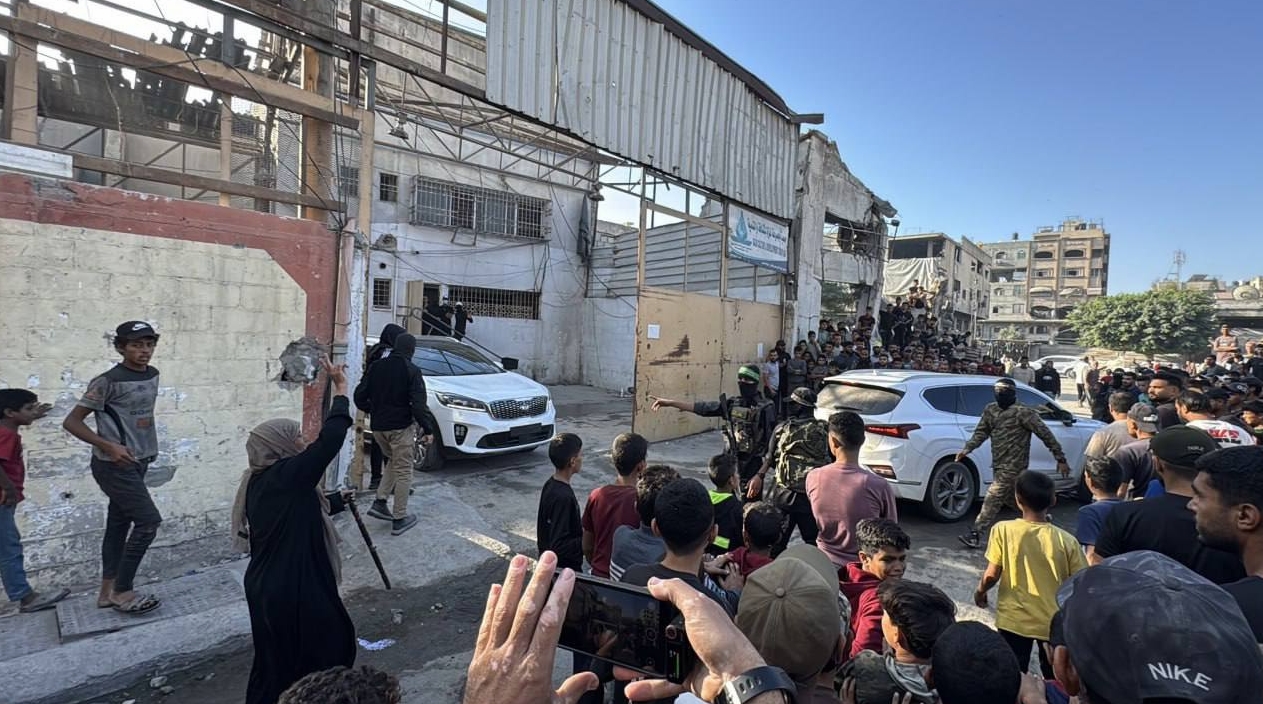
Earlier it became known that Israel was preparing to withdraw troops from 70% of the Gaza Strip as part of the first phase of the ceasefire.
Hamas will retain control over 53% of the region. These figures are enshrined in the peace plan agreed upon with the mediation of the United States.

The first phase of the agreement includes the release of all living Israeli hostages and more than two thousand Palestinian prisoners.
US President Donald Trump characterized the agreements as part of his 20-point peace plan, which he presented last week.
Підтримати нас можна через:
Приват: 5169 3351 0164 7408 PayPal - [email protected] Стати нашим патроном за лінком ⬇
Subscribe to our newsletter
or on ours Telegram
Thank you!!
You are subscribed to our newsletter