



Popular

The Center for Strategic and International Studies (CSIS) has conducted a study on the growing cooperation between China, Russia, Iran and North Korea, called the ‘CRINK axis’.
This is reported by the organization’s official website.
As part of this study, the center’s experts have identified the growing role of these four countries, which are taking joint actions against Ukraine and against Western countries, including the United States and Europe.
It should be noted that this is an informal coalition, which, although not an official alliance, demonstrates a strengthened strategic partnership aimed at countering Western domination and creating a multipolar world order.
The main driving forces behind this rapprochement are a common opposition to US leadership in international affairs, a desire for economic autonomy, and a rejection of Western sanctions. In particular, Russia, under pressure from the international community over the war in Ukraine, has strengthened its economic ties with China, which has become Moscow’s largest trading partner.
In 2023, bilateral trade between the two countries exceeded $240 billion. China, in turn, has increased its imports of Russian oil and natural gas, which has become an important support for Russia in the face of Western sanctions.
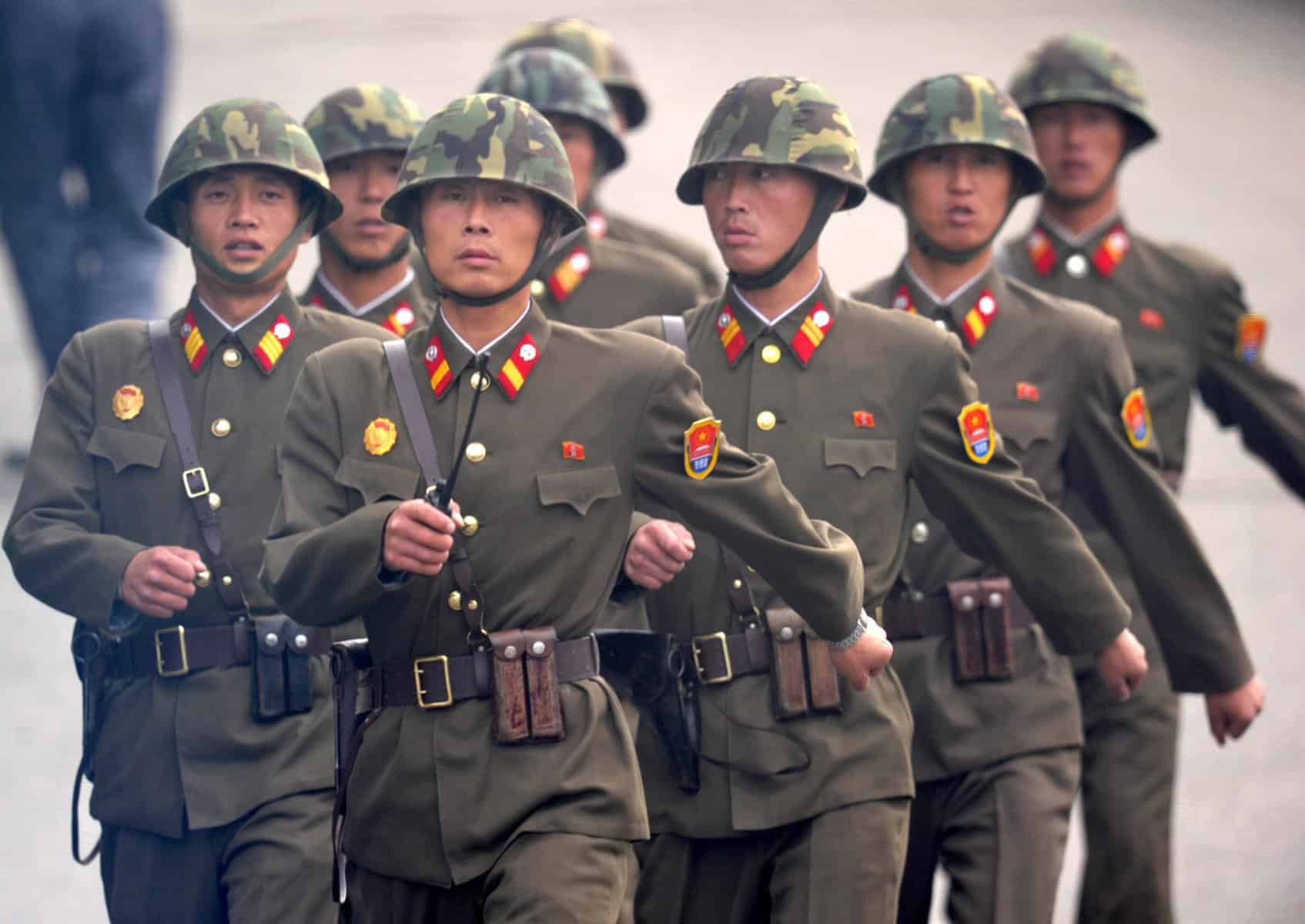
Iran is also actively joining this coalition by providing Russia with unmanned aerial vehicle technology, which has significantly enhanced Russia’s military capabilities. North Korea supplies Russia with ammunition and labor, which allows the Kremlin to compensate for the lack of resources due to international isolation.
In terms of military support, CSIS estimates that China and North Korea play a key role in providing Russia with ammunition and military equipment. Together, they provide approximately 50% of Russia’s ammunition needs, supplying between 7 and 12 million 152 mm and 122 mm shells.
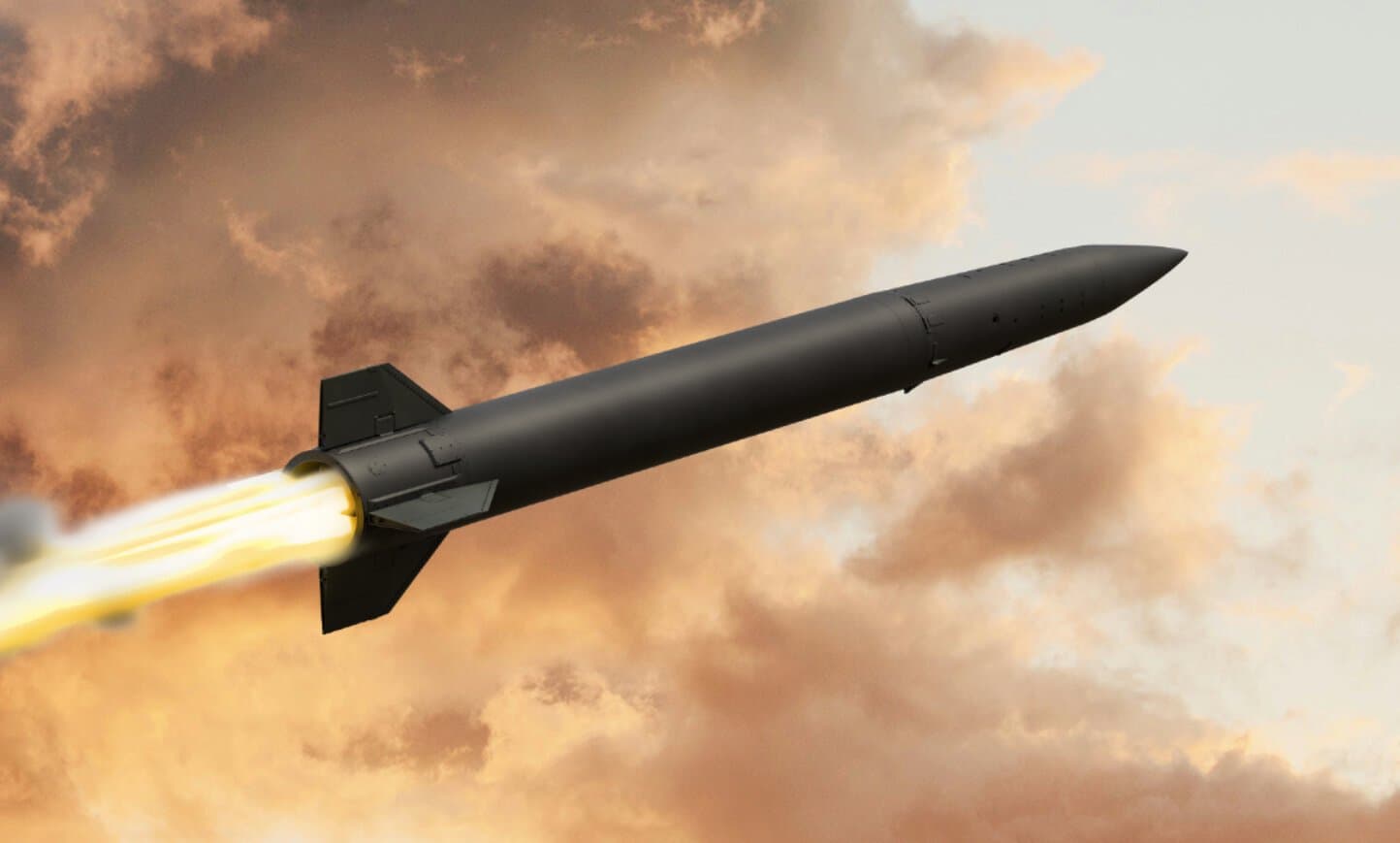
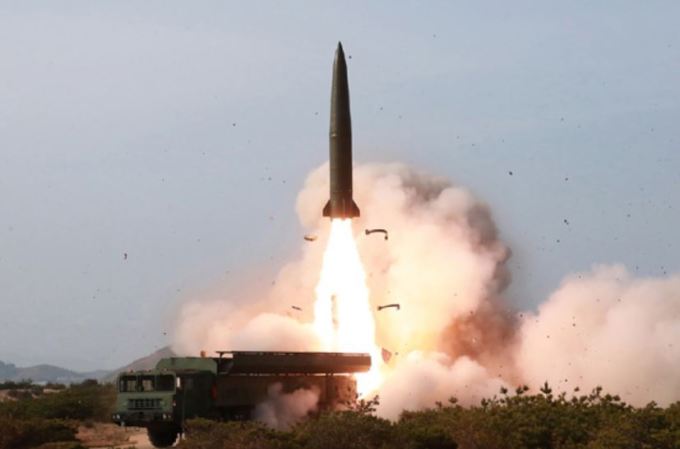
In particular, North Korea has provided Russia with Bulsae-4 anti-tank guided missiles, 120 M1991 multiple launch rocket systems of 240 mm caliber with 120 more units expected to arrive, as well as 120 M1989 self-propelled guns of 170 mm caliber, with 120 more units expected. In addition, 150 short-range missiles of the KN-23 and KN-24 types have been delivered, with the same number in reserve.
In addition, North Korea is also supplying rocket-propelled grenade launchers and more than 15,000 troops, with a forecast of an additional 25-30,000 troops.
At the same time, China provides 90% of the goods on the list of joint priorities, which includes 50 critical items for Russian weapons systems and military development.
Chinese supplies include 70% of ballistic missile production machines, 90% of microelectronics needed to build missiles, tanks, and aircraft, and nitrocellulose, a critical component for the production of artillery shells.
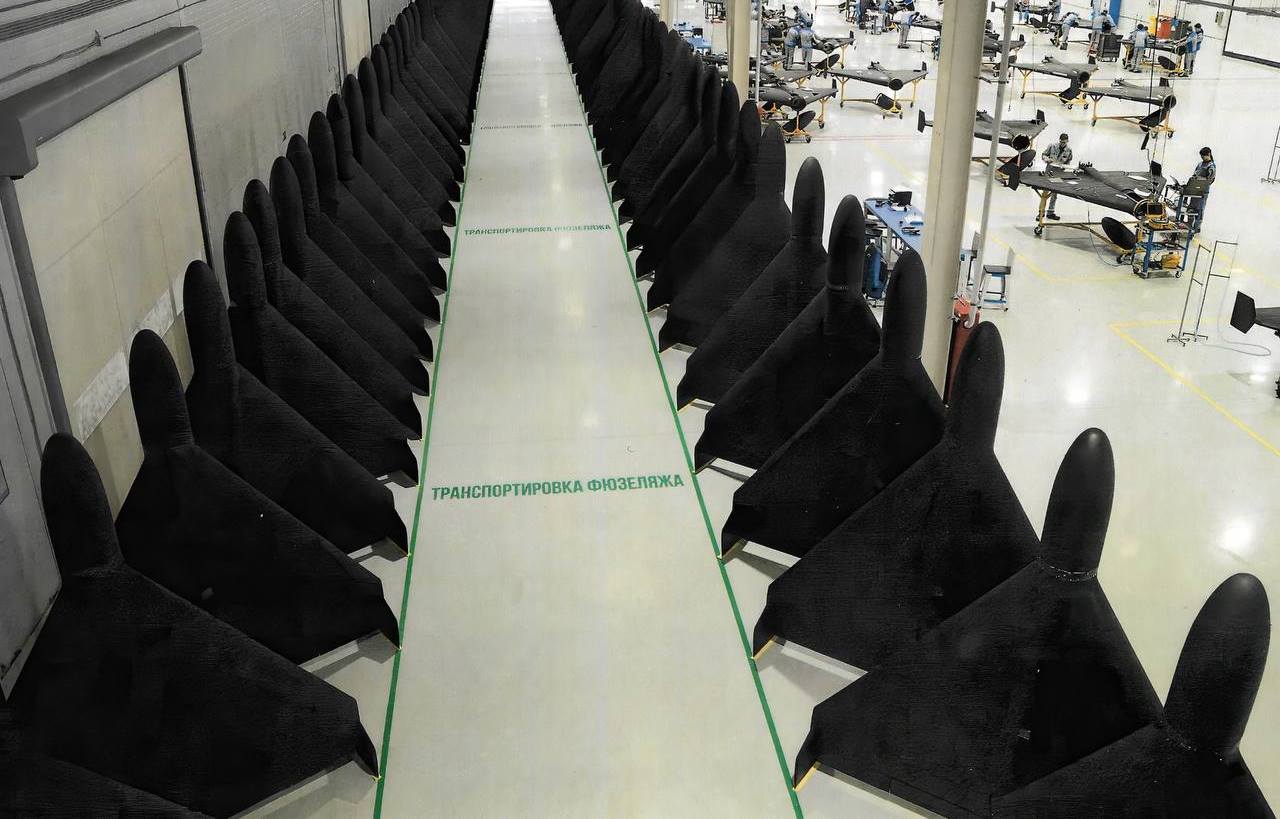
Iran is also playing an important role, developing new types of unmanned aerial vehicles (UAVs) together with Russia, including supplying drones and training pilots for models such as the Qods Mohajer-6 and Shahed-136/131.
It is estimated that about 15 thousand Shahed/Geran-2 attack drones have been used against Ukraine. Russia is jointly producing these drones with technology transfer and personnel training.
CSIS experts claim that in addition to drones, Iran additionally supplies more than 300,000 artillery shells and one million pieces of other ammunition, 400 Fateh-110 ballistic missiles, as well as anti-tank missiles, mortar shells, and planning bombs.
Підтримати нас можна через:
Приват: 5169 3351 0164 7408 PayPal - [email protected] Стати нашим патроном за лінком ⬇
Subscribe to our newsletter
or on ours Telegram
Thank you!!
You are subscribed to our newsletter