


Popular
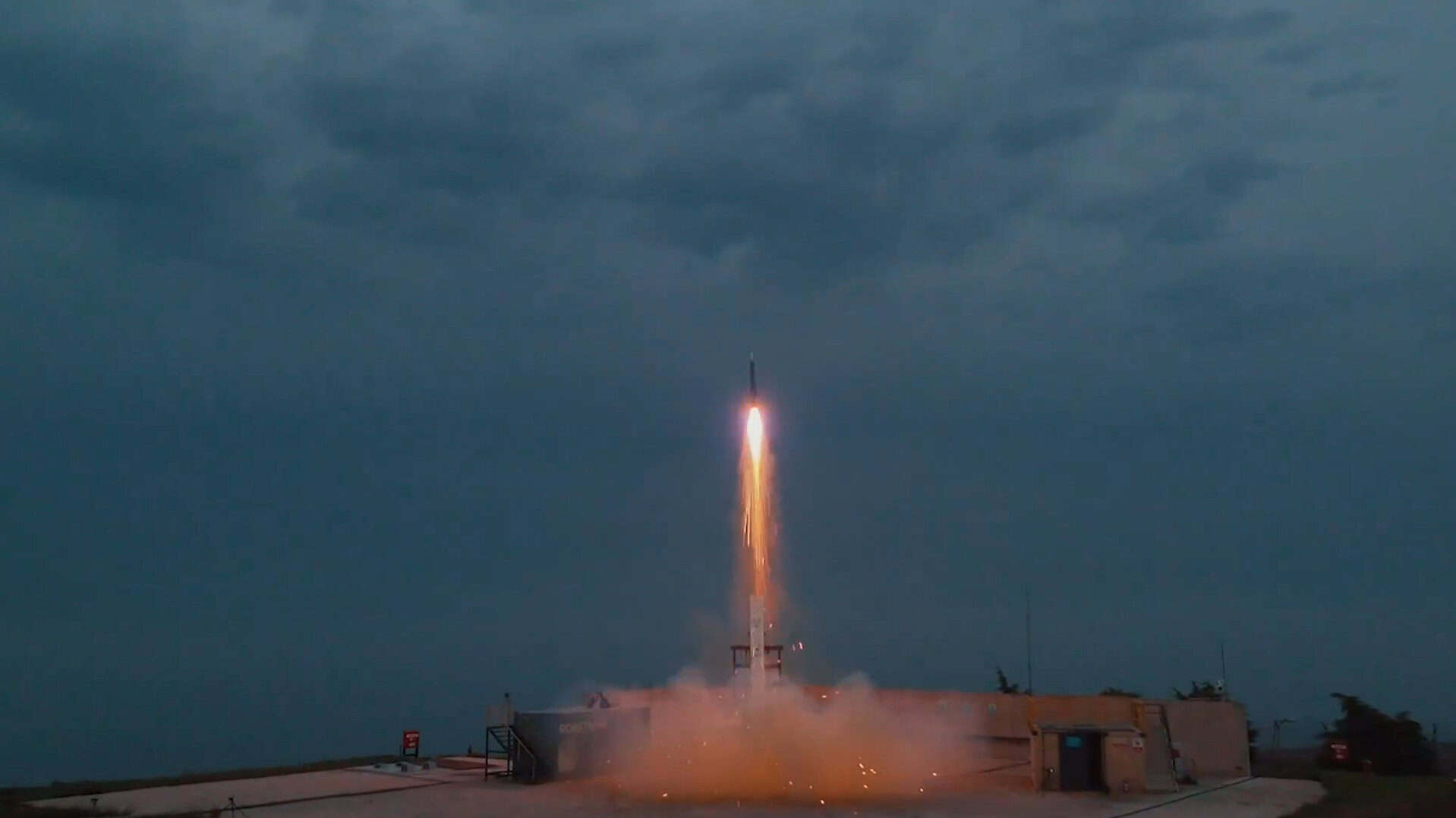
The Turkish company Aselsan has won a $900 million contract to supply equipment for Turkey’s Steel Dome air defense project.
Aselsan announced this on its X page.
The Steel Dome (Çelik Kubbe) is a Turkish layered air defense project similar to the U.S. Golden Dome initiative and Israel’s layered air defense systems. Delivery of components under the contract is expected between 2028 and 2032.
According to the plan, Steel Dome will include counter-drone technologies and air defense systems to counter short-range threats, including the Korkut C-RAM anti-aircraft gun system, the Ejderha microwave system, and the Gokberk laser.
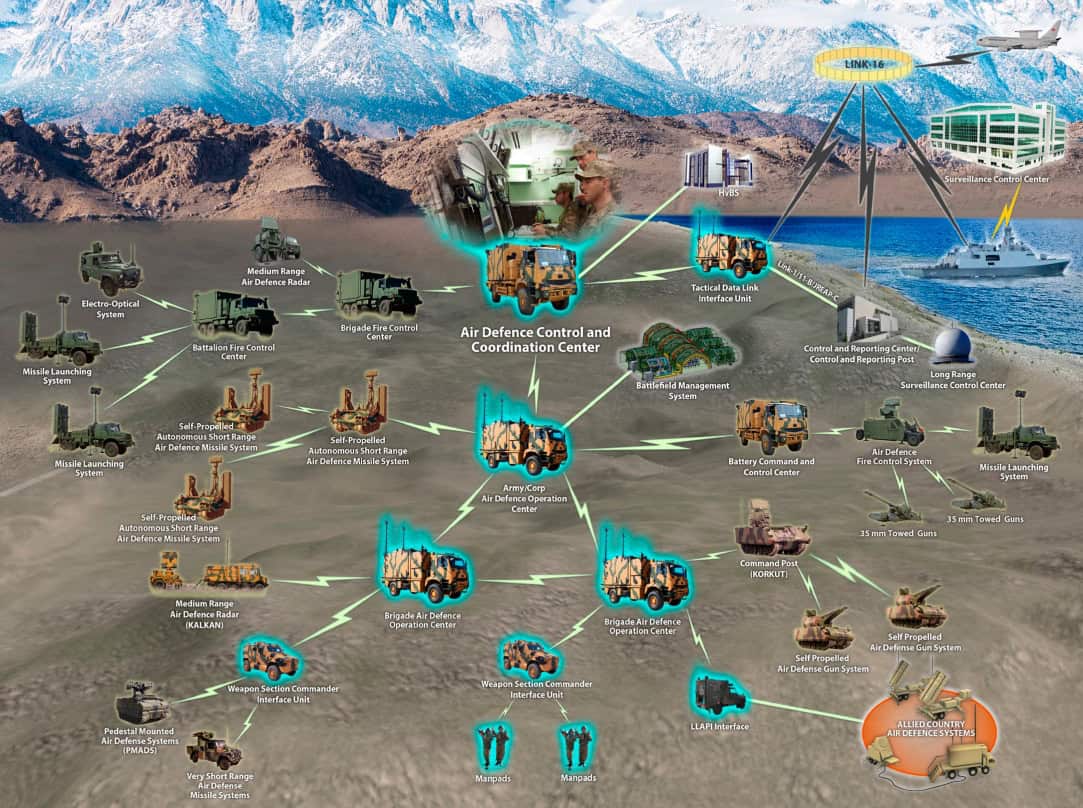
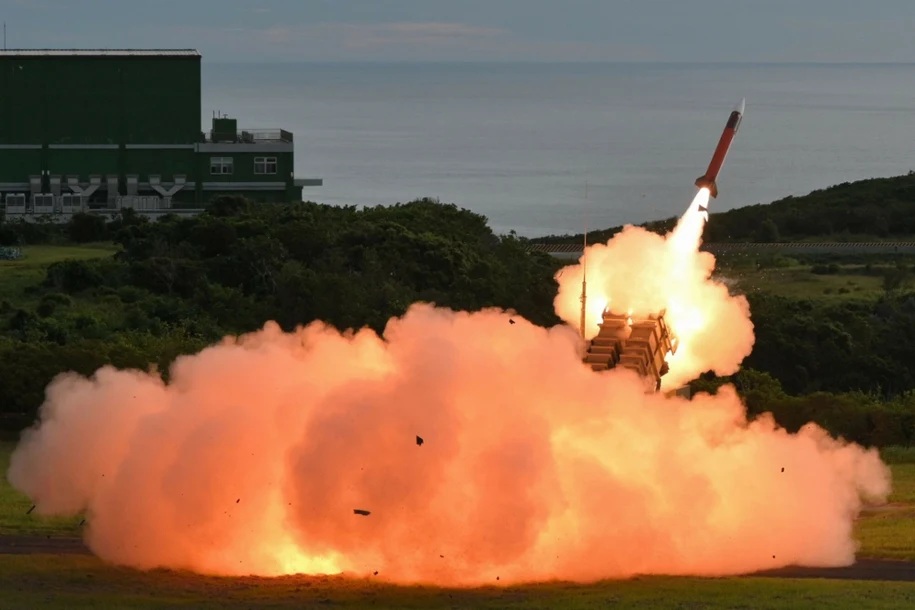
The system will also integrate longer-range air defense assets, including the Gurz 140 gun-missile air defense system, Hisar short- and medium-range launchers, and the Siper long-range air defense system.
The project is being developed as a system of systems that creates a common air picture and enables the selection of the optimal interceptor for different types of targets, from drones and cruise missiles to aircraft and ballistic targets.
Aselsan, the project’s main contractor, had already signed a $1.9 billion contract with the Turkish Defence Industry Secretariat in September 2025. The company also received $1.5 billion in state investment for a production center expected to become Europe’s largest air defense facility.
Building on the experience of the Steel Dome project, NATO began working with ASELSAN in 2025 to develop a modular ground-based air defense system.
The agreement included participation in the project’s first conceptual phase, which covers development of the system architecture. Airbus Defence and Space, Lockheed Martin UK, Raytheon, and Thales LAS also joined the project.
In April 2026, it was reported that Turkey was negotiating with Italy to purchase and co-produce European SAMP/T air defense systems.

The need for enhanced protection became critical after NATO forces intercepted four Iranian missiles fired toward Turkey since the start of the Middle East conflict.
Turkey and Eurosam signed a preliminary agreement on joint development in 2018, but French objections stalled further progress. Turkey now believes that the changing regional security situation could prompt its partners to reconsider the terms of technology exports to strengthen the Alliance’s southeastern flank.
Підтримати нас можна через:
Приват: 5169 3351 0164 7408 PayPal - [email protected] Стати нашим патроном за лінком ⬇
Subscribe to our newsletter
or on ours Telegram
Thank you!!
You are subscribed to our newsletter