






Popular

In a U.S. Air Force experiment, artificial intelligence algorithms produced attack plans roughly 400 times faster than humans, however not all the plans generated by AI were viable.
The finding was reported by Breaking Defense, citing a speech by Maj. Gen. Robert Claude at the Air Force Association’s Air, Space and Cybersecurity Conference.
The task in the exercise, called DASH-2, was to develop detailed courses of action — options for striking a set of targets using an assigned mix of aircraft and weapons, Maj. Gen. Claude said. He added the headquarters produced three courses of action using traditional methods in about 16 minutes, while the AI tools generated 10 options “in about eight seconds.”
According to him, while the results were much faster and there were more options from the AI, they were not necessarily fully viable COAs.

Without elaborating, Claude said the errors were subtle rather than blatant — for example, failing to select the right sensor for weather conditions, rather than suggesting something implausible like sending tanks on air missions.
“What is going to be important going forward is, while we’re getting faster results and we’re getting more results [from AI], there’s still going to have to be a human in the loop for the foreseeable future to make sure that they’re all viable [and] to make the decision,” he said.
Claude said he expects future iterations of AI planning tools to reduce the error rate.
The name DASH stands for Decision Advantage Sprint for Human-Machine Teaming. Development teams had only two weeks to build custom planning tools.
“It’s all, obviously, in how they build the algorithm. You’ve got to make sure that all the right factors are included. In a two-week sprint, you know, there’s just not time to build all that in with all the checks and balances,” he said.
This is not the only area where the U.S. military is experimenting with AI. In late August it was reported that the U.S. Army is exploring the use of large language models to assist with repair and maintenance of the Infantry Squad Vehicle.
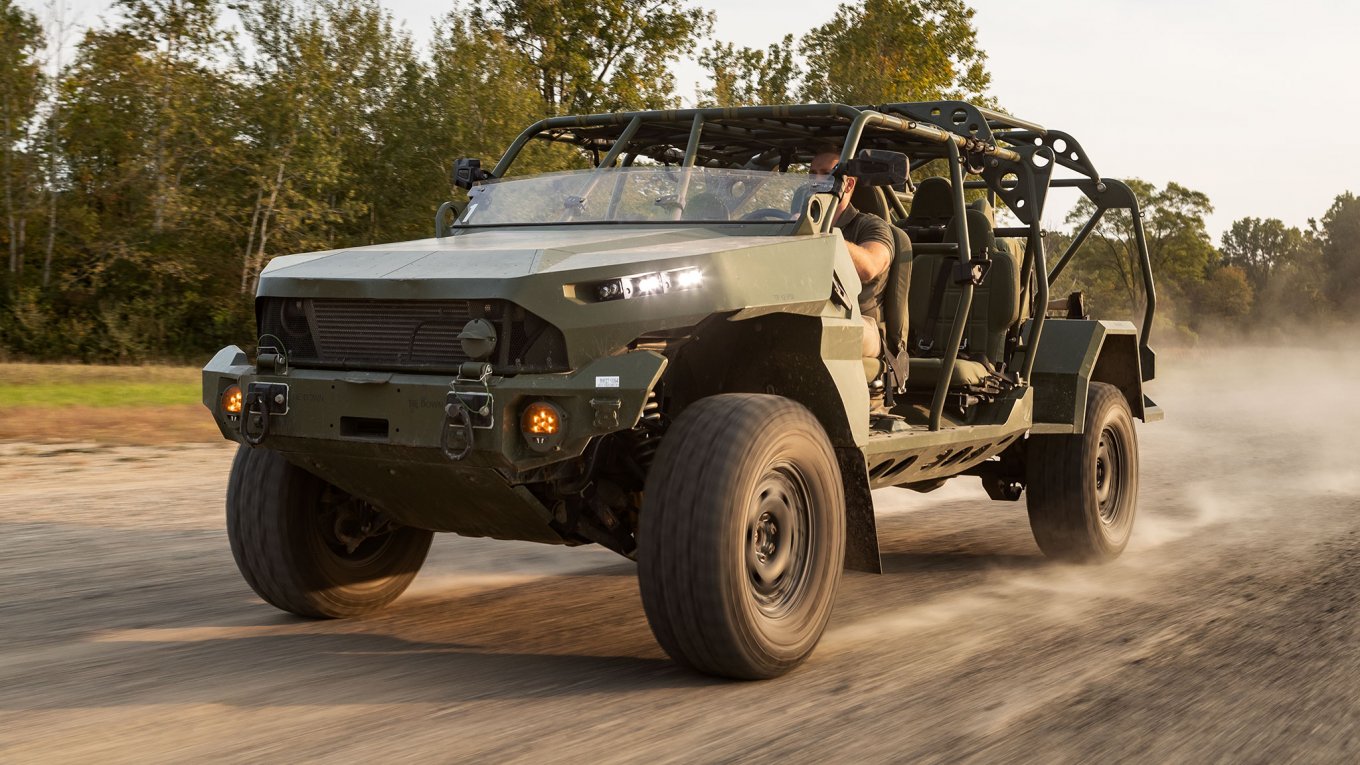
The U.S. Army has uploaded about 1,000 hours of video showing engineers and technicians repairing the Infantry Squad Vehicle, a reinforced version of the Chevy Colorado pickup.
The aim is to train a visual LLM, integrated with smart glasses or HoloLens, that will help soldiers diagnose problems and perform repairs step by step.
Підтримати нас можна через:
Приват: 5169 3351 0164 7408 PayPal - [email protected] Стати нашим патроном за лінком ⬇
Subscribe to our newsletter
or on ours Telegram
Thank you!!
You are subscribed to our newsletter