





Popular
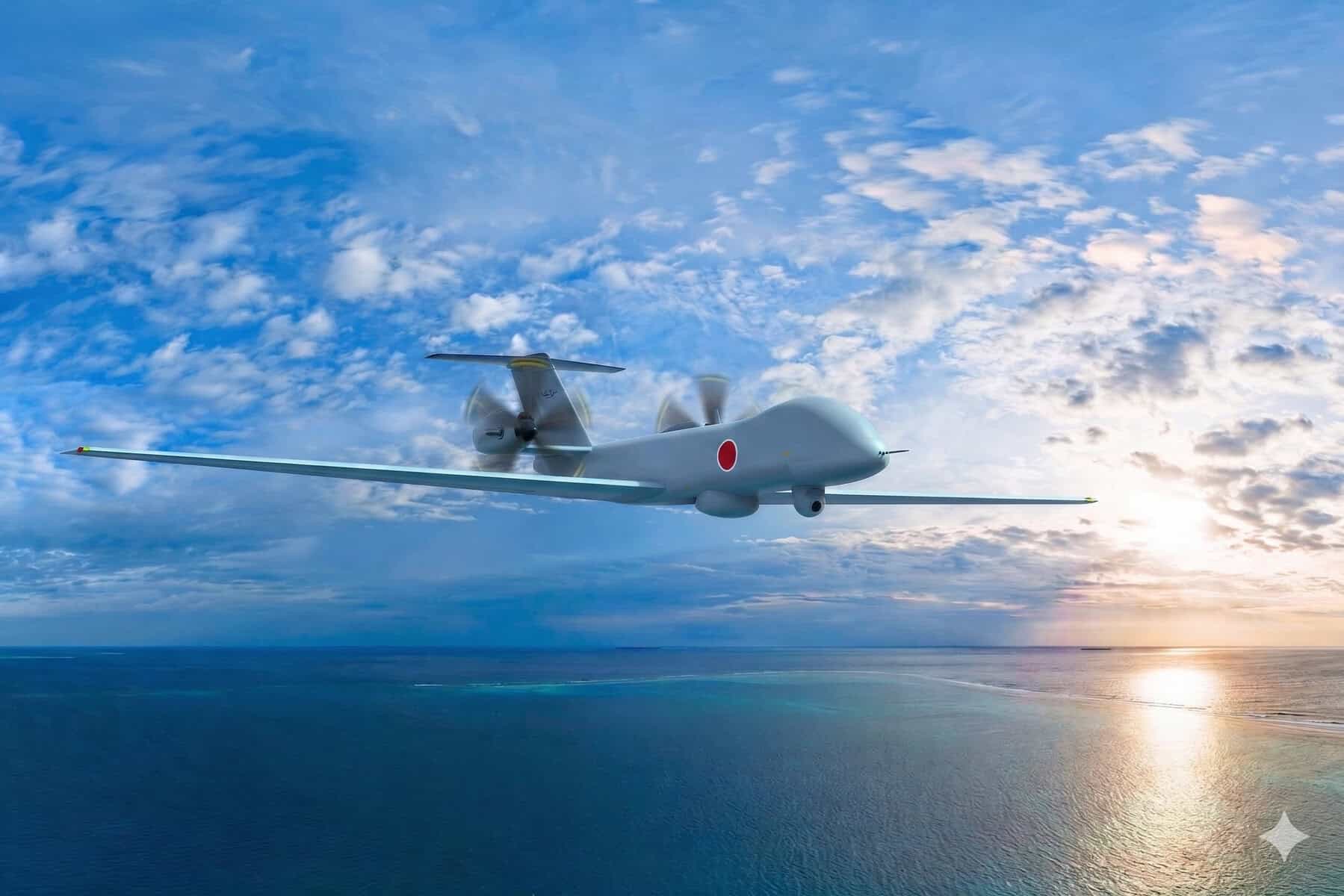
Airbus, in collaboration with the Japanese company Kawasaki Heavy Industries, has signed a memorandum of understanding regarding the development of a maritime anti-submarine version of the Eurodrone U950.
This was reported by Airbus.
The parties will develop a concept for adapting the platform for anti-submarine defense and maritime patrol missions, taking into account Japan’s requirements. The project involves the integration of Japanese sensors and weapons, as well as the potential involvement of local industry in the production and maintenance of the system.
The Eurodrone, which is being developed by Germany, Italy, and Spain, belongs to the class of medium-altitude, long-endurance unmanned platforms. The aircraft is capable of performing reconnaissance, surveillance, and maritime missions, including anti-submarine warfare.
Japan has held observer status in the Eurodrone program since 2023.

If Japan joins, it could take the place of France, which withdrew from the program in February 2026. French authorities are increasingly characterizing this platform as too expensive and unsuitable for high-intensity warfare.
The main reason cited for this change in stance is that the drone’s capabilities do not meet the demands of modern threats.
The Chief of Staff of the French Air and Space Forces called the program “yesterday’s drone that we might get tomorrow.” This remark comes amid yet another delay in the project’s implementation, this time by approximately five years.
The Eurodrone (also known as MALE RPAS) is a joint project between Germany, France, Italy, and Spain to develop Europe’s first large reconnaissance and strike drone. Its primary goal is to ensure Europe’s strategic independence from American MQ-9 Reapers and Israeli systems.
The program was officially launched in 2022, and its total cost is estimated at €7.1 billion. Deliveries of the medium-altitude, long-endurance (MALE) reconnaissance drone are not expected until around 2030–2031.
The drone, with a wingspan of 30 meters and a maximum takeoff weight of about 11 metric tons, is equipped with two turboprop engines. The aircraft is capable of staying airborne for over 40 hours at altitudes of up to 13,700 meters, reaching a cruising speed of about 500 km/h. Its payload capacity is 2,300 kg.
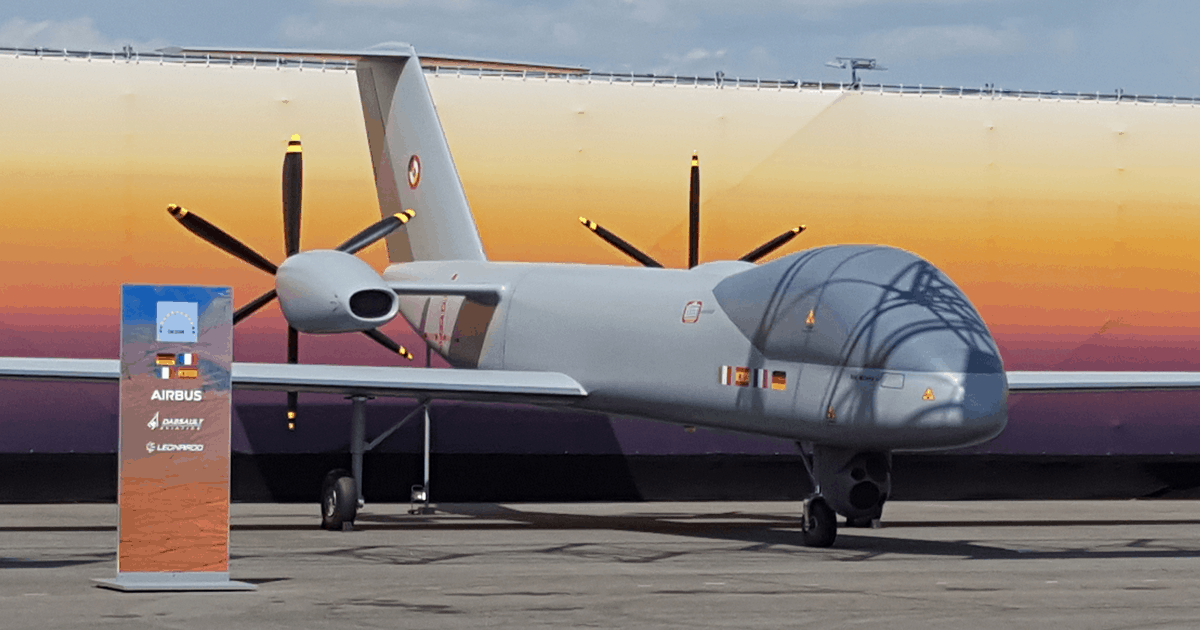
The system is certified to the NATO STANAG 4671 standard and complies with civil aviation regulations. This will allow the drone to fly in non-segregated airspace without restrictions.
As a reminder, in October 2025, the project moved to the prototype production phase following the successful completion of a critical design review.
The next phase will consist of ground tests to prepare the system for its first flight.
Підтримати нас можна через:
Приват: 5169 3351 0164 7408 PayPal - [email protected] Стати нашим патроном за лінком ⬇
Subscribe to our newsletter
or on ours Telegram
Thank you!!
You are subscribed to our newsletter