
Ukrainians in the Persian Gulf: We Need Not Only to Show the Interceptor Drone, but Also to Explain Why and How We Got Here

Ukrainians in the Persian Gulf: We Need Not Only to Show the Interceptor Drone, but Also to Explain Why and How We Got Here
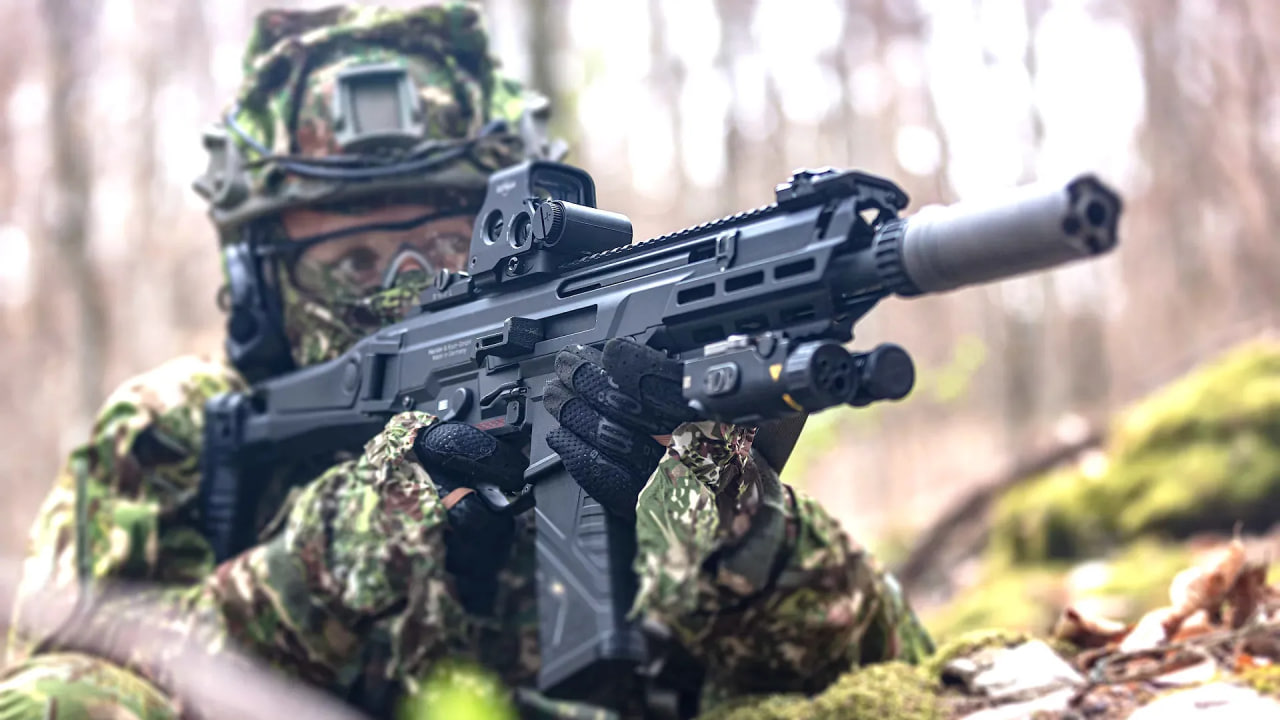
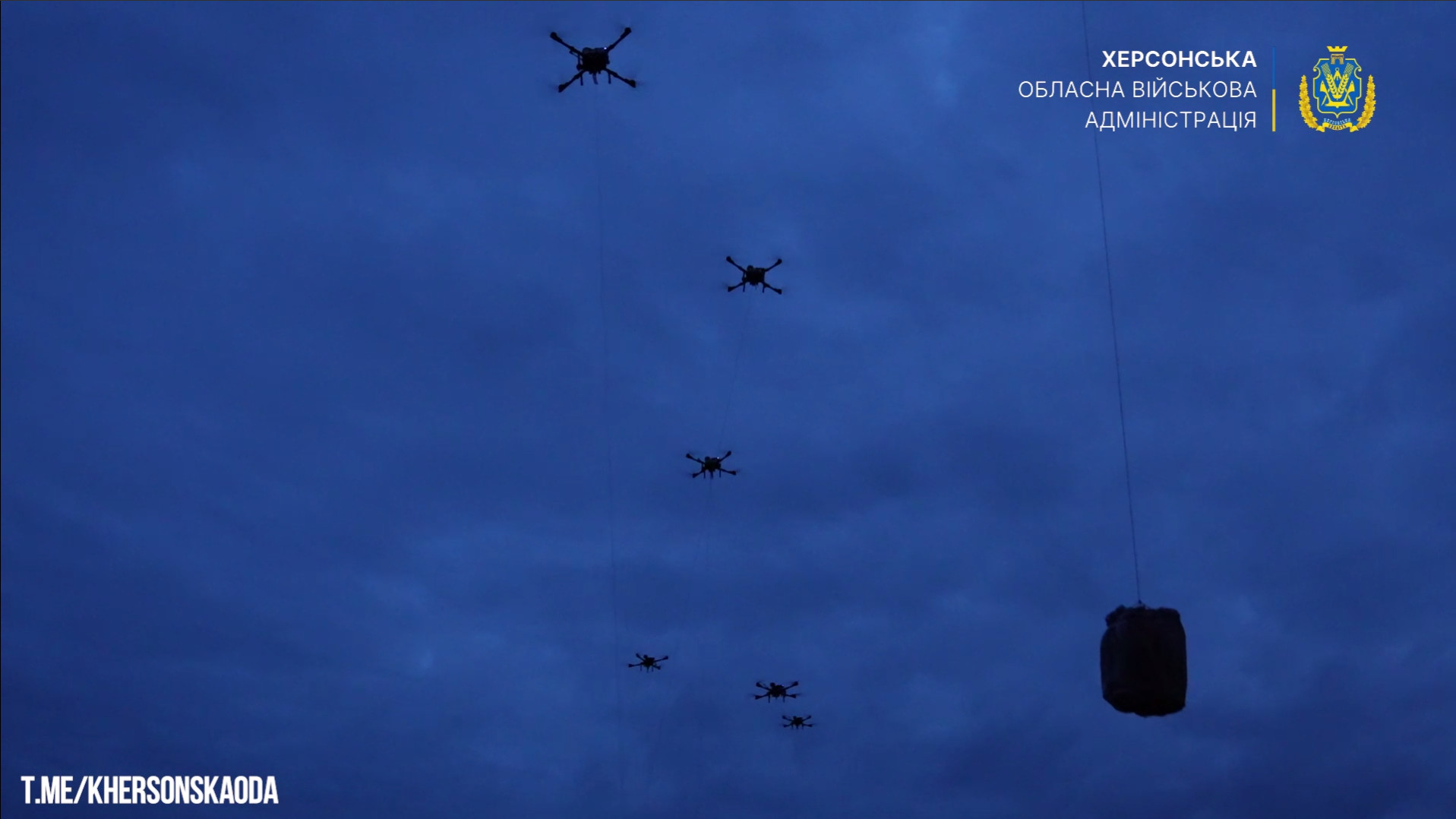
Illustration on the topic of shooting down Russian Shahed drones. Source: ArmyInform

Amid the USA and Israel’s war against Iran in March, Ukraine deployed over 200 specialists to the Persian Gulf countries to help organize defense against Iranian drones using interceptor drones.

Military personnel with relevant experience arrived in Kuwait, Qatar, the United Arab Emirates, Saudi Arabia, and Jordan, among other places.

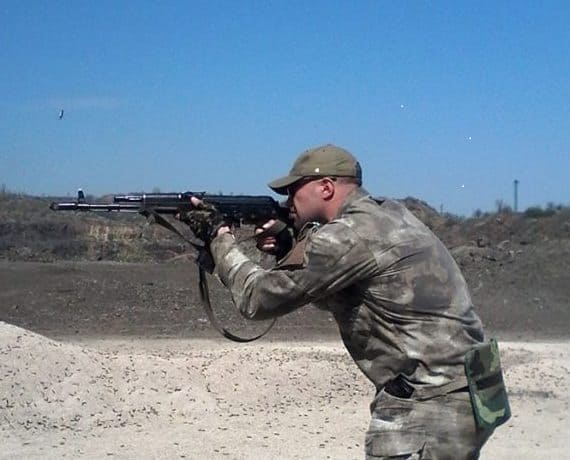
The Ukrainian instructors included Major Timur Khromaev, a serviceman with the 12th Separate Special Forces Center. In mid-May, he returned to Ukraine and spoke to Suspilne about his experience collaborating with UAE military personnel and the specifics of countering UAVs in the Middle East.

The main threat to the region among drones is posed by Shaheds, versions of which Russia also uses to constantly shell Ukrainian cities.

According to him, Ukrainian specialists shared their experience in building a drone ecosystem, specifically regarding control methodologies, data exchange systems, ensuring UAV deployment, and scaling this process.

“Our task was to showcase the full range of drone systems. To explain how we build command and control and data exchange. This is not just a matter of controlling a single drone, but of ensuring their large-scale deployment. We understand that little can be changed in the first month of hostilities…,” Khromaev shared.

He also emphasized that the theater of operations in the Middle East differs significantly from that in Ukraine. There, coalition aviation against Iran and a layered air defense system organized according to modern principles—fighters, helicopters, and close-range systems—dominate, whereas in Ukraine, drones play a much larger role.

“The level of drone use is also completely different. While our enemy deployed over 1,300 drones in a single day, Iran deployed 2,000 UAVs in the first four weeks,” Major Khromaev noted.

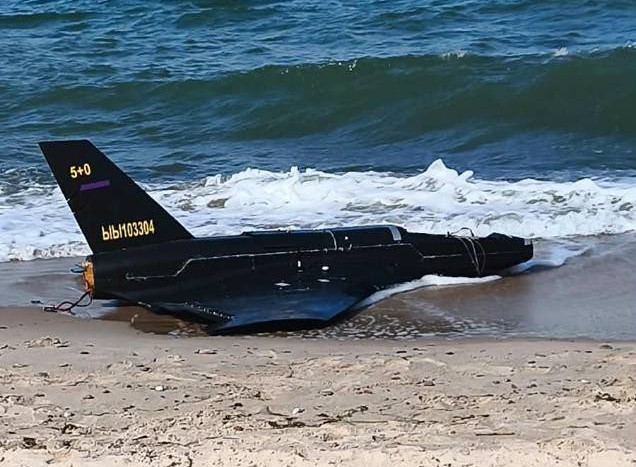
A Russian Shahed UAV with an unexploded warhead in Moldova. March 17, 2026. Photo credits: Ministry of Defense of Moldova

According to him, the defense system worked quite effectively, although it had its financial costs. In the context of hybrid asymmetric warfare, air defense missiles are being depleted faster than they can be replenished; therefore, drones will gradually take their place in the overall air defense system.

Military personnel from the United Arab Emirates highly appreciated the presence of Ukrainian specialists who shared practical knowledge gained in real combat conditions.

It was important for the Ukrainian military to first understand the conditions in which they were fighting. To listen to them first, rather than immediately start talking about their own combat experience.

Khromaev noted that no matter how long a person has been in the army, whenever a new weapon appears, everyone thinks: “This Wunderwaffe will solve everything right now.” And, of course, we arrived, and the guys told us: “Well, come on, show us. You’re going to wreck everything here.” All the “Shaheds” will fall into the bay.

“Seriously, though, that’s definitely not the case. And we need to do more than just show the drone; we need to explain why and how we arrived at this point. For political leadership, it’s one thing, but for the military personnel who will use it, it’s important to understand who will control it and how to operate it. We still need to work on this,” the Ukrainian military officer emphasized.

He emphasized that the Persian Gulf region has high humidity, temperature fluctuations, and specific coastal characteristics that affect the use of electronic warfare systems, radar detection, and the drones themselves.

“Everyone thinks it rarely rains there. But during my time there, it rained constantly and very heavily. As for the coast, there’s a lack of depth when drones need to be taken down at sea. There’s also humidity, temperature fluctuations, and on top of that, very active boat traffic. In other words, the theater of war is different,” a serviceman from the 12th Separate Special Forces Center noted.

When asked how much the drones Iran uses in the Persian Gulf countries differ from those launched by the Russians, the serviceman said:

“The development of unmanned systems there is still in its infancy. Russian ‘Geran’ drones already fly using various control and self-identification systems and have different navigation systems. In the Gulf, everything is much simpler.”

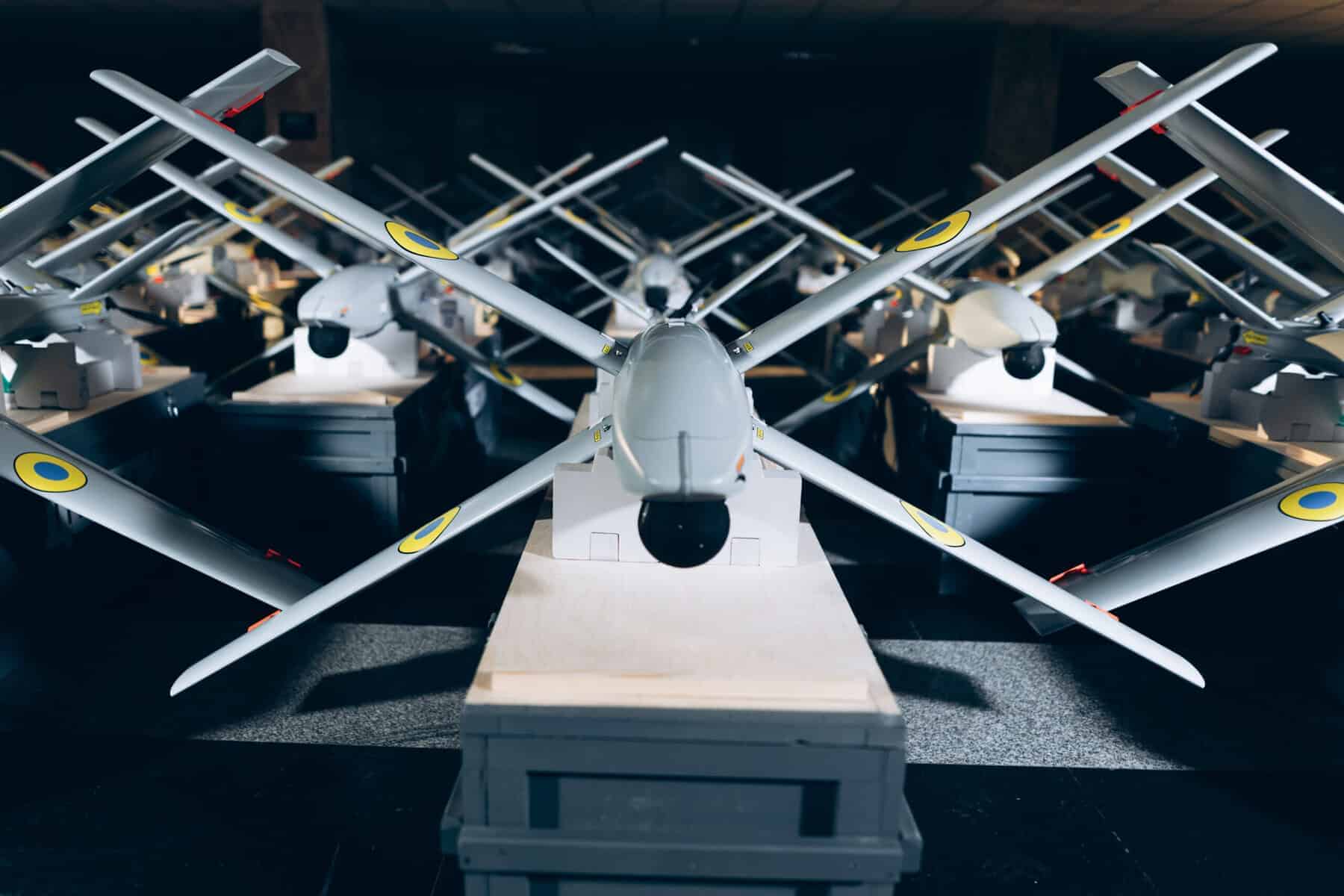
Illustration on the topic: “Shahed”

Oleksandr Yarmak, Darknode battalion commander in the 412th Nemesis Brigade, noted on DOU Day that, according to some servicemen from his unit currently in the Middle East, people from other countries are not ready to learn to fly FPV drones.

“They either want to press a button or pay for a turnkey solution where you come over and shoot down some ‘Shaheds’ for them. They’re just not ready for this,” Yarmak says.

Foreign buyers have the money and are willing to pay to solve their problems. However, if Ukraine simply sells 10,000–100,000 drones there, “in most cases, they won’t take off there,” believes the Darknode commander.

“They work for us because we want to survive, and we’re learning. And we’ve launched schools… we already have a full training cycle,” Yarmak noted.

Therefore, he believes that Ukraine’s task is to establish joint production facilities with foreign companies to create comprehensive solutions.

For example, one approach is cooperation, in which Ukraine provides certain unique technologies, while the partner manufactures complex components, such as radars.

Share this post:

SUPPORT MILITARNYI

PrivatBank ( Bank card )
5169 3351 0164 7408
Bank Account in UAH (IBAN)
UA043052990000026007015028783
BTC
bc1qg0z99m95fte7kj8faa7h2kvnq92wvc53exe8gm
USDT
0x8676644fA7B6d328310283cAC1065Ae01d97CEe7
ETH
0xfD02863D3289416fcF50975c9DFda13623f97758
Popular
Button Text