



Popular
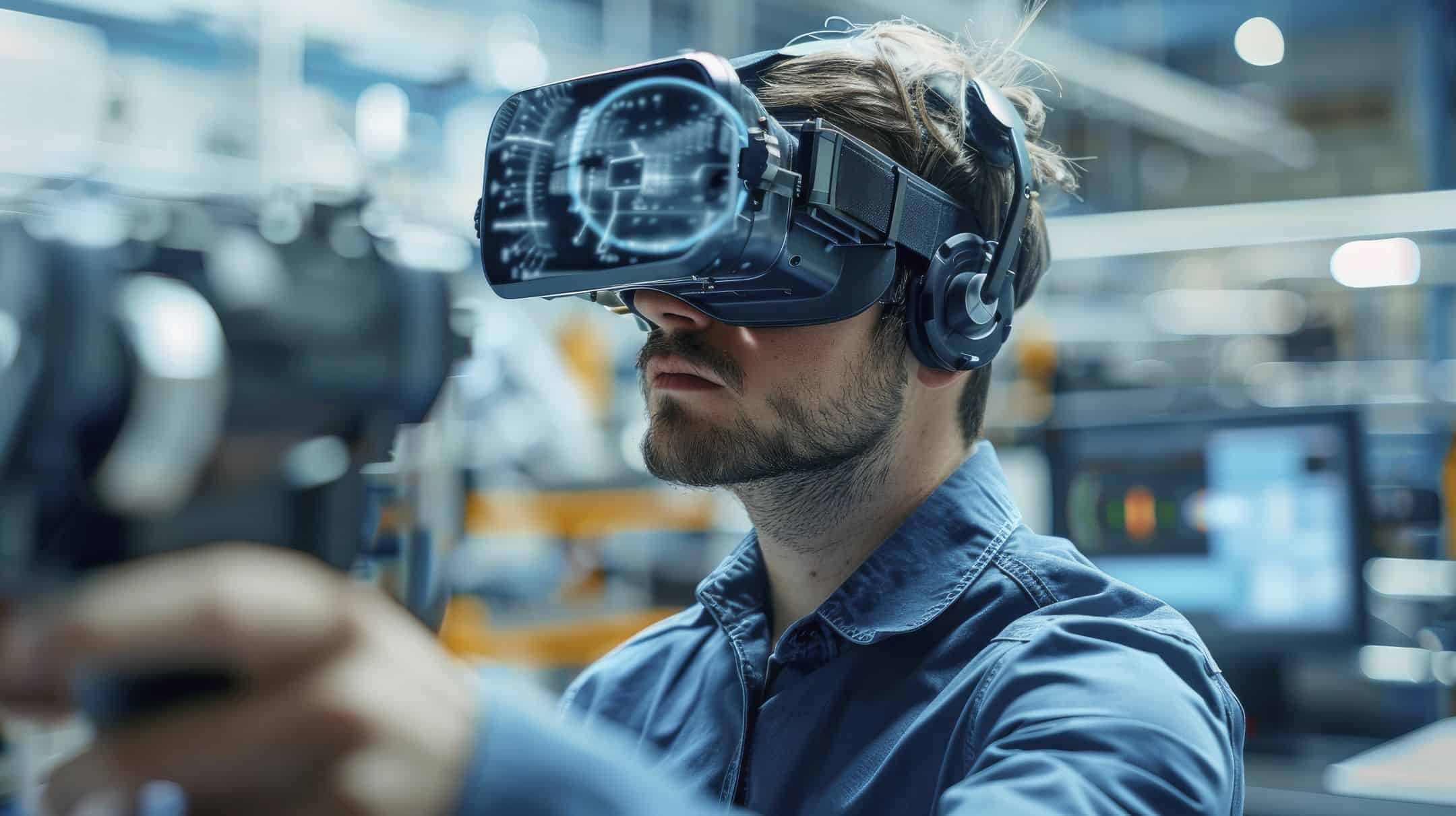

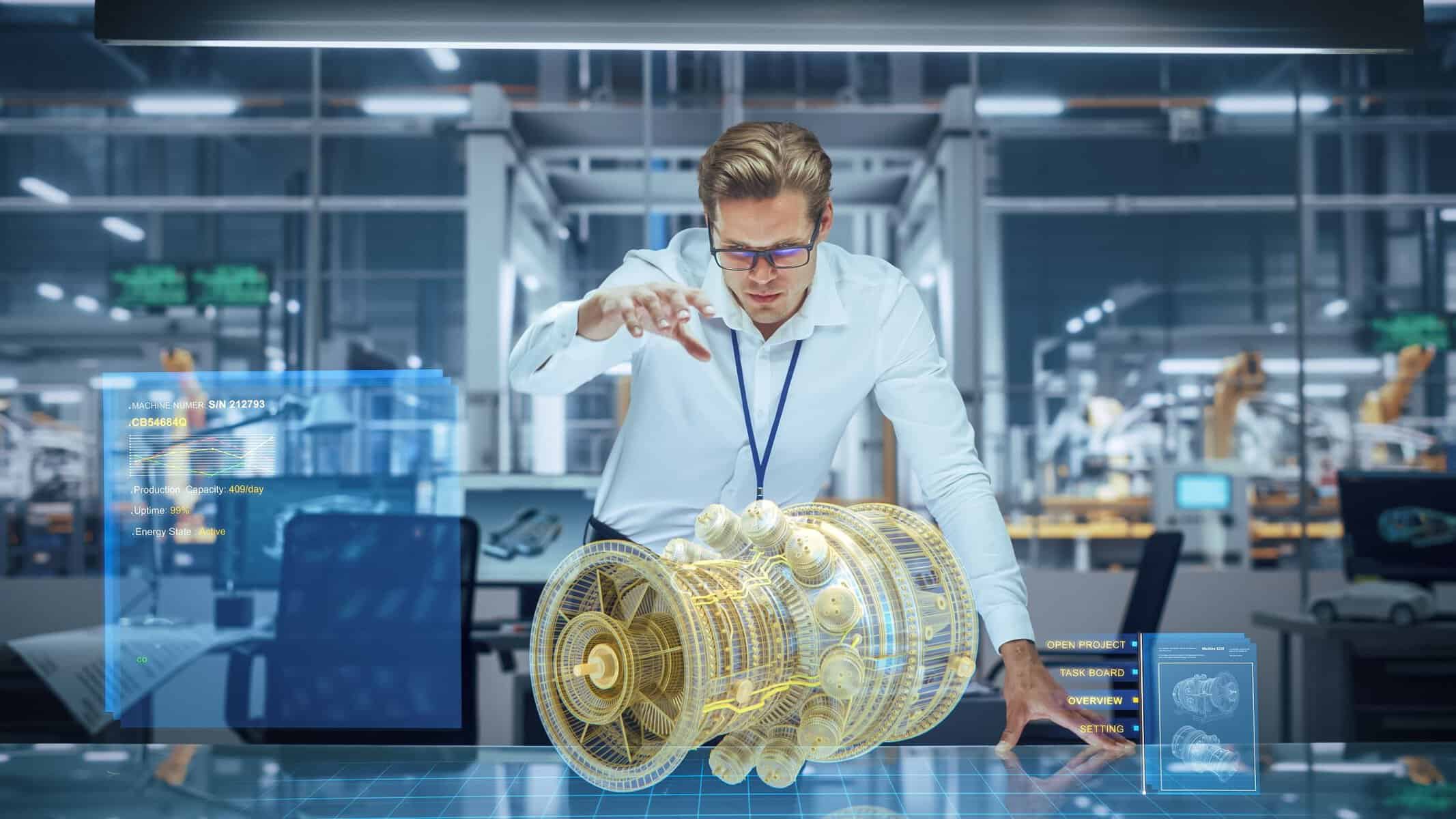
In today’s Aerospace & Defence (A&D) programs, the digital twin — a virtual representation of a real-world object or system — has become the foundation of modern engineering workflows, enabling faster, more accurate design and higher-quality outcomes.
Do you want to dive deeper into digital transformation in A&D? Join a free webinar led by a Siemens Digital Industries Software expert: “Digitalization for defense contractors. Where to start?” on Friday, November 6, 10:00 AM CET. The webinar will be held in Ukrainian.
In A&D, mechanical, electrical, electronic, and software teams often work in separate tools and at different speeds. This can cause communication gaps, slow down decision-making, and lead to errors that can accumulate into costly delays.
A digital twin provides a shared environment where everyone sees the same data, model versions and simulation results. This reduces errors from inconsistent file versions and cuts the need for physical prototypes.
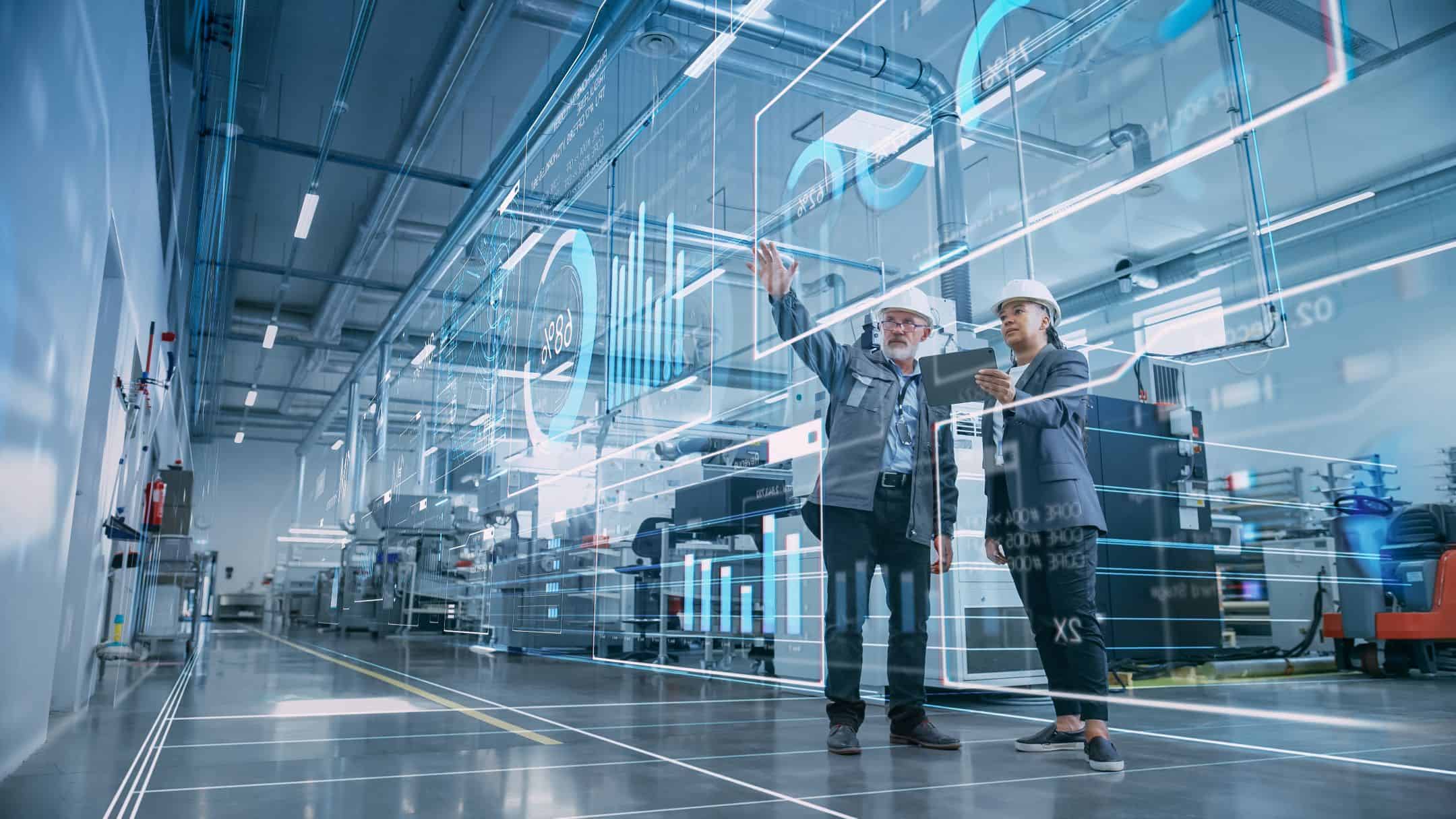
The traditional “build first, test later” approach is now too slow and costly. The key to success is the shift-left strategy, which moves verification and validation to the earliest stages of the product lifecycle. Virtual simulations and tests make it possible to detect errors and design risks before hardware is built.
Once the design phase has been successfully digitalized, the real test comes at the handoff, where digital models meet the constraints of real production.
To fully realize the value of digitalization, manufacturers need a comprehensive digital twin that includes production. Extending the virtual representation to manufacturing processes enables a continuous, traceable flow of data across the entire lifecycle, from design to the shop floor and back. This accelerates development and reduces rework at every stage.
This concept, known as the Digital Thread, ensures the continuity and integrity of data across different digital twins: of products, processes, and systems, creating a coherent, enterprise-wide single source of truth.
The Digital Thread works best if IT and OT systems are fully connected. This means bringing PLM (Product Lifecycle Management), ERP (Enterprise Resource Planning), and MES (Manufacturing Execution System) together in a single ecosystem.
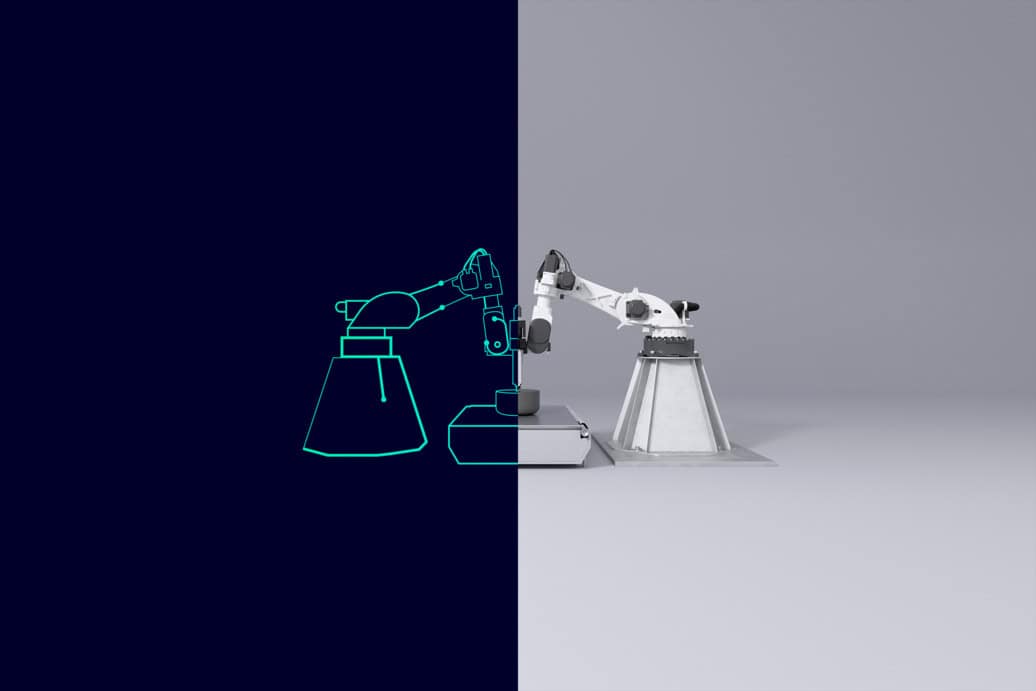
Integrated platforms like the Siemens Digital Industries Software portfolio make this possible. By linking NX and Teamcenter (on the engineering side) with Opcenter (at the production level), everyone works with the same up-to-date data. This setup breaks down the walls between departments and helps reduce errors at the source.
Digital transformation tools and systems are only as good as the data behind them. As Sergii Bielienko, Digital Transformation Advisor at Siemens Digital Industries Software, points out, companies that achieve the greatest benefits invest first in bringing order to their data sources, ensuring accuracy, consistency, and easy access for users across the entire process.
In the coming years, the ability to integrate design, production, and operational data into a unified flow will be critical to maintaining market position. The path from spreadsheets to a smart factory is complex, but for those who complete it, the digital twin becomes a foundation of long-term competitive advantage.
Learn more about digital transformation by joining the free webinar, “Digitalization for defense contractors. Where to start?”, led by Sergii Bielienko from Siemens Digital Industries Software on Friday, November 6. The webinar will be held in Ukrainian.
Підтримати нас можна через:
Приват: 5169 3351 0164 7408 PayPal - [email protected] Стати нашим патроном за лінком ⬇
Subscribe to our newsletter
or on ours Telegram
Thank you!!
You are subscribed to our newsletter