




Popular
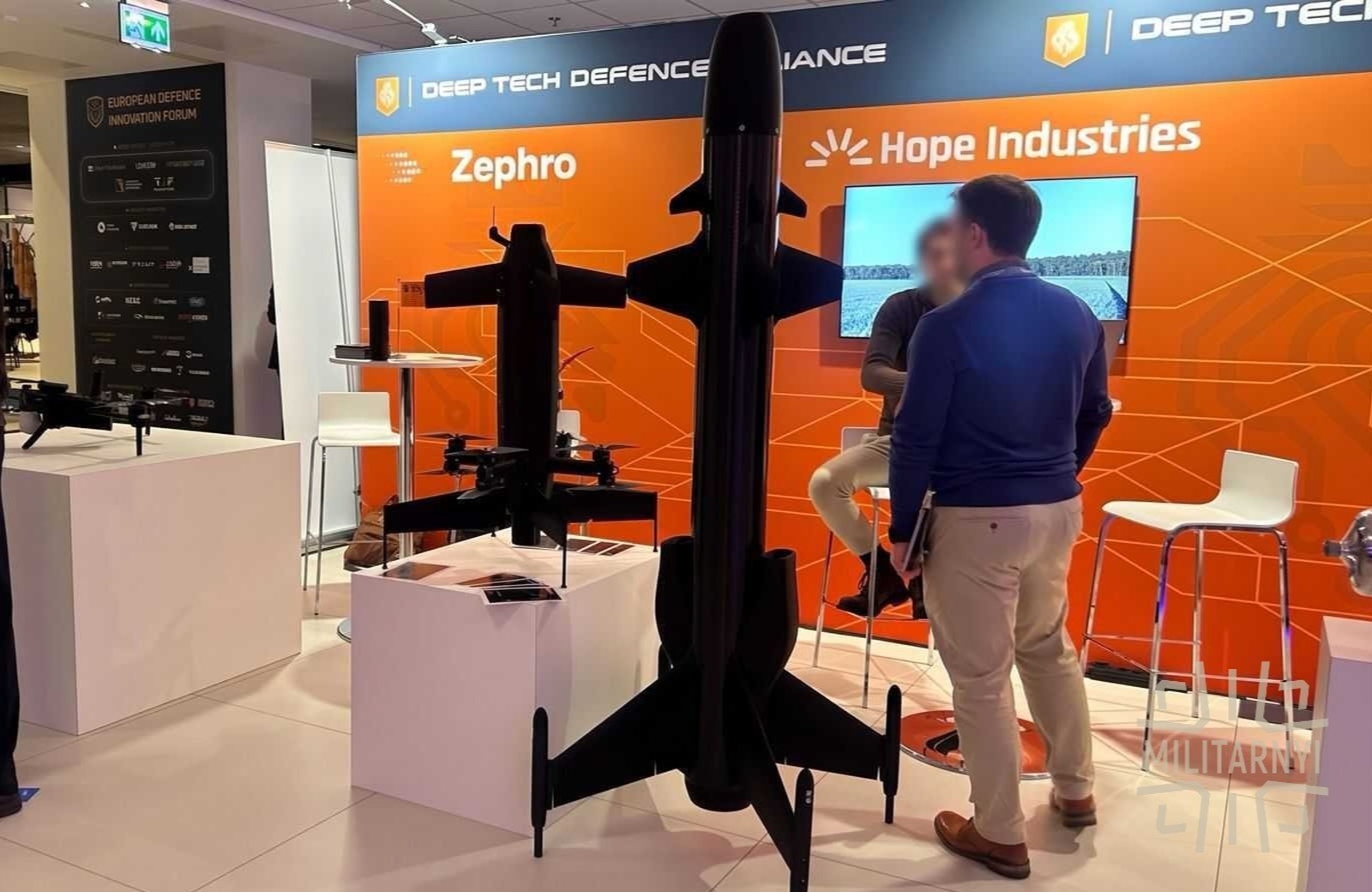
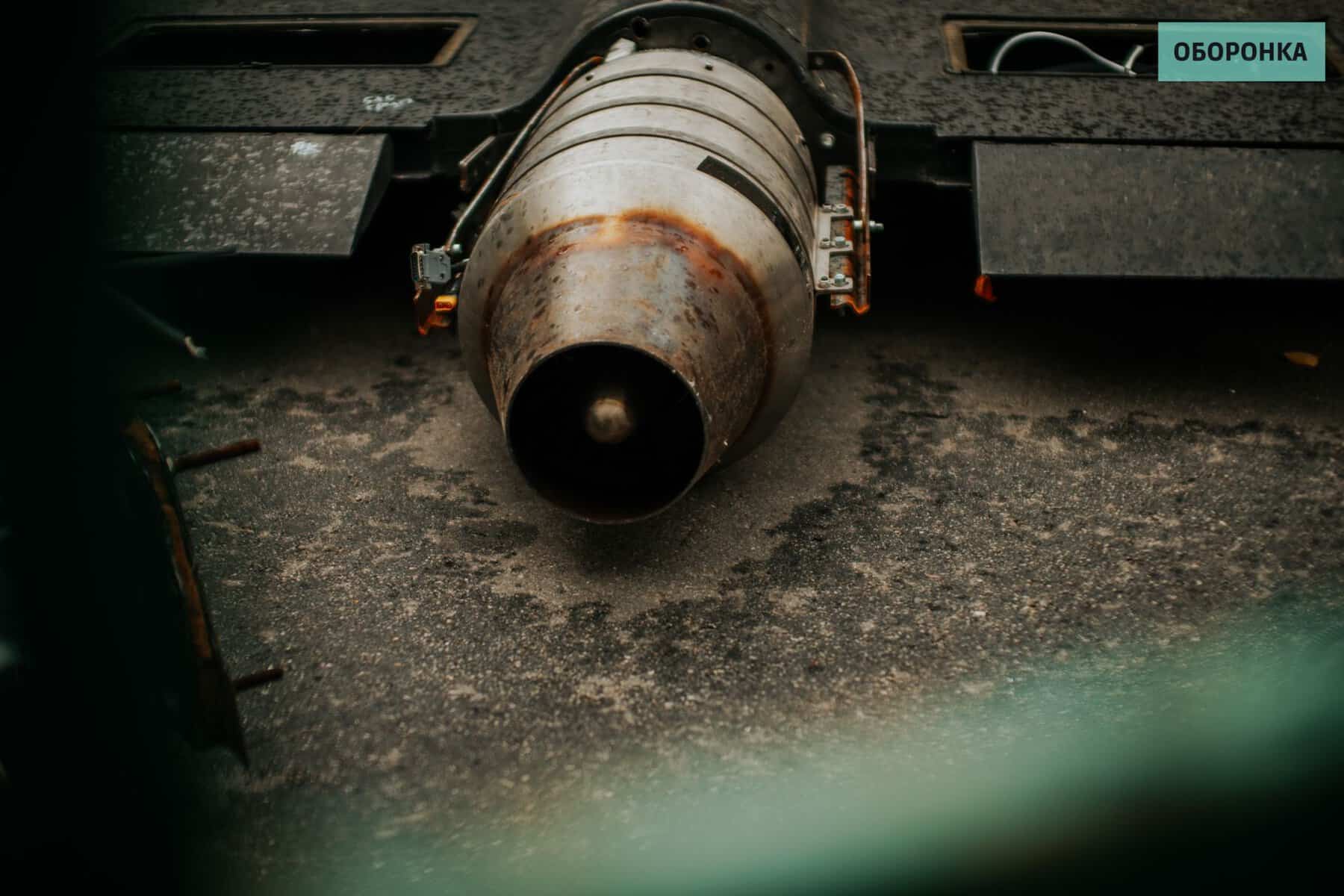
The Dutch company Hope Industries is developing a line of high-speed unmanned interceptor drones called the Patronus. Currently, there are two models: the Patronus E with an electric motor and the Patronus H with a jet engine.
The Patronus H is the result of the company’s participation in a challenge issued by the Dutch Ministry of Defence to develop high-speed interceptors. Company representatives shared this information with Militarnyi during the European Defence Innovation Forum 2026 in The Hague.
The company began work on the Patronus H three months ago specifically at the request of the Dutch Ministry of Defence. The developers were tasked with creating an effective means of intercepting unmanned threats, particularly high-speed attack drones such as the Shahed.
“We started working on this three months ago as part of a challenge from the Dutch Ministry of Defence. The idea is that it is twice as large, twice as fast, twice as heavy, and carries twice the payload of our Patronus E. It is designed to combat heavy strike drones with jet engines. The Defense Ministry’s task is to develop a solution against second-class threats—something like the Shahed drone, but with a speed of about 600 km/h, a flight altitude of 5 km, and the need to cover a 30-km radius around itself,” said representatives of the manufacturer.
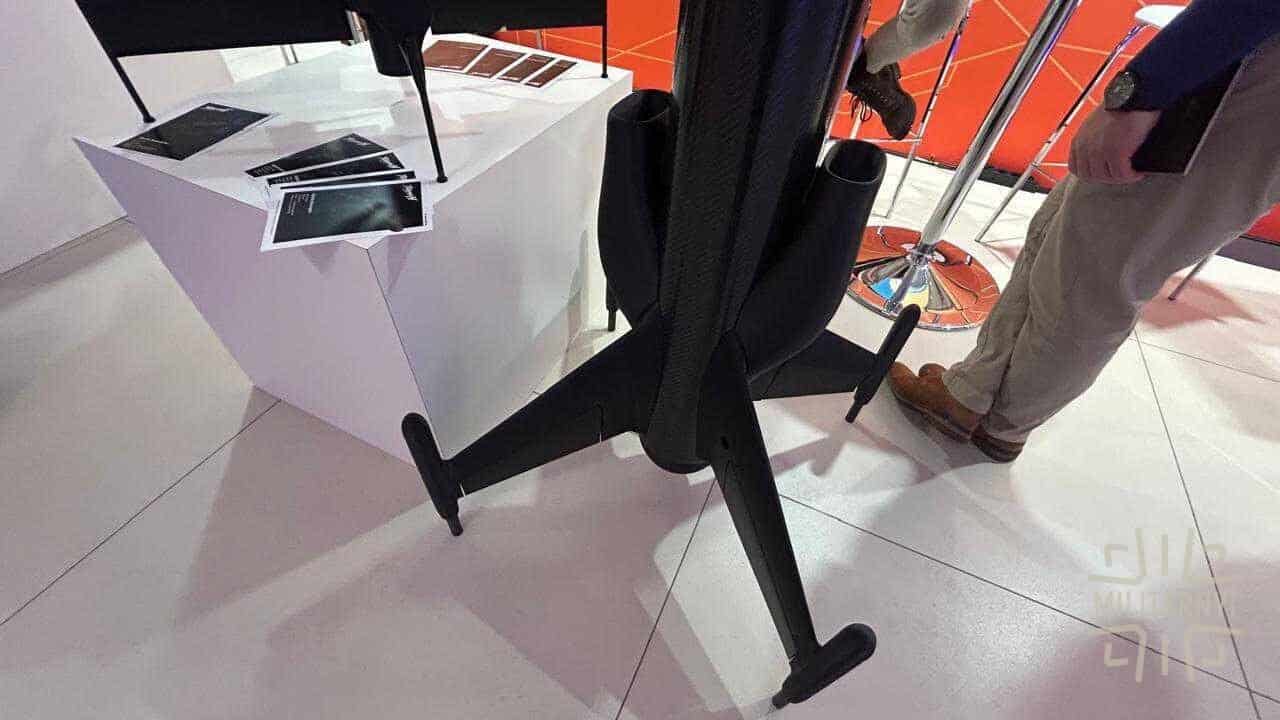
Claimed specifications of the Patronus H:
In the final version, the Patronus H is planned to be equipped with a turbojet engine from the Dutch company HTF. The first flight tests are scheduled for as early as next month.
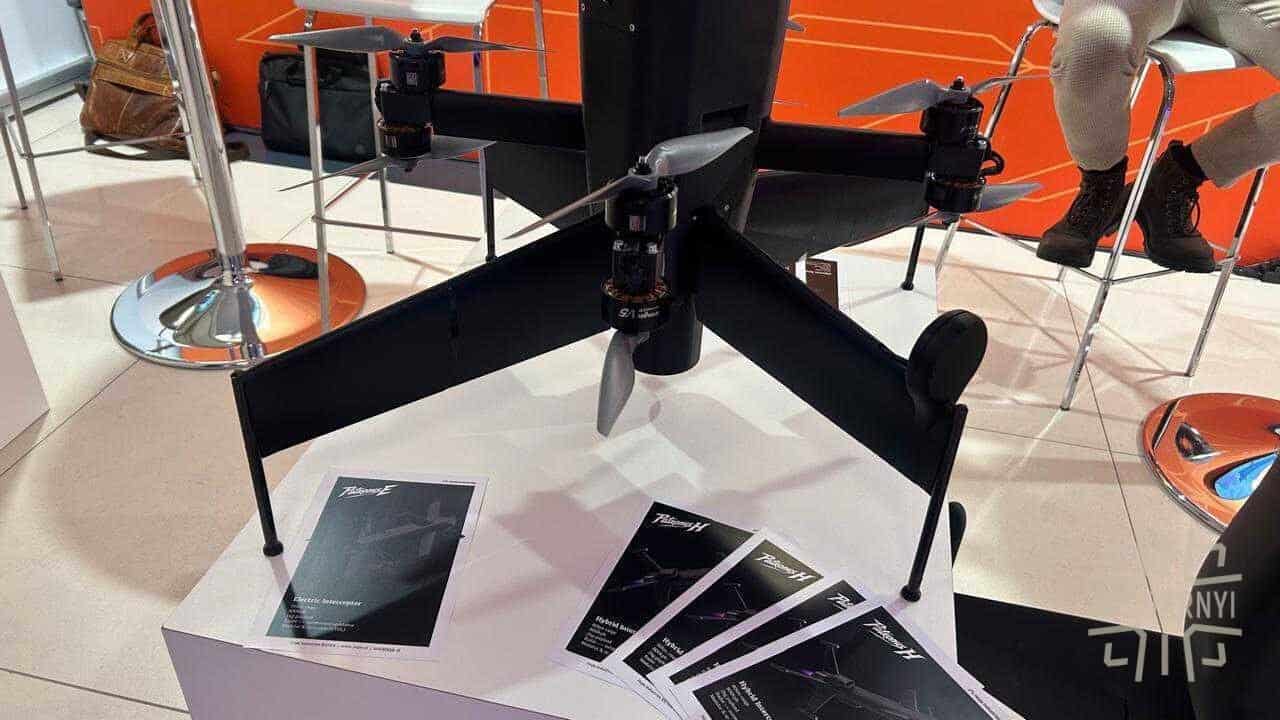
The base version—the Patronus E—served as the foundation for the jet model. Development of this interceptor has been underway for a year and a half. The company notes that this aircraft has already moved beyond the prototype stage.
“We’ve been developing it for a year and a half, so I wouldn’t call it the prototype stage anymore. It’s roughly at TRL 8. To be honest, there’s still a bit of work left to make it fully stable and controllable at speeds between 300 and 400 km/h. But at speeds up to 300 km/h, it already operates fully autonomously,” Hope Industries stated.
According to the developers, during real-world flight tests, intercepts are currently conducted without a warhead, and the strike on the target is called off at the last moment.
“We’re conducting all these tests under real-world conditions, but mostly without a warhead. We try to call off the intercept at the last moment to collect as much data as possible and avoid crashing the drones every time. And we really have to do this, because it’s obvious that the drone will ram the target—so we give the command to abort, and it veers off to the side,” the company explained.
Patronus E’s stated specifications:
Both interceptors run on Hope Industries’ proprietary software. The drone receives target designation from a ground-based radar, heads to the search area, and, after the operator confirms the target on the screen, switches to autonomous optical guidance based on computer vision.
“We sourced a portion of the dataset from open sources on the internet, but it’s very limited, so we’re trying to build our own database. Obviously, we don’t have our own Shahed drones to launch and photograph, but we’re building our own target drones that are as close to it as possible. We film videos with them and also use footage from all real-world interception tests—this allows us to collect more data to train the model,” company representatives explained.
The developers plan to port the detection and guidance system to the Patronus H version as well.
Hope Industries also confirmed that it is already collaborating with a Ukrainian defense company, though the company’s name and details of the joint project are not being disclosed at this time.
Підтримати нас можна через:
Приват: 5169 3351 0164 7408 PayPal - [email protected] Стати нашим патроном за лінком ⬇
Subscribe to our newsletter
or on ours Telegram
Thank you!!
You are subscribed to our newsletter