




Popular


On 30 October 2026, the European Commission proposed that the Council release the remaining €45 billion of the €90 billion Ukraine Support Loan for 2027, with €31.7 billion of it earmarked for defence industrial capacity. The proposal follows Ukraine’s Financing Strategy, submitted on 26 October, and is meant to give Kyiv what Commission President Ursula von der Leyen called “much-needed predictability” through next year. The funds are due to be disbursed by 31 December 2027, once the Council adopts the decision and EU states agree how to split the money between the Ukraine Facility, Macro-Financial Assistance and defence industrial capacity.
Commission takes a key step forward on 2027 financial support for Ukraine
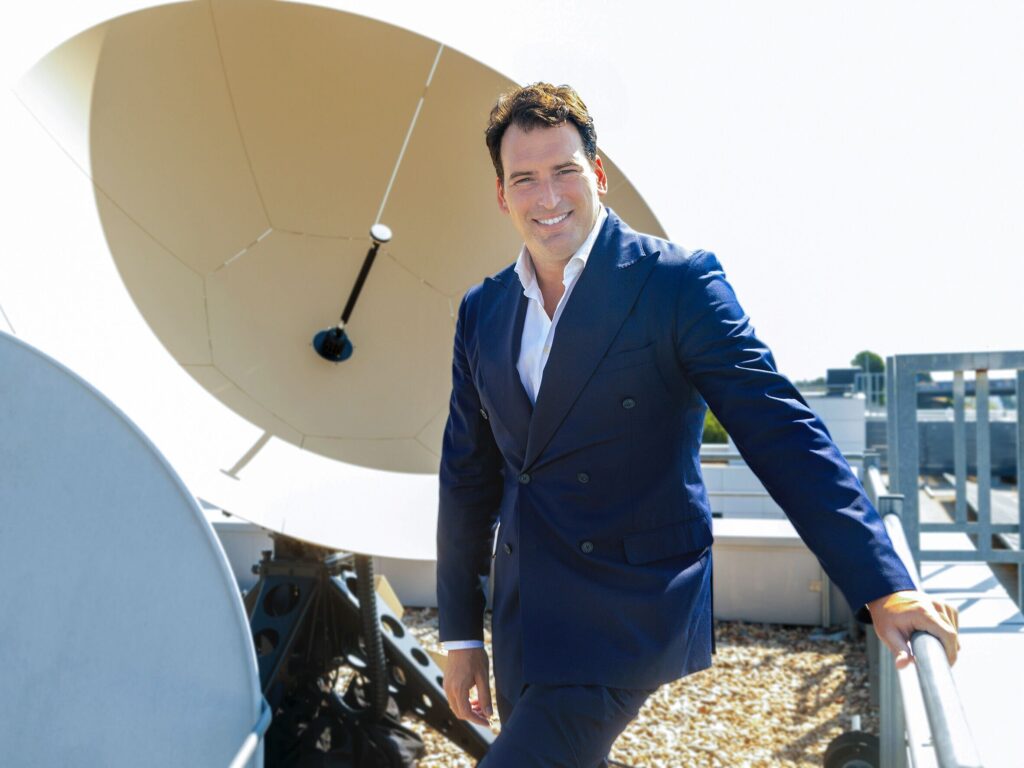
EDIF returns to the World Forum in The Hague on 11 and 12 November, bringing defence innovators, investors and policymakers together for two days of panels, a dedicated session on Ukraine’s battlefield experience, and an industry exhibition. Registration closes 6 November.
From 20 to 22 November, more than 200 hackers from across Europe gather in Paris to build defence-tech prototypes over a weekend, mentored by industry experts and judged at Sunday’s Demo Day. Joining the EDTH Community gives free access to the hackathon and a year of community events.
European Defense Tech Hackathon — Paris 2026
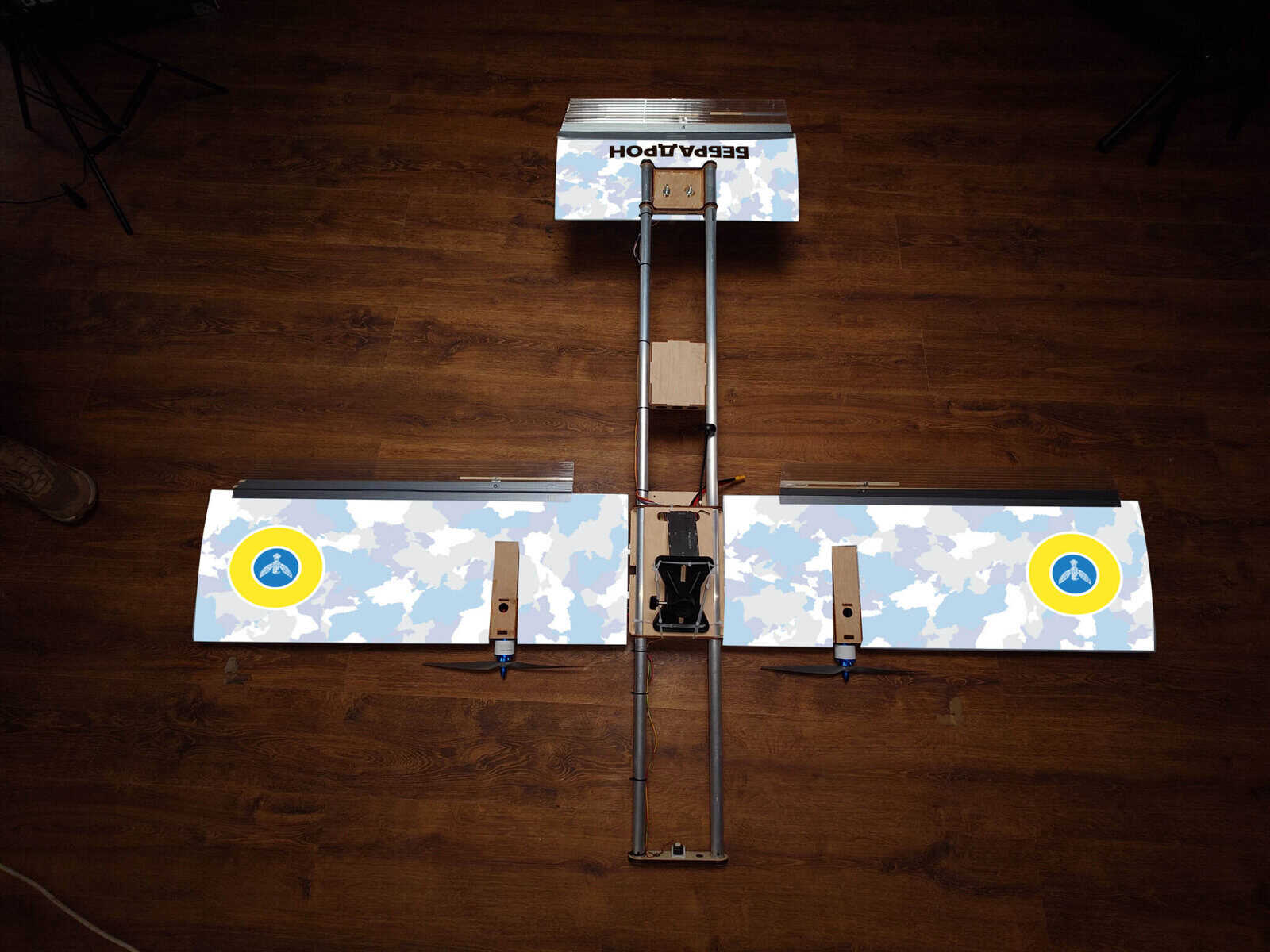
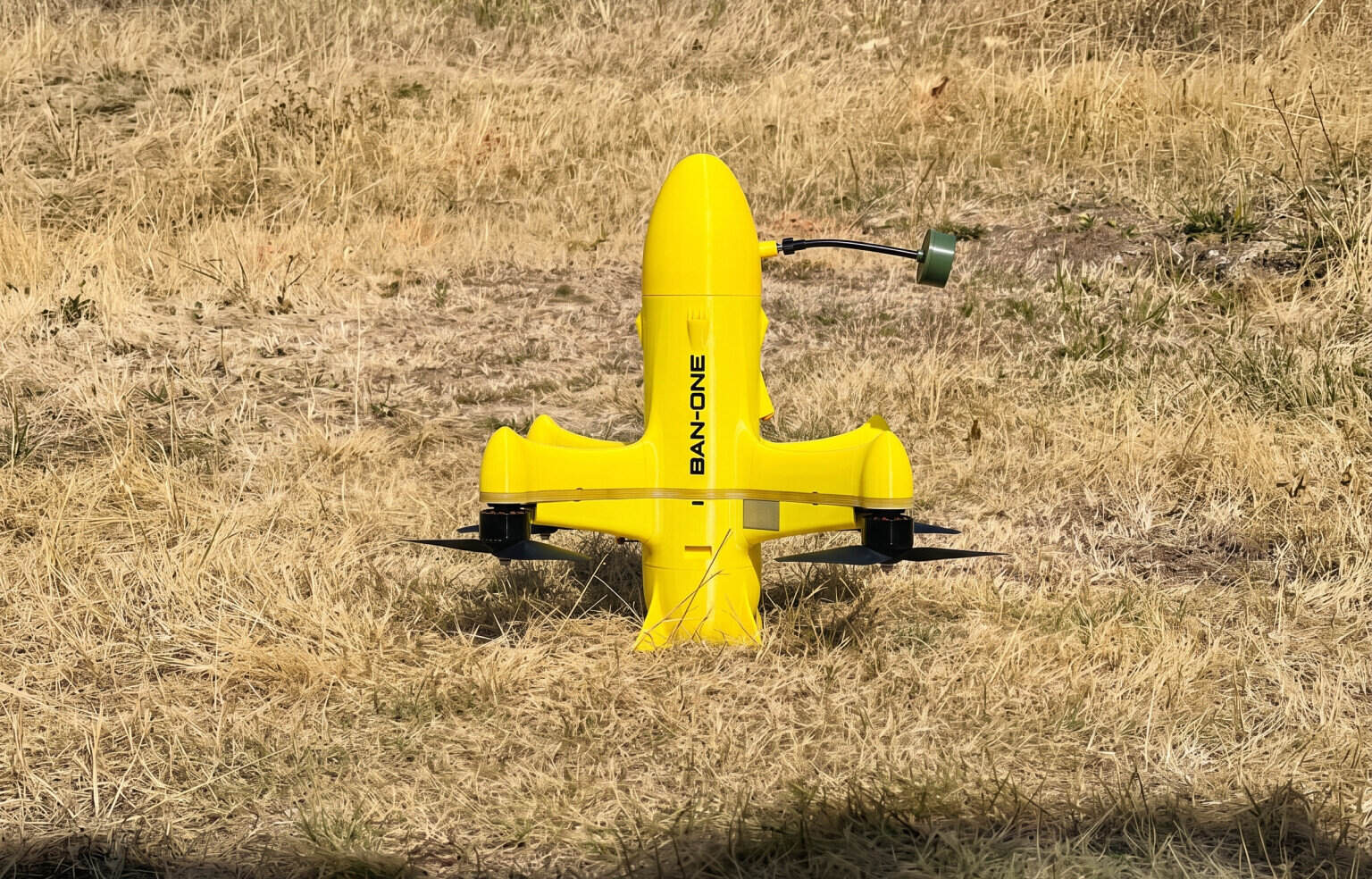
Under the EU’s EDIP programme, the Ukraine Support Instrument is funding joint EU-Ukraine projects on unmanned and counter-drone systems with grants of €2 million to €10 million from an €80 million budget, covering up to 100% of costs for projects running three to five years. Applicant consortia of up to 15 members must include at least one Ukrainian company, with no more than 35% of a project’s value sourced from outside the EU and Ukraine. Deadline: 16 February 2027.
EU funding for Ukraine’s defence industry: EDIP, USI, BraveTech · BraveTechEU — European Commission
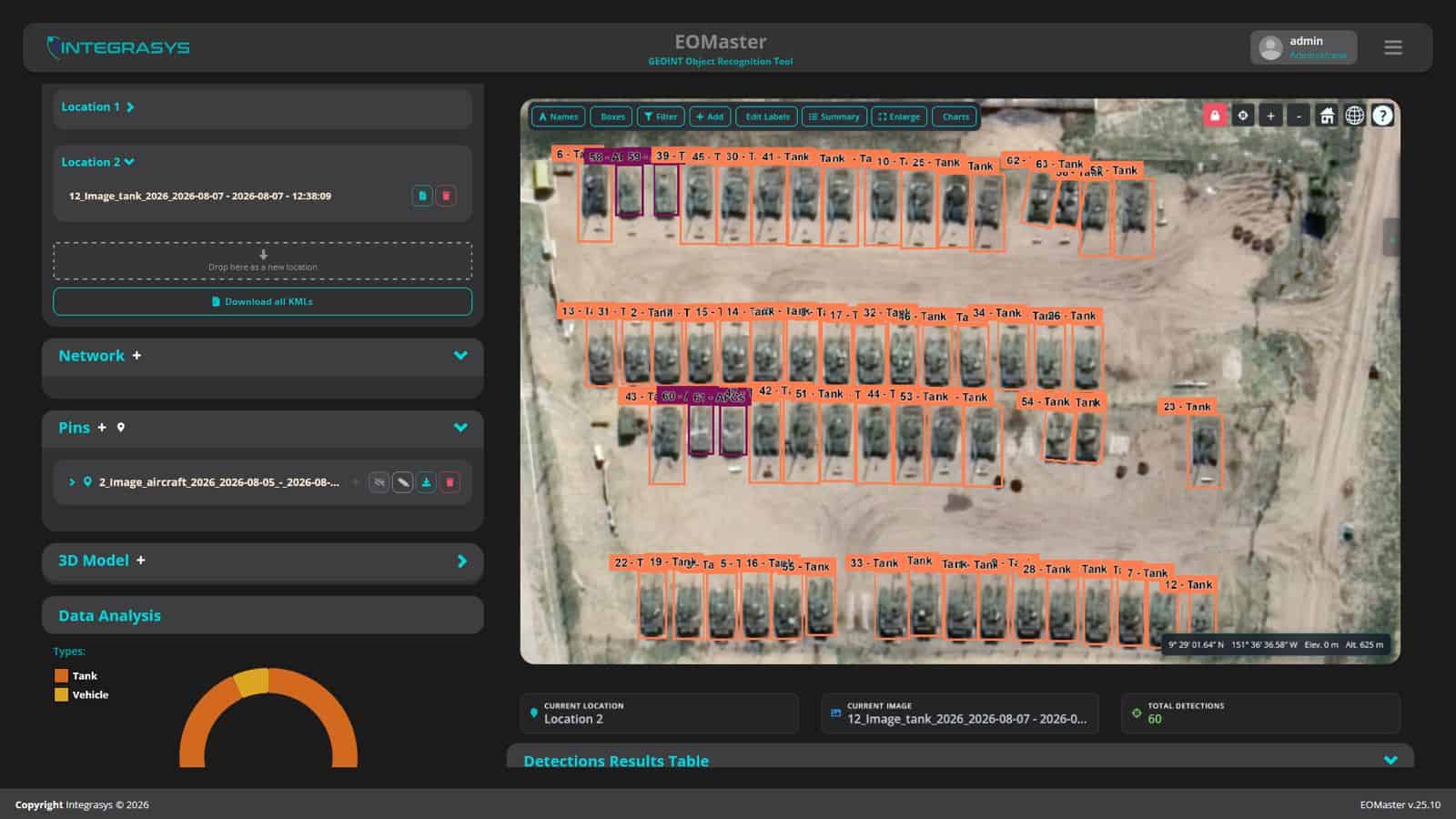
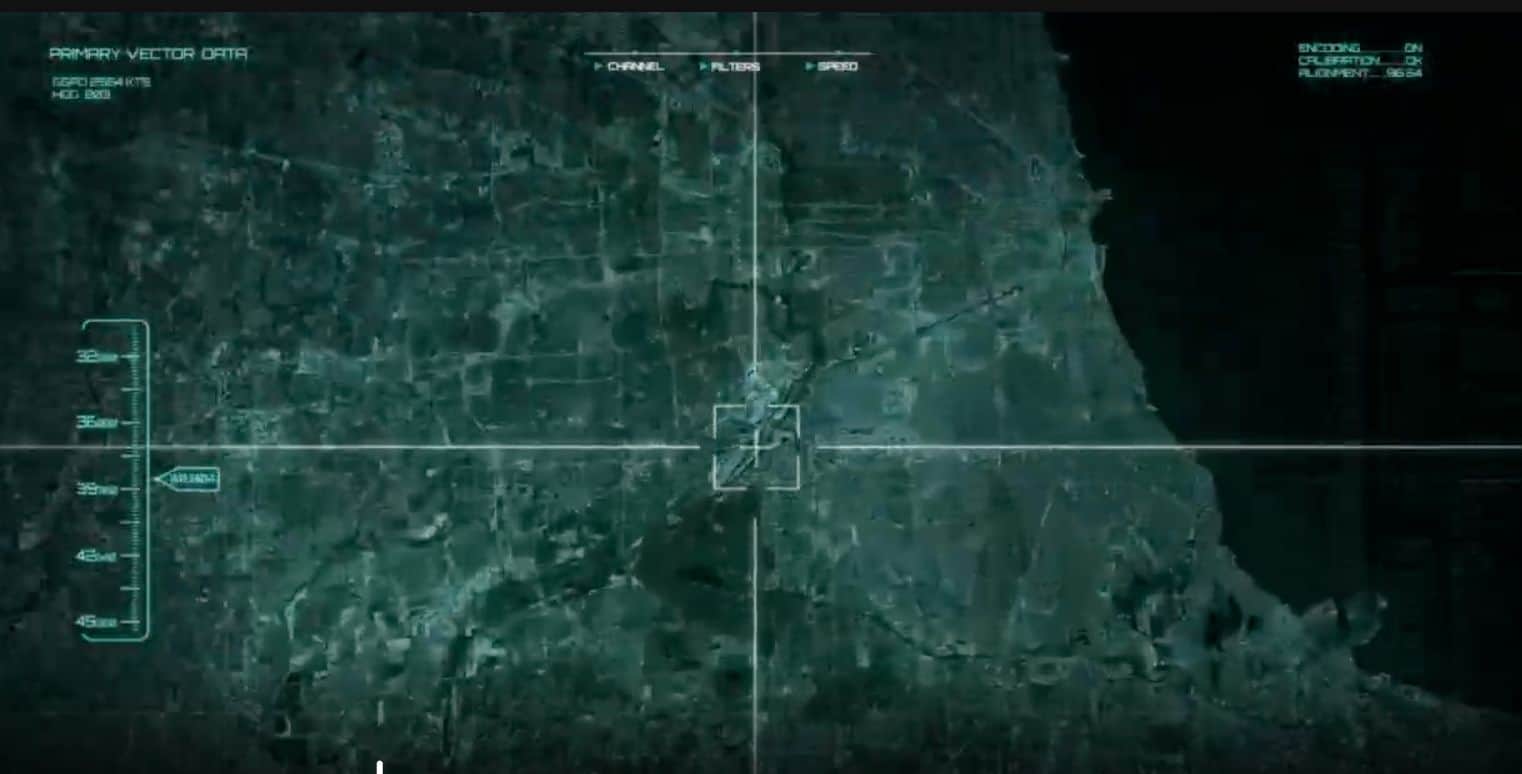
EO Master, INTEGRASYS’s GEOINT object-recognition tool, applies AI and machine learning to optical and SAR satellite imagery, comparing detected objects against a library of 3D models, including recent Eastern military platforms, to tell real equipment from decoys in near real time. Analysts can set detection-confidence thresholds per object class, inspect individual contacts down to aircraft type and position, and track multiple locations and image dates side by side on dashboards that break detections down by model and count. Every analysis can be exported as a KML file or compiled into a branded Earth Observation Report, giving defence, government and environmental-monitoring teams a shareable record of what the imagery shows and when.
Підтримати нас можна через:
Приват: 5169 3351 0164 7408 PayPal - [email protected] Стати нашим патроном за лінком ⬇
Subscribe to our newsletter
or on ours Telegram
Thank you!!
You are subscribed to our newsletter