


Popular
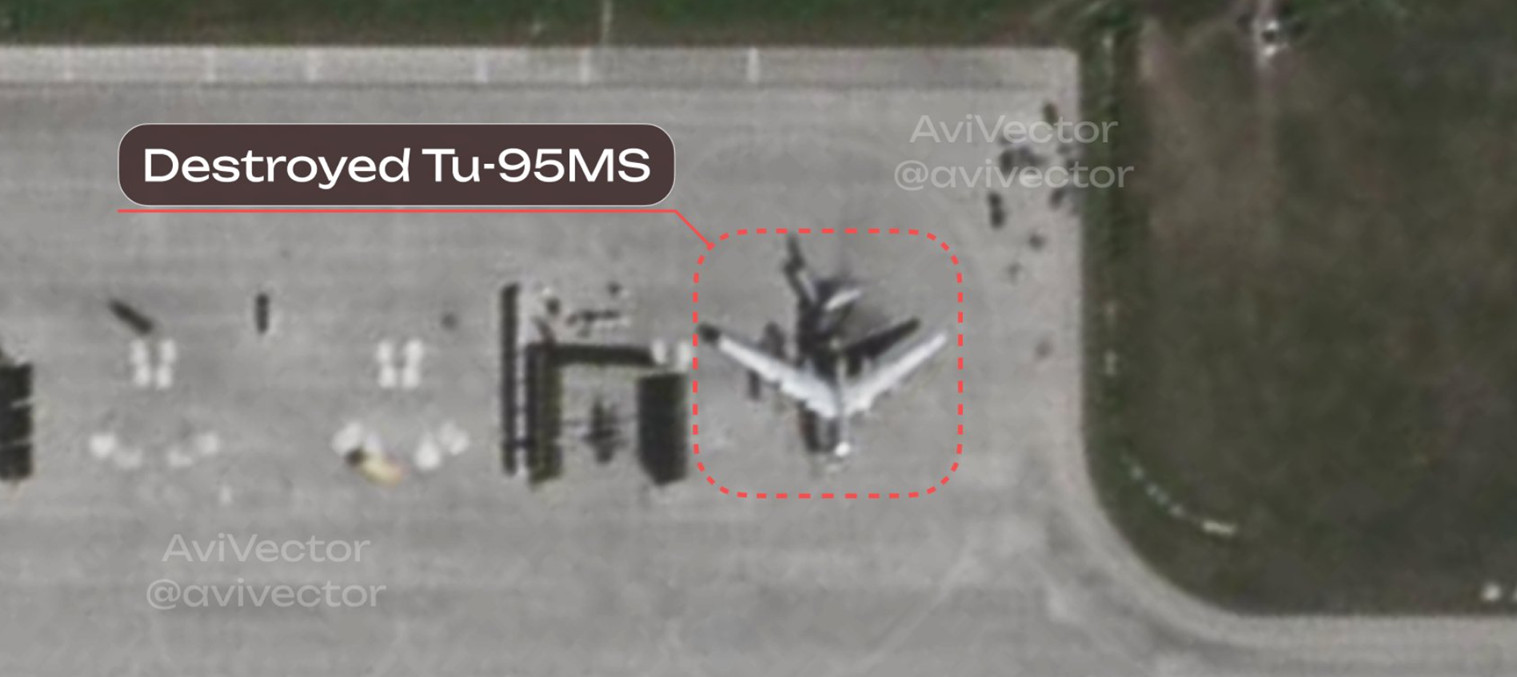
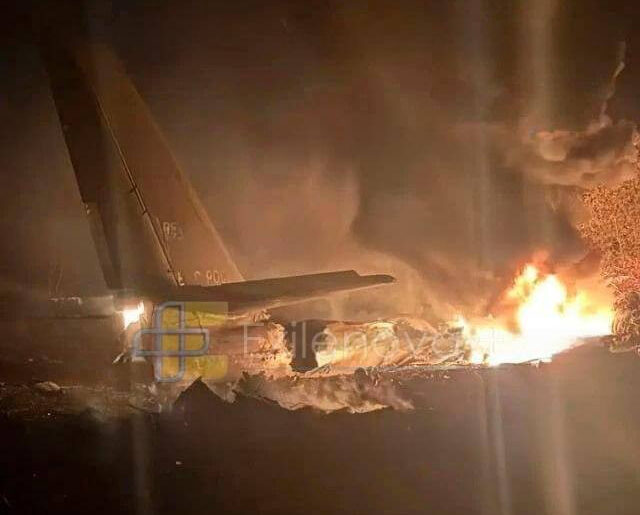
Satellite images confirm the destruction of a Russian Tu-95MS strategic bomber at Engels-2 airbase in the Saratov region.
Analysts from the AviVector group published fresh images of the airfield.
According to them, two Tu-95MS bombers had been stationed at Engels-2 for an extended period, where they underwent rotation and maintenance and were used for training.
The impact completely destroyed the aircraft’s tail section, rendering it beyond repair.

The attack that destroyed the Tu-95MS strategic bomber was carried out by the Security Service of Ukraine (SSU) on the night of July 16 using Shahed-type drones.
The Tu-95MS is a modernized version of the 1979 Tu-142MK anti-submarine aircraft adapted to carry Kh-55/Kh-555 and Kh-101/Kh-102 cruise missiles.
Some Tu-95MS aircraft were converted from Tu-142MK airframes, while the rest were newly built. The last aircraft rolled off the assembly line on August 20, 1992.
Since 2015, the Tu-95MS has been modernized to the Tu-95MSM standard. As of 2024, the Russian air fleet consisted of 31 Tu-95MS and 27 Tu-95MSM aircraft.
As part of the modernization, the aircraft received new engines, an upgraded Meteor-NM2 airborne defense system, new navigation and astronavigation systems, and an information display system. The upgrade also made it possible to increase the number of missiles carried on external pylons to eight.
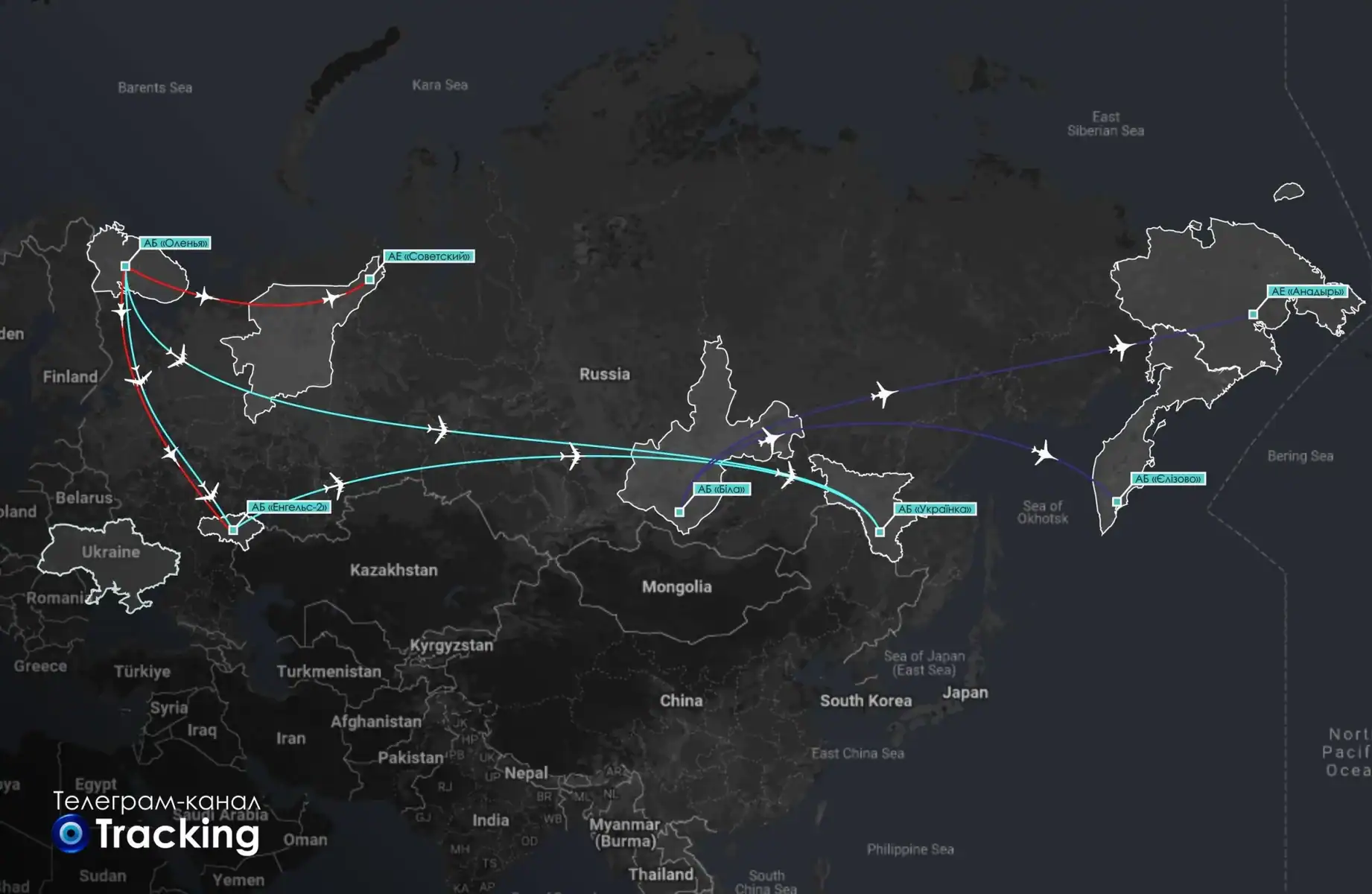
After the success of Operation Spiderweb in June 2025, during which the Security Service of Ukraine struck at least eight Tu-95MS and Tu-95MSM strategic bombers, Russian strategic aviation was forced to relocate to the Far East, significantly complicating strikes against Ukraine.
Tu-95MS aircraft now operate mainly between two airfields: Engels-2, where they are equipped with Kh-101 cruise missiles before strikes, and Ukrainka, where they are sheltered from Ukrainian attacks.
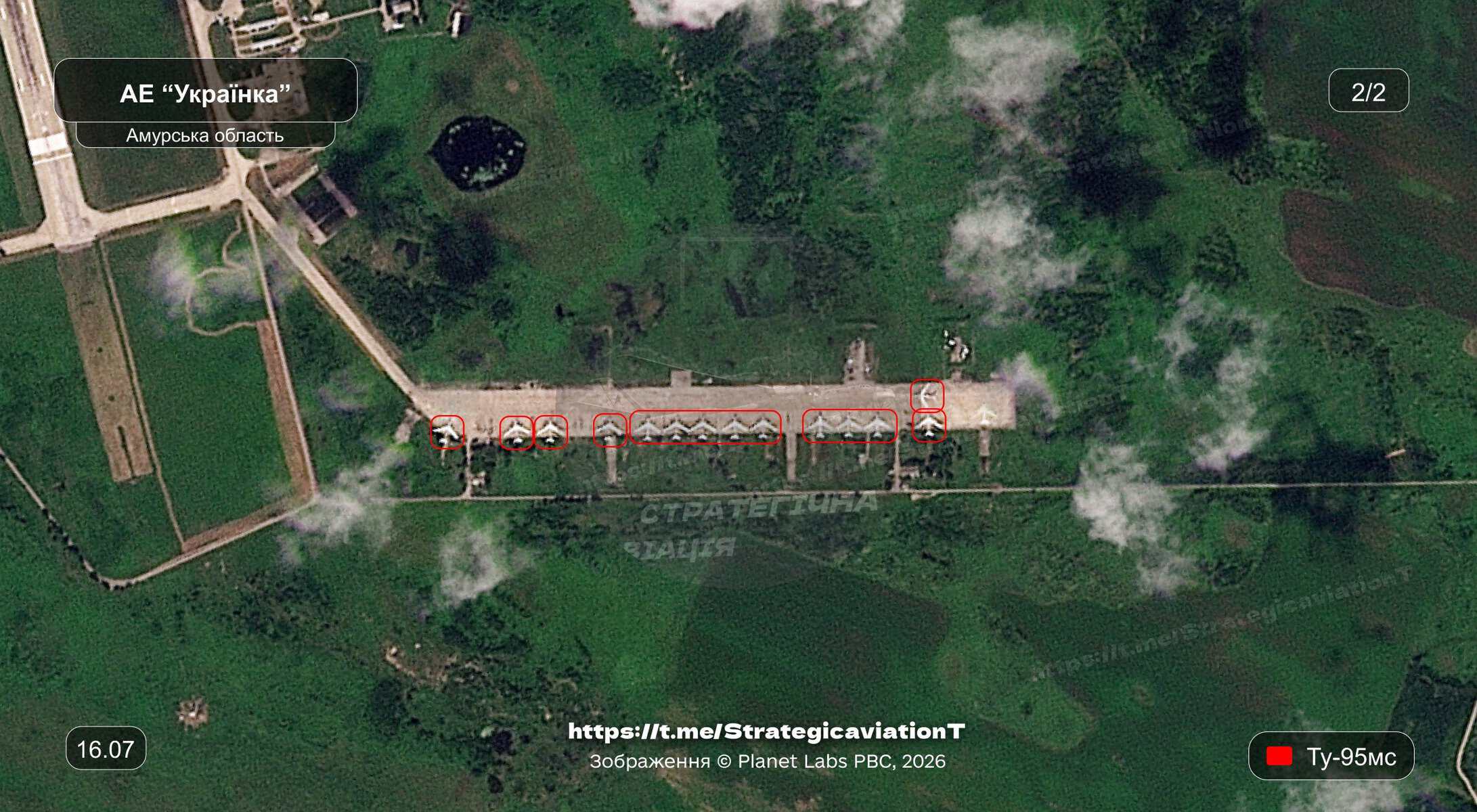
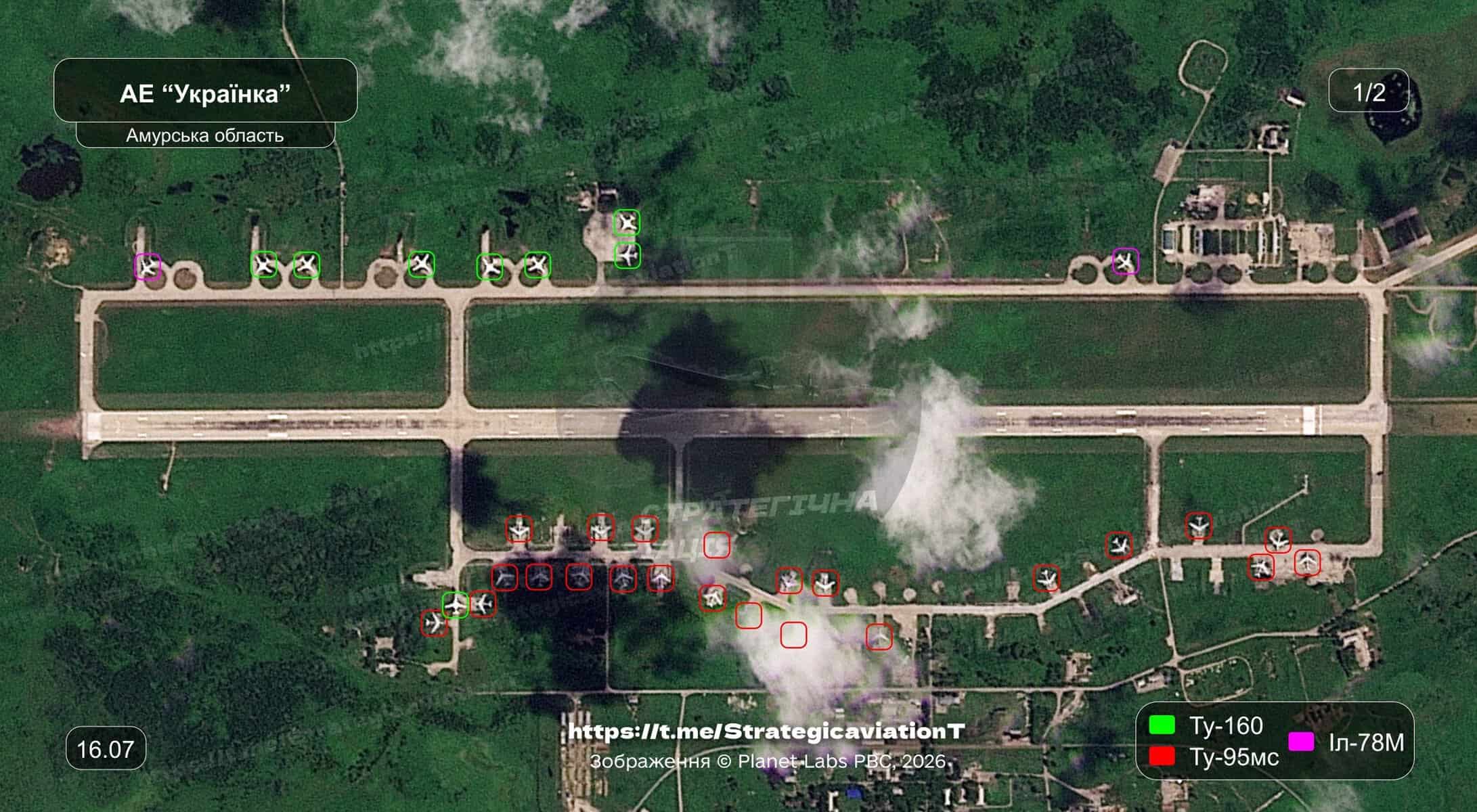
To launch cruise missile strikes, aircraft from the Far East must fly at least 7,000 kilometers to the launch area near the Saratov region and then another 5,400 kilometers on the return flight. Thus, the total distance of a Tu-95MS combat mission can reach 12,400 kilometers, or approximately 23 hours in the air.
Through these measures, Russia is seeking to reduce the vulnerability of its strategic aviation by dispersing it across different airfields. At the same time, frequent flights and extended time in the air accelerate wear on the already aging aircraft and increase the workload on crews and maintenance costs.
Підтримати нас можна через:
Приват: 5169 3351 0164 7408 PayPal - [email protected] Стати нашим патроном за лінком ⬇
Subscribe to our newsletter
or on ours Telegram
Thank you!!
You are subscribed to our newsletter