







Popular
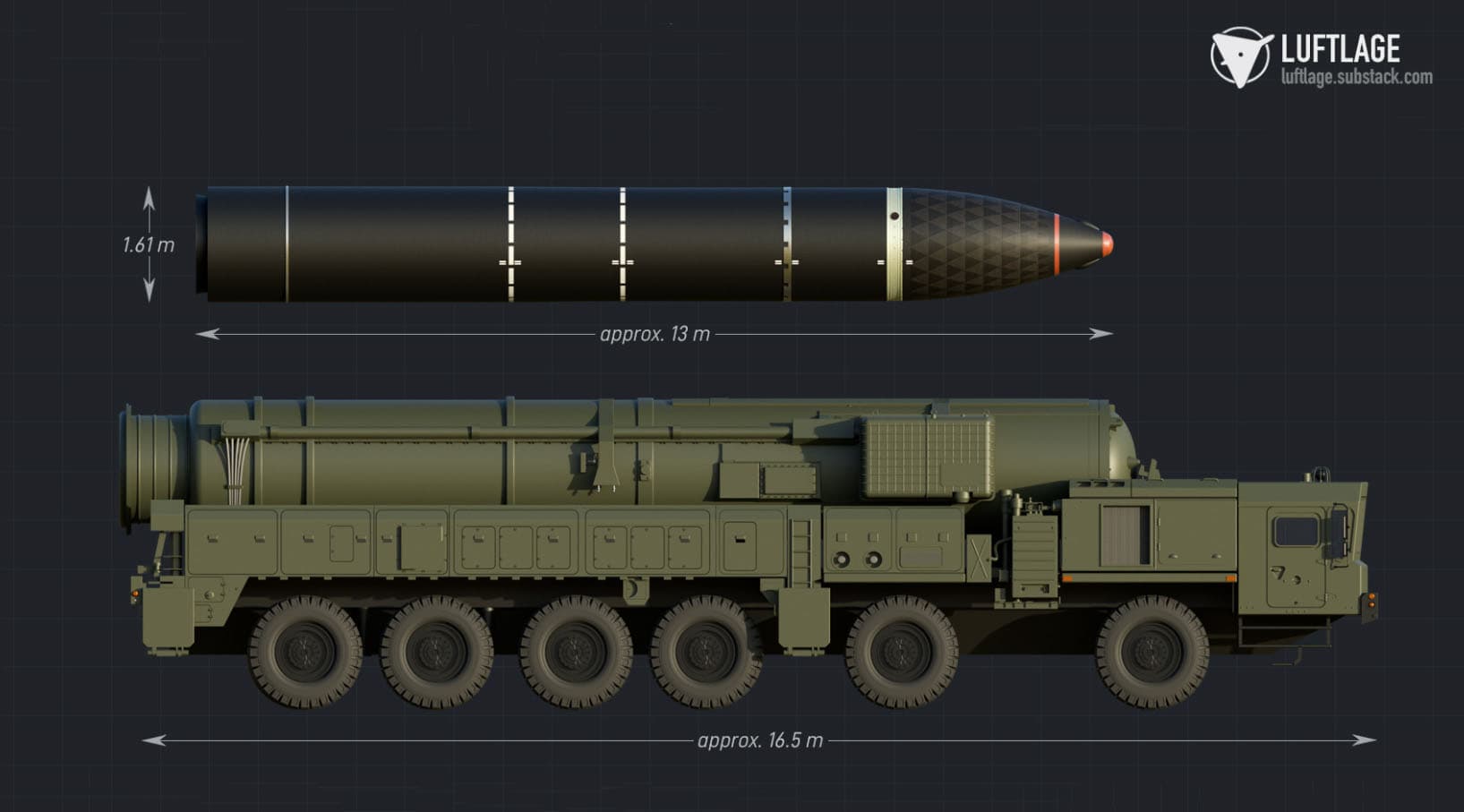
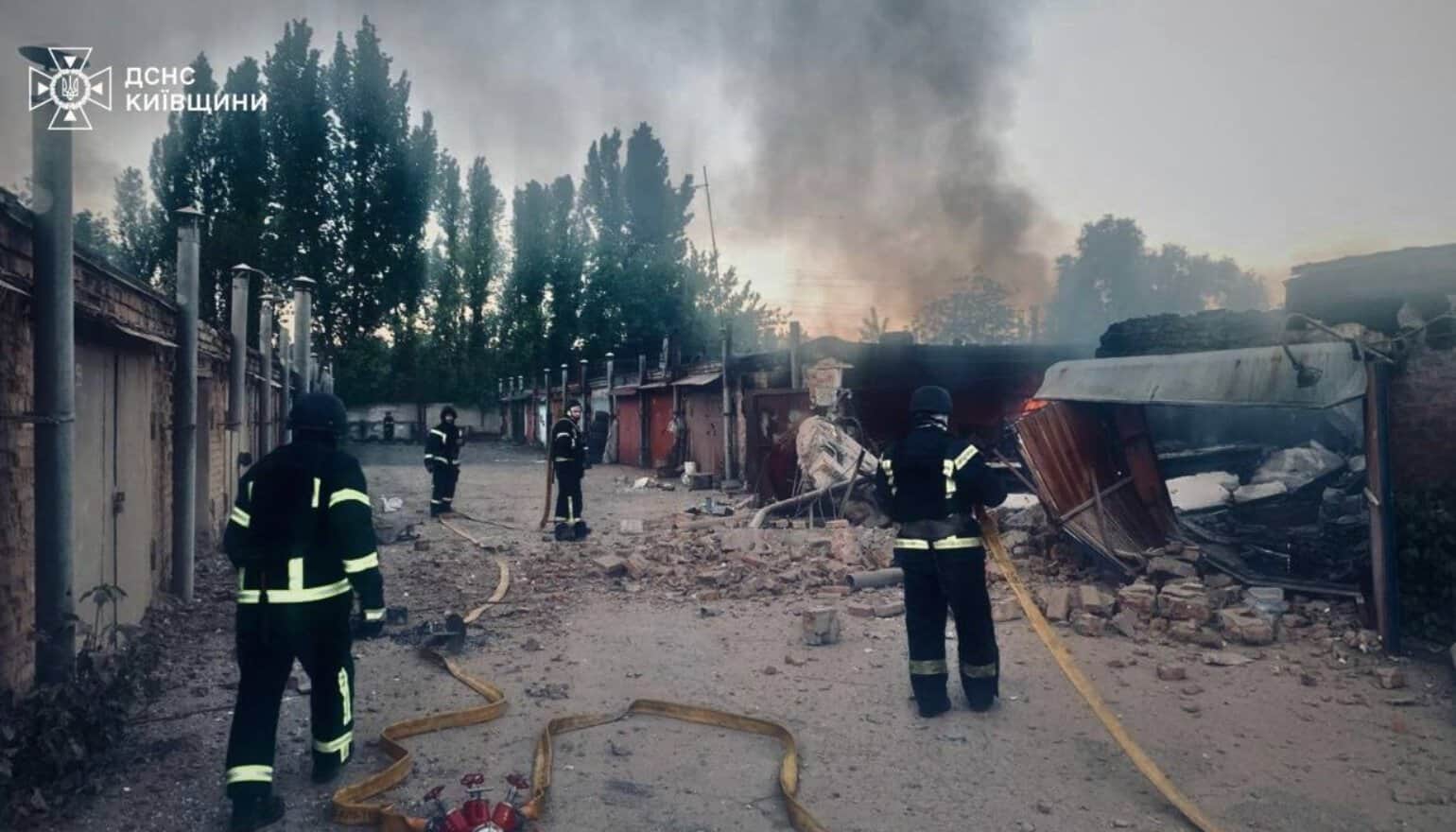
Unlike previous missiles, the Oreshnik missile that Russia used to strike Bila Tserkva on May 24, 2026, was manufactured using new electronics.
This was reported by Vladyslav Vlasyuk, the President’s Representative on Sanctions Policy, in a comment to Militarnyi.
According to the results of an analysis of the missile debris, more than half of all dated components were manufactured in 2023–2024. Parts manufactured in 2025 were also found.
“This indicates that this is not a matter of using old stockpiles, but rather of ongoing missile production utilizing a new electronic component base,” emphasized Vladislav Vlasyuk.
According to him, all identified components of the examined Oreshnik were manufactured exclusively by Russian and Belarusian companies.
During the massive shelling on the night of May 24, Russia used two medium-range Oreshnik (Kedr) ballistic missiles. However, the first launch failed, and the missile likely struck a suburb of Donetsk.
The use of new electronics starkly distinguishes the missile that struck Bila Tserkva from the missiles used in previous attacks on the Lviv region on the night of January 8–9, 2026, and on Dnipro in November 2024.
In particular, Ukrainian experts who examined the debris of the Russian missile that was used to strike the Lviv region on the night of January 8–9, 2026, found that all the printed circuit boards and microchips inside the flight control unit were manufactured between 2014 and 2016.
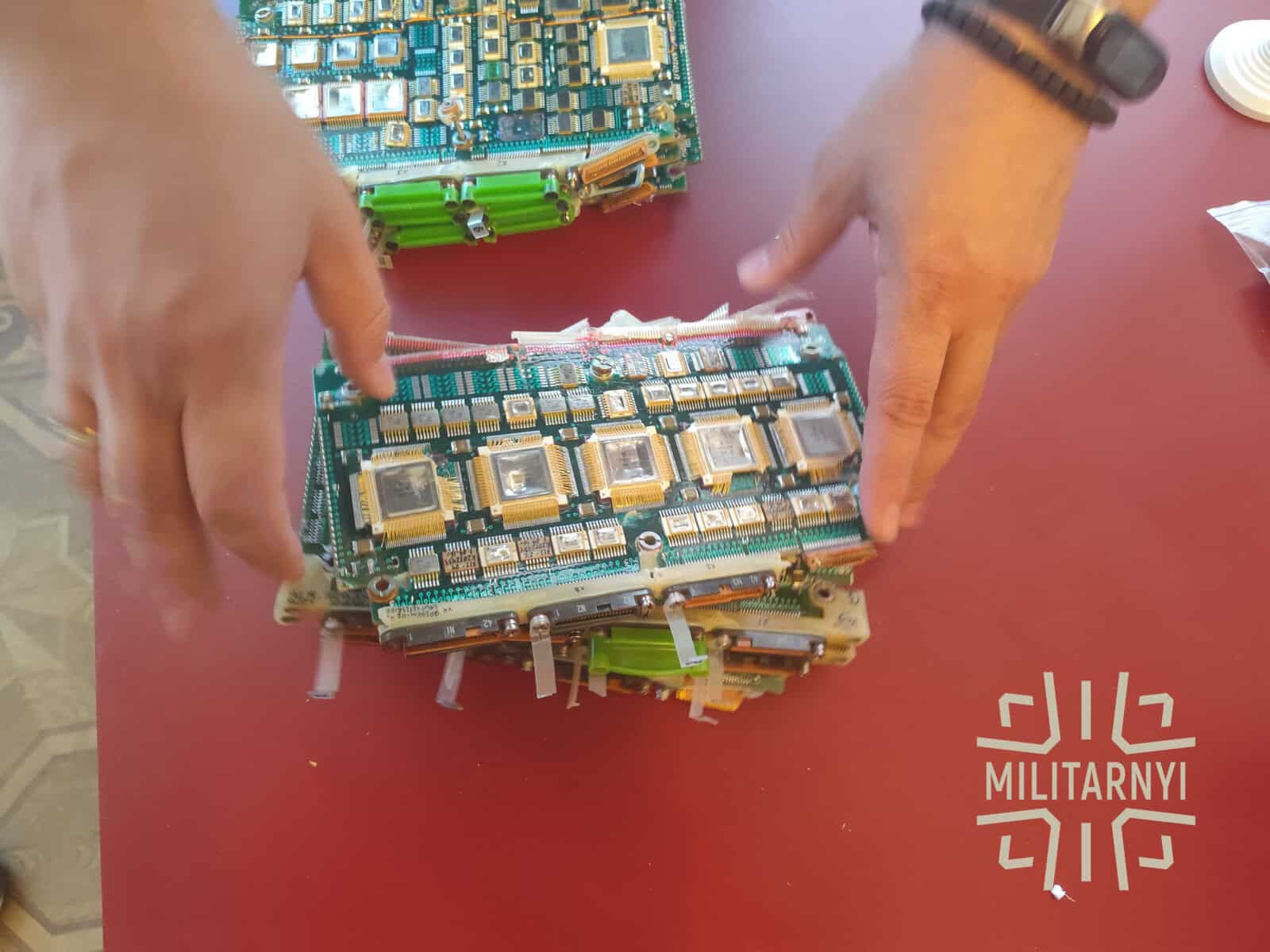
A similar situation was revealed by an analysis of the debris of the rocket that struck Dnipro. Markings on individual parts indicated that they were manufactured as early as the beginning of 2018 and were likely originally intended for other projects.
Ukrainian specialists and experts from the Independent Anti-Corruption Commission (NAKO) identified a chain of manufacturers of electronic components used in the Russian medium-range ballistic missile Oreshnik.
During their investigation, the experts identified approximately 470 electronic components manufactured by 25 confirmed companies in Russia and Belarus. Four additional manufacturers are mentioned in the materials, but their involvement could not be definitively confirmed.

About 62% of the identified manufacturers are already subject to international sanctions, while 93% of the companies have been added to sanctions lists by Ukraine alone.
Among the key manufacturers, the authors name the Academician Pilyugin Scientific and Production Center for Automation and Instrument Engineering, which develops guidance and control systems for ballistic missiles, as well as the companies Mikron, Angstrom, Kremniy EL, Optron, Morion, Svetlana, and the Belarusian holding company Integral.
The Belarusian company Integral and its subsidiary Transistor, located in Minsk, play a special role in the production of electronics for Oreshnik. Both companies are subordinates of the Belarusian Ministry of Industry and are among the country’s largest manufacturers of microelectronics. They produce microprocessors, microcontrollers, integrated circuits, transistors, diodes, radiation-hardened components, and other electronics used in military and space technology.
Підтримати нас можна через:
Приват: 5169 3351 0164 7408 PayPal - [email protected] Стати нашим патроном за лінком ⬇
Subscribe to our newsletter
or on ours Telegram
Thank you!!
You are subscribed to our newsletter