




Popular
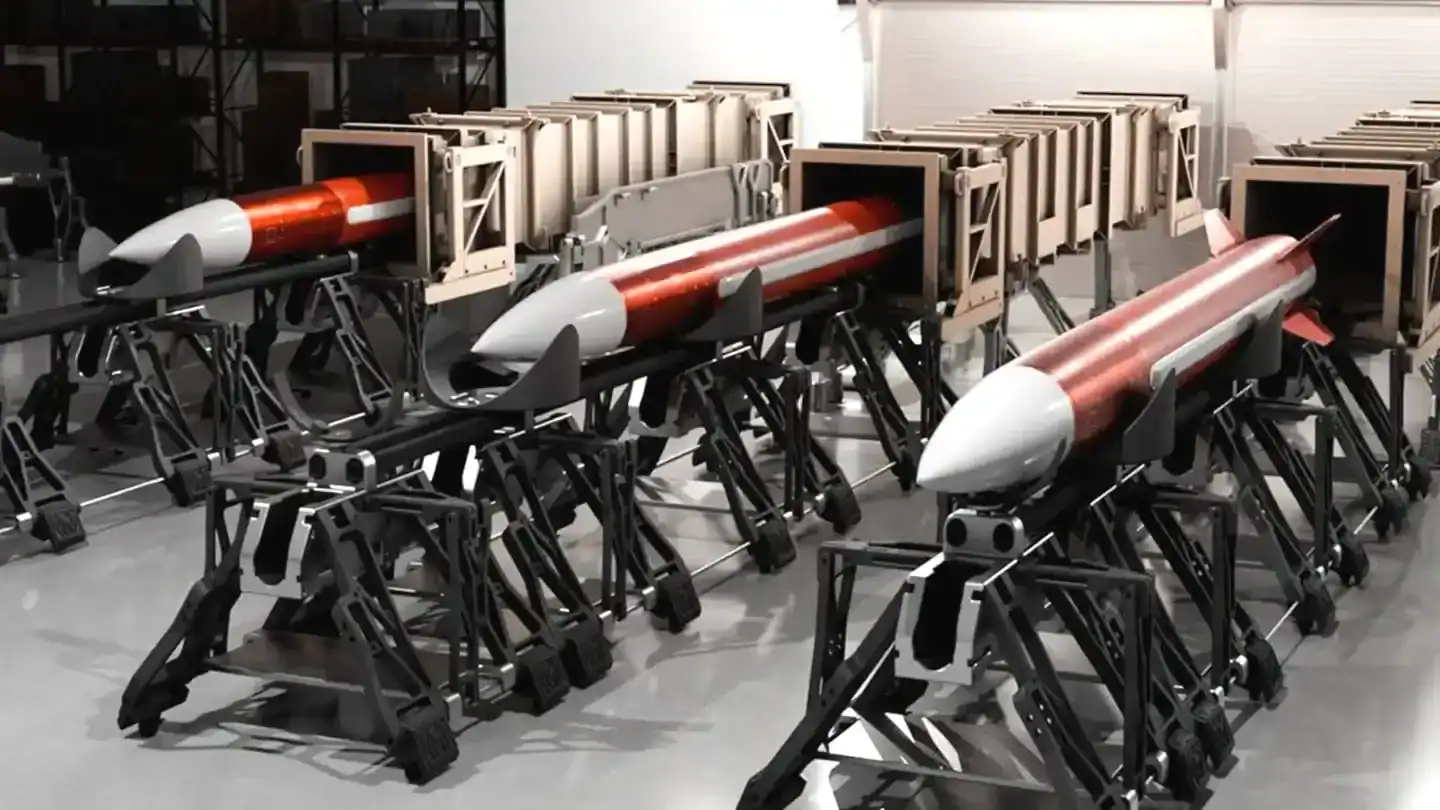
Ukraine obtained an agreement with the U.S. for monthly missile deliveries for the Patriot systems, but the volume of deliveries is insufficient.
This was stated by Ukrainian President Volodymyr Zelensky during a joint press conference with Serbian President Aleksandar Vučić.
“As I’ve already mentioned, there will be fewer of these missiles in 2026. I won’t give a specific number: I can’t tip off the Russians, and I can’t do that to our partners either. There were more of them in 2025,” he emphasized.
At the same time, the President did not specify whether he was referring to missile deliveries as aid from the U.S. or as part of the PURL program—purchases from the U.S. funded by partner countries.
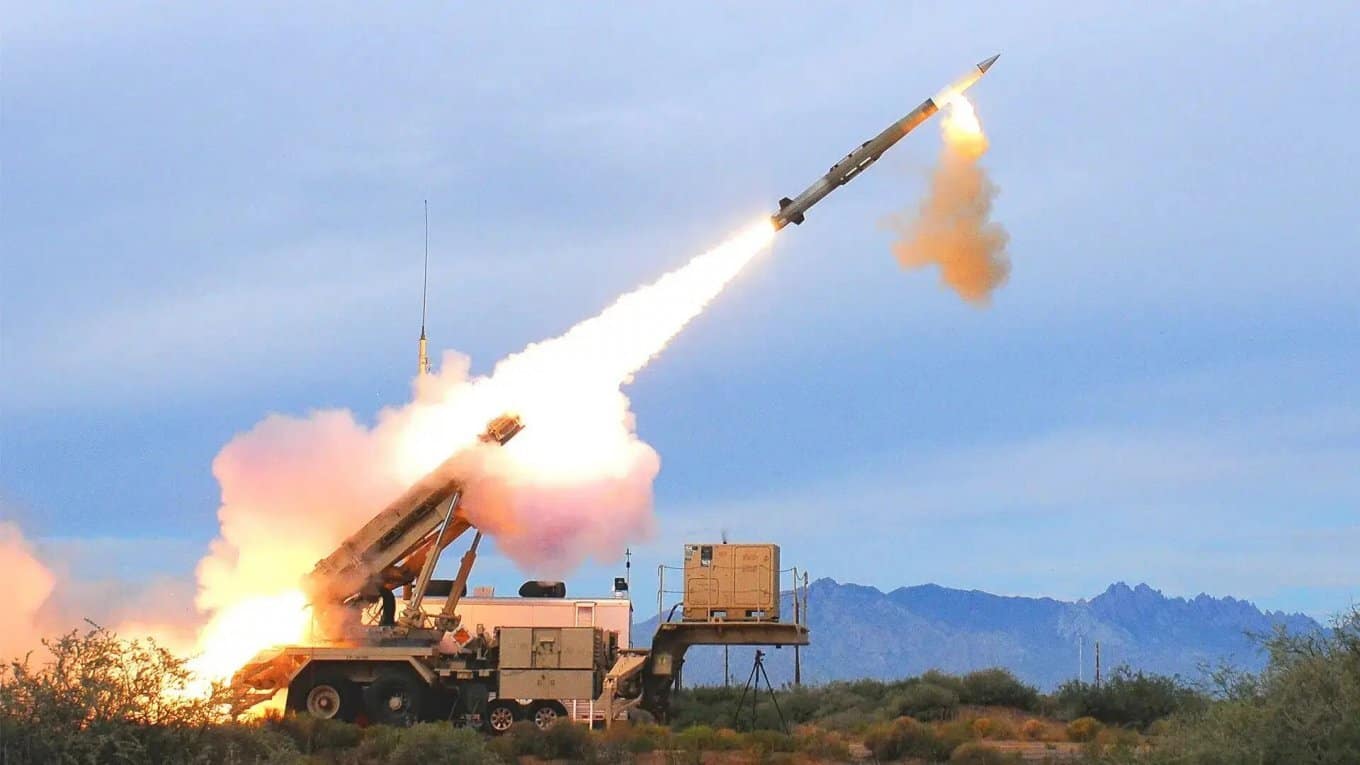
According to him, negotiations are currently underway with European countries and Middle Eastern states to ensure that Ukraine receives additional missiles outside of the U.S. package.
“In addition to our European colleagues, I mentioned the Middle East. South Korea and Japan could also help. Have they assisted us with air defense during this war? No. Due to their domestic laws and constitutions, they have not provided us with the necessary assistance. People often ask about Israel. We would also like to receive air defense systems from them. We would be ready to purchase them, but so far we do not have that opportunity, although we are in dialogue,” he said.
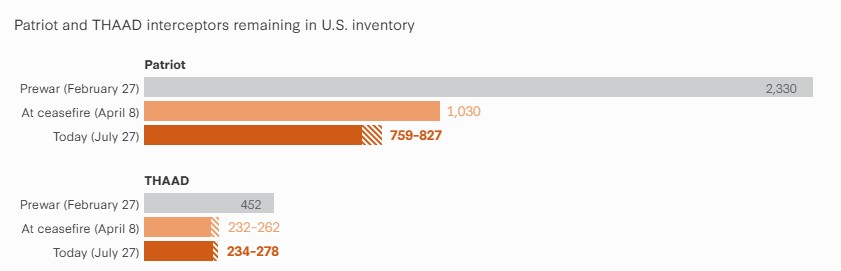
As a reminder, during a meeting in the Oval Office on July 28, Trump rejected Zelensky’s request for 300 missiles for the Patriot systems to protect Ukraine’s energy infrastructure from Russian strikes during the winter. Trump cited a shortage of U.S. stockpiles and noted that these systems are necessary to protect American facilities in the Middle East and the Persian Gulf region in the event of a war with Iran. At the same time, negotiations regarding a license to manufacture the missiles are ongoing.
On July 28, Volodymyr Zelensky met with representatives of Lockheed Martin to discuss further cooperation on the production of PAC-3 interceptors, and on July 23, he met with a delegation from Raytheon regarding the PAC-2.
According to Reuters, U.S. officials cautioned that once production lines for interceptor components are established, manufacturing typically begins only three to seven years after a licensing agreement is signed.
In early August, it was reported that Saudi Arabia’s stockpile of Patriot interceptor missiles had decreased by 86% since the start of the war with Iran.
In the 38 days of the war, the country used up most of its stockpile of 2,800 PAC-3 interceptors, leaving approximately 400 at its disposal.
Підтримати нас можна через:
Приват: 5169 3351 0164 7408 PayPal - [email protected] Стати нашим патроном за лінком ⬇
Subscribe to our newsletter
or on ours Telegram
Thank you!!
You are subscribed to our newsletter