



Popular

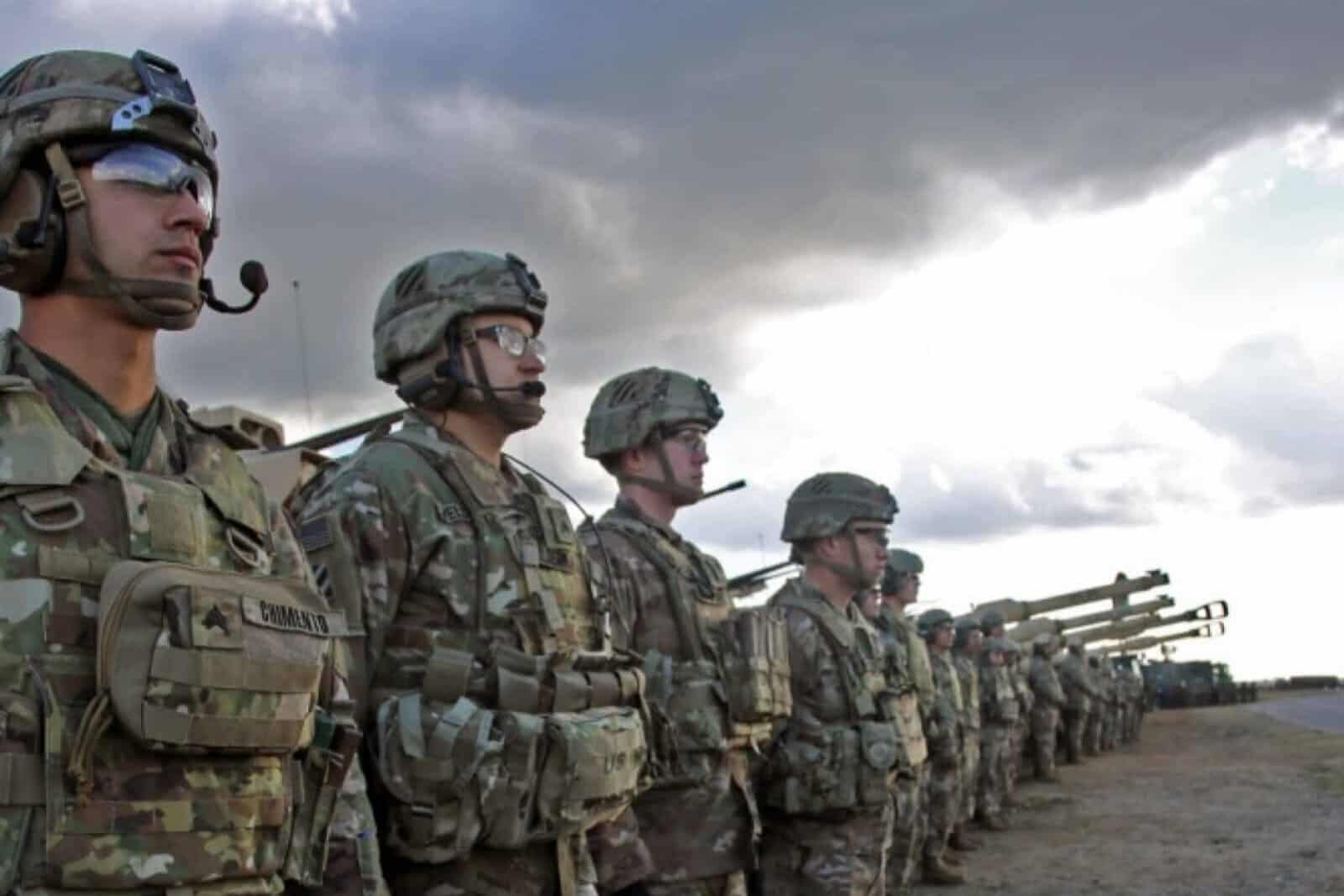
Analysts warn that the Kremlin may be preparing new military actions against European countries. They describe five specific attack scenarios, saying the most likely involve attempts to seize territory in Norway, Finland, and Estonia.
The warning comes from a February 2026 report titled ‘Putin’s Next Move?’ by the Scowcroft Center for Strategy and Security at the Atlantic Council.
According to the report’s authors, any outcome of the war in Ukraine could encourage Vladimir Putin to escalate further in order to restore Russia’s global standing. They argue that he may try to test Article 5 – the collective defense clause – of NATO in areas where he expects the Alliance’s response to be limited.
Experts describe the least risky scenario for Moscow as the occupation of Norway’s Svalbard archipelago. Russia could use a formal pretext to deploy troops to the islands relying on a weak response from Oslo and its allies.
Another likely target of aggression, according to analysts, is the Åland Islands, which belong to Finland. Seizing this demilitarized territory would allow the Kremlin to gain control over key maritime routes in the Baltic Sea.
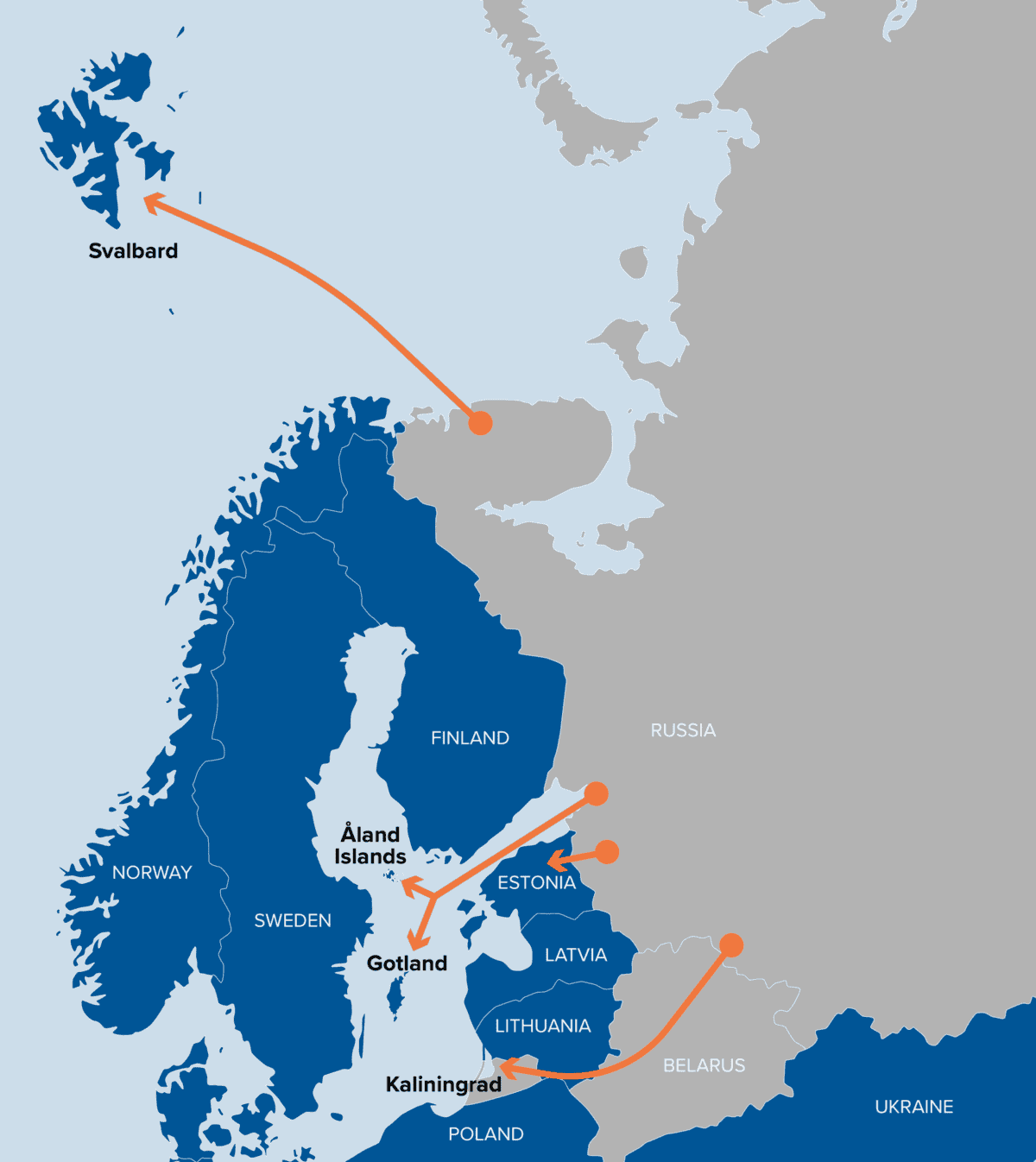
The third scenario envisions a rapid military operation in eastern Estonia to seize border cities such as Narva. Russian propaganda could justify such a move by claiming it is protecting Russian-speaking residents from fabricated threats.
The fourth option involves Sweden’s island of Gotland, which is strategically important for the defense of the entire Baltic region. Occupying the island would allow Russian forces to deploy air defense systems there and restrict NATOaccess to the Baltic states.
Experts describe the most dangerous scenario as an attempt to break through a land corridor to the Kaliningrad region via the territory of Lithuania or Poland. Such an operation would inevitably lead to a large-scale direct clash with the main forces of NATO.
Despite heavy losses in Ukraine, Russia is demonstrating a strong capacity to rebuild its military. The aggressor is actively shifting its economy onto a wartime footing, spending more than 6% of its gross domestic product on the defense sector.
Russia is also expanding cooperation with China, Iran, and North Korea to circumvent sanctions and secure weapons supplies. This support enables the Kremlin to withstand international pressure and continue strengthening its offensive capabilities near Europe’s borders.
Russia’s vast nuclear arsenal – the largest in the world – poses a separate threat, which Vladimir Putin uses for political blackmail. Analysts urge European countries not to rely solely on assistance from the United States and to strengthen their own defense capabilities.
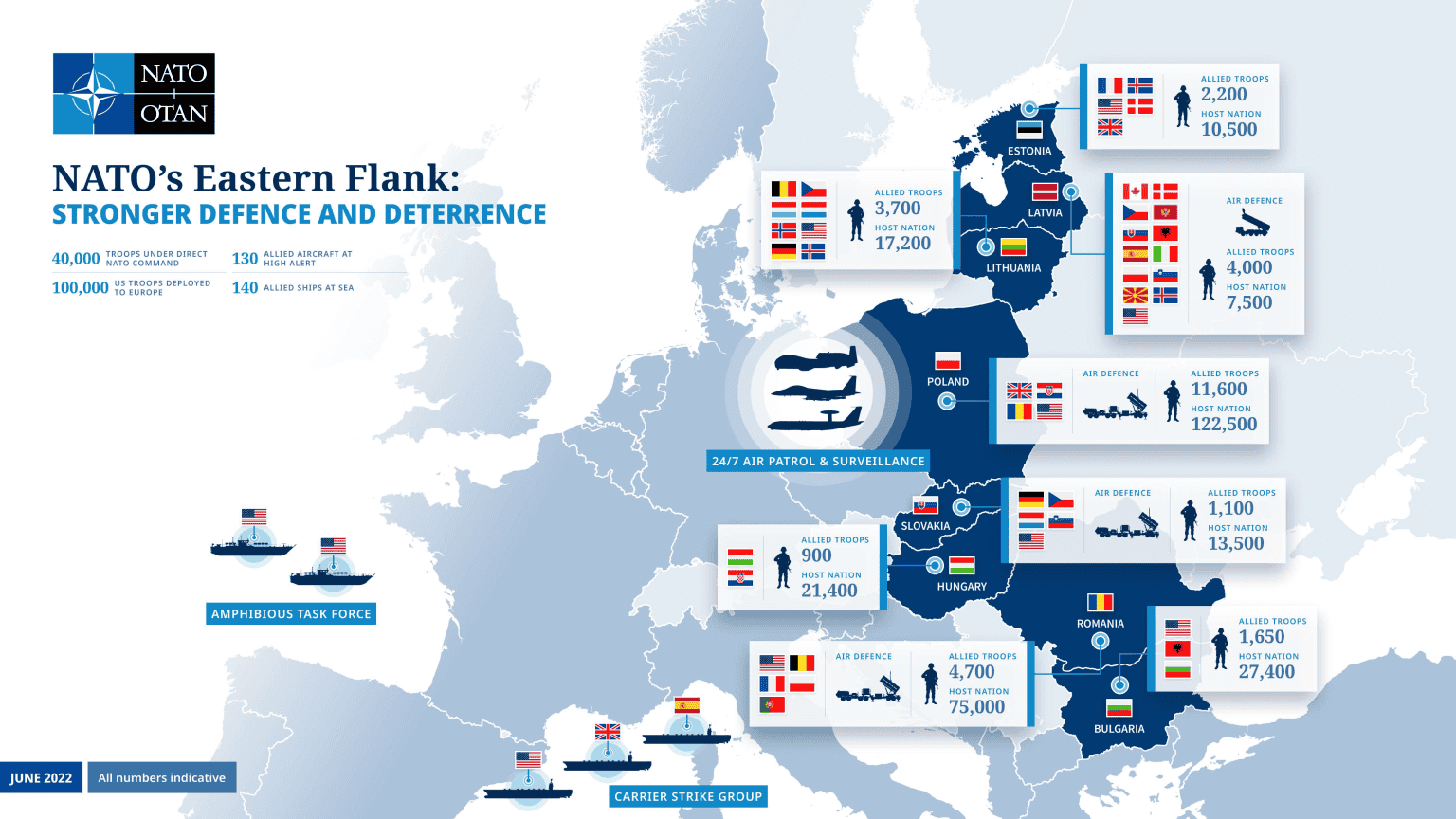
The report stresses the urgent need for Europe to rearm and to increase its military presence on NATO’s eastern flank. Only a clear demonstration of real strength and unity, the authors argue, will be able to deter the Kremlin from carrying out the aggressive plans described in the coming years.
Підтримати нас можна через:
Приват: 5169 3351 0164 7408 PayPal - [email protected] Стати нашим патроном за лінком ⬇
Subscribe to our newsletter
or on ours Telegram
Thank you!!
You are subscribed to our newsletter