



Popular
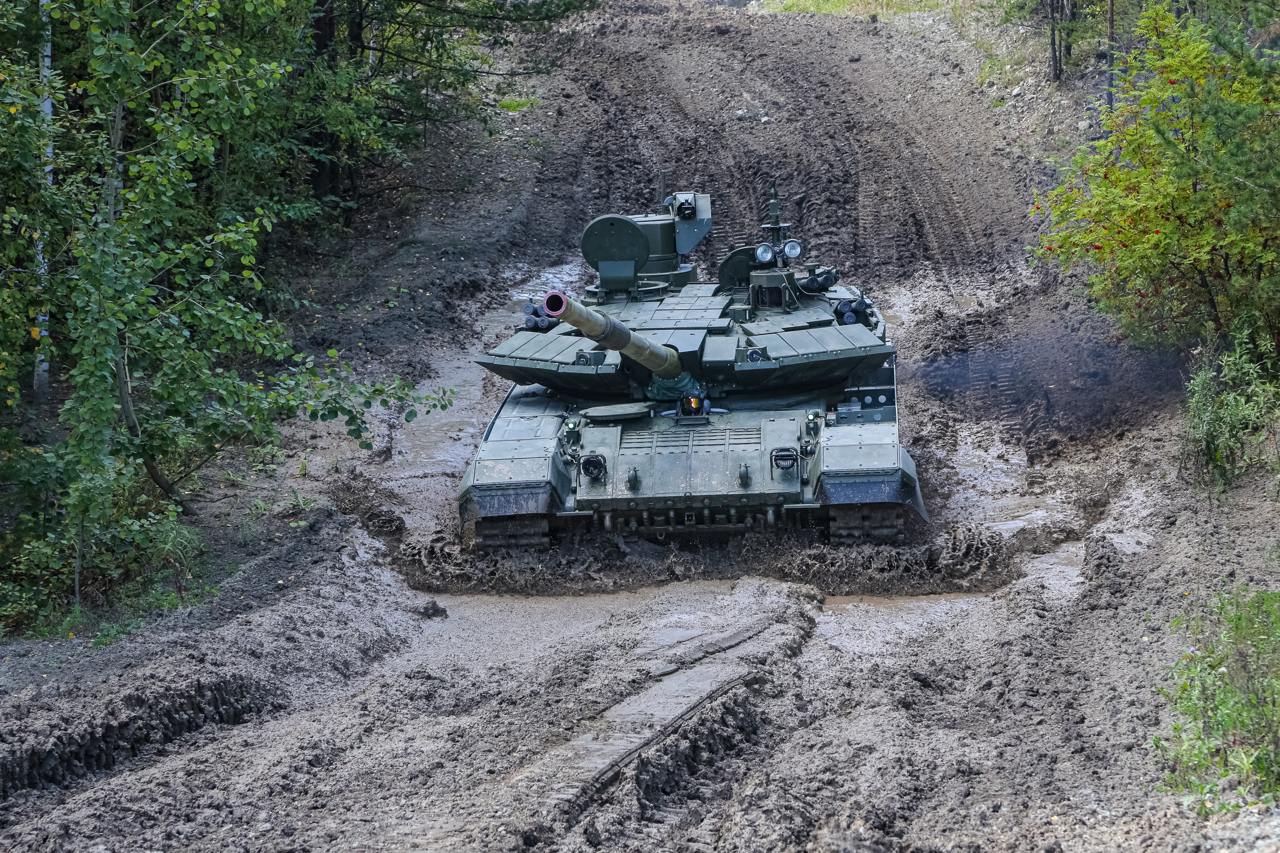
Former Pentagon officials and US military officers conducted a large-scale military simulation of a Russian offensive against Lithuania via Latgale, Belarus, and the Neman River.
This was reported by The Times, describing the results of an independent wargame funded by the German defense company Helsing.
In the scenario, Russian forces surrounded Vilnius and declared the captured bridgehead in Kaliningrad protected by a nuclear umbrella, causing Alliance leaders to hesitate regarding the invocation of Article 5.
Based on the results of the first part of the simulation, analysts from European defense ministries predict a period of maximum danger for the continent leading up to the 2028 US presidential election.
Concerns stem from the possibility that the US will cancel troop deployments in Europe and reduce the forces it is prepared to commit to NATO in the event of war.
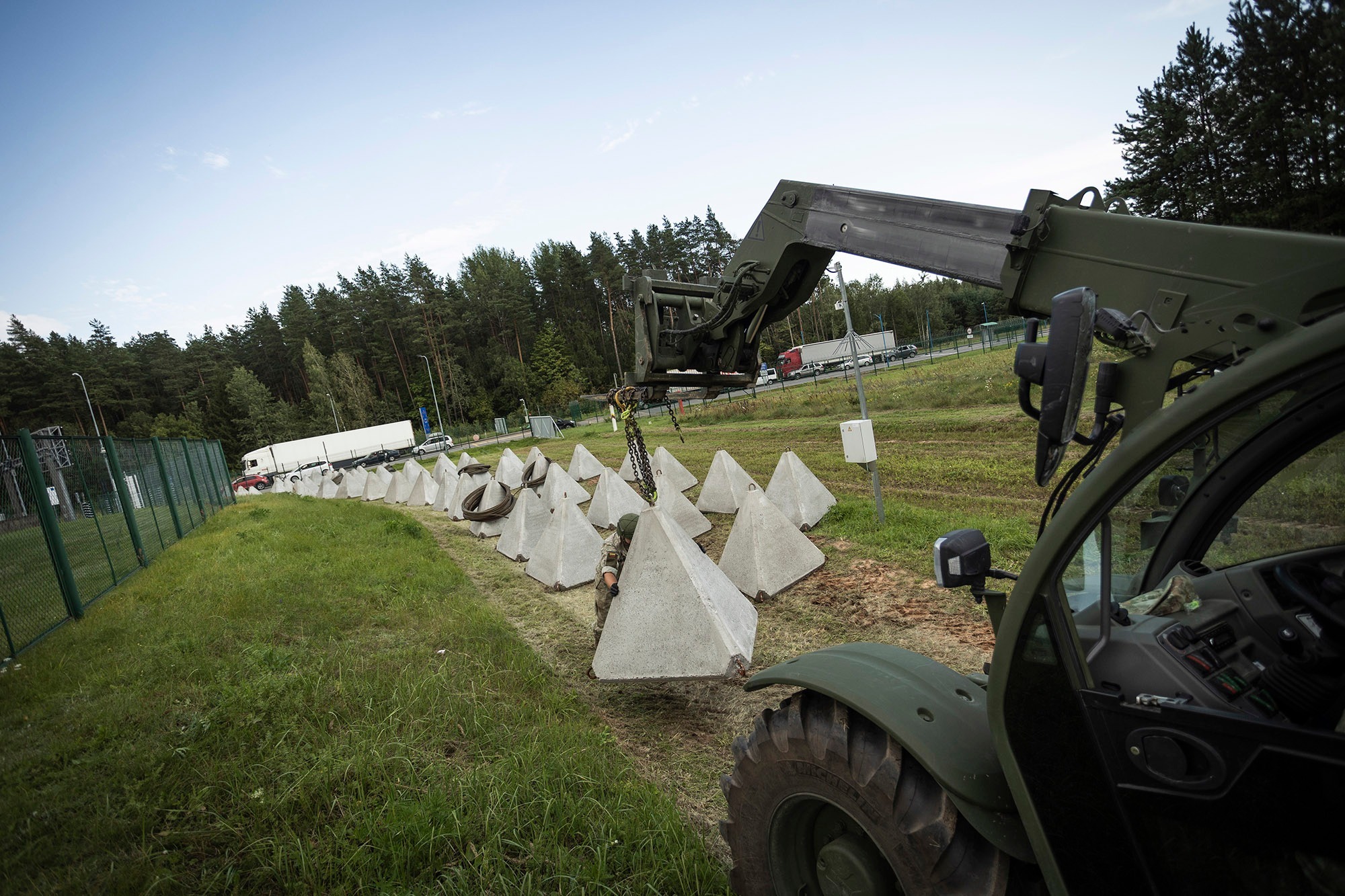
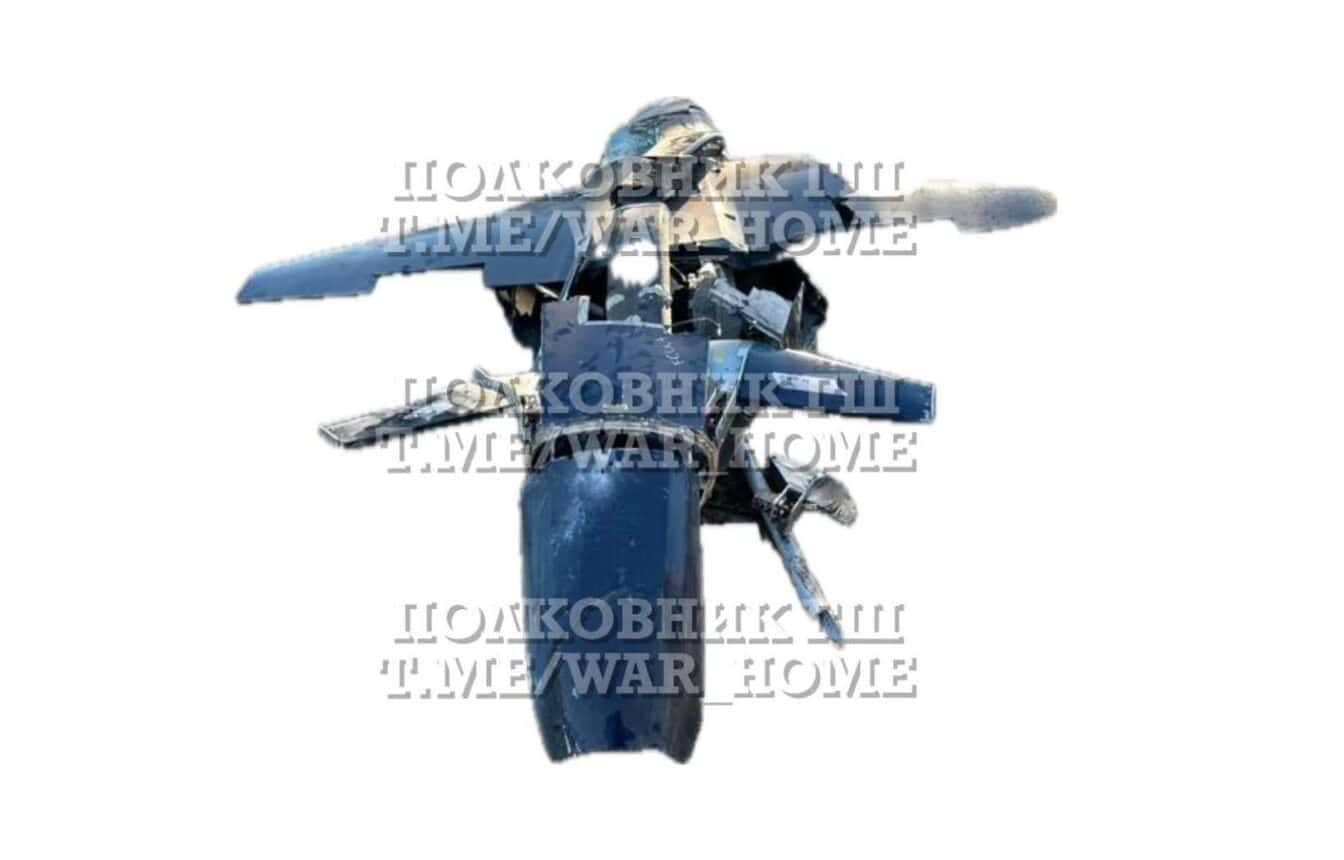
In the second part of the simulation, Lithuanian forces and a German brigade began the war with a stockpile of 12,000 HX-2 kamikaze drones from Helsing, which are also used in Ukraine.
The deployment of these assets led to the complete failure of the first phase of the Russian invasion. During the simulation involving the massive deployment of these drones, organized into semi-autonomous swarms, the Russian army lost more than a third of its forces within the first ten days.
Greg Melcher, former director of operations at the Pentagon’s Naval Department, stated that with such weaponry, a border state is capable of independently containing up to three of Russia’s first-echelon armies for two weeks.
Acquiring an arsenal of drones costs less than one-tenth of the $16 billion Lithuania would need to purchase conventional weapons, including Apache helicopters, HIMARS systems, and Spike and Hellfire missiles. Moreover, the developers are capable of delivering the equipment by the end of the year.
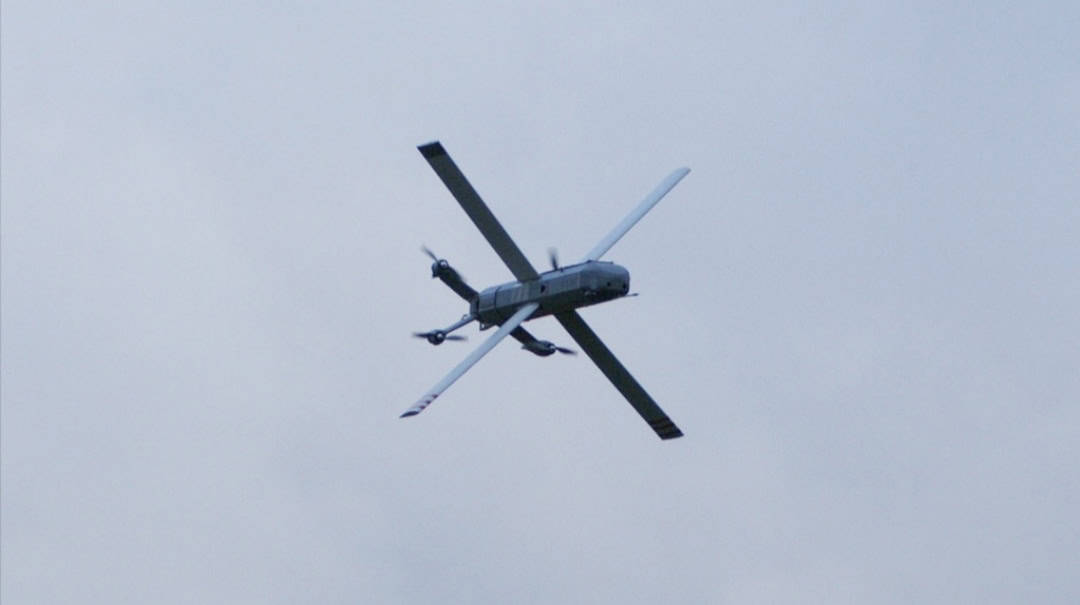
The Federal Ministry of Defence of Germany has already allocated at least €269 million, with a possible increase to €1.5 billion, to build a stockpile of over 10,000 HX-2 drones.
Meanwhile, Helsing is looking for a site to open a similar underground factory in the UK, as the British Army plans to spend 40% of its procurement budget on low-cost unmanned systems.
Підтримати нас можна через:
Приват: 5169 3351 0164 7408 PayPal - [email protected] Стати нашим патроном за лінком ⬇
Subscribe to our newsletter
or on ours Telegram
Thank you!!
You are subscribed to our newsletter