





Popular
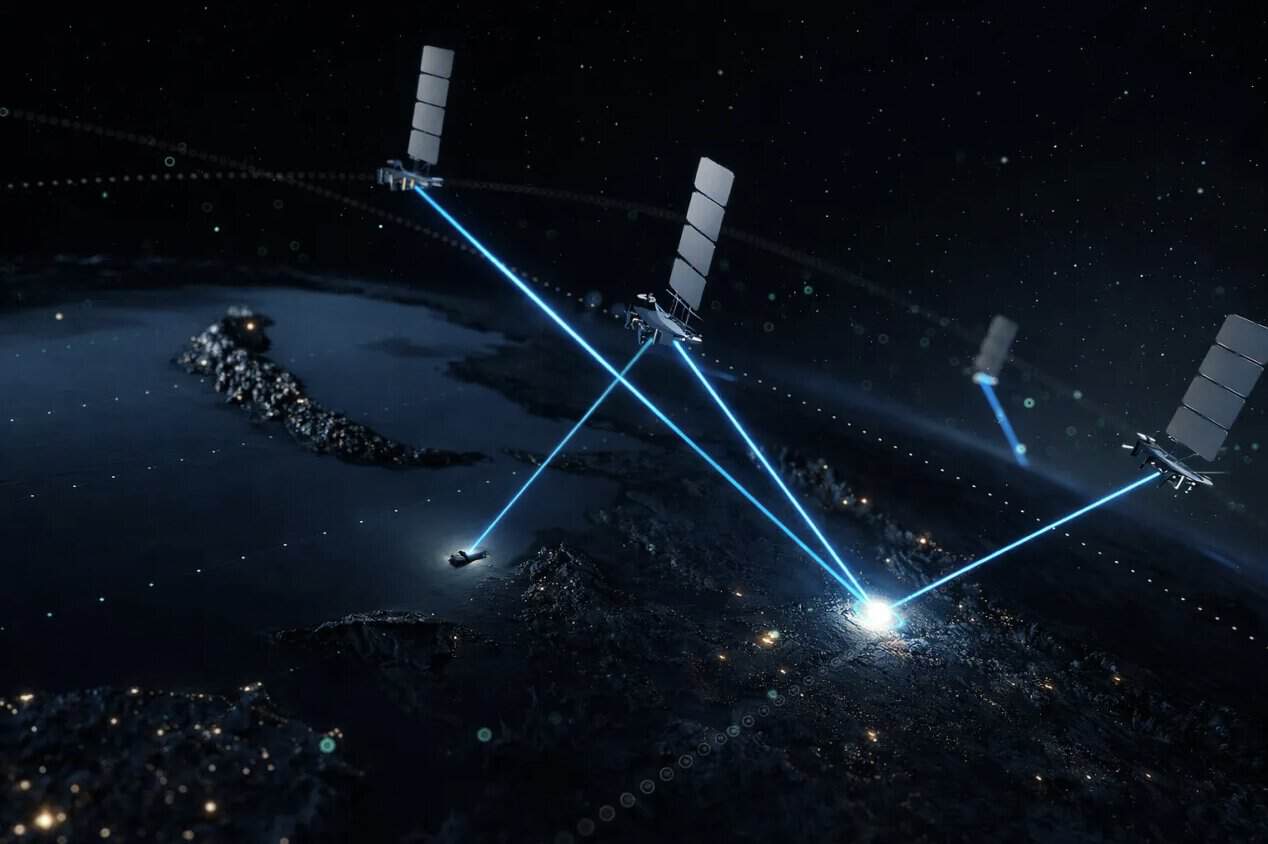
Russia plans to launch 292 Rassvet communications satellites into orbit by the end of 2027. They are intended to serve as the Russian counterpart to the Starlink system.
This was announced by Major General Vadym Skibitskyi, deputy head of the Defence Intelligence of Ukraine (DIU), in an interview with RBC-Ukraine.
“And they began launching them much faster than their plans had anticipated. By March 2026, Russia had already launched 16 satellites into Earth orbit. And they will continue to launch others to create a constellation totaling 292 satellites by 2027 and expand it to 924 satellites by 2035,” he said.
According to Skibitskyi, for now, these satellites can operate intermittently when a satellite passes over Ukrainian territory. However, once the Russians deploy a full-fledged satellite constellation, this system will function like Starlink.

“And there’s already a discussion underway on how to counter this,” Skibitskyi emphasized.
The deployment of the Rassvet network began with the launch of three test satellites into orbit from the Vostochny Cosmodrome in 2023. These satellites were not intended for full-scale network operation. Instead, they were used for testing, especially to verify data transmission, communication stability, and the satellites’ behavior in orbit.
In May 2024, as part of the Rassvet-2 mission, three more satellites were launched from the Plesetsk Cosmodrome. These satellites were larger than their predecessors and were already fully-fledged prototypes of production models. Their hardware and software had been upgraded. In particular, they were used to test satellite communication equipment supporting the 5G NTN (non-terrestrial network) standard, as well as laser communication links between satellites. During the tests, 14 laser communication tests were conducted at distances ranging from 30 to 220 km, and a total of 1.5 TB of data was transmitted. In a single session, 450 GB was successfully transmitted without any data loss.
On March 23, 2026, approximately three months behind the original schedule due to satellite manufacturing issues, Bureau 1440 announced the launch of 16 production satellites, which will form the basis of the future Rassvet communications system.
In late July, Russia launched the second group of 16 communications satellites for the Rassvet project into orbit. If the deployment of this constellation proceeds at the same pace as the first batch, it may reach its minimum operational altitudes sometime in October–November.
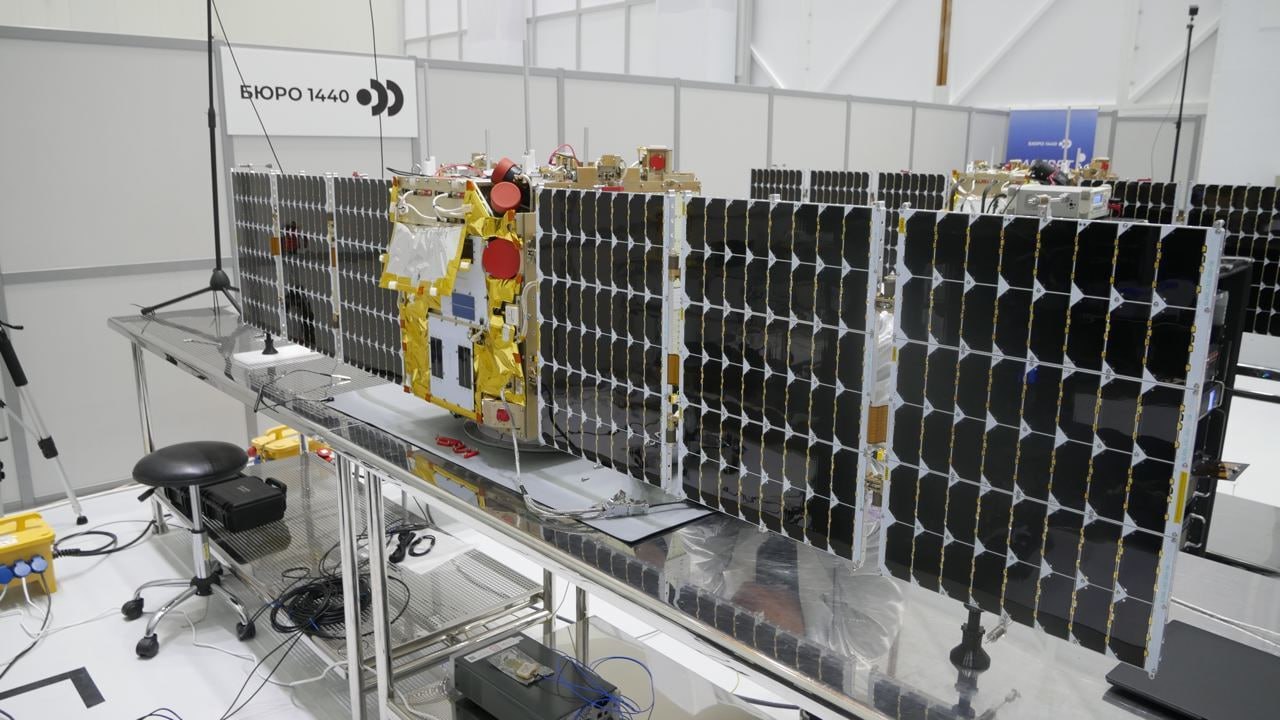
The Russian federal project “Internet Access Infrastructure” calls for the phased deployment of the Rassvet satellite system: 156 satellites in 2026, 292—enough to fully launch commercial service—in 2027, and 318 in 2028. It has been stated that by 2035, the company could launch more than 900 satellites into low Earth orbit if necessary.
To fulfill its plans to launch 292 satellites by the end of 2027, Russia must launch at least 16 new satellites every month, starting in August 2026. Currently, the interval between the launches of the first and second production batches was four months.
However, it is worth noting that the system will achieve the minimum functionality required to control strike drones and carry out strikes against Ukraine long before it is fully deployed. Therefore, countermeasures must be prepared now.
Підтримати нас можна через:
Приват: 5169 3351 0164 7408 PayPal - [email protected] Стати нашим патроном за лінком ⬇
Subscribe to our newsletter
or on ours Telegram
Thank you!!
You are subscribed to our newsletter