






Popular
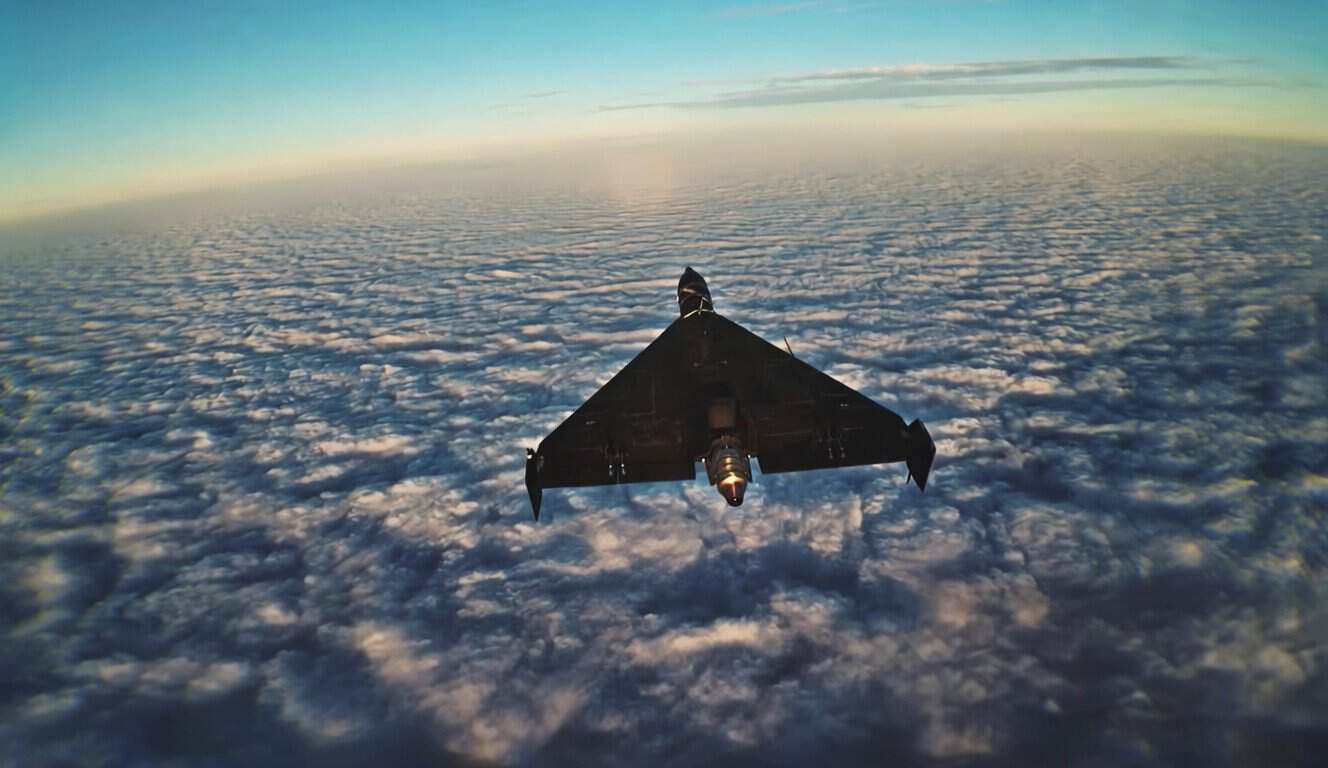
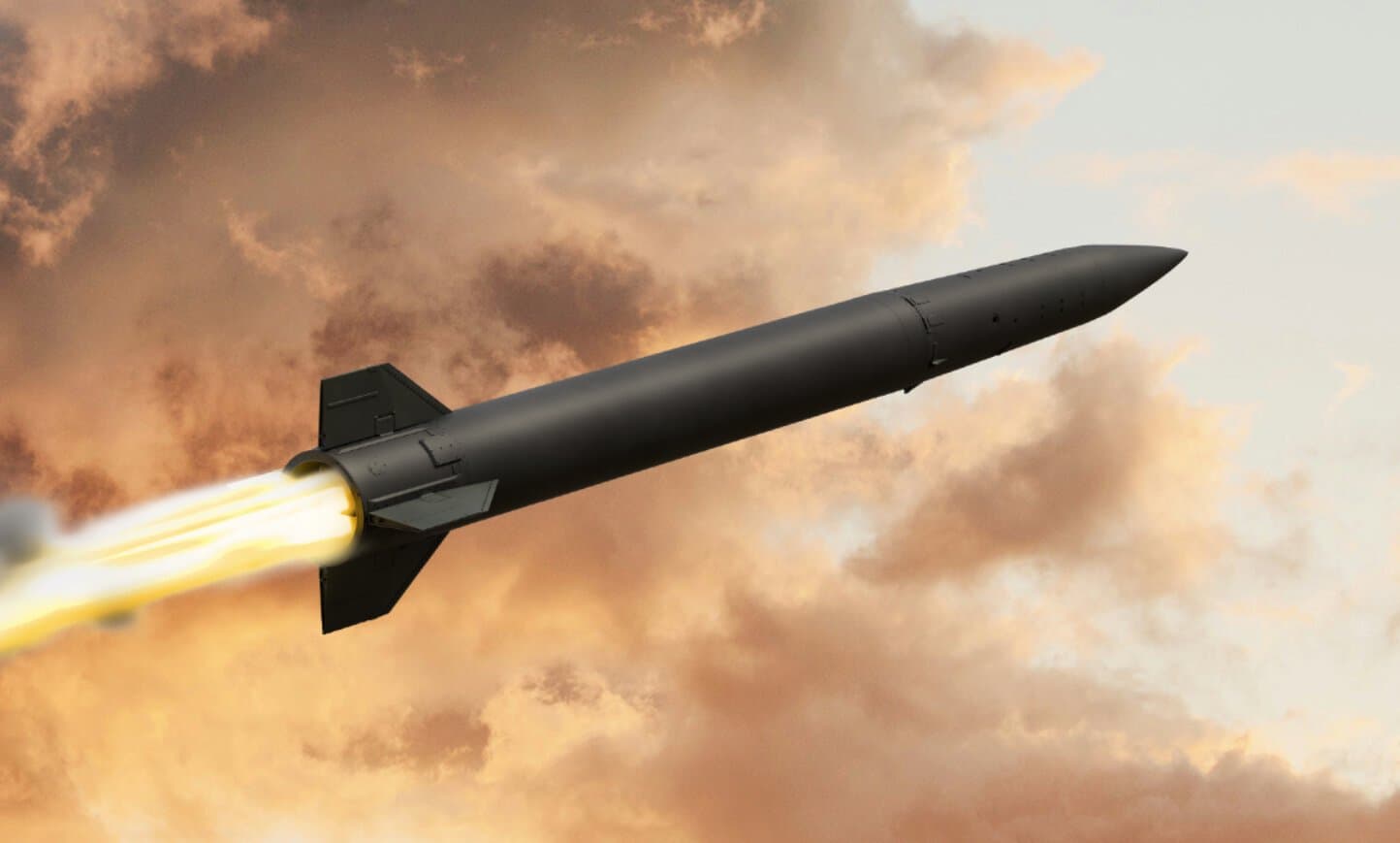
Ukrainian interceptor drones currently cannot effectively counter Russian jet-powered UAVs because they lack the necessary speed.
In an interview with Militarnyi, callsign “Ramzes,” commander of the Posipaky anti-aircraft drone unit of the 39th Anti-Aircraft Missile Regiment, shared that existing interceptor drones are not fast enough to reliably engage jet-powered drones.
He added that Ukraine is already developing new systems expected to enter service soon and capable of reliably intercepting high-speed UAVs.
“At the moment, however, this is not a systematic capability. Successful interceptions depend on a combination of luck, operator skill, and experience. Operators know that when the drone performs a maneuver, it loses speed, allowing them to bring it down,” he said.
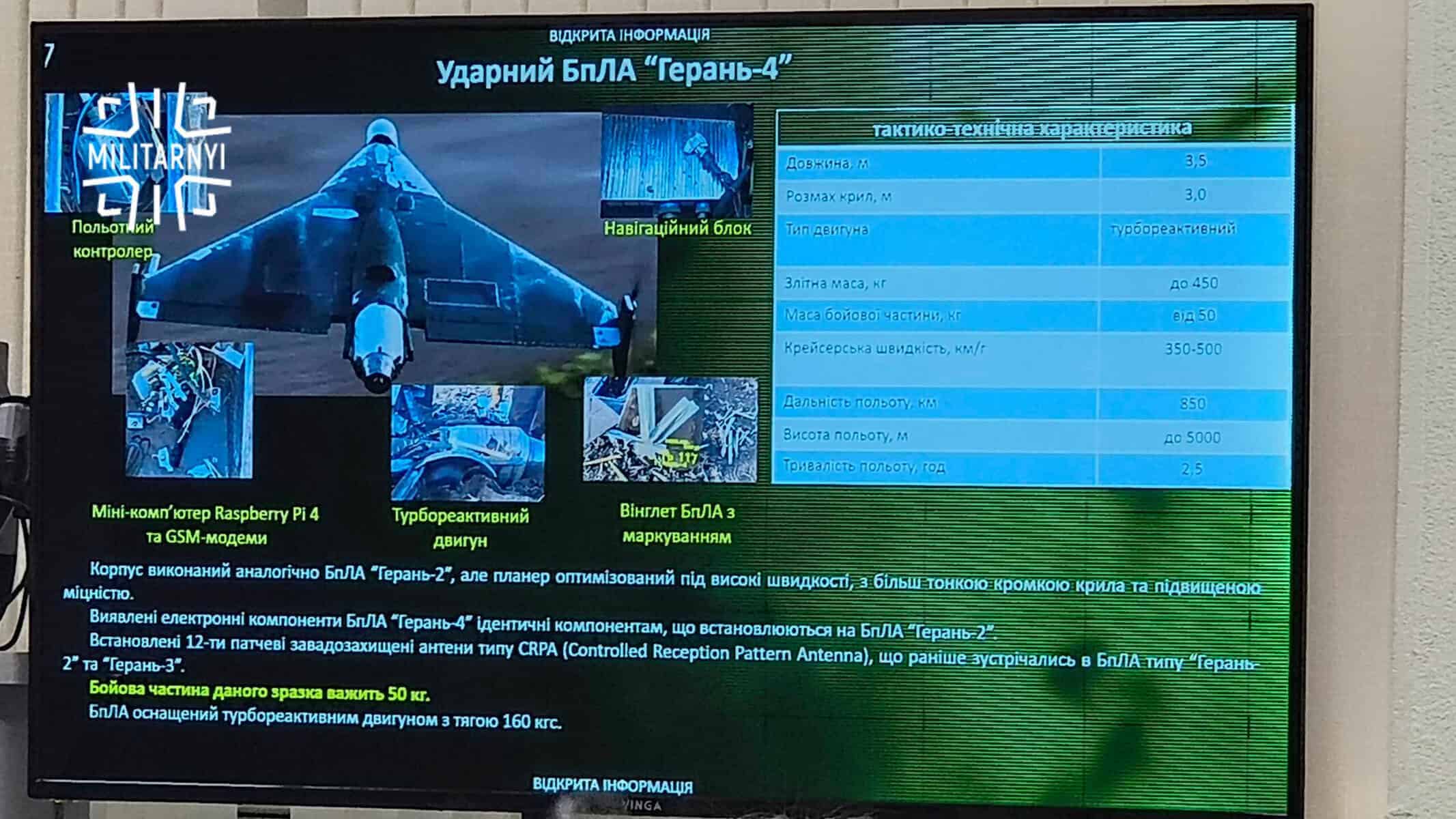
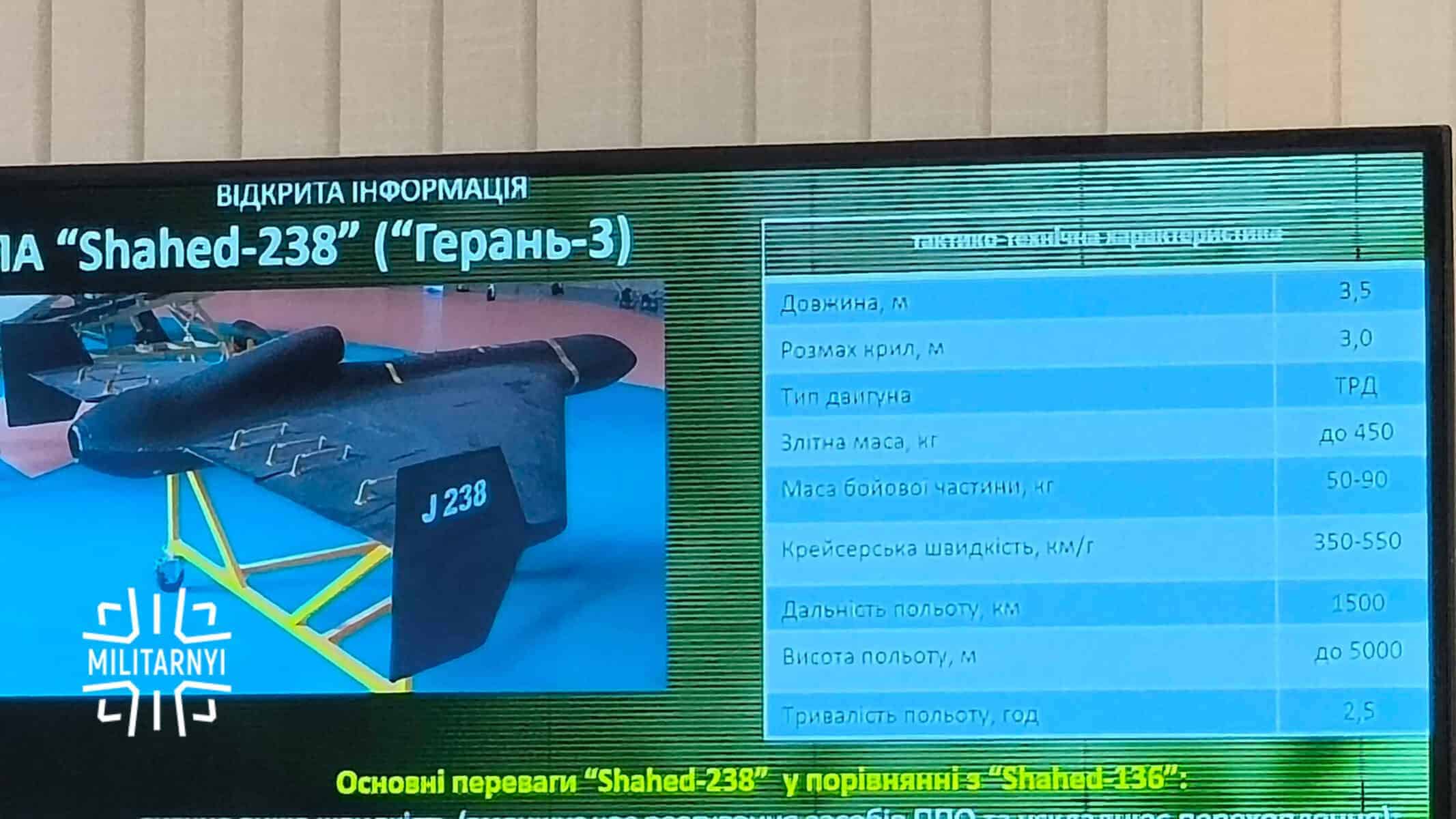
The key challenge is the high speed of jet-powered drones – more than 300 km/h (186 mph). To effectively catch a target, an interceptor drone needs to be roughly 25% faster than the drone it is pursuing.
“Look, if a Shahed drone is flying at 300 km/h and our interceptor is flying at 310 km/h, and we intercept its path somewhere in the Kharkiv region, we’d probably only catch up with it somewhere in the Cherkasy region – with a speed advantage of just 10 km/h. The problem is that our battery would run out long before then,” he explained.
Meanwhile, the serviceman emphasized that even a Shahed powered by a piston engine is not an easy target. Such drones typically fly at 200–250 km/h (124–155 mph), and if the interceptor crew is not positioned correctly, the interceptor drone’s battery may be depleted before it can reach and engage the target.
“You launch on an intercept mission, and your battery is already nearing depletion. Or a crew positioned closer to the target engages and destroys it first. You take off, acquire the target, provide visual confirmation, and then find that you no longer have sufficient battery reserve and must return to base to pursue another target. This is a complex mission set. People should not assume that Shahed drones are easily brought down. Their destruction requires the coordinated efforts of a large number of personnel – not only interceptor crews, but also command-post operators, tracking and reporting personnel, and adjacent units sharing targeting information and maintaining situational awareness,” he said.
Another significant challenge is the interceptor drones’ dependence on weather conditions. Rain, fog, and low cloud cover can severely degrade operators’ ability to visually acquire and track targets.
“Virtually all crews working with us are capable of intercepting nearly every incoming wave, provided weather conditions are favorable. Visual target acquisition remains essential. Even though drones equipped with terminal homing systems are now being employed, they still cannot guarantee target acquisition under adverse weather conditions. When there is precipitation, fog, or dense cloud cover, Shahed drones can simply fly within the cloud layer, making visual detection impossible. Under such conditions, there is a very high probability that the target will penetrate the air-defense screen,” the serviceman explained.
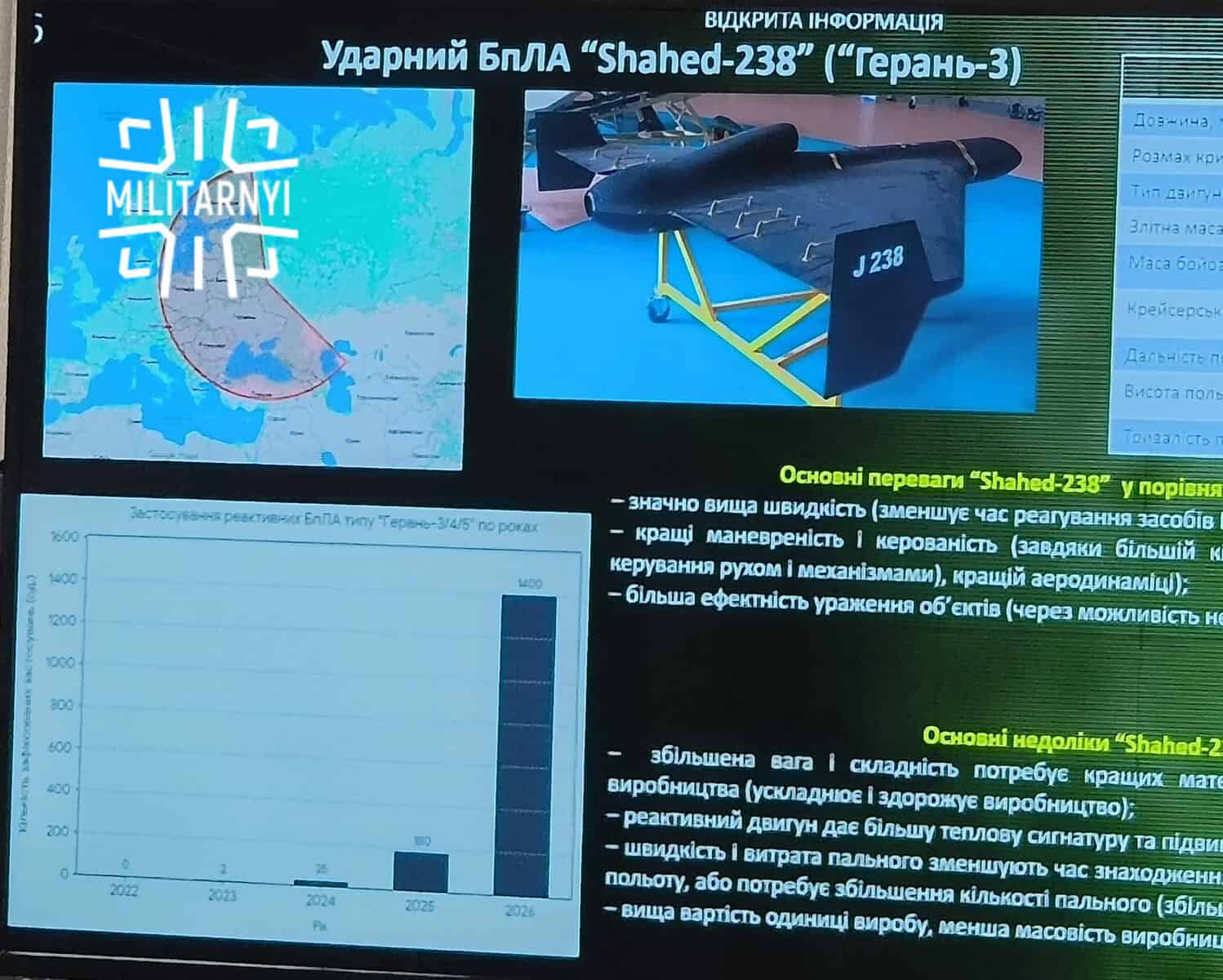
According to information from Oleksandr Syrskyi, the Commander-in-Chief of the Armed Forces of Ukraine, Russia plans to significantly increase the use of jet-powered strike UAVs in air attacks against Ukraine, with their share potentially reaching 50%.
Since the beginning of the year through mid-June, Russian forces have already used 1,400 jet-powered drones of the Geran-3, Geran-4, and Geran-5 types, whereas only 180 such drones were recorded over the entire previous year.
Підтримати нас можна через:
Приват: 5169 3351 0164 7408 PayPal - [email protected] Стати нашим патроном за лінком ⬇
Subscribe to our newsletter
or on ours Telegram
Thank you!!
You are subscribed to our newsletter