



Popular
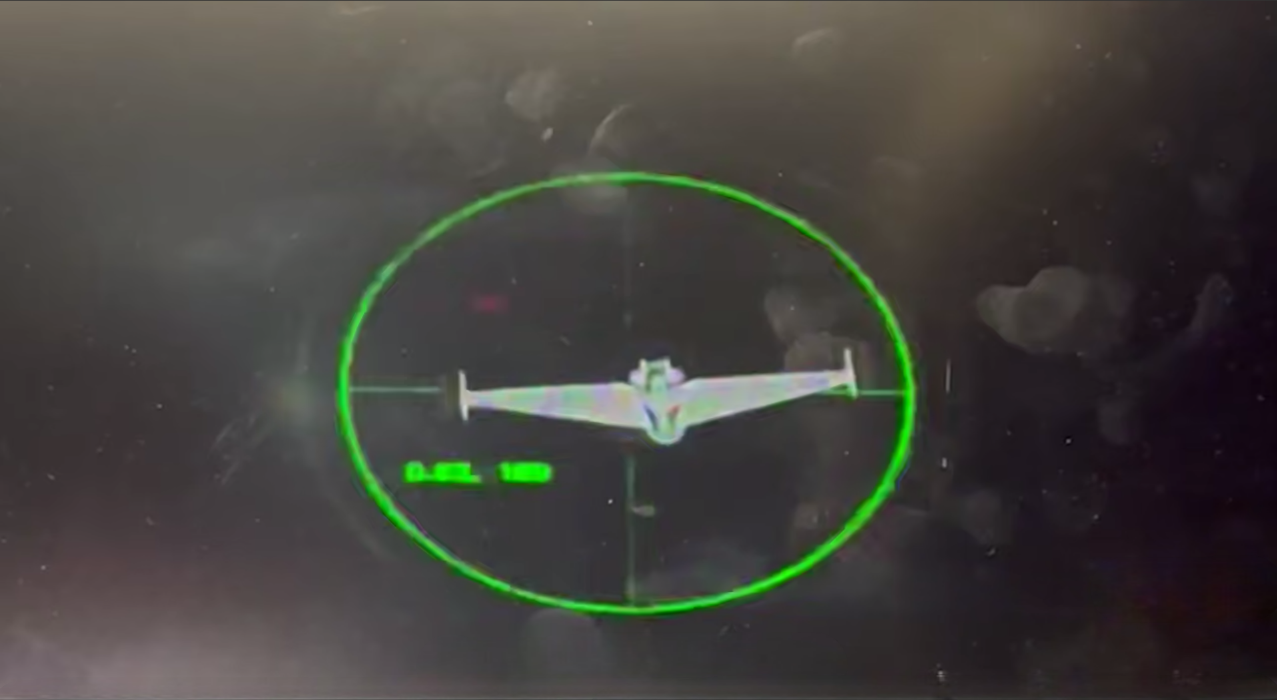
France has deployed three types of interceptor drones at its Middle Eastern bases to counter Iranian Shahed drones.
This was reported by the publication Challenges.
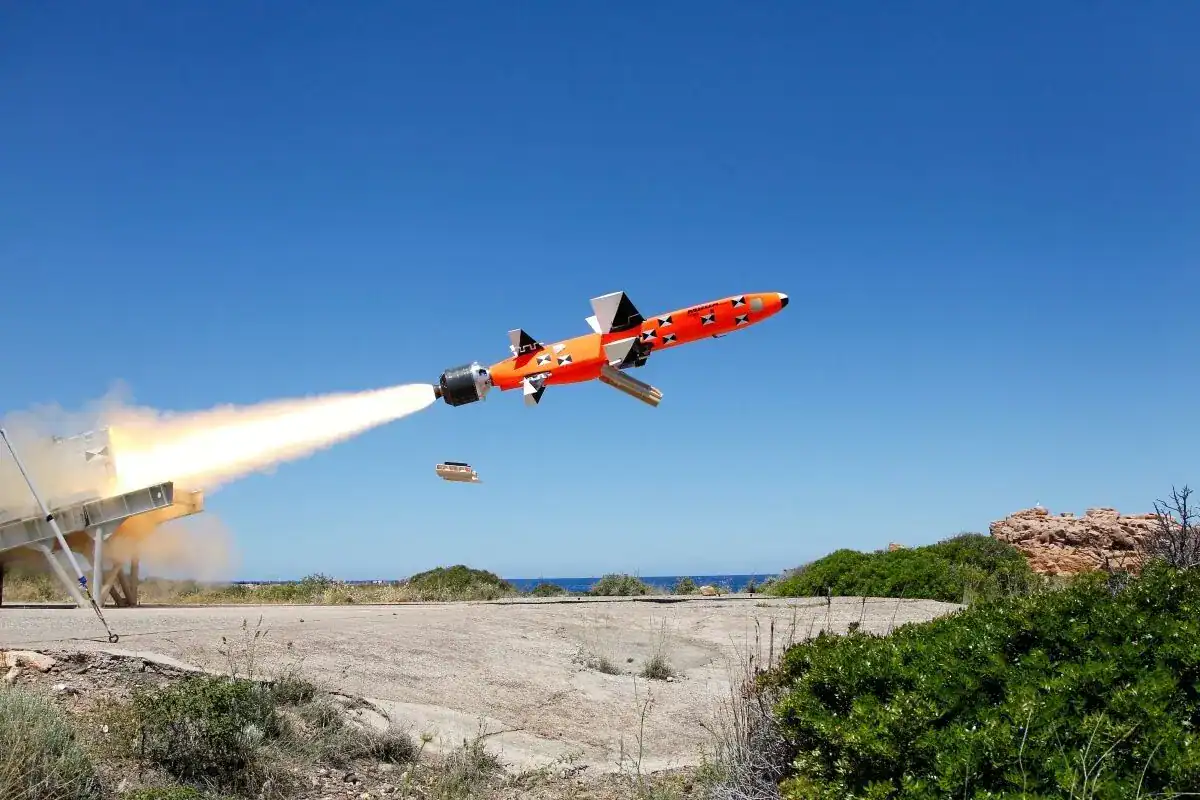
Specifically, the drones are stationed at Al Dhafra Air Base in Abu Dhabi. These are systems from Alta Ares, Harmattan AI, and Destinus.
The new drones are intended to supplement existing interception assets—Tiger attack helicopters and Rafale fighter jets. Earlier, on March 15, it was reported that Paris was concerned about the excessive use of MICA air-to-air missiles during operations against Iranian drones in the region.
The intensive use of these missiles is leading to a rapid depletion of their stockpiles, which negatively impacts the combat readiness of the French Air and Space Forces.
Against this backdrop, the French military is reviewing its air defense approaches, focusing on finding cheaper and more effective solutions for destroying drones. In particular, they are taking into account Ukraine’s experience, as well as an analysis of Iran’s attacks on Middle Eastern countries.
The company has developed the Safe Protection Dome system, which combines classic interceptor drones with turbojet-powered unmanned aerial vehicles developed in France and Ukraine.
On October 20, 2025, the Alta Ares interception system successfully passed NATO validation at the French Defense Procurement Agency’s test range. Just ten days later, the system was deployed in Ukraine, where it carried out its first successful interceptions of Russian Shahed strike drones.

The system is reportedly capable of destroying enemy UAVs at distances of up to 30 km, and the use of built-in artificial intelligence for terminal guidance increases interception efficiency by approximately 35%.
Harmattan AI has developed the Gobi interceptor drone.
Its cruising speed is about 250 km/h, and its maximum speed is up to 350 km/h. It uses a kinetic principle to engage targets—the drone rams the enemy UAV (primarily targeting the propellers) without carrying its own explosive payload. This reduces the weight and cost of the design.

According to the developers, it typically takes about one minute from launch to neutralizing the target, and the effective range reaches 5 km. The drone is notably lightweight—weighing only 2.2 kg including batteries. Thermal imaging (IR) sensors and computer vision systems are used to accurately strike the target’s most vulnerable elements.
The Hornet is a high-speed mini-drone capable of performing interceptor functions. Its maximum speed reaches 300 km/h, allowing it to effectively counter most modern reconnaissance drones and kamikaze drones.
The Hornet Block 2 variant has a range of over 70 km and is capable of carrying up to 3 kg of payload.

The system is equipped with artificial intelligence algorithms for autonomous target acquisition and decision-making during interception. The drone is also capable of operating in the absence of a GPS signal, using visual navigation.
Several specialized versions of the aircraft are planned—Hunter, Stalker, and Plotter—which are used for reconnaissance, mapping, or the direct destruction of aerial targets.
Підтримати нас можна через:
Приват: 5169 3351 0164 7408 PayPal - [email protected] Стати нашим патроном за лінком ⬇
Subscribe to our newsletter
or on ours Telegram
Thank you!!
You are subscribed to our newsletter