


Popular
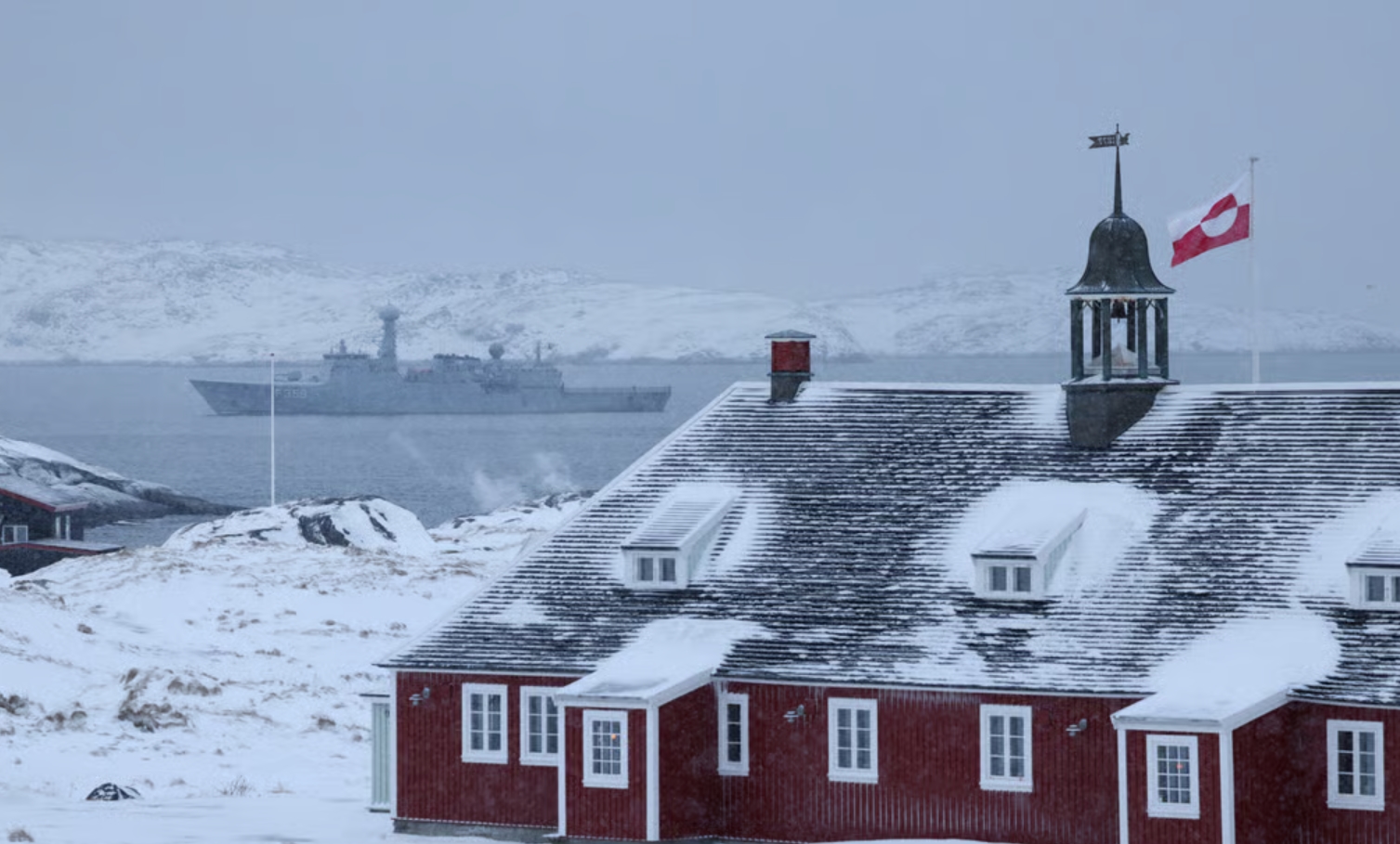
The European Union is preparing a new strategy to strengthen its Arctic presence amid rising geopolitical tensions, increased Russian activity, and disputes with the United States over Greenland’s future.
The AFP news agency reported this, citing a European Commission briefing on October 19.
The updated strategy aims to strengthen regional security, develop critical infrastructure, and deepen cooperation with countries that share the EU’s approach.
Key priorities include building undersea cables, developing satellite communications, and expanding the capabilities of Europe’s icebreaker fleet.
One of the largest infrastructure projects is expected to be the laying of a secure undersea cable linking Greenland with mainland Europe.

In the longer term, the cable is expected to become part of a broader pan-Arctic network connecting Europe with Japan and South Korea via Canada. The project aims to improve the resilience of European communications and reduce dependence on individual data transmission routes.
To provide satellite communications in the Arctic, the EU also plans to use the future IRIS² satellite system. It is intended to establish a secure European communications channel and reduce reliance on infrastructure operated by foreign providers, including Starlink.
It will pay particular attention to protecting undersea infrastructure from sabotage and other hybrid threats. The draft strategy proposes the creation of an Arctic Cable Center involving the EU, Norway and Iceland.
The center is expected to help monitor the condition of undersea cables in the North Atlantic and the Arctic, coordinate their protection, and organize repairs in the event of damage.

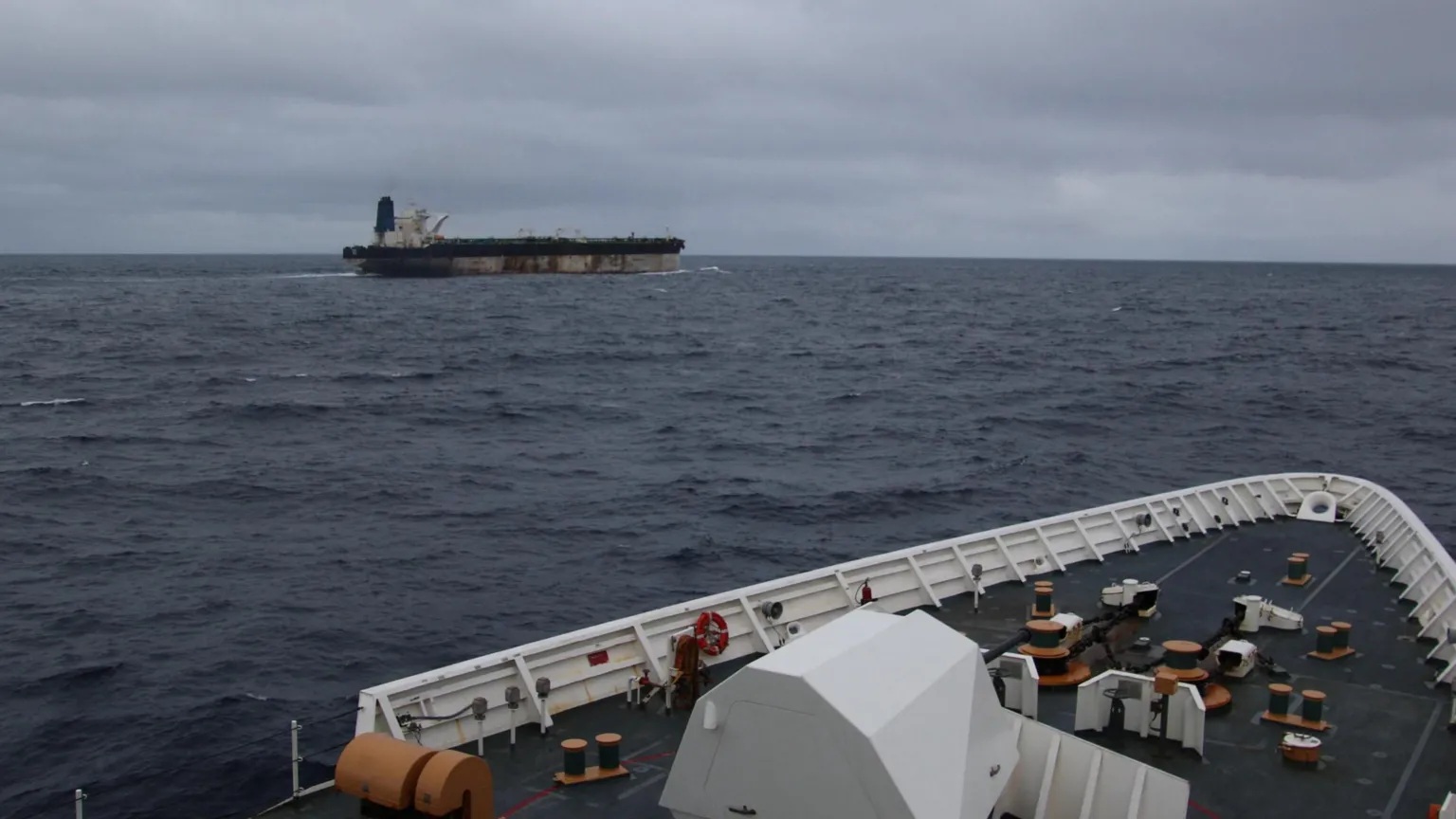
The European Union also plans to strengthen information sharing to track Russia’s shadow tanker fleet, which it uses to circumvent international sanctions. Other threats highlighted in the document include drone incursions and potential acts of sabotage targeting undersea infrastructure.
Another pillar of the strategy involves expanding the capabilities of Europe’s icebreaker fleet. The EU plans to explore options for member states and partner countries to jointly procure, operate, and allocate such vessels.
To this end, the region’s needs, European shipyards’ production capacity, and the technical specifications required for vessels operating in harsh Arctic conditions will also be assessed.
The updated strategy reflects a shift in the EU’s Arctic approach. While the bloc’s previous Arctic policy, adopted in 2021, focused largely on climate, sustainable development and scientific research, the emphasis has now shifted to security, strategic infrastructure and geopolitical competition.
Melting sea ice is driving the increased focus on the Arctic by opening new opportunities for shipping and access to natural resources. At the same time, Russia is expanding its military presence in the region, while US interest in Greenland has added to tensions with European allies.
Підтримати нас можна через:
Приват: 5169 3351 0164 7408 PayPal - [email protected] Стати нашим патроном за лінком ⬇
Subscribe to our newsletter
or on ours Telegram
Thank you!!
You are subscribed to our newsletter