



Popular
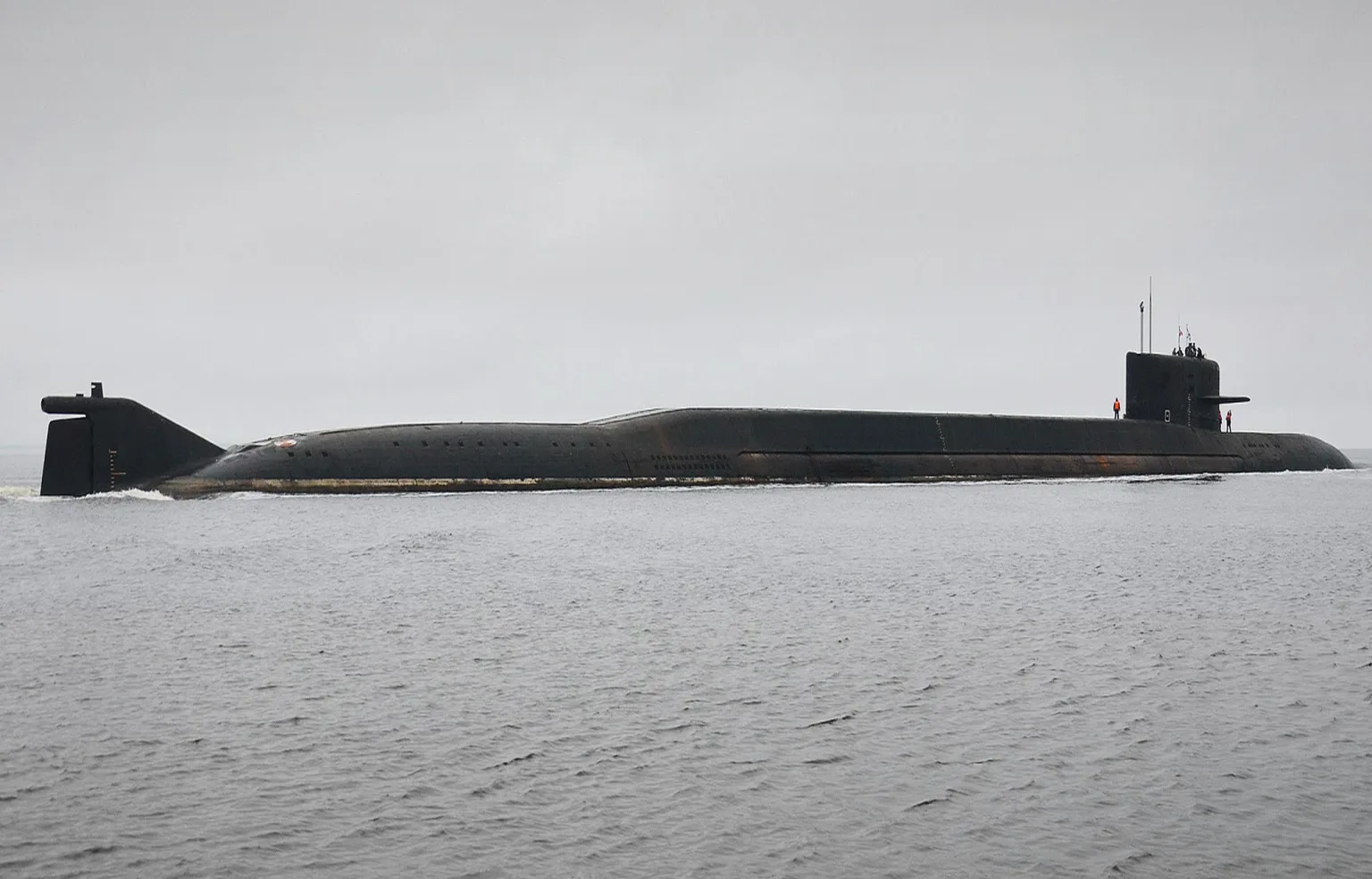
The UK, Norway, and the US disrupted secret Russian military exercises near Svalbard in the Arctic, during which Russia was testing new weapons designed to target undersea cables.
Reuters reported the operation, citing two Western officials familiar with it.
According to the officials, Russian submarines and deep-sea vessels took part in the exercises this spring, simulating the use of technology designed to disable critical undersea cables while concealing any Russian involvement.
The exercises were conducted by Russia’s Main Directorate of Deep-Sea Research, a unit specializing in covert operations involving submarines and deep-sea vessels.
The allies tracked the Russian vessels and took measures to counter them at sea. As a result, the Russians were unable to complete the exercises and left the area of operation. No undersea cables were damaged.

The UK and Norway first reported detecting secret Russian activity in the Arctic in April. However, they did not disclose details about the new technology, the exact location of the activity, or US involvement at the time.
British and Norwegian officials shared their findings with Moscow to show they were aware of the new Russian technology.
“Through our joint operation, we sent Russia a clear message that it cannot operate in secret,” Norwegian Defense Minister Tore Sandvik stated.
Two fiber-optic cables, stretching about 1,400 km, run between Svalbard and mainland Norway. In some sections, the cables lie as deep as 2,700 meters below the surface.

The cables carry data from SvalSat, the world’s largest satellite ground station, which is also part of NASA’s Deep Space Network. Damage to the cables could disrupt satellite communications, data transmission, and financial transactions.
The Kremlin has previously denied carrying out acts of sabotage in NATO countries, while Western intelligence agencies have reported increased Russian activity around Europe’s undersea infrastructure.
Previously, Canada and the Nordic countries agreed to ramp up defense production as part of closer security cooperation to counter Russia in the Arctic.
Підтримати нас можна через:
Приват: 5169 3351 0164 7408 PayPal - [email protected] Стати нашим патроном за лінком ⬇
Subscribe to our newsletter
or on ours Telegram
Thank you!!
You are subscribed to our newsletter