



Popular
Over the past decade, Russia has consistently expanded its military, energy, and transportation infrastructure in the Arctic, which stands in stark contrast to the decline of U.S. capabilities in the region.
This is evidenced by an analysis of satellite imagery, shipping data, and military maps conducted by Business Insider.
Analysts have documented the expansion of Russian air bases, ports, and liquefied natural gas terminals, as well as the decline of a number of U.S. military facilities in Alaska and Greenland.
As the researchers note, Russia’s Arctic coastline stretches for more than 24,000 kilometers, and the region is home to nearly three dozen Russian oil and gas fields. This not only gives Russia a natural advantage but also makes the region critically important to Russian interests.
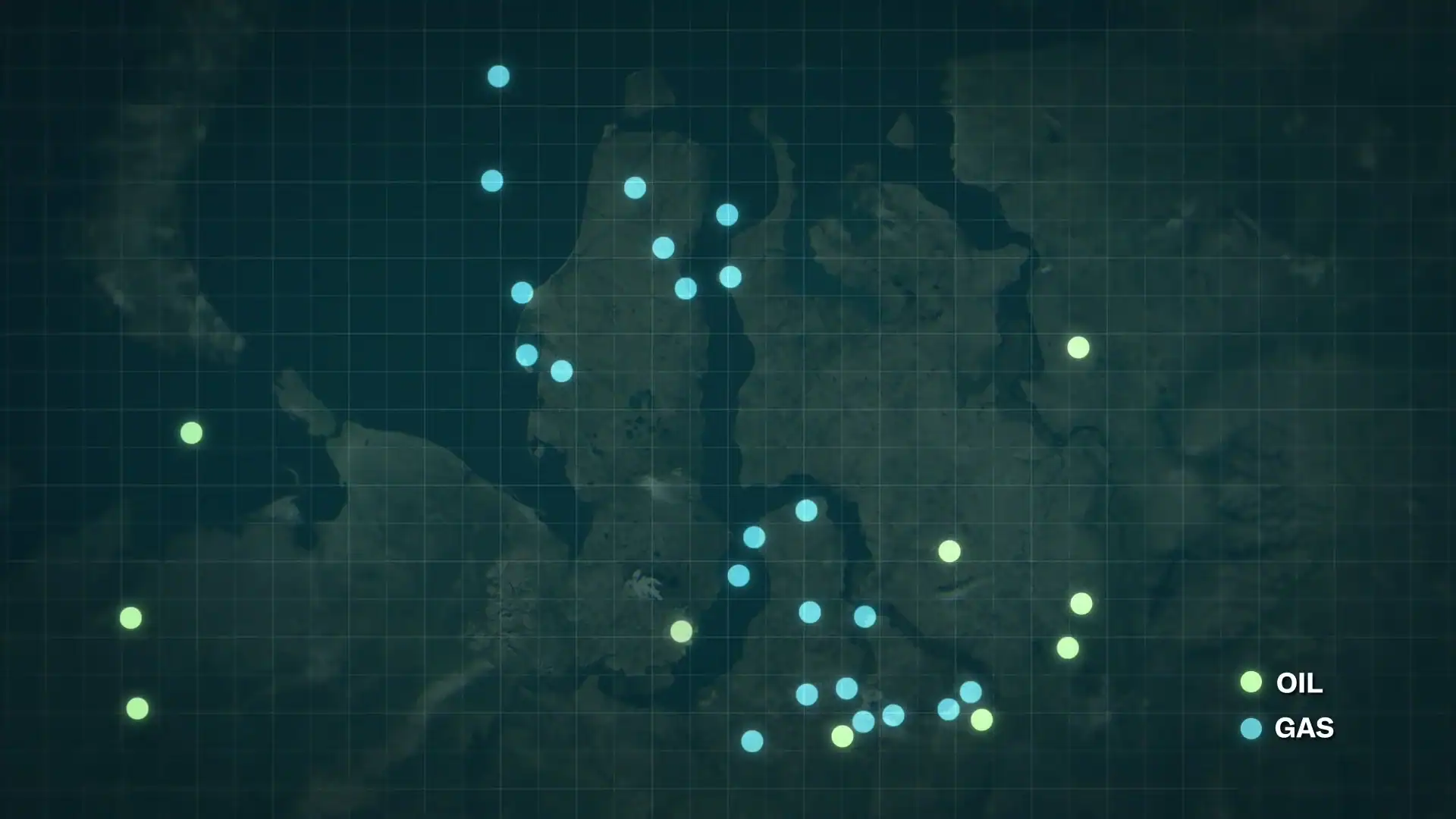
The Yamal Peninsula has become one of the main hubs of Russia’s economic presence, where Moscow has built terminals for the export of liquefied natural gas. In 2025, ships made more than 100 voyages along the Northern Sea Route and transported over 3 million metric tons of cargo, marking the highest figure on record.
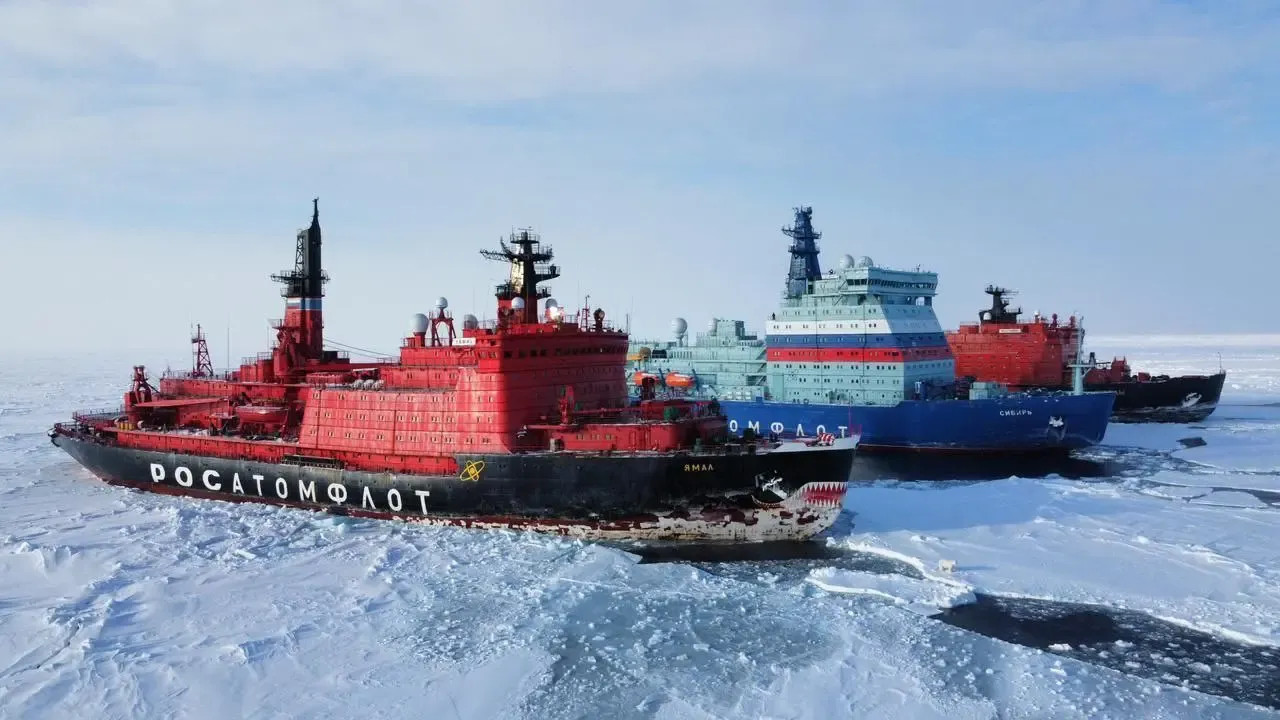
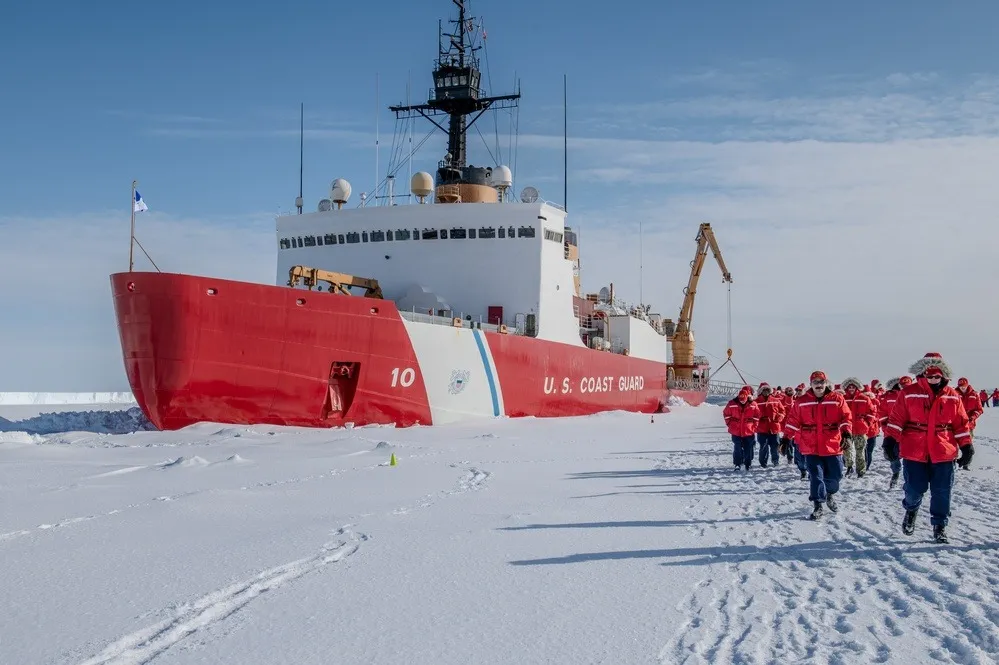
The operation of this route is largely supported by Russia’s icebreaker fleet—the world’s largest—which consists of 42 vessels. Among them are 13 heavy icebreakers capable of clearing a path through thick Arctic ice year-round. By comparison, the United States has only one heavy icebreaker—the Polar Star, built in the 1970s.
Since 2018, Russia has built eight new heavy icebreakers, including four with nuclear propulsion systems. At the same time, construction of the first icebreaker in the new Leader-class, costing about $2.7 billion, is behind schedule: instead of 2027, its delivery is now expected in 2030 or later due to supply chain issues caused by the war against Ukraine.
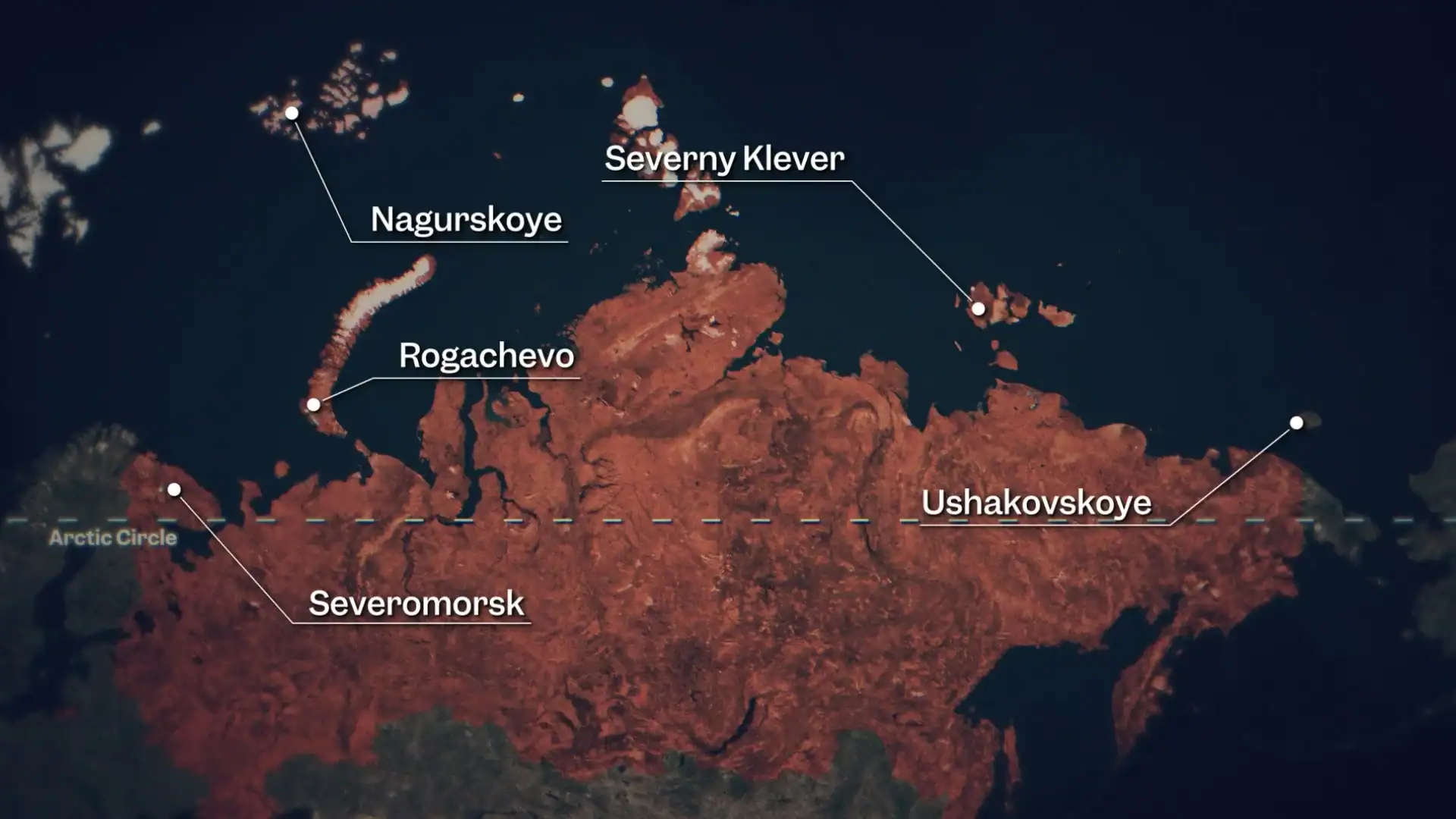
At the same time, Russia is expanding its network of military facilities along the Arctic coast, particularly in Severomorsk on the Kola Peninsula, where the Northern Fleet’s nuclear submarine bases, ports, and airfields are located. Other key centers of Russian military activity in the Arctic include Nagurskoye, Rogachovo, the Severny Klever base, and Ushakovskoye on Wrangel Island.
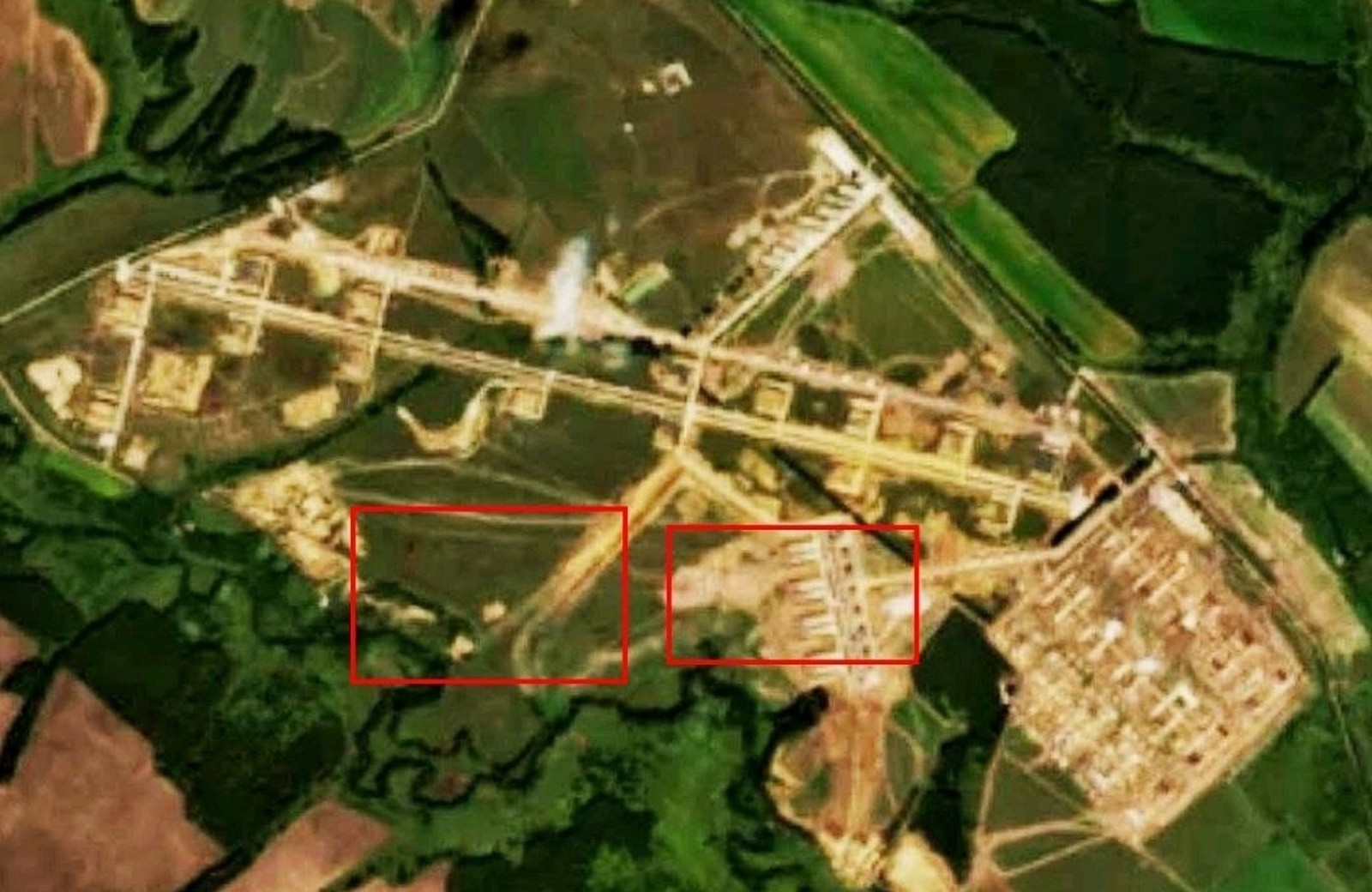
New taxiways have been built and aircraft parking areas expanded at the Severomorsk-1 naval airbase. Satellite images have captured Tu-142 maritime patrol aircraft and Su fighters there.
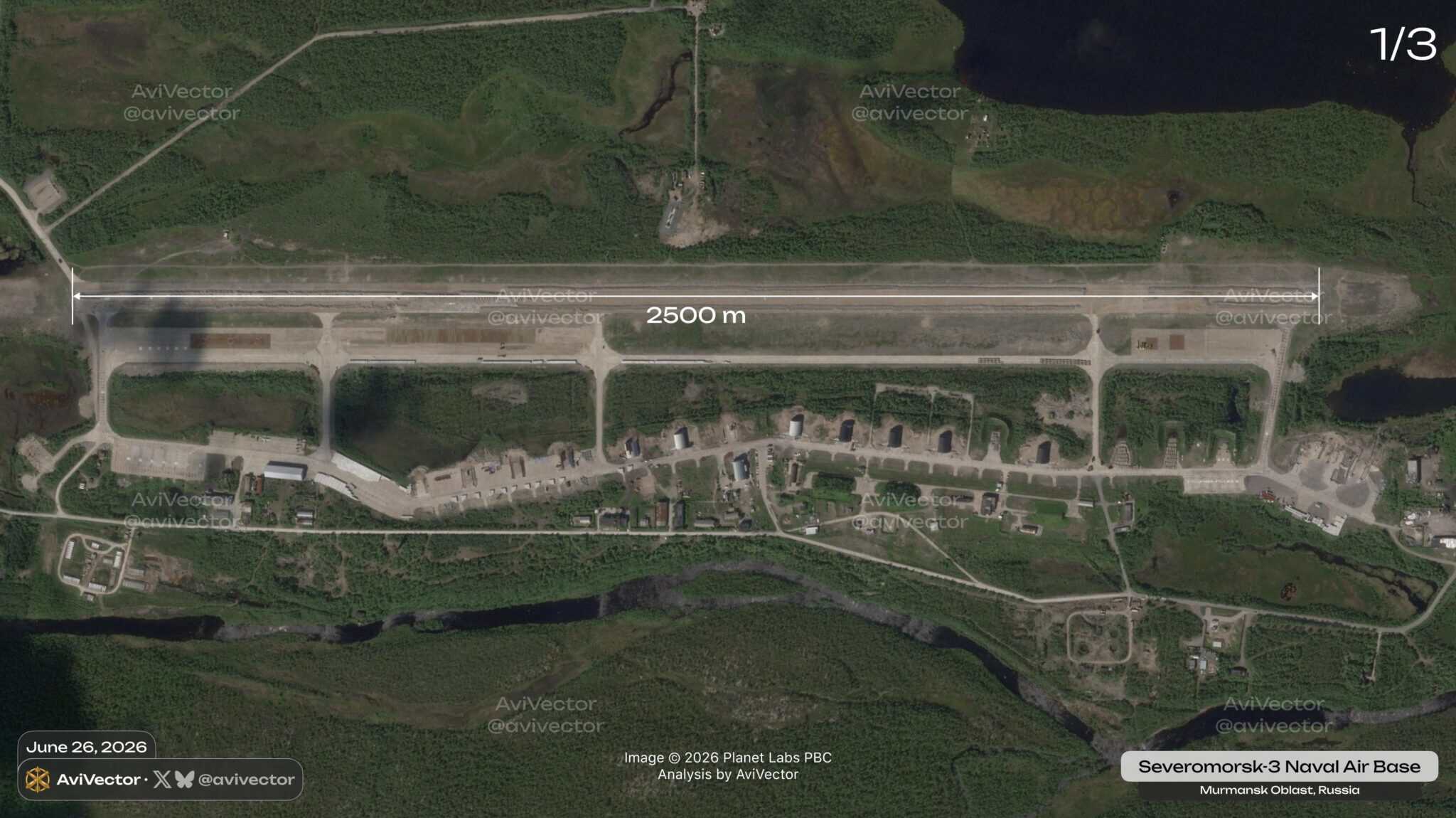
Russia is also continuing the reconstruction of the Severomorsk-3 airbase and the expansion of military infrastructure at the Petrozavodsk airport. These efforts are part of a plan to develop the Arctic airfield network through 2030, which calls for the construction of two new airfields and the reconstruction of seven others within the Northern Fleet’s area of responsibility.
Against this backdrop, U.S. infrastructure in the region has been significantly reduced. Despite having Arctic territory in Alaska, the United States has never maintained a permanent military base north of the Arctic Circle on its own territory.
During World War II, approximately 300 military facilities were built in Alaska. Today, the permanent U.S. presence in the Aleutian Islands is limited to the Erekson Air Station, which houses an early-warning radar system, and a Coast Guard unit that has only one patrol vessel at its disposal at any given time.
In Greenland, of the approximately 20 U.S. military facilities dating back to World War II, only the Pituffik Space Base remains, with a permanent staff of about 650, compared to approximately 10,000 during the Cold War.
To close the gap, the U.S. has joined Canada and Finland in an agreement to expand the construction of icebreakers, and Davie Defense is investing $1 billion to retrofit two shipyards in Texas.
At the same time, competition in the Arctic is also intensifying due to China’s activities, as it expands its investments in the region and, since 2018, has been conducting joint military exercises and maritime patrols with Russia, particularly near Alaska.
Підтримати нас можна через:
Приват: 5169 3351 0164 7408 PayPal - [email protected] Стати нашим патроном за лінком ⬇
Subscribe to our newsletter
or on ours Telegram
Thank you!!
You are subscribed to our newsletter