


Popular
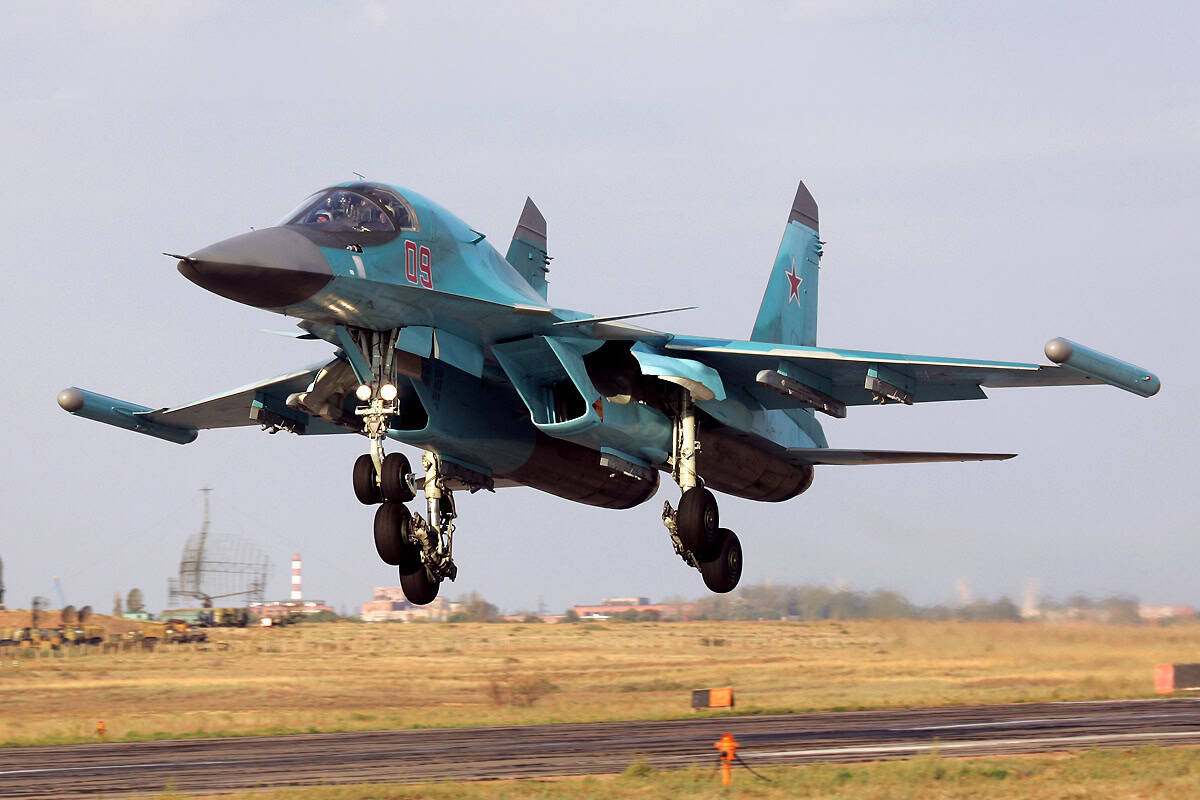
The European Union has included rubber and vulcanized rubber products in its 20th sanctions package to restrict the production of tires for Russian military aviation. The new measures cover both raw materials and finished products that are essential for the construction of combat aircraft.
The reasons for expanding the sanctions list and the Russian aviation industry’s technical dependence on imported raw materials were explained to Militarnyi by the President’s Representative on Sanctions Policy, Vladyslav Vlasyuk.
The inclusion of these items resulted from analytical work by the Ukrainian side, which highlighted gaps in previous restrictions. Ukraine has demonstrated to its partners that rubber supplies directly impact the combat readiness of aircraft.
Russia remains heavily dependent on imports of natural rubber, which is an indispensable component for high-load aviation tires. For a long time, this sector remained partially outside the sanctions regime, allowing the aggressor to maintain the operation of its military-industrial complex.
Throughout 2024, the Russian Federation continued to purchase rubber from EU countries for over $5.8 million. More than half of this total import volume consisted of raw materials.

Among the recipients of European products were the companies Ikon Tyres and Yanino Logistics Park. Ikon Tyres is a former division of the Finnish company Nokian Tires, which came under the control of PJSC Tatneft in March 2023.
Imports were also carried out by the tire manufacturer Cordiant, which has direct ties to the Russian defense sector. The company supplies products on behalf of the Ministry of Defence of the Russian Federation.
Synthetic rubber, which was already formally subject to EU sanctions, posed a particular problem. However, in 2024, this material continued to enter Russia via third countries, revealing systemic gaps in the existing sanctions mechanism.
The identified instances of circumvention highlighted the need for significantly strengthened export oversight.
Russian industry attempted to reduce its vulnerability through plans to replace up to 80% of natural rubber with synthetic alternatives. However, industry experts acknowledge that a complete abandonment of imports is impossible due to the unique physical properties of the natural material.
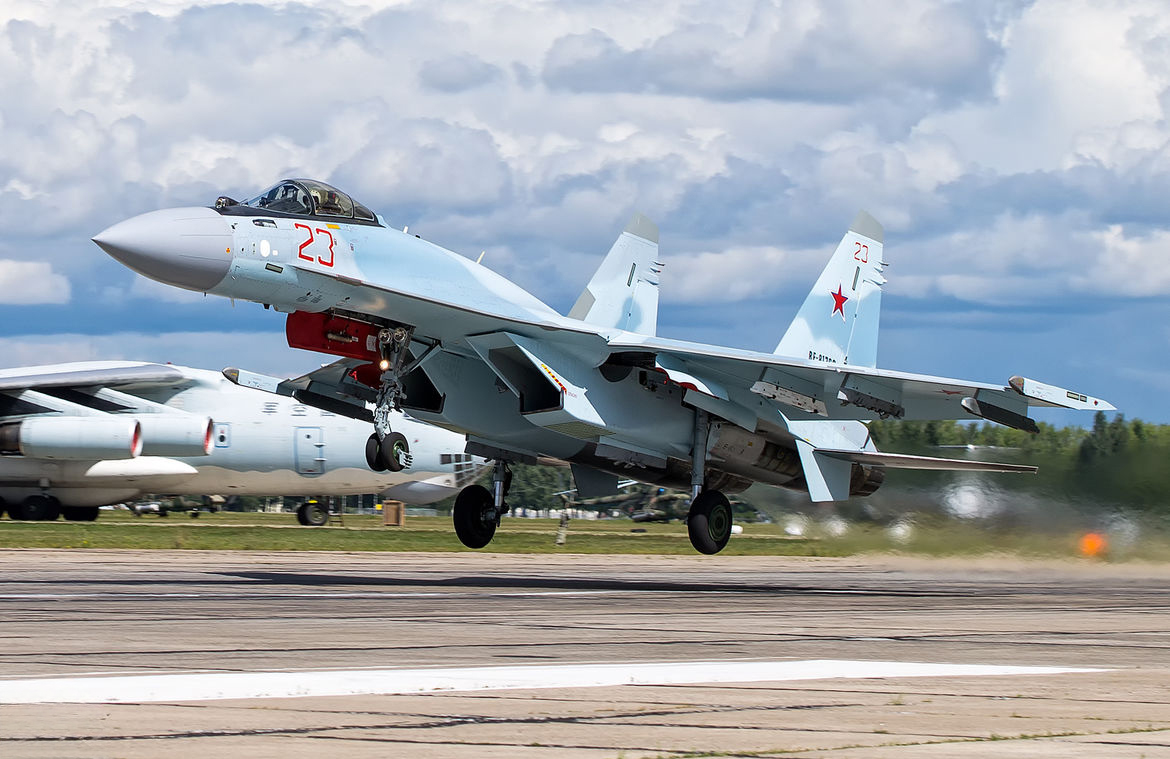
As a reminder, the Taiwanese publication agency CNA released data from the Economic Security Council of Ukraine (ESCU) regarding Russia’s critical dependence on Chinese aircraft tires.
In particular, it was revealed that in 2024, imports of tires and materials from China exceeded $60 million.
Підтримати нас можна через:
Приват: 5169 3351 0164 7408 PayPal - [email protected] Стати нашим патроном за лінком ⬇
Subscribe to our newsletter
or on ours Telegram
Thank you!!
You are subscribed to our newsletter