


Popular
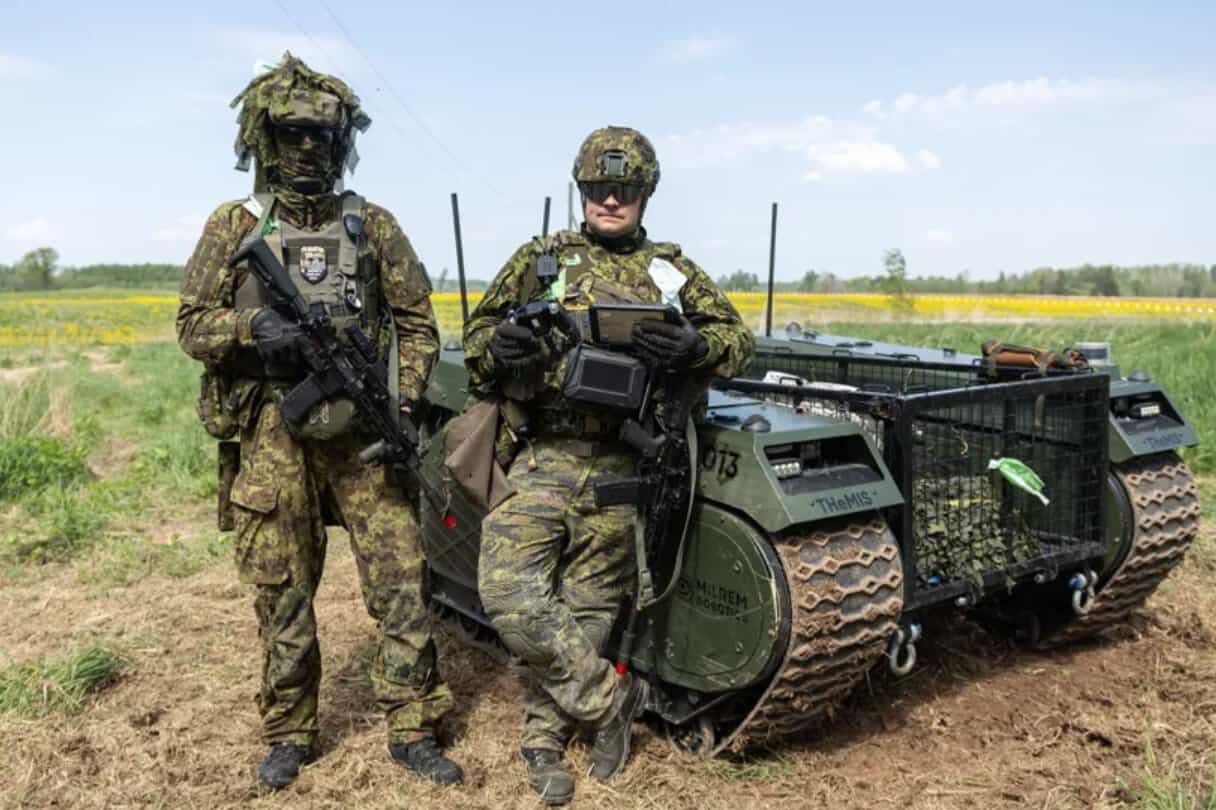
Thanks to joint training with Ukrainians, the Estonian Defence Forces have significantly improved their drone capabilities over the past year.
The Spring Storm 2026 exercises demonstrated a much higher level of readiness compared to last year’s Hedgehog maneuvers, according to The Baltic Sentinel.
In 2025, Ukrainian drone operators effectively dominated NATO exercises in Estonia.
Even a small group of drones was able to simulate the destruction of dozens of vehicles and disrupt multiple units, exposing serious vulnerabilities of traditional mechanized forces to modern FPV drones and reconnaissance systems.
Analysis of last year’s mistakes showed that the main causes of the simulated defeat were moving vehicles in large columns, insufficient camouflage, and weak reactions by personnel to the appearance of drones.

These shortcomings became the main areas for further improvement in Estonia’s training.
Just one year later, the situation changed. According to a Ukrainian serviceman with the call sign ‘Nick,’ who took part in the Estonian exercises for the second time, infantry now responds quickly to drones, and the overall coordination of troops has improved significantly.
He described the progress as ‘much better’ compared to 2025.
One of the key areas of development has been the introduction of unified digital combat management systems.

During the exercises, platforms were actively used that combine video feeds from multiple drones, automatically mark targets on a map, and ensure rapid information sharing among all participants in the operation.
Artificial intelligence technologies played a particularly important role in this.
The systems automatically analyze drone video, identify vehicles and personnel, create short video clips, and transmit the information to operators for confirmation and further use.
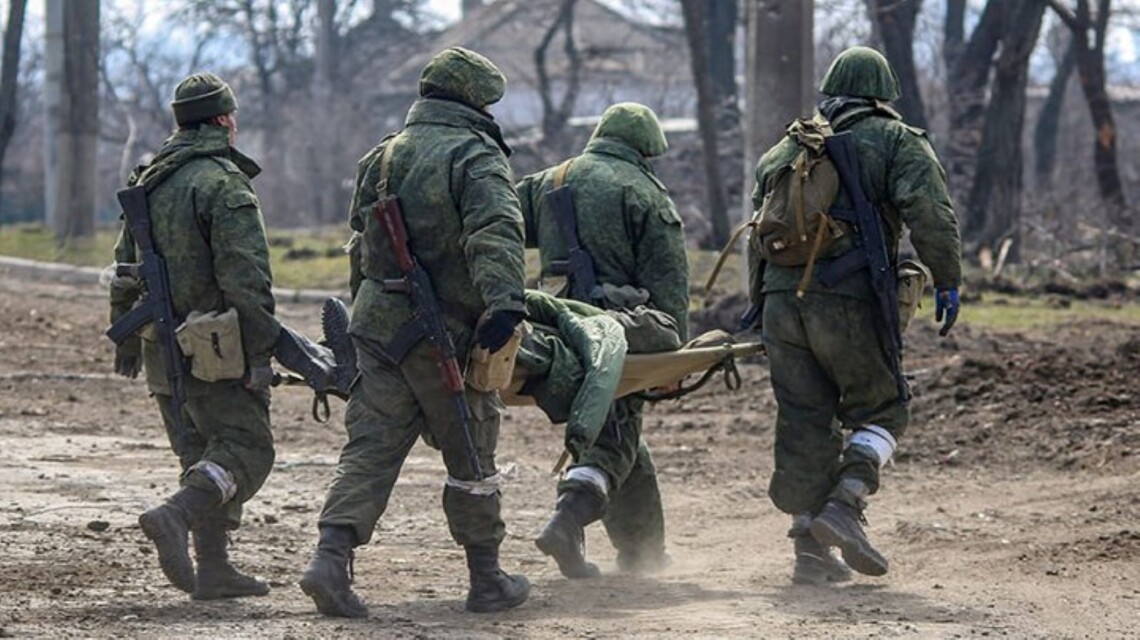
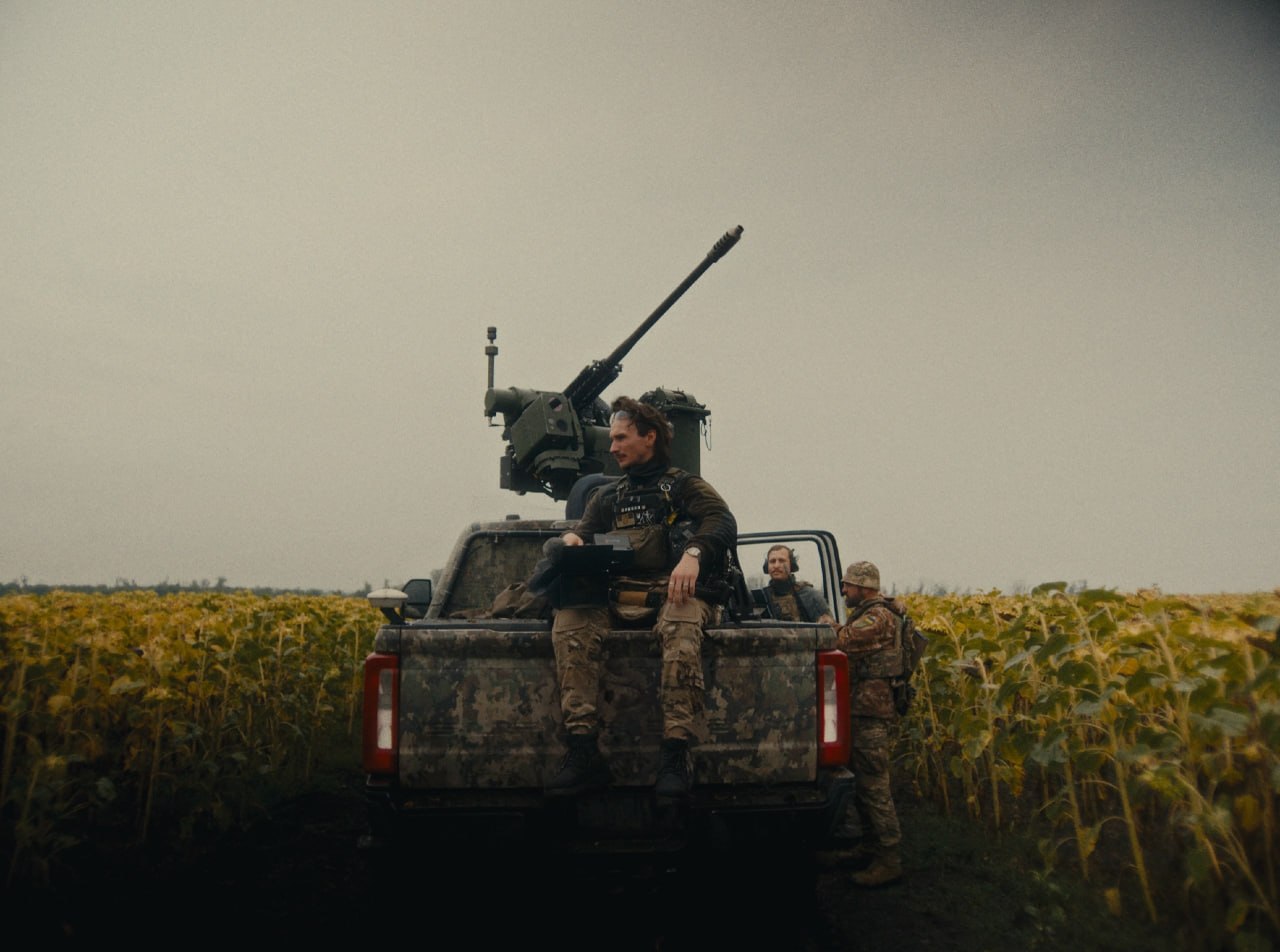
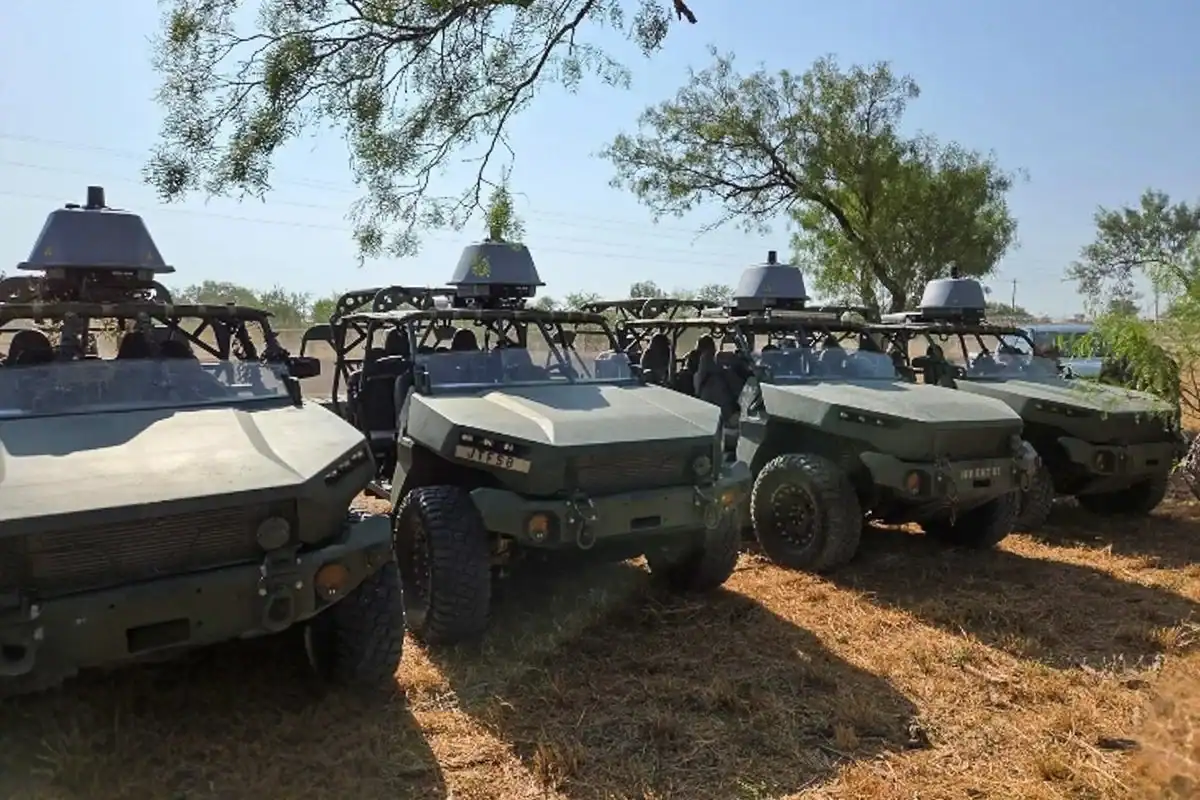
Meanwhile, Estonia is actively developing unmanned ground systems. During Spring Storm, both specialized tracked platforms and remotely controlled pickup trucks were tested, capable of transporting cargo, delivering ammunition, and evacuating the wounded without risking personnel.
A key feature was the use of backup communication channels and a multi-layered command system.

To ensure the resilience of ground robotic platforms, aerial drone relays were used, allowing missions to continue even if the main communication link was lost.
Volunteer formations are increasingly involved in the exercises, including the women’s drone operator unit of the Defence League, Naiskodukaitse, known as the Drone Ladies.
This reflects Estonia’s effort to scale up drone capabilities not only within the regular armed forces but also in the territorial defence system.
Military officials emphasize that unmanned systems have already become an integral part of the modern battlefield.
This is not only about reconnaissance or strikes, but also about logistics, evacuation, mine delivery, and supporting units during prolonged operations.

The main conclusion from the Estonian exercises is that Ukraine’s experience was not just studied, but partially integrated into practice.
According to Ukrainian participants, Estonia has made a significant leap in the development of drone technologies over the past year and has built a foundation for further adaptation to the challenges of modern warfare.
Підтримати нас можна через:
Приват: 5169 3351 0164 7408 PayPal - [email protected] Стати нашим патроном за лінком ⬇
Subscribe to our newsletter
or on ours Telegram
Thank you!!
You are subscribed to our newsletter