




Popular
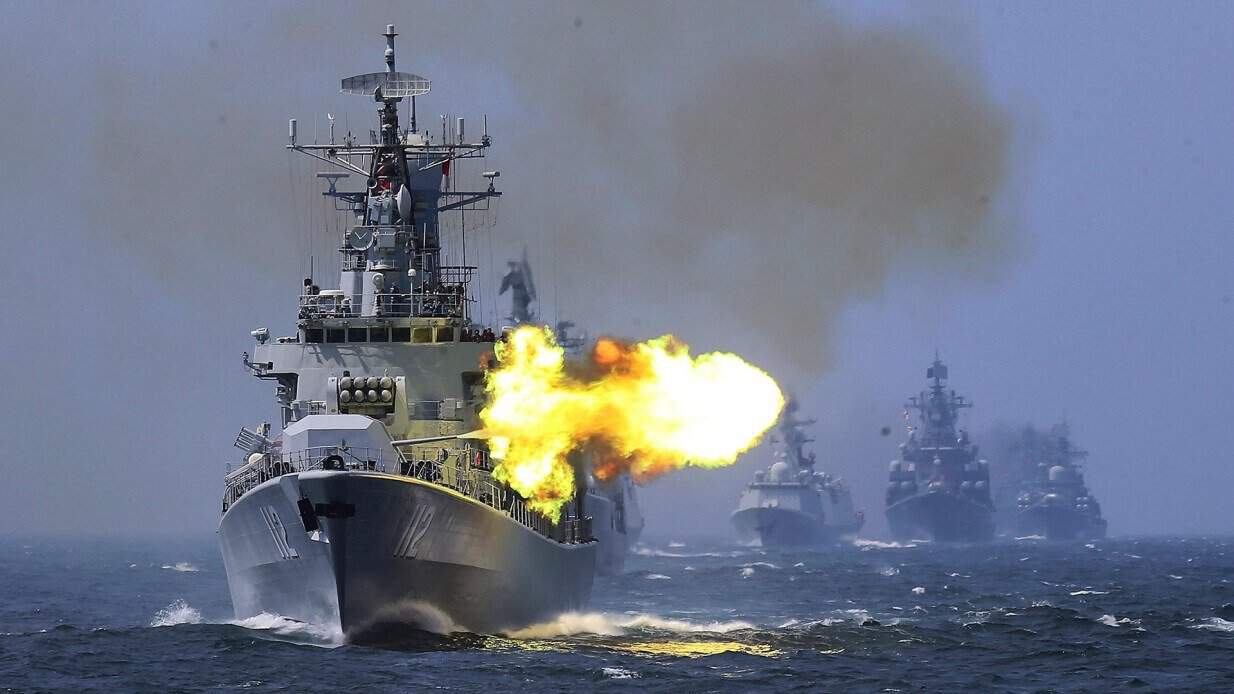
The naval forces of China and Iran, together with the Russian Navy, will hold joint exercises.
The press service of the Ministry of National Defense People’s Republic of China announced this.
The exercise, called Security Nexus-2025, is scheduled for early or mid-March.
The exercise is to take place near the Iranian port of Chabahar in the Gulf of Oman.

The participants will engage in drills focusing on countering maritime threats, vessel seizure, damage control, and joint search and rescue operations.
According to the Ministry of National Defense People’s Republic of China, the exercises are designed to enhance military trust and foster deeper practical cooperation among the armed forces of the participating nations.
For the maneuvers, the People’s Liberation Army Navy will deploy the Type 052D-class destroyer Baotou and the integrated support vessel Gaoyu Lake.

On February 21, it was reported that China conducted live-fire exercises in international waters off the coast of Australia.
As a result, several flights from Australia to New Zealand were forced to adjust their routes.
Penny Wong, Australia’s Foreign Minister, remarked that while the exercises were in line with international law, she expressed some concerns regarding the incident.
On February 14, it was reported that the container ship Golbon delivered to Iran the first batch of Chinese raw materials for the production of rocket fuel for solid-fuel ballistic missiles.
The customer for the raw materials is the Jihad Organization for Research and Self-Sufficiency of the Aerospace Forces of the Islamic Revolutionary Guard Corps.

Potassium perchlorate is a raw material for the production of ammonium perchlorate, which is the main component in the production of rocket fuel for solid-fuel ballistic missile engines.
This amount of potassium perchlorate is enough to produce enough fuel to equip 260 engines for Iranian Kheibar Shekan ballistic missiles or 200 Haj Qasem ballistic missiles.
Підтримати нас можна через:
Приват: 5169 3351 0164 7408 PayPal - [email protected] Стати нашим патроном за лінком ⬇
Subscribe to our newsletter
or on ours Telegram
Thank you!!
You are subscribed to our newsletter