









Popular
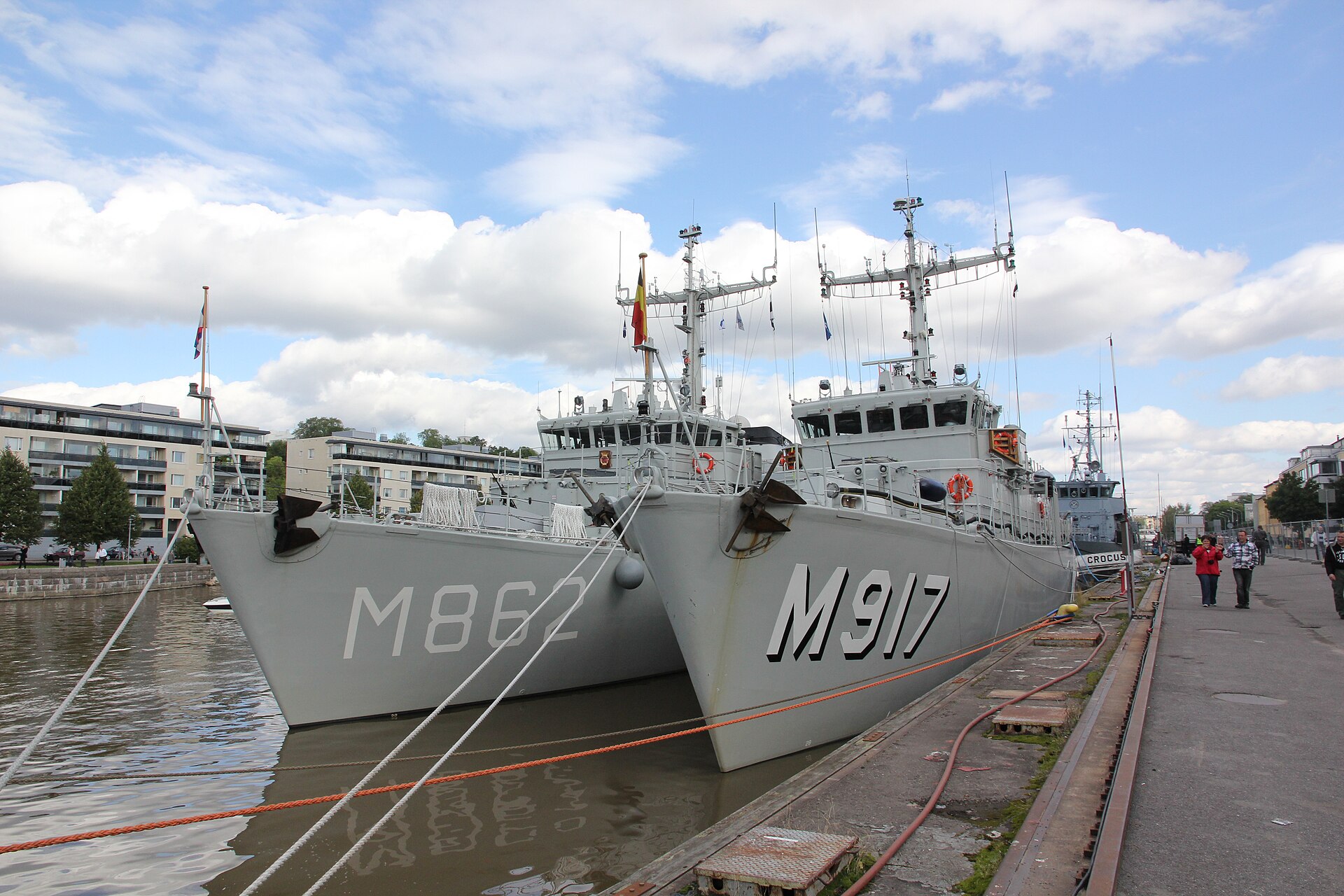
The Bulgarian parliament has ratified agreements on the free transfer of seven Tripartite minehunters to the country.
The vessels will be decommissioned from the Belgian and Dutch navies as part of their planned retirement, according to Mer et Marine French defense outlet.
The transfer program includes four Belgian Flower-class vessels: Bellis (M916), Crocus (M917), Lobelia (M921), and Primula (M924). Three Dutch Alkmaar-class ships will also join the Bulgarian Navy: Schiedam (M860), Zierikzee (M862), and Willemstad (M864).
The vessels will be transferred free of charge. At the same time, Bulgaria will fully cover the costs of their repair and restoration to combat readiness, which could amount to up to €42 million.

The acquisition of the seven vessels will significantly enhance the Bulgarian Navy’s mine countermeasure capabilities and help ensure the safety of navigation in the Black Sea. In 2020, Bulgaria already received two vessels of this class, named Mesta (hull number 31) and Struma (hull number 33).
The history of the Tripartite-class minehunters dates back to the 1970s, when Belgium, the Netherlands, and France joined forces to develop a common mine countermeasure vessel project.
The CMT (Chasseurs de mines Tripartite) project was aimed at replacing outdated 1950s-era minesweepers with modern, specialized vessels.
Under the division of tasks, France was responsible for developing and supplying specialized mine countermeasure equipment and weaponry.
The Netherlands was responsible for developing and supplying the main propulsion systems, electronic equipment, and shipboard automation systems.

Belgium was responsible for manufacturing the electrical equipment and designing the auxiliary systems for the vessels in the series.
A total of 35 vessels of this type were built for the three participating countries. They formed the backbone of NATO’s mine countermeasure forces for decades, with their main distinguishing feature being hulls made of low-magnetic fiberglass.
It was previously reported that the Ukrainian Navy is set to establish a new mine countermeasure brigade. It will include minehunters of the same class as those being transferred to Bulgaria.
Підтримати нас можна через:
Приват: 5169 3351 0164 7408 PayPal - [email protected] Стати нашим патроном за лінком ⬇
Subscribe to our newsletter
or on ours Telegram
Thank you!!
You are subscribed to our newsletter